
Paul Sullivan
A young novelist whose cultivated suffering offers Jim another unhealthy model of love.
Love, artistic seriousness, and the suffering he has learned to associate with both.
The book

Who they are in the book
Spoiler-freePaul is a twenty-eight-year-old novelist whom Jim meets after Ronald.
His seriousness appeals to Jim, but Paul treats emotional pain as proof of depth and useful literary material.
Their relationship is intellectually richer than Jim’s earlier affairs and still cannot displace Bob.
How Paul Sullivan Is Portrayed
- LiteraryHe interprets experience through the habits of a novelist.
- CynicalHe expects betrayal before it occurs.
- Self-dramatizingHe can turn pain into a performance of seriousness.
- SophisticatedHe introduces Jim to a more intellectual gay identity.
- ProvocativeHis arrangements with Maria create the possibility of betrayal.
- LonelyHe reconnects with Jim later through familiarity rather than fulfilled love.
The Yucatán trip clarifies Jim’s sexuality but exposes Paul’s destructive expectations.
They later reconnect without becoming the lasting relationship either might need.
If you like The City and the Pillar


If you like Gore Vidal
Explore authors with a similar voice, perspective, and influence.
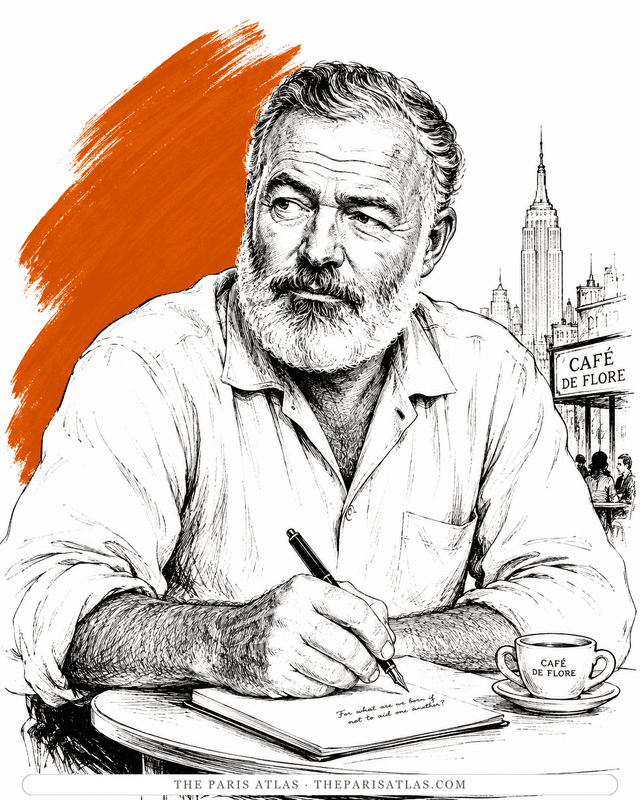
Ernest Hemingway
Author of The Sun Also Rises and A Moveable Feast; his pared-down style, developed in 1920s Paris, became the most imitated in American prose.
View author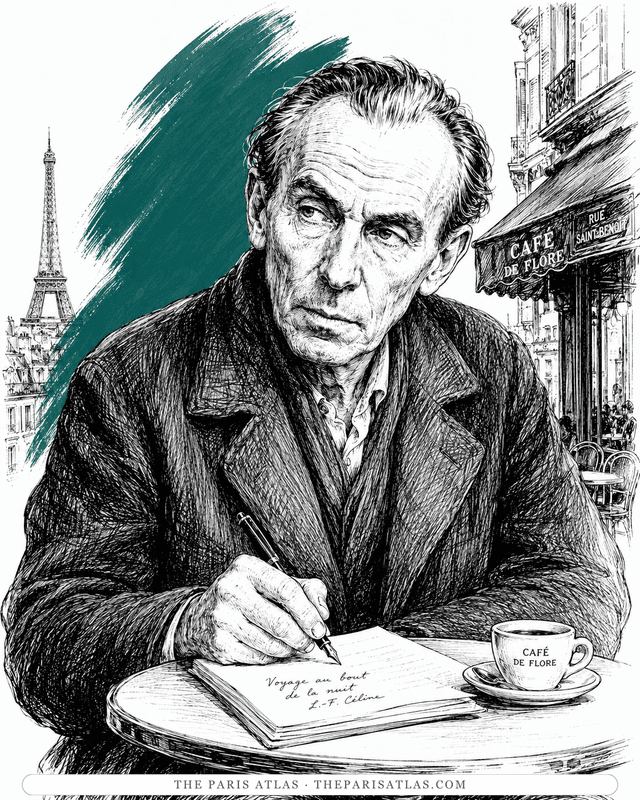
Louis-Ferdinand Céline
The doctor of the Paris slums who wrote the century's blackest, funniest novel — and changed the sound of French prose.
View author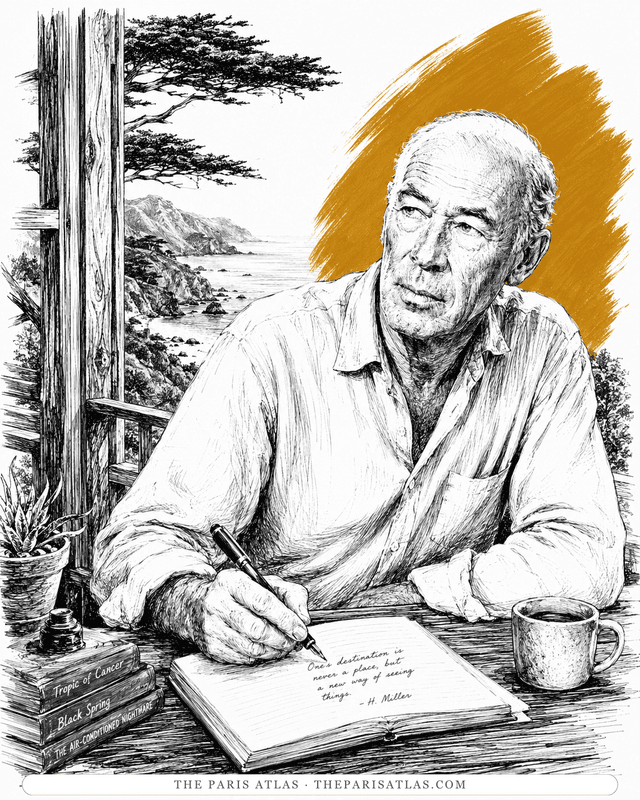
Henry Miller
The Brooklyn dropout who arrived in Paris broke at thirty-eight and wrote the exuberant, banned books that ended American censorship.
View author