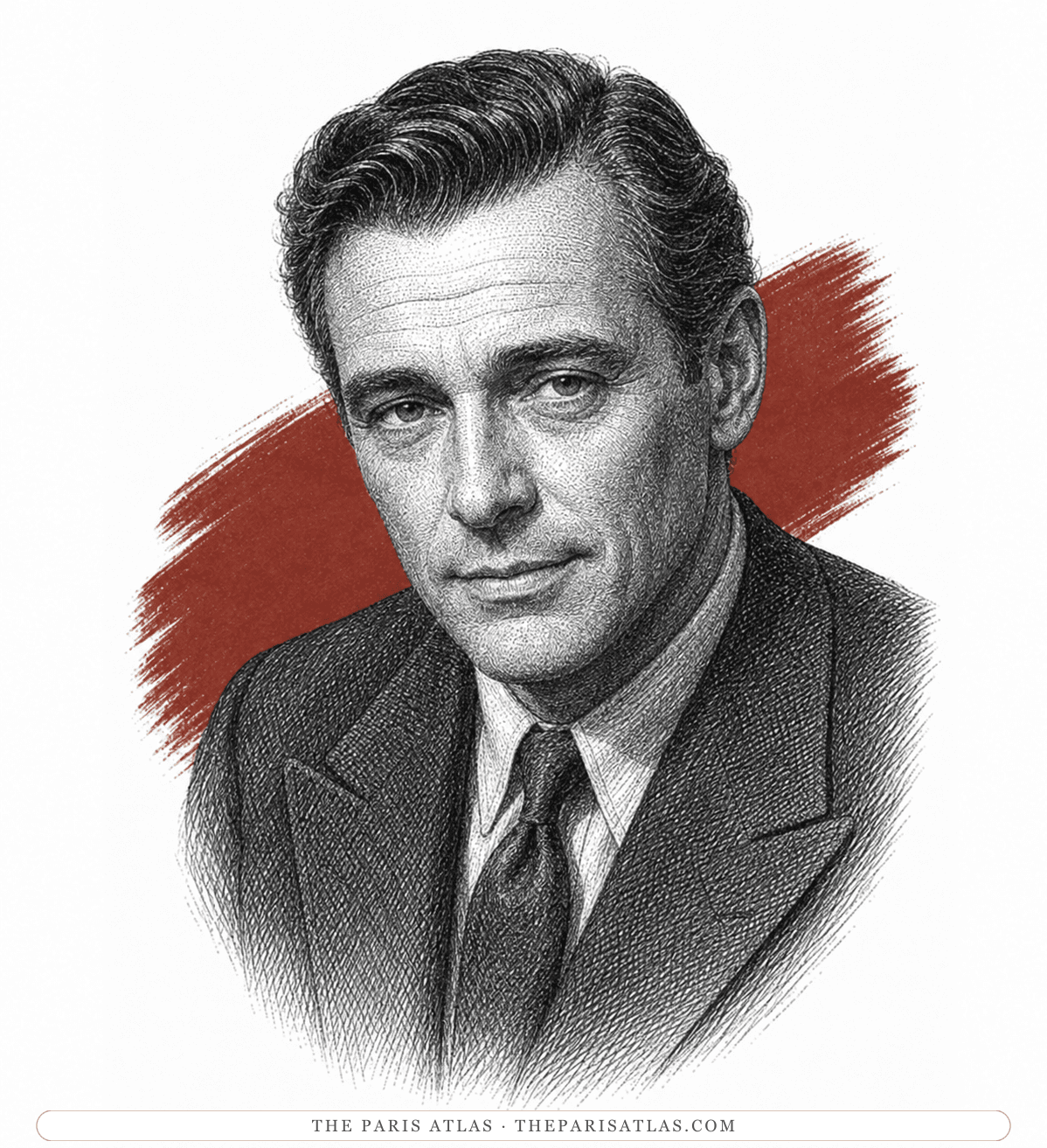
Ronald Shaw / George Cohen
A closeted Hollywood star who becomes Jim’s older lover.
Affection and companionship without sacrificing the film career built on his public image.
The book

Who they are in the book
Spoiler-freeRonald is a successful Hollywood actor whose public name and image are carefully manufactured.
He offers Jim affection, money, and entry into a discreet gay social world.
His career depends on concealment, eventually including a public marriage of convenience.
How Ronald Shaw / George Cohen Is Portrayed
- Studio polishedHe has the appearance and manners of a successful screen star.
- GenerousHe gives Jim comfort and access to an affluent world.
- ClosetedHe must separate private sexuality from public identity.
- Emotionally availableHe offers more real companionship than Jim is willing to value.
- Professionally constrainedThe studio’s expectations govern his private arrangements.
- Camouflaged by marriageA public marriage protects both partners’ careers and reputations.
Jim leaves him for Paul because no later lover can rival Bob in his imagination.
Ronald’s public marriage shows how thoroughly Hollywood manages appearances.
If you like The City and the Pillar


If you like Gore Vidal
Explore authors with a similar voice, perspective, and influence.
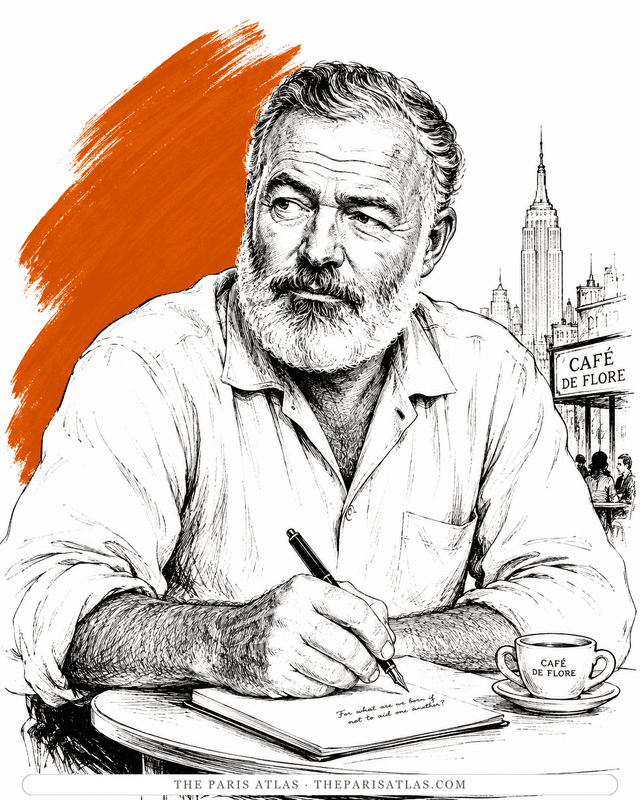
Ernest Hemingway
Author of The Sun Also Rises and A Moveable Feast; his pared-down style, developed in 1920s Paris, became the most imitated in American prose.
View author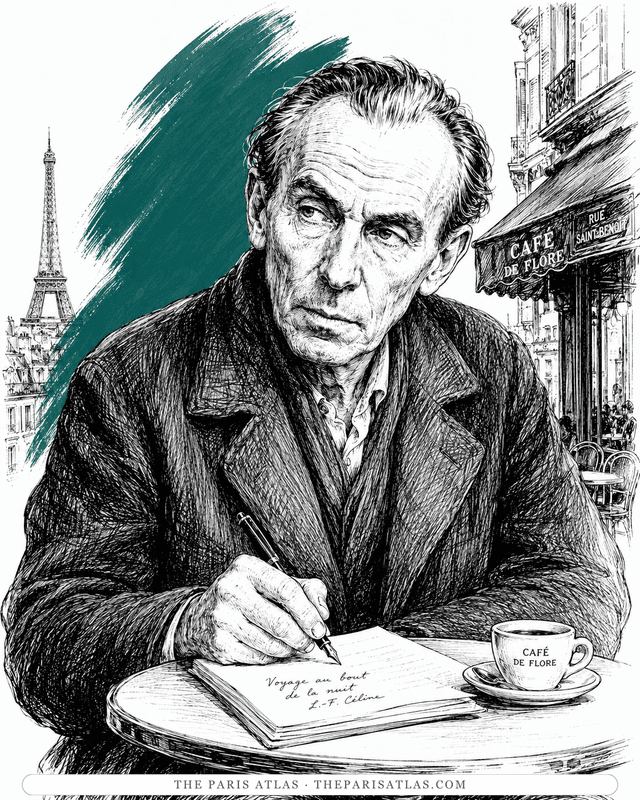
Louis-Ferdinand Céline
The doctor of the Paris slums who wrote the century's blackest, funniest novel — and changed the sound of French prose.
View author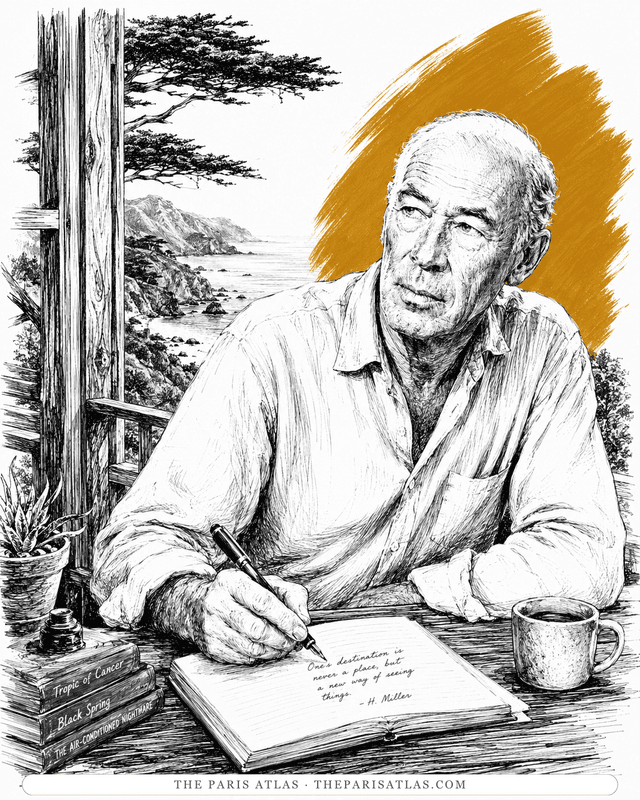
Henry Miller
The Brooklyn dropout who arrived in Paris broke at thirty-eight and wrote the exuberant, banned books that ended American censorship.
View author