Pozdnyshev's wife
A landowner's daughter who marries Pozdnyshev young, bears his children, and takes up the piano again.
The story does not let her say, beyond her music and her children.
The book
The Kreutzer Sonata
Leo Tolstoy
Who they are in the book
Spoiler-freeShe is never named and is seen only through her husband's jealousy. What she thinks, the story barely lets her say until she is dying.
How Pozdnyshev's wife Is Portrayed
- The pianoIn Chapter XIX, after the doctors tell her to have no more children, she takes up the piano that had stood forgotten in a corner.
- The performanceIn Chapter XXIII she plays the Kreutzer Sonata with Trukhachevsky, and her husband has never seen her as she is that night.
- The letterIn Chapter XXIV she writes to her husband at the assembly, mentioning that the violinist has brought some music.
- The deathbedIn Chapter XXVIII she tells him he has done what he wanted and killed her, and says her sister will take the children.
Pozdnyshev's wife quotes
You have accomplished what you desired. You have killed me.
She dies of the stab wound toward noon the next day, delirious, no longer recognising the children.
If you like The Kreutzer Sonata


If you like Leo Tolstoy
Explore authors with a similar voice, perspective, and influence.
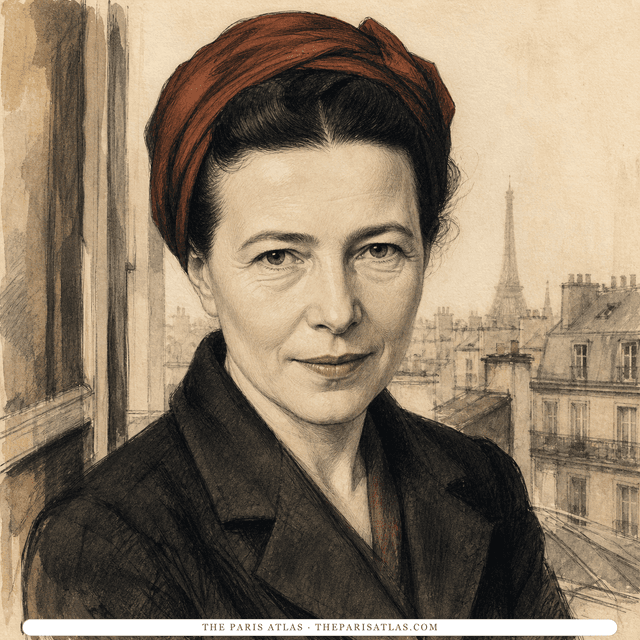
Simone de Beauvoir
French writer and philosopher whose novels, memoirs, and social analysis examined freedom, gender, responsibility, aging, and the material conditions that shape a life.
View author
Paul Bowles
American novelist and composer whose expatriate fiction explores dislocation, unstable intimacy, fatalism, and North Africa.
View author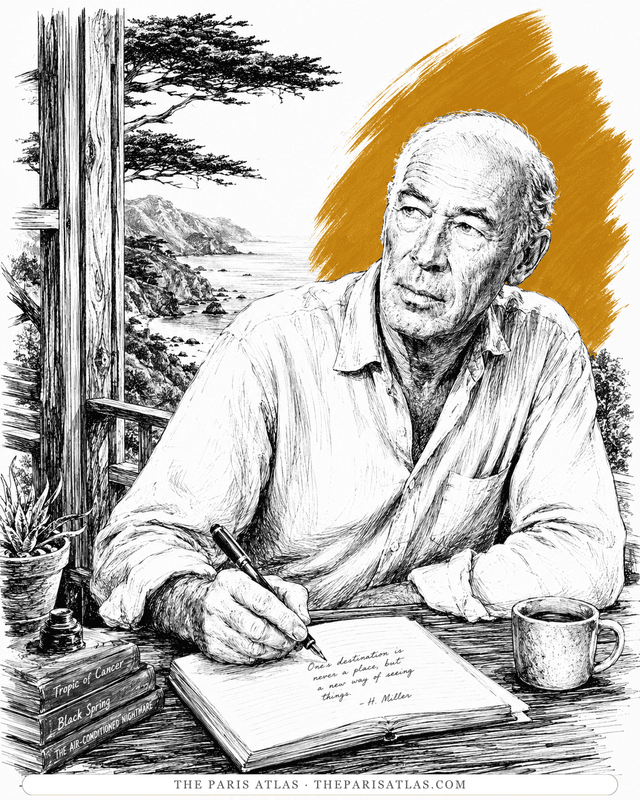
Henry Miller
The Brooklyn dropout who arrived in Paris broke at thirty-eight and wrote the exuberant, banned books that ended American censorship.
View author