

The Sheltering Sky
The same structure — comfortable Americans travelling into a place that does not run on their terms — with the Sahara swapped for Latin America.
Read our take
by Paul Bowles
An American doctor and his young wife accept a rich stranger's hospitality in Latin America, and cannot afterwards account for the days that follow.
Dr. Taylor Slade, an elderly American physician, is travelling with Day, his much younger wife, through an unnamed Latin American country. On the boat and at a shabby hotel they fall in with Mrs. Rainmantle, a dishevelled Englishwoman who is short of money and waiting for a son who never comes to meet her. She is murdered the same night, and the hotel fire that follows covers it. The Slades then meet Grove Soto, a rich and charming young man who is Mrs. Rainmantle's son and her killer. Unable to work out how much they saw, he invites them to his house in the mountains and begins feeding them drugs, which they take for the symptoms of a bad virus. Paul Bowles builds the book out of the gap between what the Slades experience and what is being done to them.
The novel was Bowles's fourth and last, published by Simon and Schuster in New York in 1966, seventeen years after The Sheltering Sky. It moves his method from North Africa to Latin America without changing it: a pair of comfortable Americans travel into a place whose rules they do not know, on the assumption that money and good sense will hold.
The country is never named. Bowles invents the places instead — the Slades sail from La Resaca to Puerto Farol, then go up to a capital in the mountains. The vagueness is deliberate. The reader is given no more geography than the Slades have, which is very little.
Its real subject is what a person can be made to forget. Grove Soto's method is not violence but chemistry and patience, and the middle of the book is written from inside two minds being quietly dismantled while their owners continue to make polite conversation. Bowles had been prescribed morphine derivatives after a car accident and had written about drugged states before; here the drugging is done to someone else, by a host, in a comfortable house.
Dr. Taylor Slade and his wife Day are at breakfast in a hotel, waiting for a ship. He is an elderly physician on holiday; she is much younger, and the marriage is comfortable and a little performative on his side.
The coastwise journey from La Resaca to Puerto Farol takes a day and a half. On arrival the town is full and rooms are scarce, and Day agrees to share a room for one night with Mrs. Rainmantle, an Englishwoman they have met who has run out of money and is waiting for her son.
Mrs. Rainmantle is killed that night with an injection of curare. A fire at the hotel destroys the evidence.
The Slades travel up to the capital, where they meet Grove Soto, a rich young man of great charm who invites them to dinner and introduces them to Luchita, the seventeen-year-old Cuban girl who lives with him. Grove is Mrs. Rainmantle's son. He had her killed.
Unable to establish what the Slades know, Grove takes them to his house in the mountains and begins administering drugs. Both of them become confused and ill, and both assume they have caught something.
Dr. Slade disappears. Day, increasingly unable to hold the days in order, eventually gets away to a town during a fiesta — and discovers that her escape was arranged for her.
The novel does not restore what the drugs took. Day's understanding of what has happened arrives too late and too incompletely to be of use to her, and Bowles declines to supply the reckoning a thriller would.
Bowles published no more fiction of this length. Up Above the World closes the sequence that began with The Sheltering Sky in 1949.
Bowles is often read as a Morocco writer. This book moves the whole apparatus to Latin America and works exactly as well, which tells you the subject was never the desert.
It has a murder, a cover-up, a villain and a victim, and it declines every payoff the form expects. The interest is in the dismantling, not the solving.
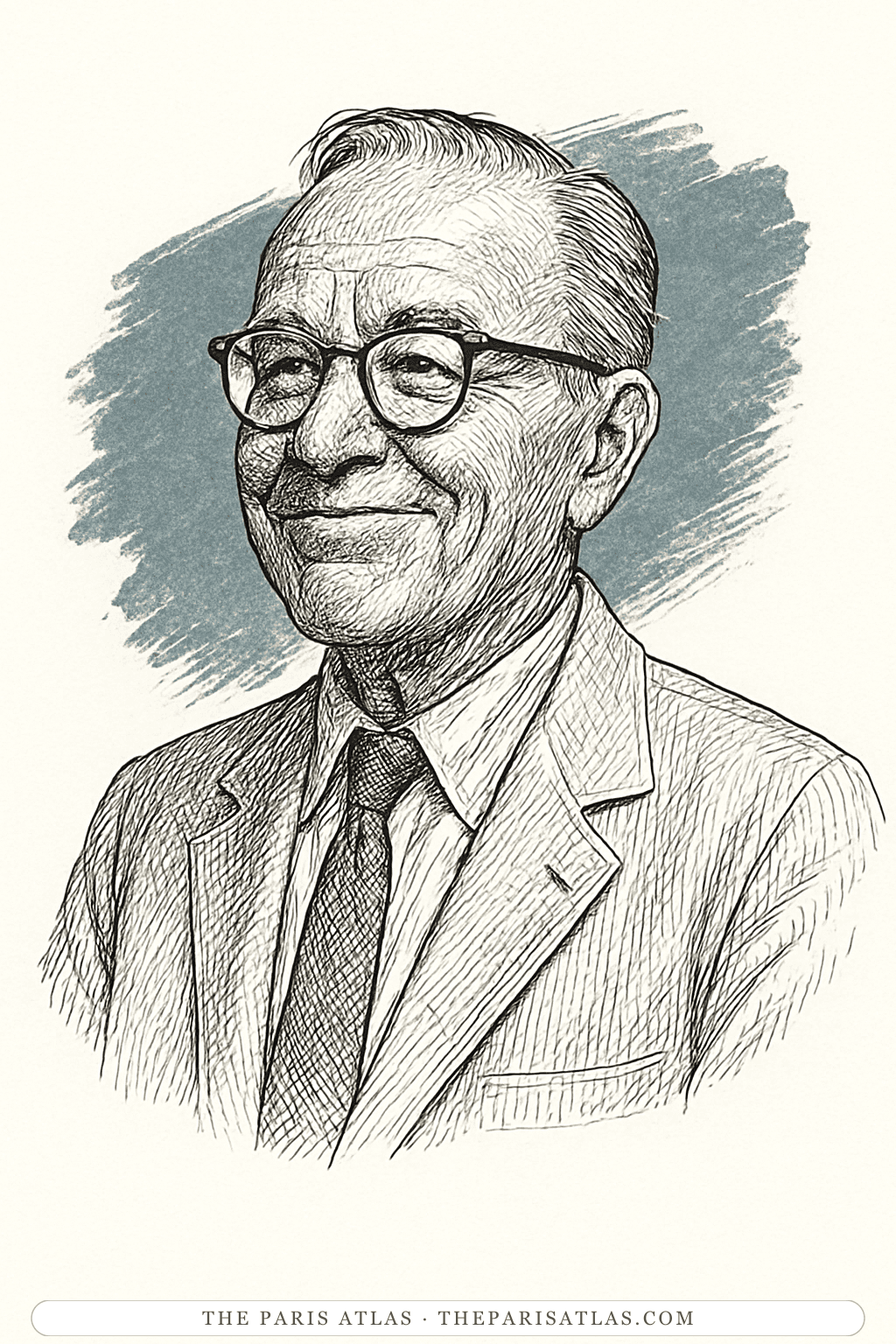
An elderly American physician on holiday with a much younger wife, determined that the trip is going well.
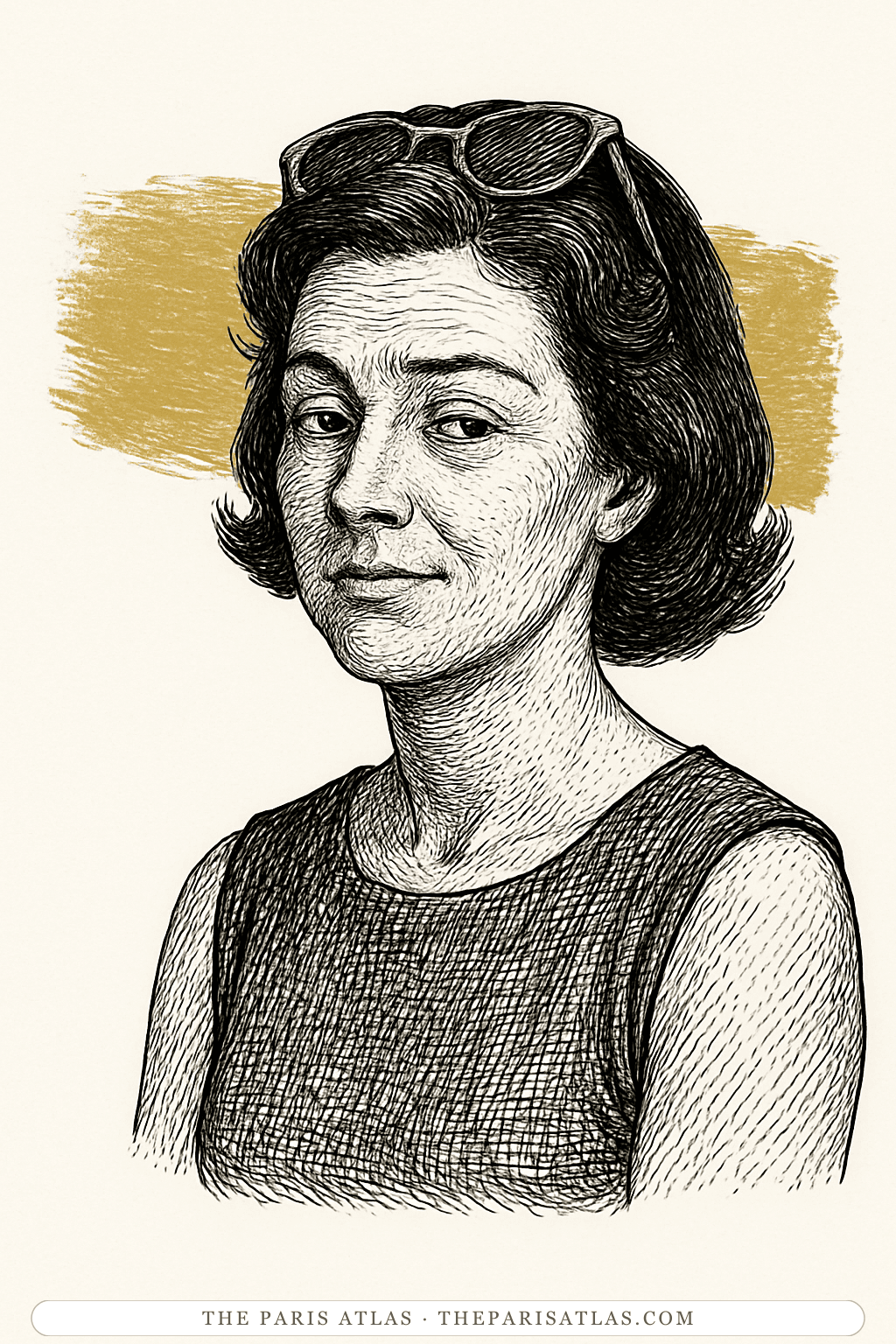
The doctor's much younger wife, practical and unsentimental, and the one the novel follows furthest into the dark.
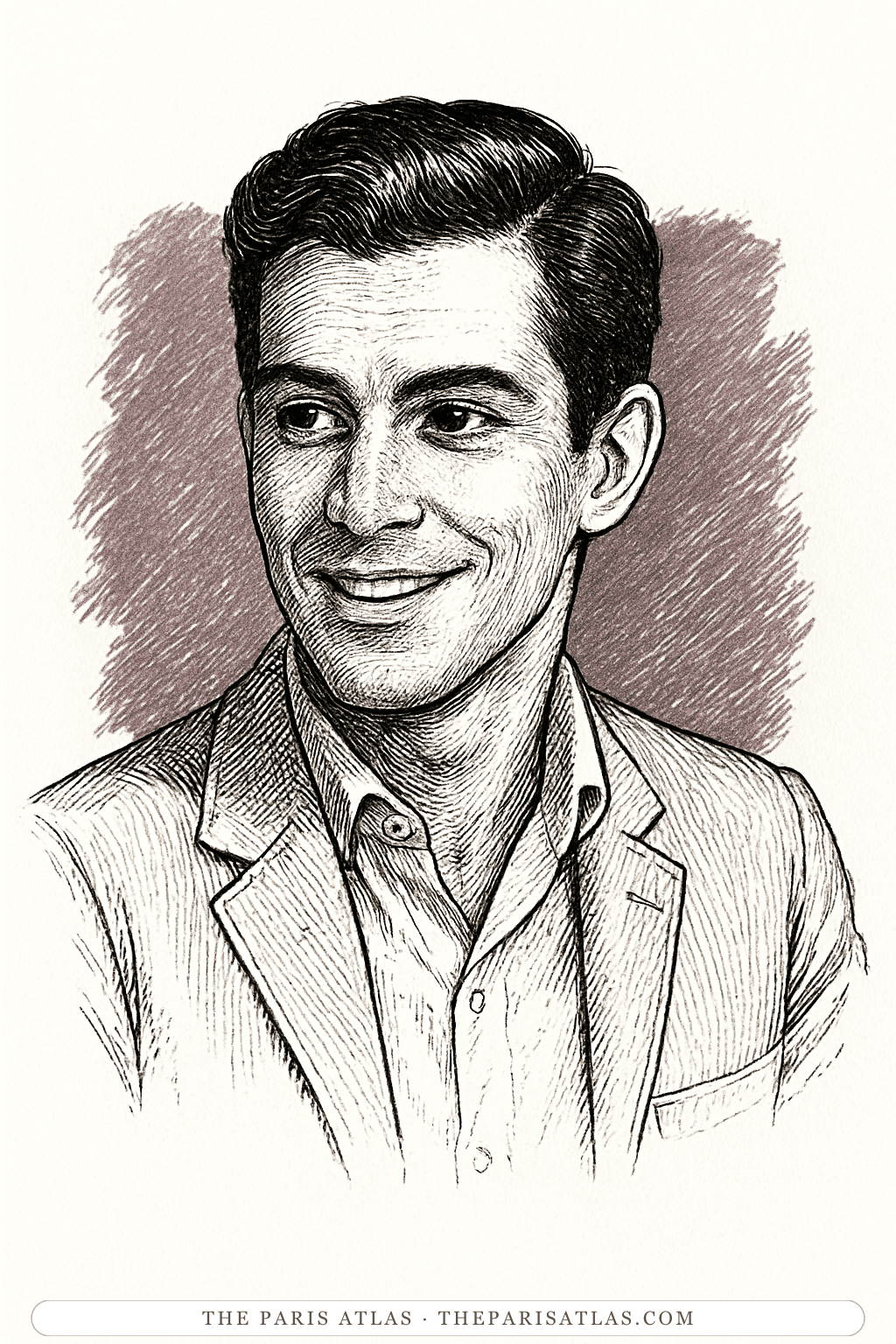
A rich, charming young man who has his mother killed and then sets about erasing the two witnesses. Called Vero through much of the book.
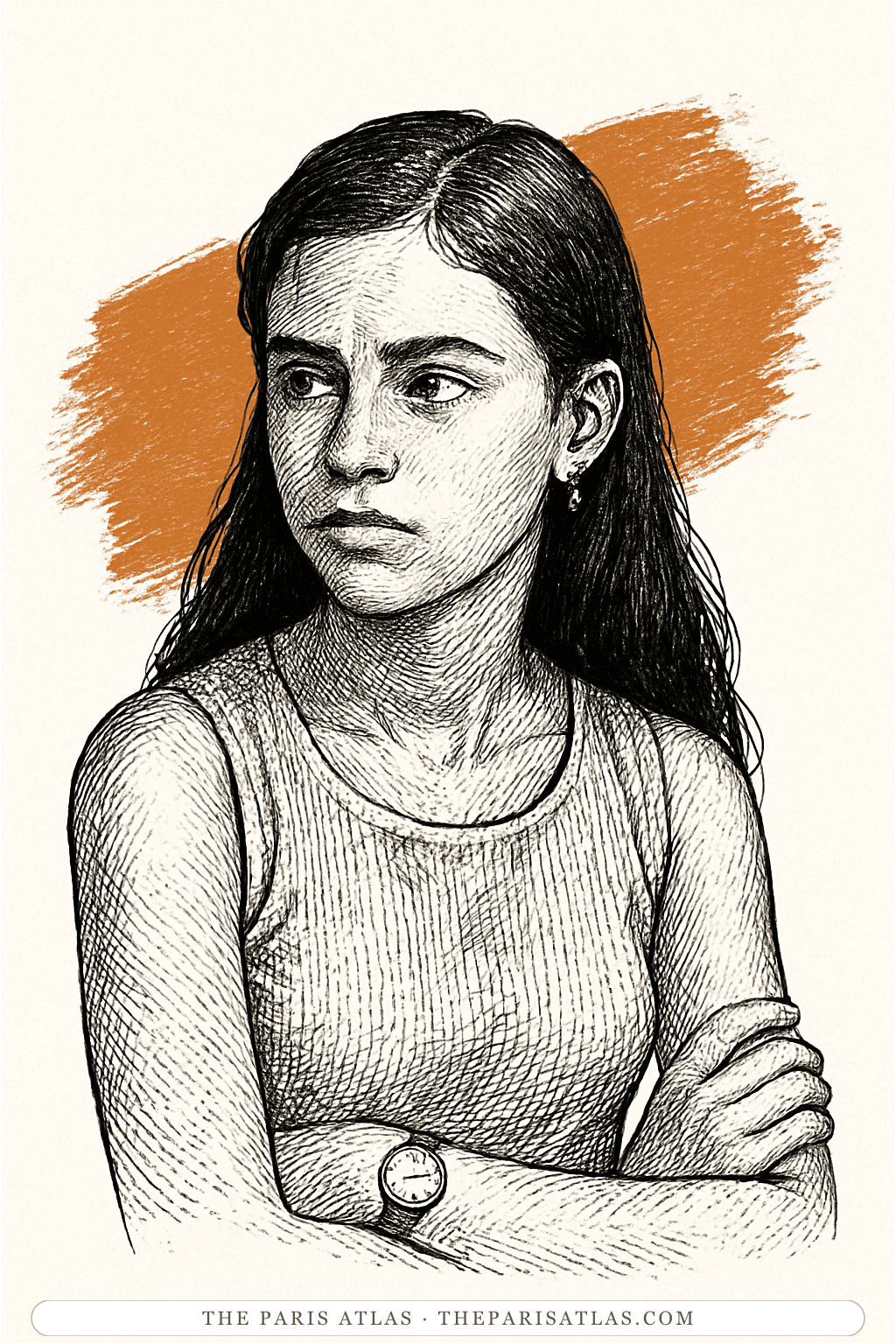
Seventeen, from Havana, living with Grove Soto under an arrangement she believes she is managing. She has a small son and wants to get to Paris.
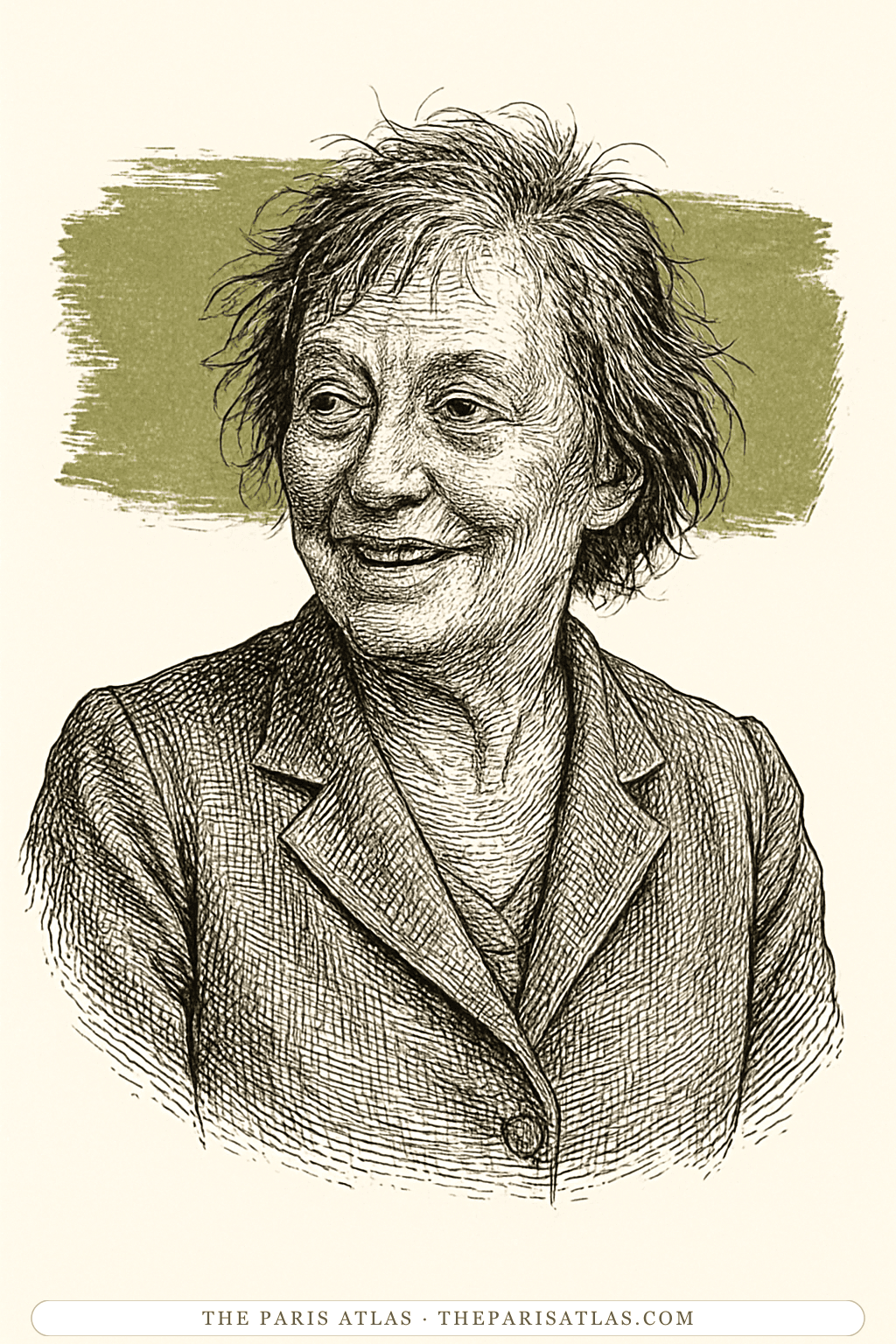
A dishevelled Englishwoman out of money, waiting for a son who does not come. She is dead by the end of the first act.
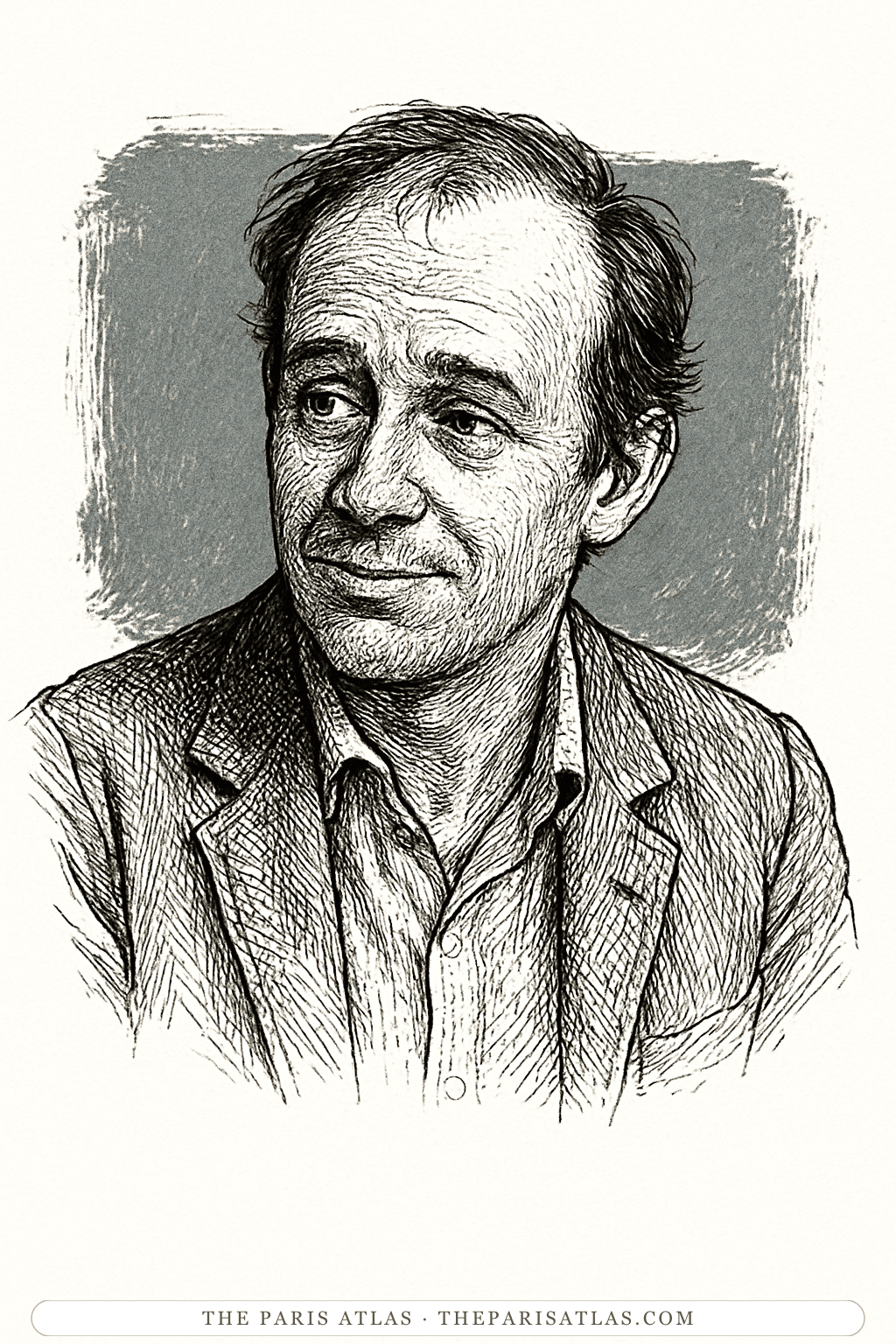
Grove Soto's friend from student days, brought down from Canada and kept on a short financial leash.
1966
Simon and Schuster publish Up Above the World in New York. It is Bowles's fourth novel and his last.
1966
Conrad Knickerbocker reviews it in The New York Times, writing that in it "we see how a first-rate writer goes about creating the environment of menace", and that Bowles's theme, the destruction of innocence, is "defined, if not resolved".
1967
Peter Owen publishes the first British edition in London.
2002
The Library of America collects the novel in Paul Bowles: Collected Stories & Later Writings, edited by Daniel Halpern.


The same structure — comfortable Americans travelling into a place that does not run on their terms — with the Sahara swapped for Latin America.
Read our take
Bowles's other novel about a passive man carried into violence by people with clearer intentions than his own.
Read our take
The third novel, and the one where Bowles gives the local population a viewpoint of its own rather than leaving them as the landscape.
Read our take
The stories where Bowles worked out the method at shorter length, several of them set in Latin America.
Read our takeAn elderly American doctor, Taylor Slade, and his much younger wife Day are travelling in an unnamed Latin American country. They meet an Englishwoman, Mrs. Rainmantle, who is murdered the same night. They then meet her son, Grove Soto, who killed her — and who, unsure how much they saw, takes them to his house in the mountains and begins drugging them.
It has the parts of one and refuses the payoff. There is a murder, a cover-up and a wealthy villain, but Bowles is not interested in detection or justice. The middle of the book is written from inside the minds of two people being chemically disoriented, and it ends without restoring what was taken from them.
An unnamed Latin American country. Bowles invents the place names — the Slades travel by ship from La Resaca to Puerto Farol and then up to a capital in the mountains. The reader is given no more geography than the Slades have.
Yes. He published it in 1966, seventeen years after The Sheltering Sky, and wrote no further novels. He continued to write stories, travel pieces and translations for another three decades.
A seventeen-year-old from Havana who lives with Grove Soto under a financial arrangement and has a small son, Pepito. She had briefly left Grove for an older man, Señor Guzman, not knowing the two had discussed the move between themselves beforehand. She wants to get back to Paris.
It uses the same structure — comfortable Americans travelling somewhere that does not run on their terms — and swaps the Sahara for Latin America. The Sheltering Sky destroys its couple through illness and distance; this one does it deliberately, by another person's hand, in a comfortable house.
Explore authors with a similar voice, perspective, and influence.
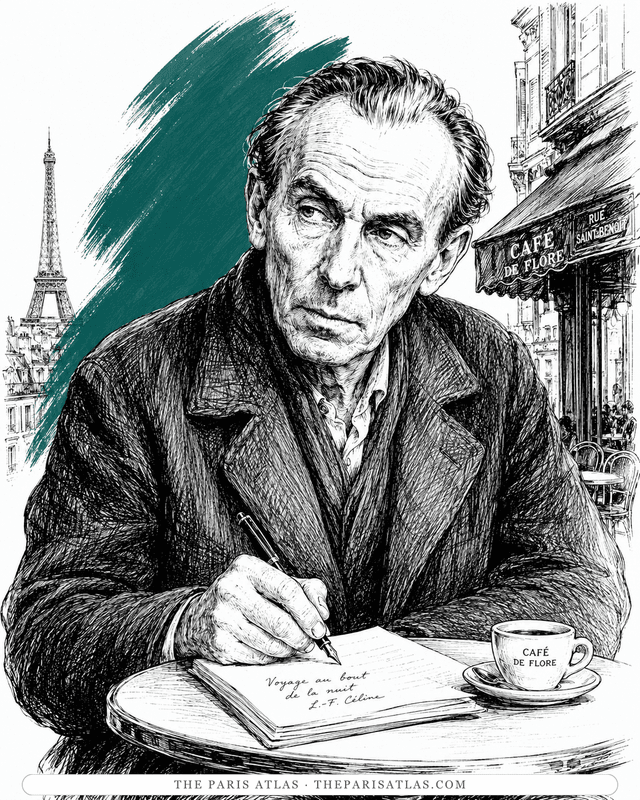
The doctor of the Paris slums who wrote the century's blackest, funniest novel — and changed the sound of French prose.
View author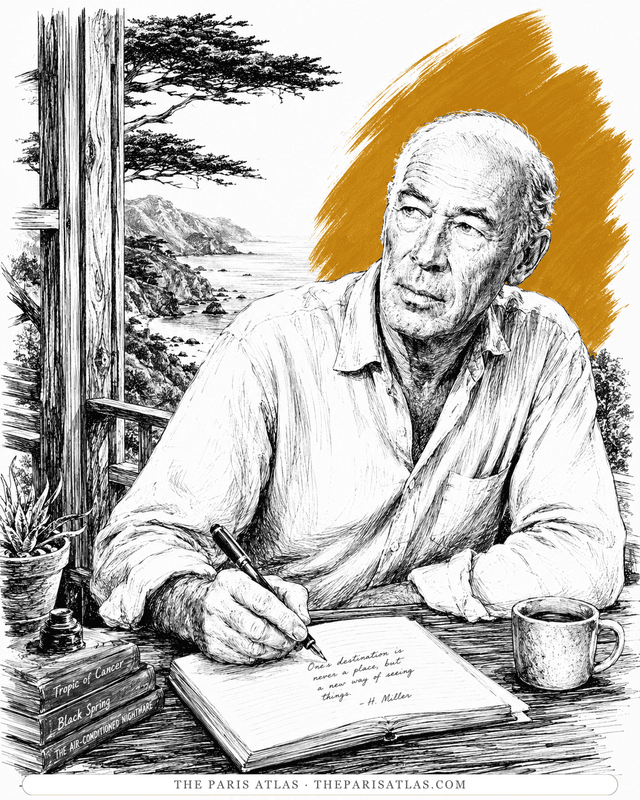
The Brooklyn dropout who arrived in Paris broke at thirty-eight and wrote the exuberant, banned books that ended American censorship.
View author
War correspondent who covered the Spanish Civil War, D-Day, and conflicts across five more decades; Hemingway's third wife, 1940–1945.
View authorThe sources below include the primary text, editions, scholarship, archival materials, and other records that informed this page. They document Up Above the World, its publication, and its place in literary history.

The Library of America volume that collects the novel, and the authority for its place in the sequence of Bowles's work.
The Library of America's author record.

The scanned copy of the novel read for the character profiles on this page; every depiction card is quoted from it.
Edition records for the first American and British printings and the later paperbacks.
The primary text is the baseline reference for every book page. Additional references document publication history, interpretation, and historical context where that evidence is available.
 Explore more resources