
Grove Soto
A rich, charming young man who has his mother killed and then sets about erasing the two witnesses. Called Vero through much of the book.
An eternally empty schedule, maximum liberty to make sudden decisions, and no one left alive who might complicate either.
The book

At a glance
- Vero
- Señor Soto
- Mrs. Rainmantle
- Luchita, and her son Pepito
- Includes Paloma, the housemaid
Who they are in the book
Spoiler-freeGrove Soto is young, wealthy, and extremely good company. He is the son of Señor Soto, who supplies the money, and he lives in the capital with Luchita, who supplies what he describes to himself as pleasure. Bowles calls him Vero through much of the text.
He had his mother, Mrs. Rainmantle, killed with curare in a hotel room, and covered it with a fire. His problem for the rest of the book is not guilt but information: he cannot work out how much the Slades saw, and so he invites them somewhere quiet and goes to work on their memories.
What makes him frightening is how ordinary his wants are. He wants his days to resemble one another. He wants nobody making demands. The murder and the drugging are housekeeping — the removal of interruptions from a schedule he intends to keep empty.
How Grove Soto Is Portrayed
- The empty scheduleHe has arranged his life to "form and maintain his present life was an eternally empty schedule in which he would enjoy the maximum liberty to make sudden decisions. He wanted the basic pattern of each day to be as much as possible like that of the one before it."
- Money from one, pleasure from the otherHis father and Luchita "in all innocence did interfere occasionally with the smooth functioning of his personal pattern… the one supplied him with money and the other with pleasure. But as a permanent situation it was unacceptable."
- Thorny, imported and keptHe had encouraged Thorny "to forsake Canada and come to live in the capital" — a friend from student days, "quick, intuitive, and appreciative of every facet of Grove's personality (without, however, being easy to manipulate)".
- The calming apparatus"However, when he had set the calming apparatus in motion he became untalkative. Thorny knew all about it; he had noticed that the functioning of the device made Grove silent and morose."
- Assumed infallibilityDuring those operations "Grove assumed certain attributes of superhumanity; there was no question of his infallibility at such times" — and Thorny, knowing it, braced for an unpleasant journey.
- How he keeps ThornyThorny's monthly income "was barely sufficient to pay for a cheap apartment and the simple food he ate in it", so he was always ready to accept an invitation — and the more involved the expedition, the more money Grove had left when he returned.
If you like Up Above the World


If you like Paul Bowles
Explore authors with a similar voice, perspective, and influence.
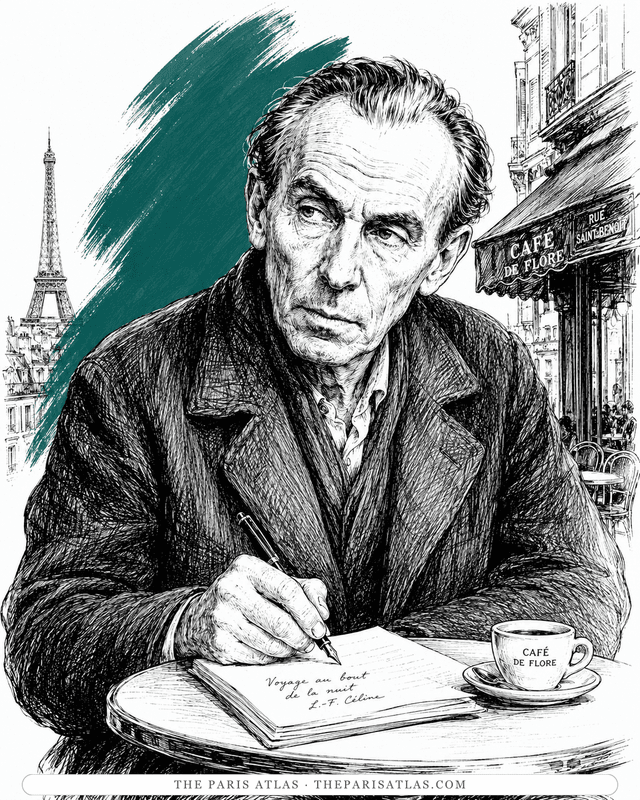
Louis-Ferdinand Céline
The doctor of the Paris slums who wrote the century's blackest, funniest novel — and changed the sound of French prose.
View author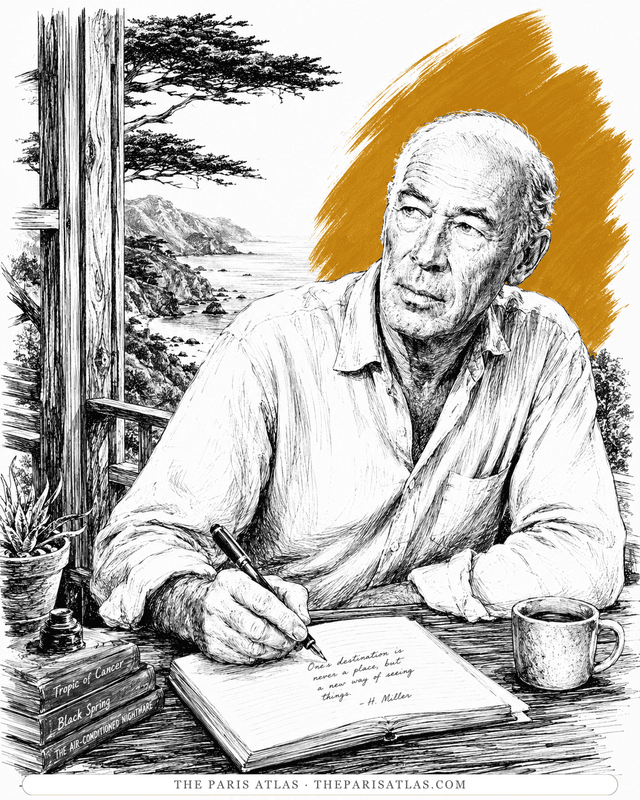
Henry Miller
The Brooklyn dropout who arrived in Paris broke at thirty-eight and wrote the exuberant, banned books that ended American censorship.
View author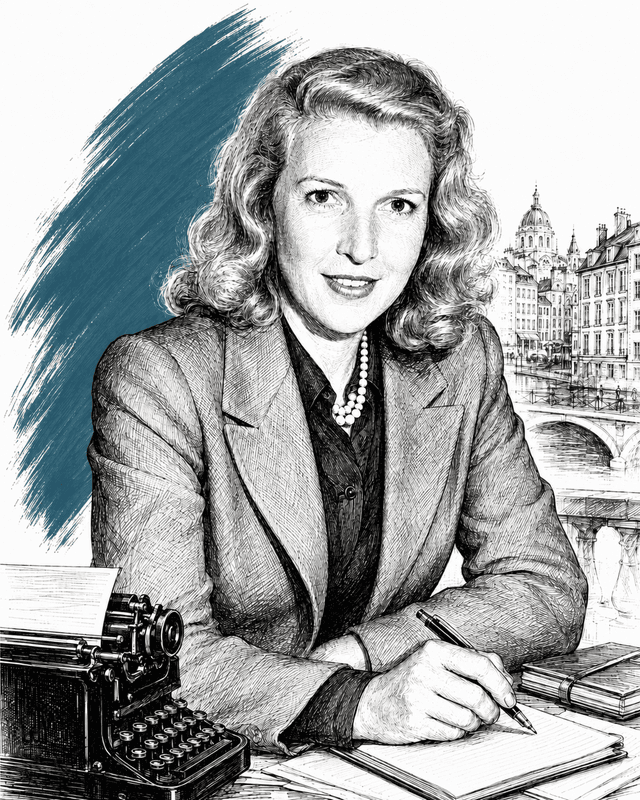
Martha Gellhorn
War correspondent who covered the Spanish Civil War, D-Day, and conflicts across five more decades; Hemingway's third wife, 1940–1945.
View author