Natasha Rostova
The youngest Rostov daughter, all life and feeling, who is engaged to Andrew, nearly runs off with Anatole, and ends the book as Pierre's wife.
She wants to be loved and to love, now, without waiting a year for anyone.
The book
War and Peace
Leo Tolstoy
Who they are in the book
Spoiler-freeNatasha is thirteen when the book opens and in her twenties when it ends. She sings, dances, falls in love easily and feels everything at full strength.
Her one great mistake, with Anatole Kuragin, nearly destroys her. The war, her brother's death and Andrew's slow dying make her grow up.
How Natasha Rostova Is Portrayed
- The name-day partyIn Book I she bursts into the drawing room at her mother's name-day party holding her doll, Mimi, and cannot stop laughing.
- At the open windowIn Book VI, Chapter II, Andrew, staying at Otradnoe, hears her at the window above him, too excited by the moonlight to go to sleep.
- Her first grand ballIn Book VI, Chapters XIV to XVI, she goes to her first grand ball in St Petersburg, is nearly left without a partner, and dances with Andrew.
- The dance at Uncle'sIn Book VII, Chapter VII, after a wolf hunt, she dances a Russian folk dance in her uncle's house so exactly that his housekeeper is moved to tears.
- The elopementIn Book VIII, Chapter XVI, she agrees to leave with Anatole Kuragin in a troika at night. Her godmother's household stops it.
- The cartsIn Book XI, Chapter XVI, as the family leaves Moscow, she makes her parents unload their furniture so the carts can carry wounded soldiers.
Natasha Rostova quotes
Where, how, and when, from the Russian air she breathed, had this young countess, educated by an émigrée French governess, imbibed that spirit and obtained that manner, which the pas de châle might long ago have effaced?
After Andrew's death and her brother Petya's, Natasha nearly gives up on life. She meets Pierre again in Moscow and they marry. In the first epilogue she is a busy mother, no longer interested in society, and devoted to her husband and children.
If you like War and Peace


If you like Leo Tolstoy
Explore authors with a similar voice, perspective, and influence.
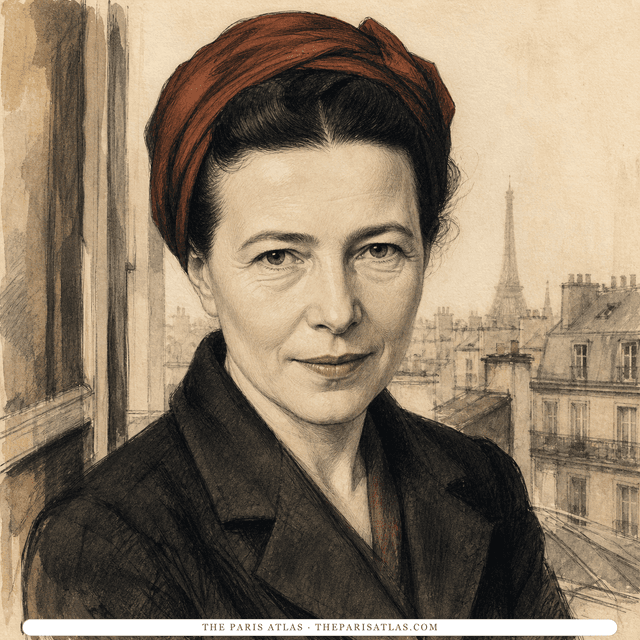
Simone de Beauvoir
French writer and philosopher whose novels, memoirs, and social analysis examined freedom, gender, responsibility, aging, and the material conditions that shape a life.
View author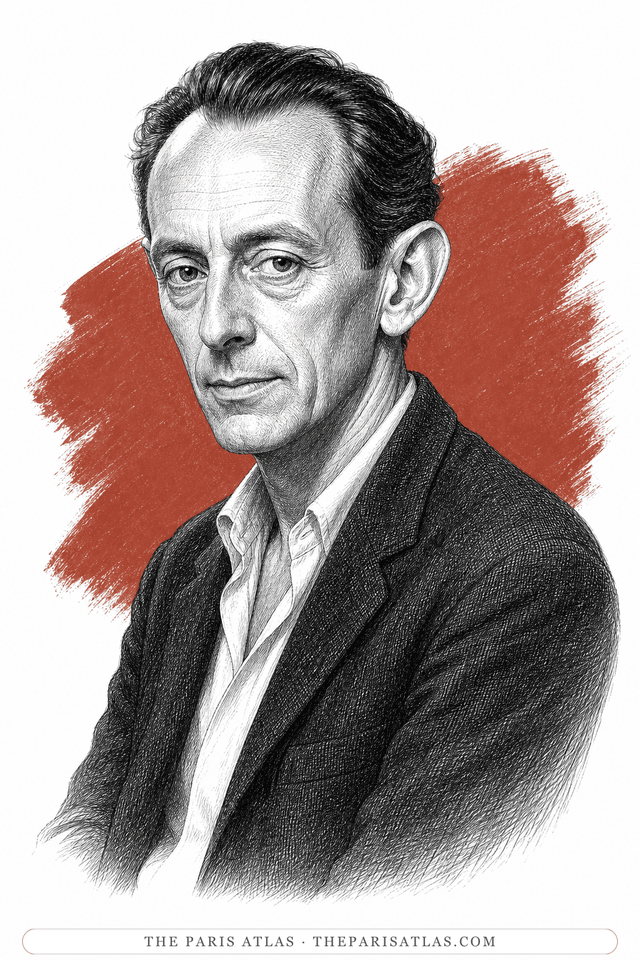
Paul Bowles
American novelist and composer whose expatriate fiction explores dislocation, unstable intimacy, fatalism, and North Africa.
View author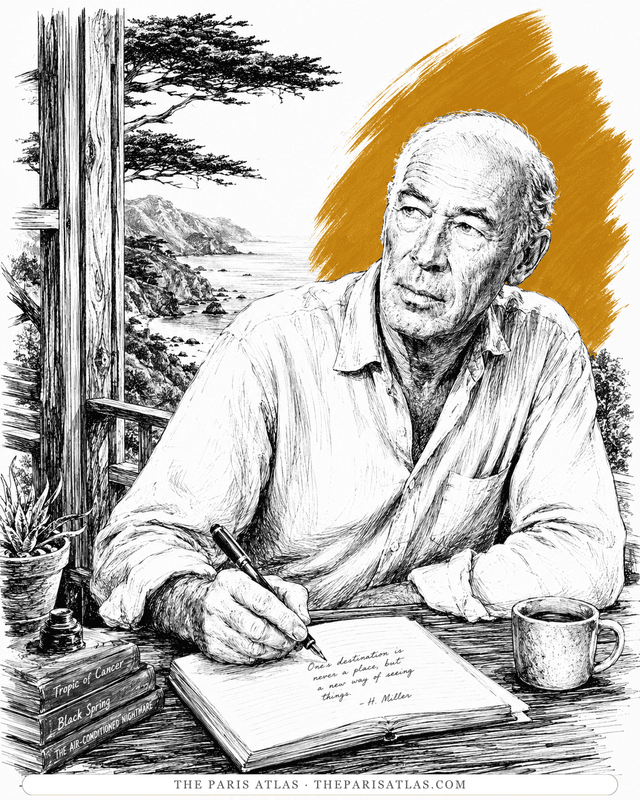
Henry Miller
The Brooklyn dropout who arrived in Paris broke at thirty-eight and wrote the exuberant, banned books that ended American censorship.
View author