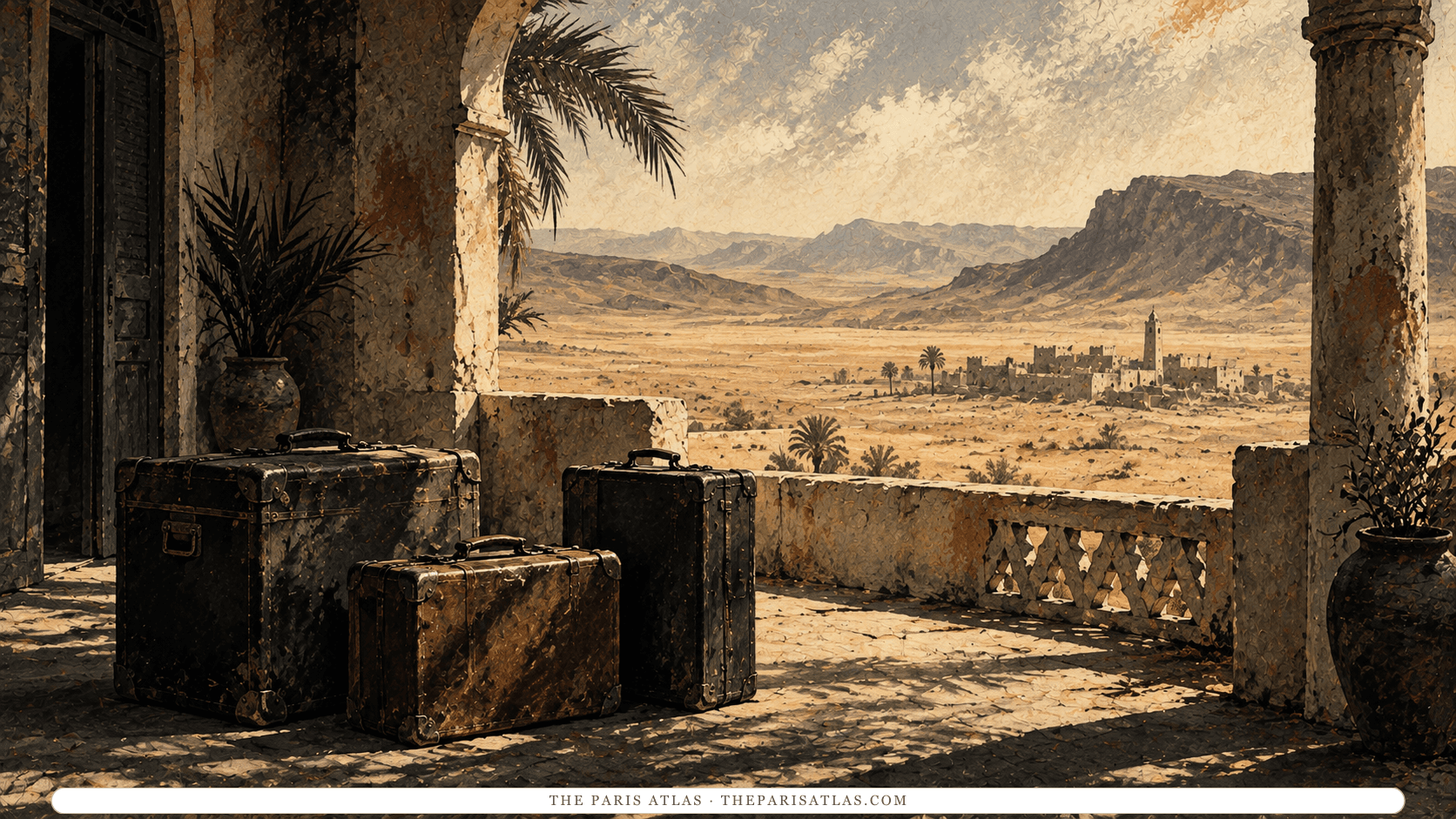

Books like The Sheltering Sky

The Sheltering Sky follows three Americans traveling through North Africa as though getting farther from home might somehow change who they are. Port and Kit’s marriage is already fraying, and the deeper they move into the desert, the less protection they seem to have from loneliness, illness, desire, and chance. Bowles writes all of this in cool, beautiful prose that rarely tells you how to feel, which makes the sense of dread even stronger. If you want more books about alienated travelers, failing relationships, unfamiliar landscapes, existential unease, and people discovering that escape can become its own kind of trap, start here.
What readers love about The Sheltering Sky
- Travelers going somewhere increasingly unfamiliar and losing their sense of control
- A marriage quietly falling apart beneath the surface of the journey
- Bowles’s cool, detached way of writing about fear, sex, loneliness, and death
- Heat, desert, hotels, trains, cafés, and landscapes that seem almost indifferent to the people inside them
- The feeling that going far enough away from home might expose something you cannot put back

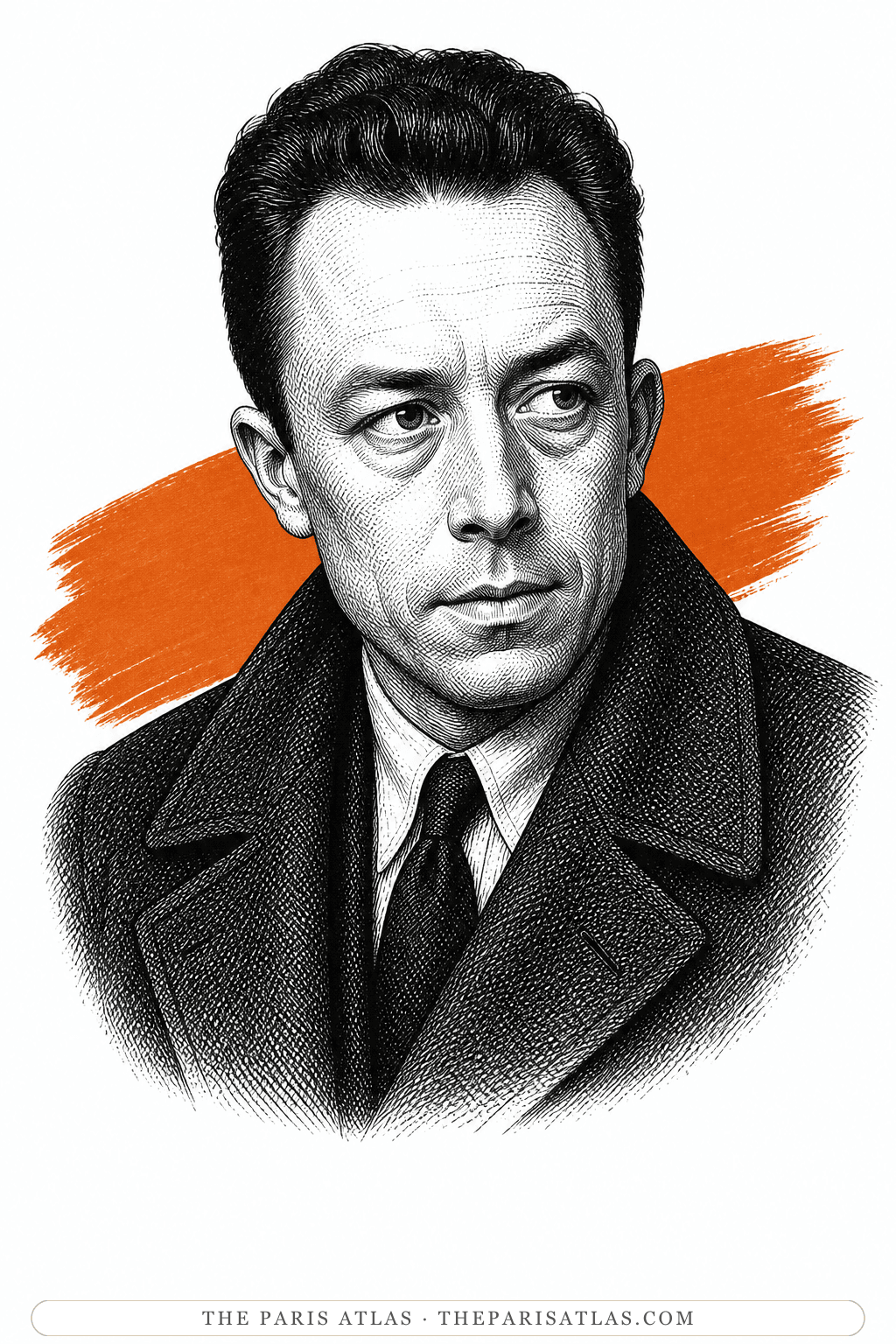
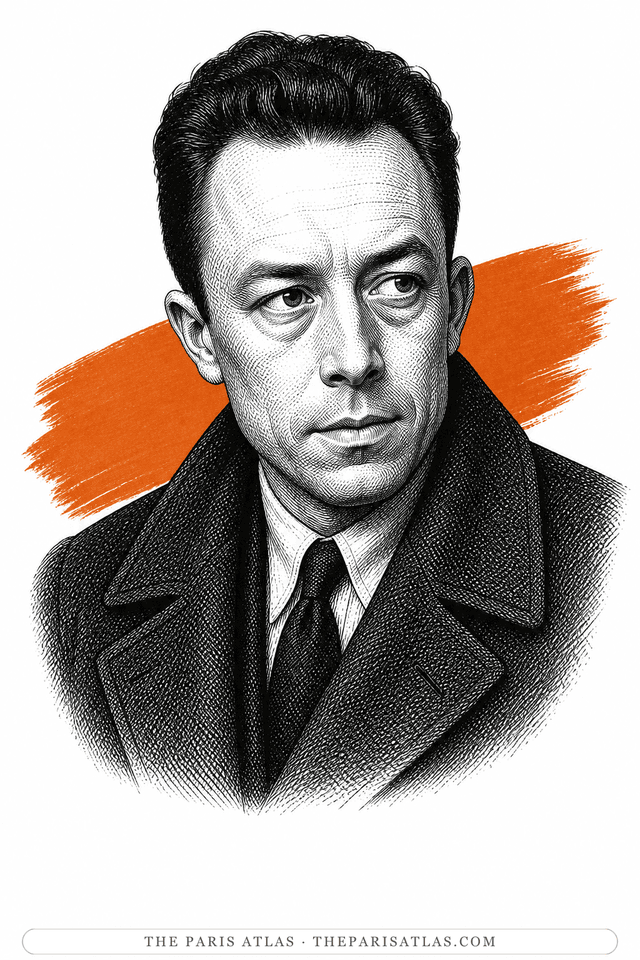
Camus also gives you North Africa through a narrator who seems strangely detached from events that should overwhelm him. Sun, heat, sex, death, and chance are described in short, plain sentences without much explanation of what they are supposed to mean. There is no unraveling marriage or long journey, but if Bowles’s emotional coolness and sense that the universe is fundamentally indifferent were what stayed with you, this is the natural next book.
About the author
French Algerian novelist, essayist, journalist and playwright who used the absurd and revolt to ask how people should live without false consolation.
Read about Camus
A newly married Frenchman travels to North Africa after becoming seriously ill and begins discovering desires that make his old life increasingly difficult to return to. Like Port and Kit, Michel and his wife travel through beautiful places while something inside the relationship quietly changes beyond repair. Gide is more openly philosophical than Bowles, but the combination of travel, sexuality, illness, freedom, and moral disorientation is remarkably close.
About the author
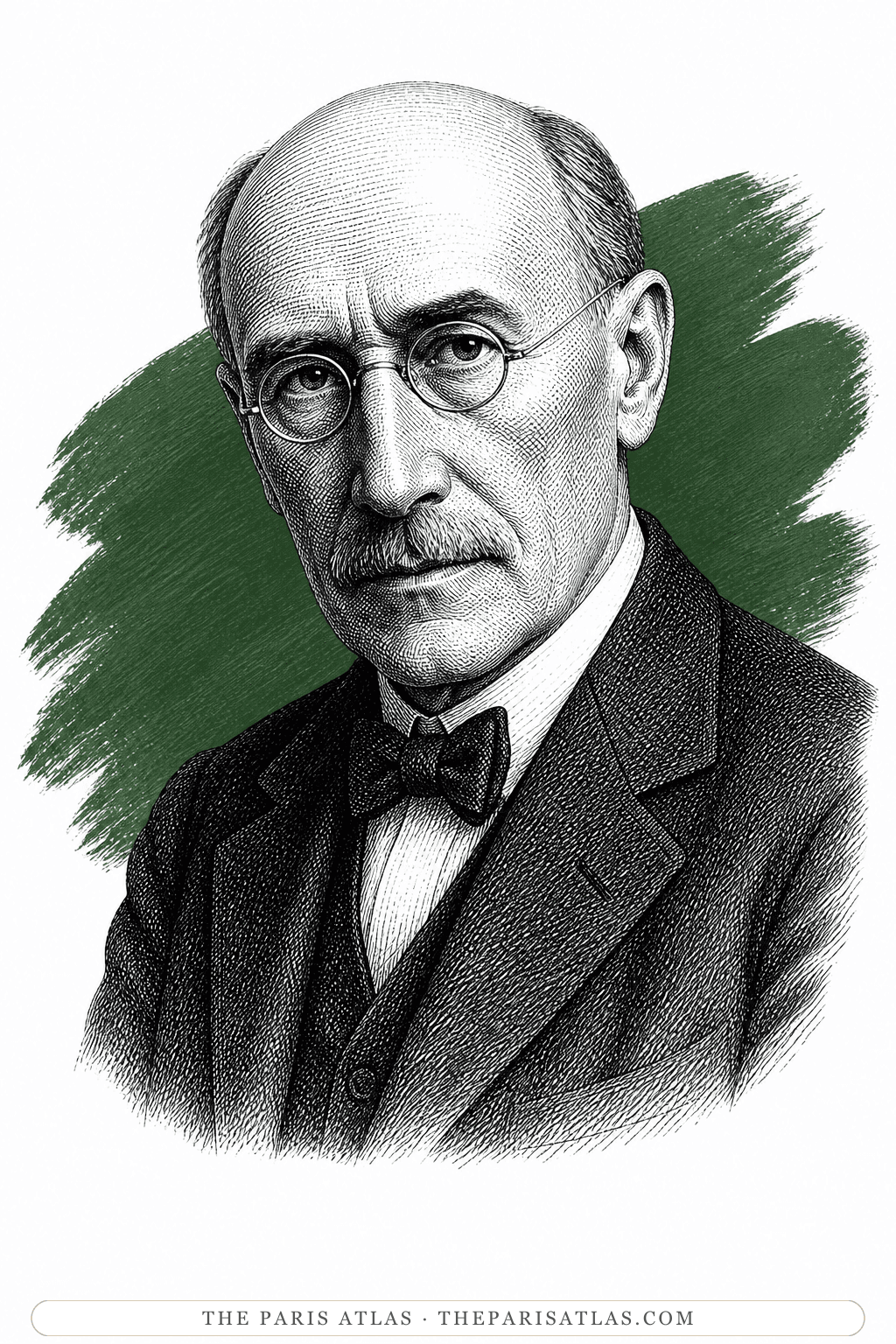
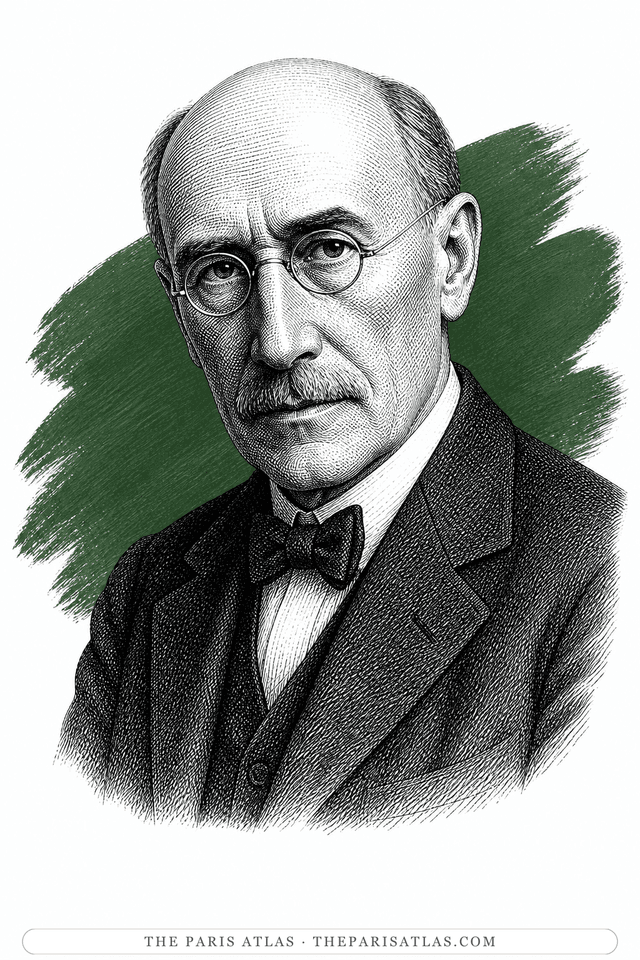
French novelist and essayist, Nobel laureate 1947, co-founder of the Nouvelle Revue Française and one of the most influential French writers of the first half of the twentieth century. Camus regarded him as the French moralist whose responsibility-of-the-writer position his own 1957 Nobel lecture deliberately echoed.
Read about Gide
An American arrives in Tangier hoping that a new country might offer a different kind of life and instead becomes increasingly entangled in drugs, money, crime, sex, and people he does not understand nearly as well as he thinks he does. Bowles brings the same detached prose and fascination with foreigners losing their bearings. If what you want after The Sheltering Sky is simply more of Bowles watching an outsider drift toward disaster, this is the obvious choice.
About the author
American novelist and composer whose expatriate fiction explores dislocation, unstable intimacy, fatalism, and North Africa.
Read about Bowles
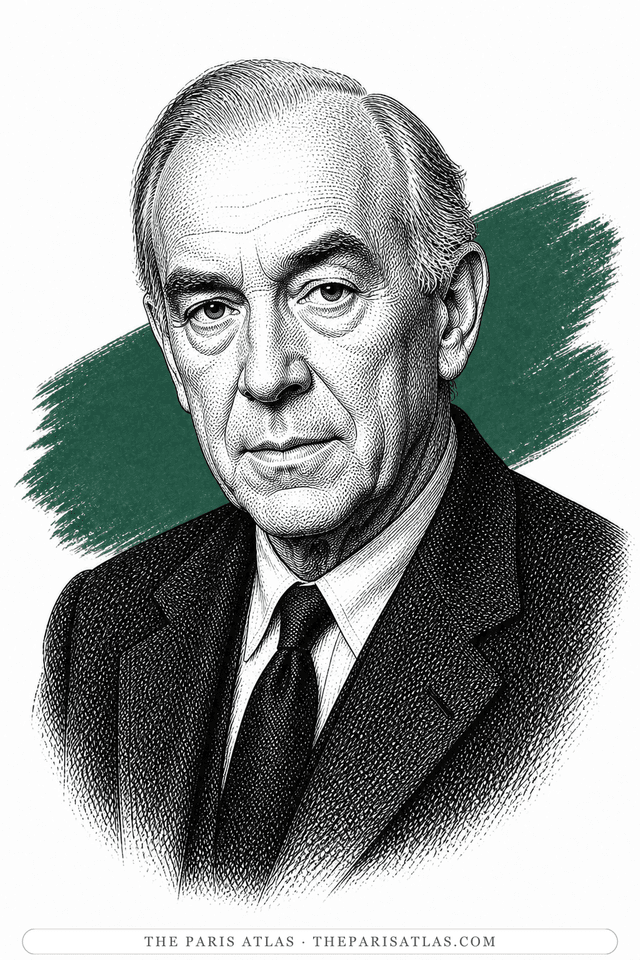
In colonial Vietnam, a weary British journalist becomes entangled with a young American whose certainty about politics and morality proves far more dangerous than his innocence initially suggests. Greene is more political than Bowles, but both novels are skeptical of Westerners who arrive in another country believing that being there means they understand it. The prose is controlled, the relationships are damaged, and the atmosphere grows more threatening almost without announcing itself.
About the author
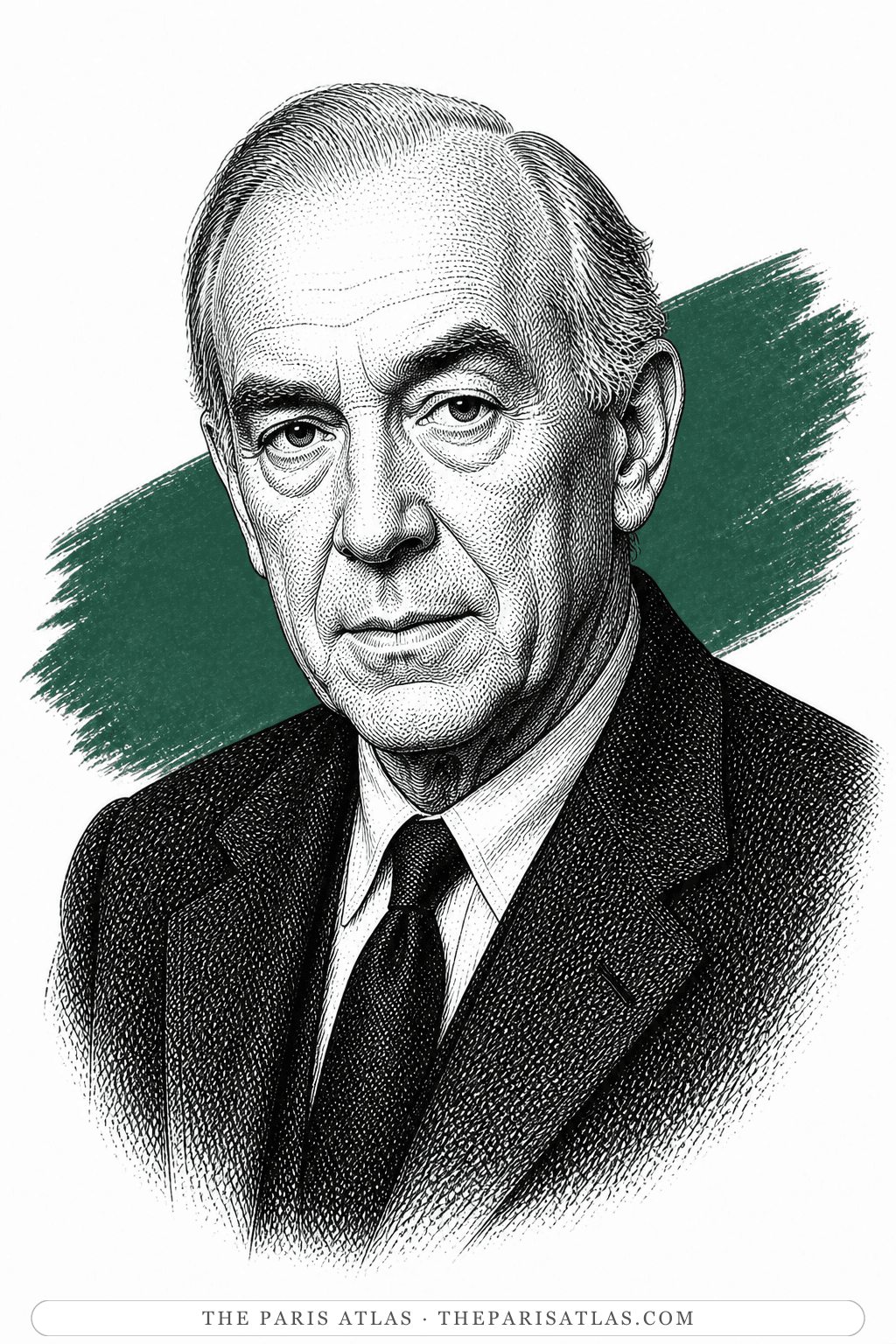
English novelist of guilt and betrayal — Brighton Rock, The Power and the Glory, The Quiet American — who wrote the screenplay for the 1949 thriller The Third Man, spent the Second World War inside British intelligence reporting to Kim Philby, the officer later exposed as a Soviet agent, and lived for twenty-four years in a fourth-floor flat above the harbour at Antibes on the French Riviera, from which in 1982 he accused the courts and police of nearby Nice of corruption.
Read about Greene
A man visiting a remote coastal region becomes trapped in a house at the bottom of a sand pit with a woman whose entire life consists of shoveling back the dunes. The situation is stranger than anything in Bowles, but the sensation is eerily similar: heat, sand, isolation, sex, physical vulnerability, and a landscape that seems completely indifferent to human plans. If the desert in The Sheltering Sky felt almost like another character, read this.
About the author
 Kōbō Abe
Japanese novelist whose surreal, exact fiction places alienated people inside landscapes and systems they cannot escape.

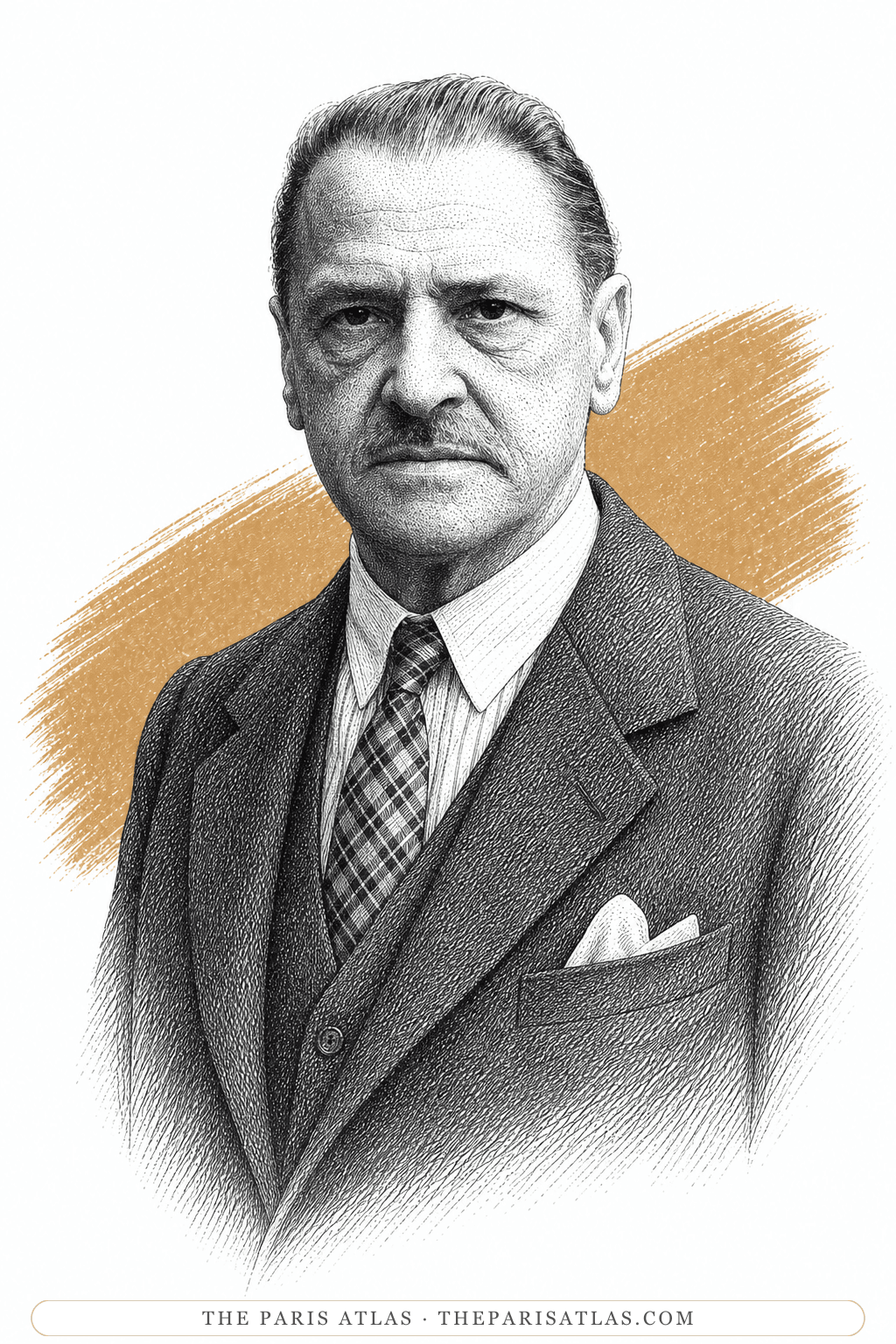
After discovering his wife’s affair, a British bacteriologist takes her with him into inland China during a cholera epidemic. Their marriage has already gone wrong before the real journey begins, and the unfamiliar landscape strips away many of the assumptions they had about themselves and each other. Maugham is more conventional and compassionate than Bowles, but the combination of travel, adultery, illness, resentment, and emotional isolation makes this a strong match.
About the author
 W. Somerset Maugham
English novelist, short-story writer, and playwright whose worldly fiction moves between social comedy, obsession, travel, and spiritual unease.

On the Day of the Dead in Mexico, an alcoholic former British consul moves through one increasingly disastrous day while his estranged wife tries to reach him. The setting is vivid, foreign, hot, and beautiful, yet none of that beauty can save the people inside it from themselves. Lowry’s prose is much denser and more feverish than Bowles’s, but the fatalism, drinking, damaged marriage, expatriate loneliness, and gathering sense of catastrophe are very close.
About the author
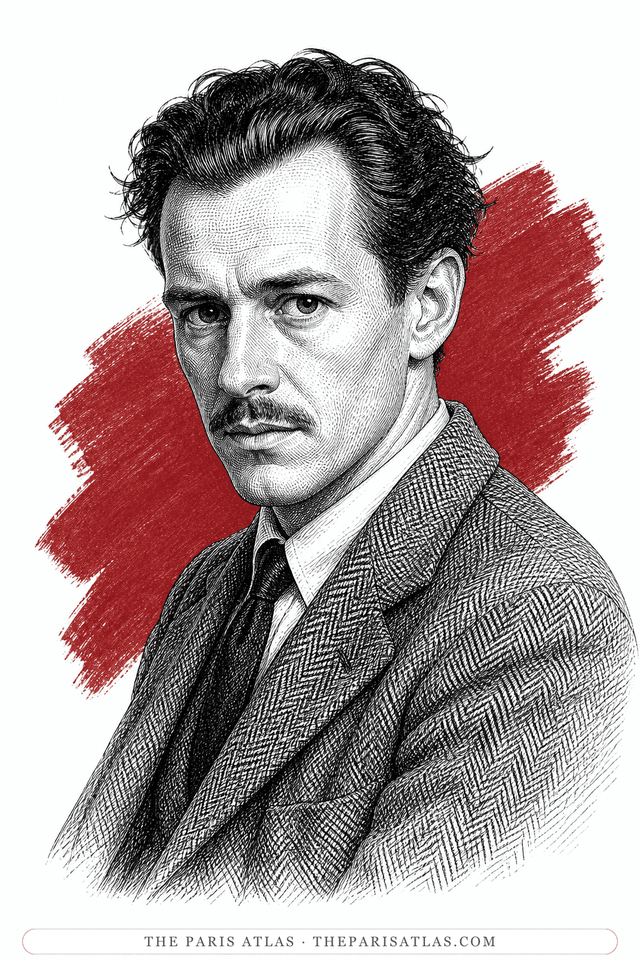 Malcolm Lowry
British novelist best known for Under the Volcano, a dense account of alcoholism, estrangement, and catastrophe in Mexico.

Tom Ripley arrives in Europe and discovers the kind of life he badly wants: cafés, beaches, boats, money, attractive people, and the freedom of being far from home. Then desire turns into something much darker. Highsmith is more plot-driven than Bowles, but she shares his coolness and his talent for placing emotionally strange people inside beautiful foreign settings without telling the reader exactly how disturbed to feel.
About the author
 Patricia Highsmith
American novelist of psychological crime whose charming, amoral outsiders—including Tom Ripley—made desire, identity, deception, and murder disturbingly intimate.

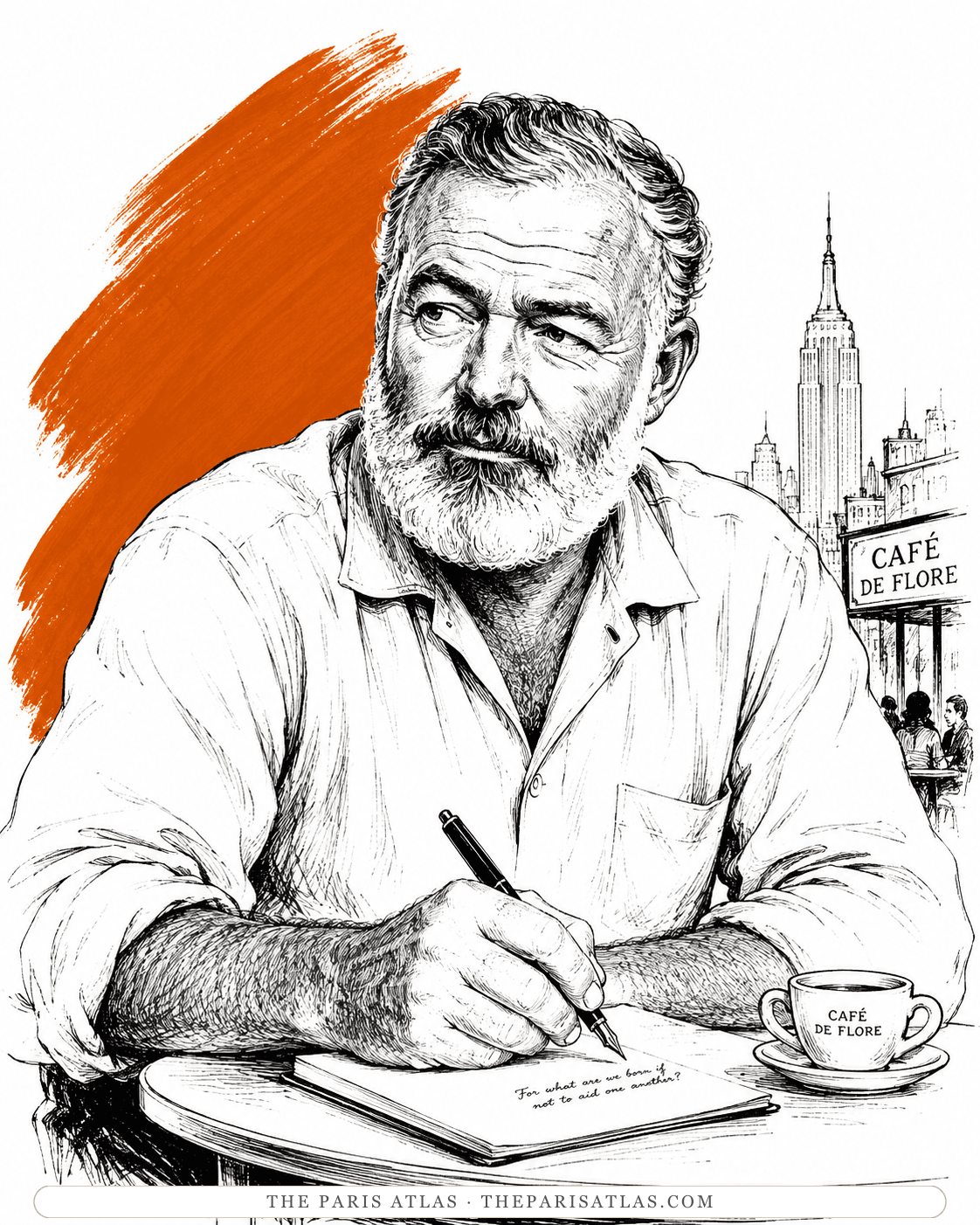
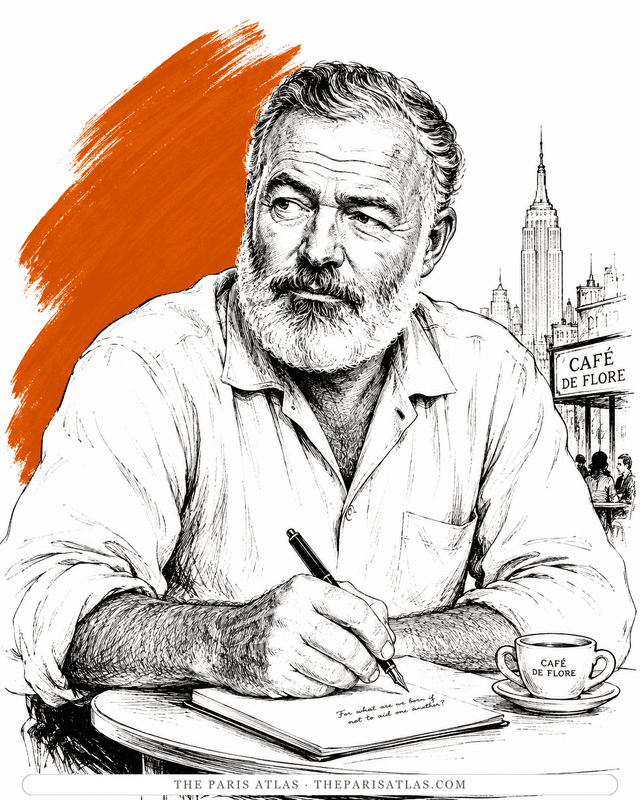
Hemingway’s characters move from Paris to Spain through cafés, hotels, trains, drinking, sex, jealousy, and friendships that are much less stable than everyone pretends. It is livelier and more social than The Sheltering Sky, but underneath the movement is a similar suspicion that travel does not actually allow you to escape yourself. Hemingway’s restraint also makes this a good match for readers who responded to Bowles’s refusal to overexplain emotion.
About the author
Author of The Sun Also Rises and A Moveable Feast; his pared-down style, developed in 1920s Paris, became the most imitated in American prose.
Read about Hemingway
Set in Fez during political unrest, The Spider’s House brings together Moroccan characters and foreign observers whose ideas about the country increasingly collide with what is actually happening around them. It is broader and more political than The Sheltering Sky, but it has the same fascination with cultural distance, misunderstanding, isolation, and the limits of what an outsider can ever truly know about another place.
About the author
American novelist and composer whose expatriate fiction explores dislocation, unstable intimacy, fatalism, and North Africa.
Read about Bowles
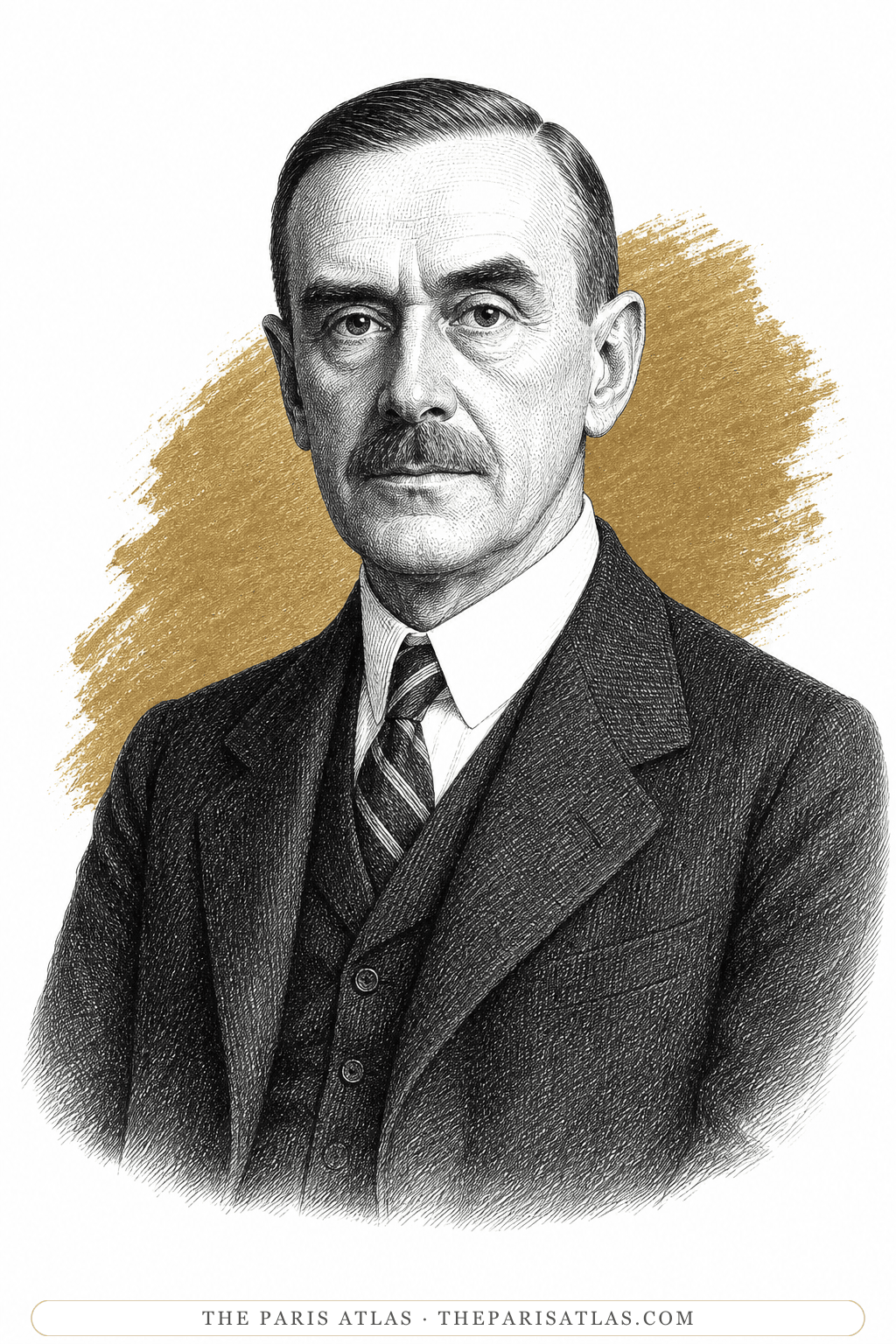
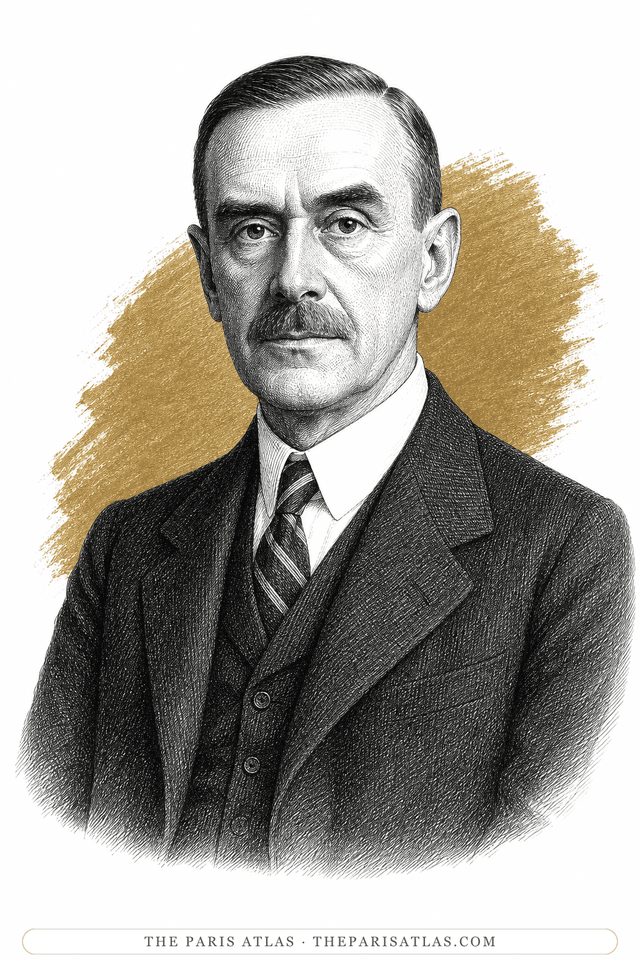
An aging writer travels to Venice hoping for rest and becomes obsessed with a beautiful young boy while the city around him grows hotter, stranger, and increasingly diseased. Mann is more ornate than Bowles, but the basic movement is familiar: someone leaves home, enters an unfamiliar environment, and gradually loses the structures that normally keep desire and fear under control. The beautiful destination becomes inseparable from the possibility of death.
About the author
German novelist whose fiction studies desire, illness, art, and the collapse of disciplined identities.
Read about Mann
A woman leaves home for a southern European city and moves through hotels, shops, strangers, and chance encounters with an unnerving sense that she knows where all of it is heading. Spark’s prose is cold, exact, funny, and almost frighteningly controlled. Like Bowles, she can describe bizarre or terrible behavior without leaning over to explain it, and the distance between the calm sentences and the catastrophe underneath them is a huge part of the effect.
About the author
Scottish novelist known for cool, exact, darkly comic stories in which catastrophe arrives through controlled prose.
Read about Spark
A British colonial officer in West Africa becomes trapped between his unhappy marriage, an affair, his religious guilt, and a growing conviction that every attempt to spare someone pain only creates more of it. Greene and Bowles both understand how oppressive heat, foreignness, loneliness, and moral exhaustion can close around a person almost imperceptibly. The disaster here is more internal, but the fatalism is just as strong.
About the author
English novelist of guilt and betrayal — Brighton Rock, The Power and the Glory, The Quiet American — who wrote the screenplay for the 1949 thriller The Third Man, spent the Second World War inside British intelligence reporting to Kim Philby, the officer later exposed as a Soviet agent, and lived for twenty-four years in a fourth-floor flat above the harbour at Antibes on the French Riviera, from which in 1982 he accused the courts and police of nearby Nice of corruption.
Read about Greene
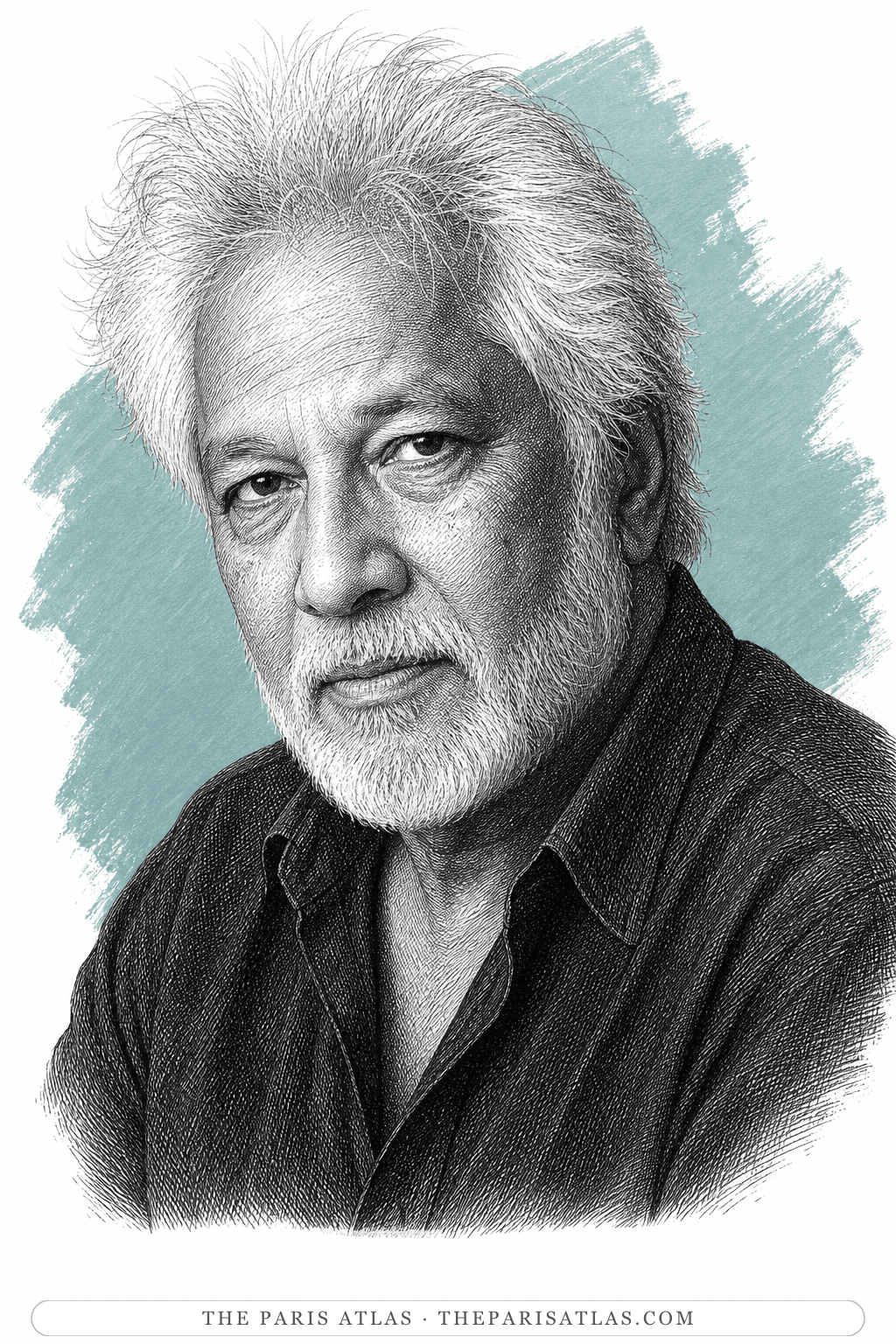
A badly burned man lies in an Italian villa remembering his years exploring the North African desert and the affair that changed his life. Ondaatje is far more lyrical than Bowles, but the books share a fascination with desert travel, foreigners crossing borders, dangerous intimacy, displacement, and landscapes so enormous that ordinary identities begin to seem temporary. Read it if the desert itself was one of the things you loved most about The Sheltering Sky.
About the author
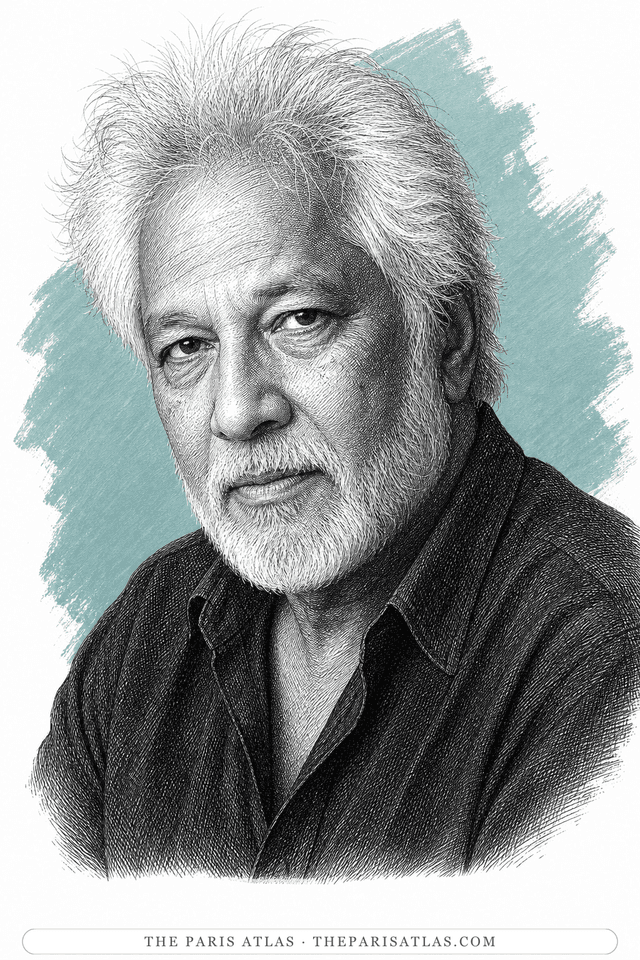 Michael Ondaatje
Sri Lankan-born Canadian novelist and poet whose lyrical fiction moves through war, memory, identity, and fragmented lives.

Duras looks back on a teenage affair in colonial Indochina through heat, money, sex, family shame, river crossings, clothes, rooms, and fragments of memory. It is more broken and intimate than Bowles, but the prose has the same confidence in leaving emotional meaning unstated. If you loved the sensual physical world of The Sheltering Sky — and the way Bowles can make desire, danger, and landscape seem inseparable — this is an exceptionally good next book.
About the author
French novelist and screenwriter, later a director in her own right; her screenplay for Alain Resnais's Hiroshima mon amour (1959) carried the New Wave into literature and earned an Academy Award nomination.
Read about Duras
Salim leaves the East African coast and buys a shop in a remote town in a newly independent country, hoping distance will let him build a different life. Instead, political change, violence, and uncertainty steadily close in around him. Naipaul’s prose is precise and unsentimental, and like Bowles, he watches an outsider discover that being far from home does not mean he understands where he has arrived. It is more political than The Sheltering Sky, but the alienation and gathering dread are very close.
About the author
 V. S. Naipaul
Trinidad-born British novelist whose exact, unsentimental prose examines displacement, empire, identity, and postcolonial societies.

If what you loved most was Bowles’s prose itself, this is essential. These stories return to deserts, travelers, isolated rooms, cultural misunderstandings, and people who realize too late that they are in danger. They are shorter and often more brutal than The Sheltering Sky, but Bowles uses the same calm, exact sentences and the same refusal to explain how the reader should feel. The restraint makes the violence and fear much more disturbing.
About the author
American novelist and composer whose expatriate fiction explores dislocation, unstable intimacy, fatalism, and North Africa.
Read about Bowles








References
The sources below include the primary text, editions, archives, and critical context used to establish what distinguishes The Sheltering Sky.


1The Sheltering Sky — Open Library ISBN catalogue
Official recordOpen Library, Internet ArchiveUsed forOfficial record used to verify names, dates, institutional details, or other factual information on this page.
2The Sheltering Sky — Google Books edition record
Official recordGoogle BooksUsed forOfficial record used to verify names, dates, institutional details, or other factual information on this page.
3The Sheltering Sky — Internet Archive ISBN catalogue
Official recordInternet ArchiveUsed forOfficial record used to verify names, dates, institutional details, or other factual information on this page.
4The Sheltering Sky — Library of Congress books catalogue
Official recordLibrary of CongressUsed forOfficial record used to verify names, dates, institutional details, or other factual information on this page.
These references support the guide's description of the comparison book. The read-alike matches themselves are editorial recommendations, explained individually above.
 Explore more resources
Newsletter
Tell us what you loved, and we'll find your next book.
Every Friday: one recommendation, the reasons it earns your time, and what to read after it. Reply with your last favorite and we'll answer.