Clarence
The page Hank meets on his first day at Camelot, who becomes his right-hand man, his newspaper editor and the last witness to his story.
He wants to be useful to Hank and to have fun doing it.
The book
A Connecticut Yankee in King Arthur's Court
Mark Twain
Who they are in the book
Spoiler-freeClarence is Hank's only friend at the start and his most loyal helper at the end. He learns everything Hank teaches him, from telegraphy to journalism, but never quite loses his taste for a joke. His real name is Amyas le Poulet. Hank simply renames him.
How Clarence Is Portrayed
- The first friendly faceIn Chapter II he tells Hank the year is 528 and explains that he is Sir Kay's prisoner, to be shown off at the Round Table.
- Frightened by magicIn Chapter V Hank calls him the only friend he has got. When Hank threatens to use magic of his own, Clarence drops to his knees in terror.
- Head executive at twenty-twoIn Chapter X Hank calls him his right hand, able to turn his hand to anything, and starts training him to run a small weekly newspaper.
- A new nameIn Chapter XIII Hank sends a message to Amyas le Poulet, whom I call Clarence. Hank never uses the real name again.
- A royal family of catsIn Chapter XL he proposes replacing kings with cats. He argues that cats would hang nobody and cost nothing, then ends with a cat's howl.
- Reading Malory as newsIn Chapter XLII he reports the last battle between Arthur and Mordred by reading out a war correspondent's dispatch, written in Malory's own words.
Clarence writes the postscript in Chapter XLIV. He records that Merlin put Hank to sleep, and he expects to die with the others in the cave, poisoned by the air from the dead.
If you like A Connecticut Yankee in King Arthur's Court


If you like Mark Twain
Explore authors with a similar voice, perspective, and influence.
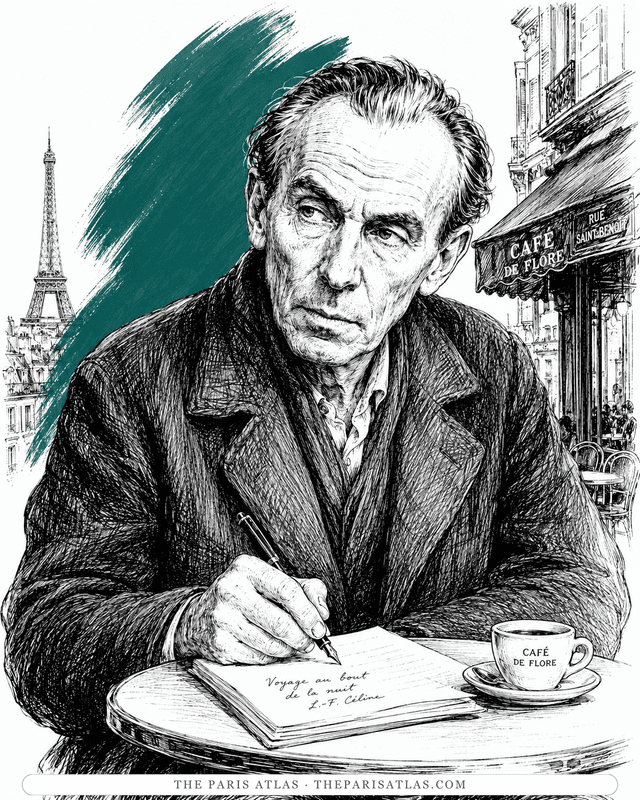
Louis-Ferdinand Céline
The doctor of the Paris slums who wrote the century's blackest, funniest novel — and changed the sound of French prose.
View author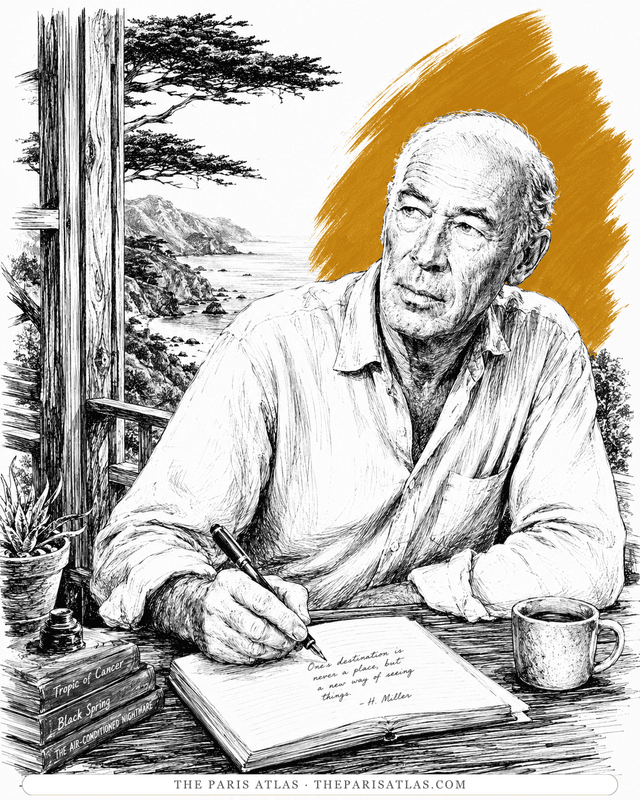
Henry Miller
The Brooklyn dropout who arrived in Paris broke at thirty-eight and wrote the exuberant, banned books that ended American censorship.
View author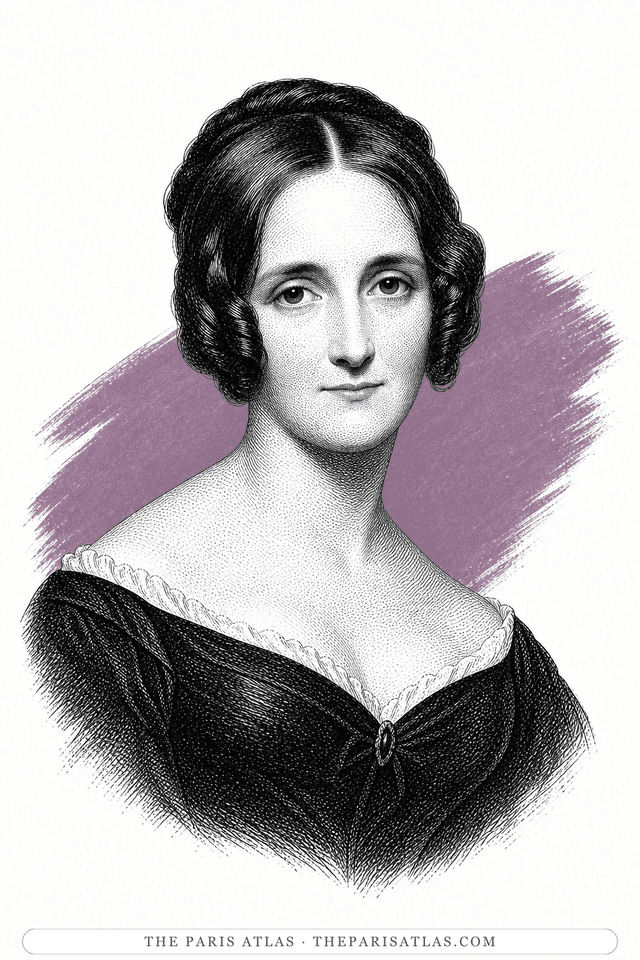
Mary Shelley
The author of Frankenstein, who first saw Paris at sixteen as a runaway. In the summer of 1814 she crossed from England to Calais with the poet Percy Bysshe Shelley and her stepsister Claire Clairmont, spent a week trapped in an expensive Paris hotel with no money, then bought a donkey and walked south-east across a France still wrecked by the Napoleonic wars. That journey became her first published book. Two years later, on a lake in Switzerland, she began her second.
View author