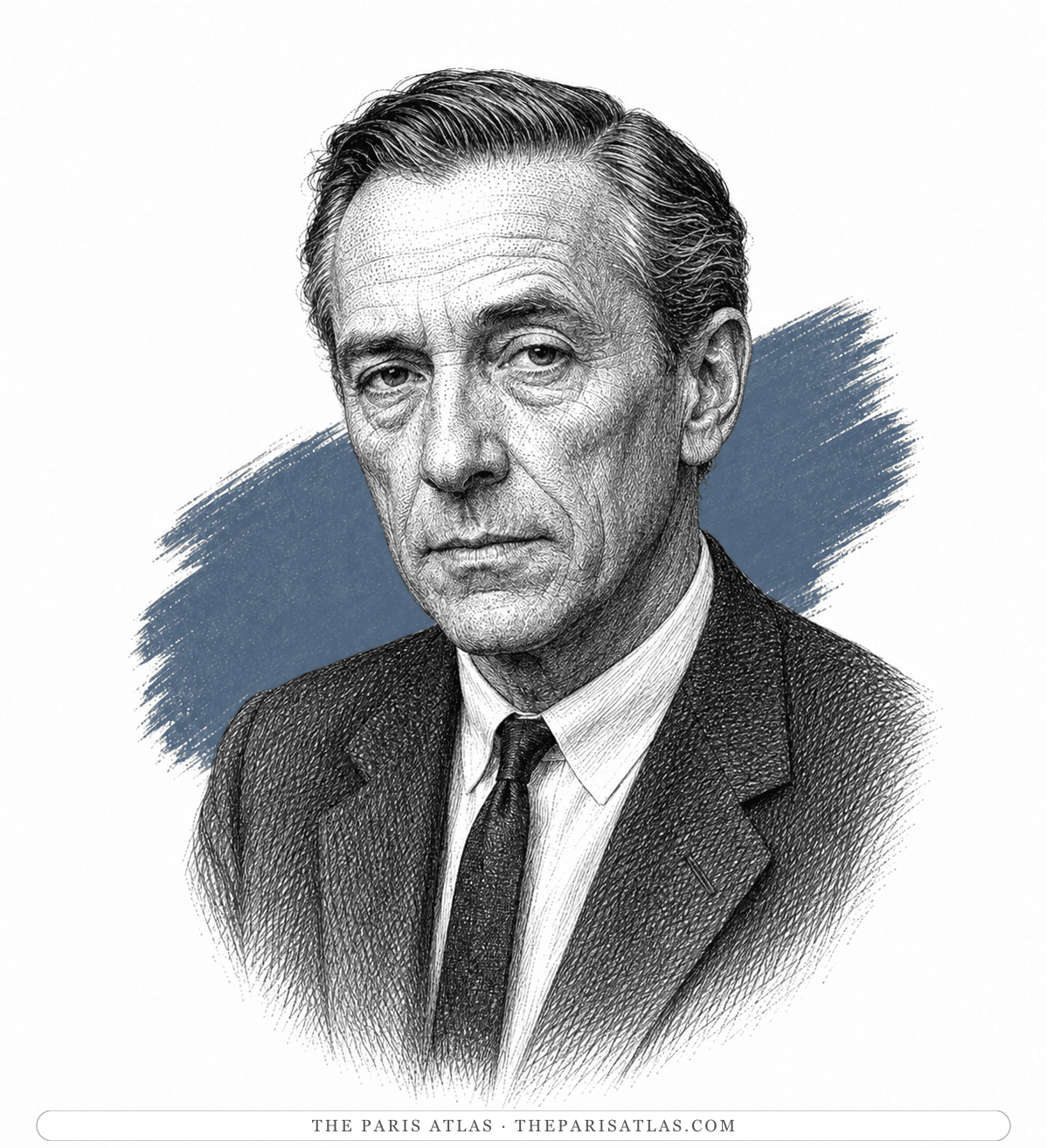
George
A fifty-eight-year-old English professor trying to function after the death of his partner, Jim.
To continue functioning without surrendering his autonomy, and to find moments that still make life feel immediate.
The book

Who they are in the book
Spoiler-freeGeorge is a middle-aged English professor living in suburban Southern California in 1962. His day is shaped by grief for Jim and by the effort to perform a coherent public self.
He can be perceptive, funny, lustful, tender, snobbish, and cruel within the same hour. The novel does not make bereavement erase the difficult parts of his character.
How George Is Portrayed
- Carefully groomedDress and routine help assemble the professor his public world expects.
- Intelligent and tiredHis attention remains sharp even when grief makes living feel mechanical.
- Privately angryHis inner voice registers exclusion and hypocrisy with abrasive force.
- Still desirousAging has not ended appetite, vanity, or attraction.
- Socially performedDifferent company brings forward a different version of George.
- Pulled toward lifeTeaching, friendship, memory, and curiosity repeatedly interrupt detachment.
After Kenny leaves, George returns to bed and dies from a sudden bodily failure. His death is not suicide and does not complete a plan.
If you like A Single Man


If you like Christopher Isherwood
Explore authors with a similar voice, perspective, and influence.
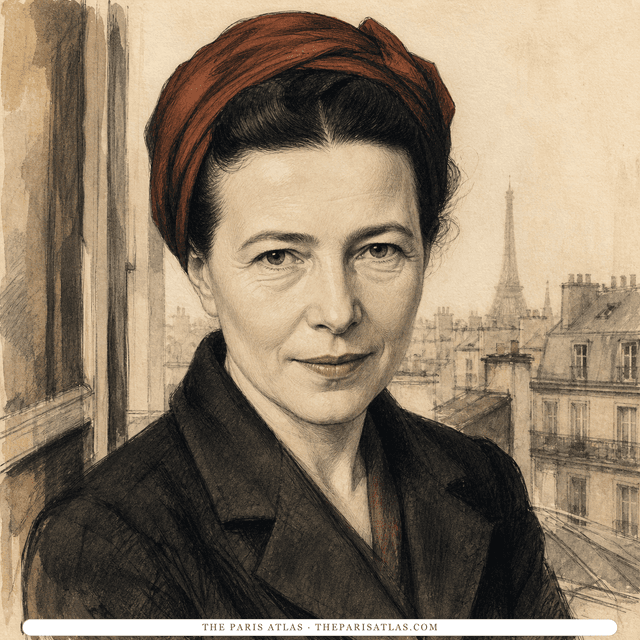
Simone de Beauvoir
French writer and philosopher whose novels, memoirs, and social analysis examined freedom, gender, responsibility, aging, and the material conditions that shape a life.
View author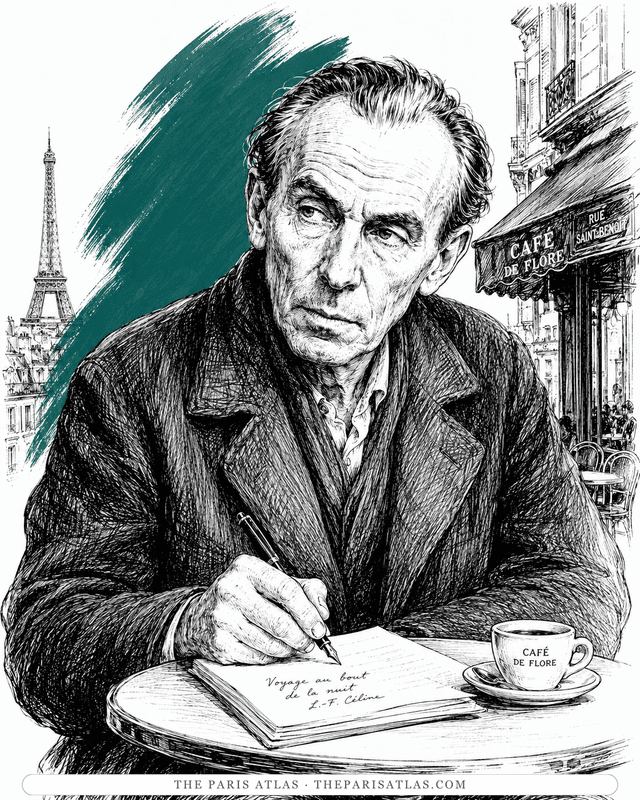
Louis-Ferdinand Céline
The doctor of the Paris slums who wrote the century's blackest, funniest novel — and changed the sound of French prose.
View author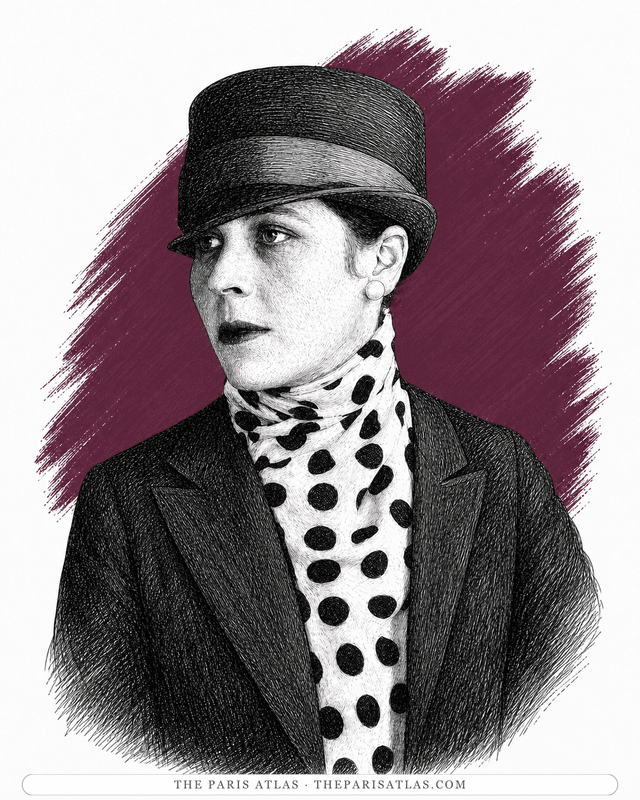
Djuna Barnes
American writer and illustrator (1892–1982). She was a New York newspaper reporter for eight years before she was a novelist, spent the 1920s and 1930s in Paris, and wrote Nightwood, the 1936 novel T. S. Eliot took to Faber and introduced.
View author