
The Strunks and the neighbors
The respectable suburban families George watches with alienation, defensiveness, and reluctant fascination.
To maintain secure, conventional family life in the suburban community.
The book

Who they are in the book
Spoiler-freeThe Strunks and neighboring families represent property, routine, children, and accepted social normality. George’s contempt for them reveals genuine exclusion as well as his own defensive superiority.
How The Strunks and the neighbors Is Portrayed
- TidyLawns, houses, and routines project domestic order.
- ConventionalTheir lives fit the public scripts George’s partnership did not.
- UncomprehendingThey see George without understanding his widowhood.
- Not caricaturesTheir ordinary humanity complicates George’s hostile generalizations.
If you like A Single Man


If you like Christopher Isherwood
Explore authors with a similar voice, perspective, and influence.
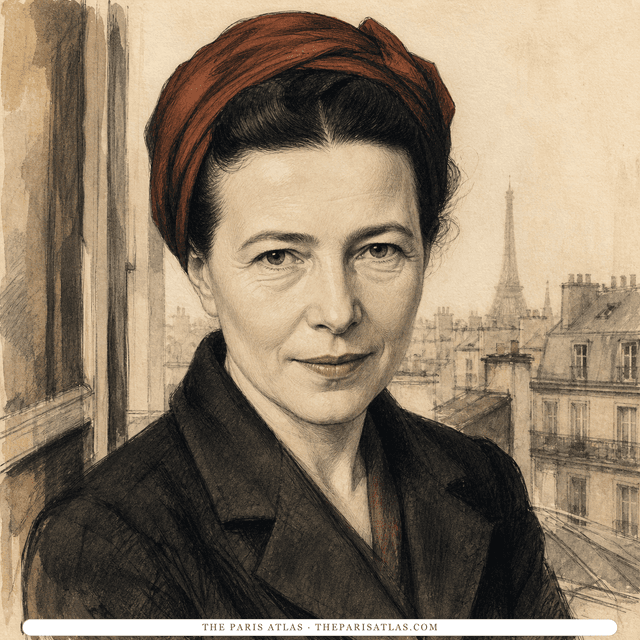
Simone de Beauvoir
French writer and philosopher whose novels, memoirs, and social analysis examined freedom, gender, responsibility, aging, and the material conditions that shape a life.
View author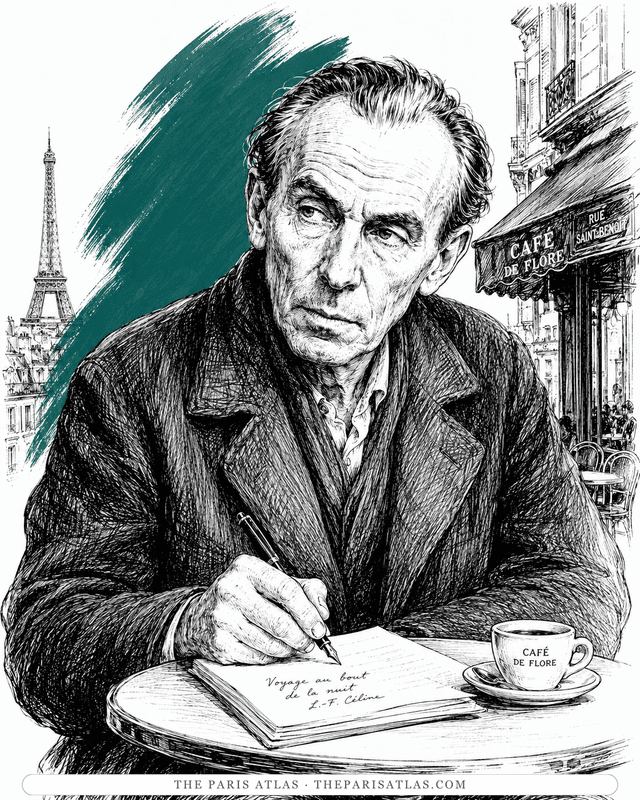
Louis-Ferdinand Céline
The doctor of the Paris slums who wrote the century's blackest, funniest novel — and changed the sound of French prose.
View author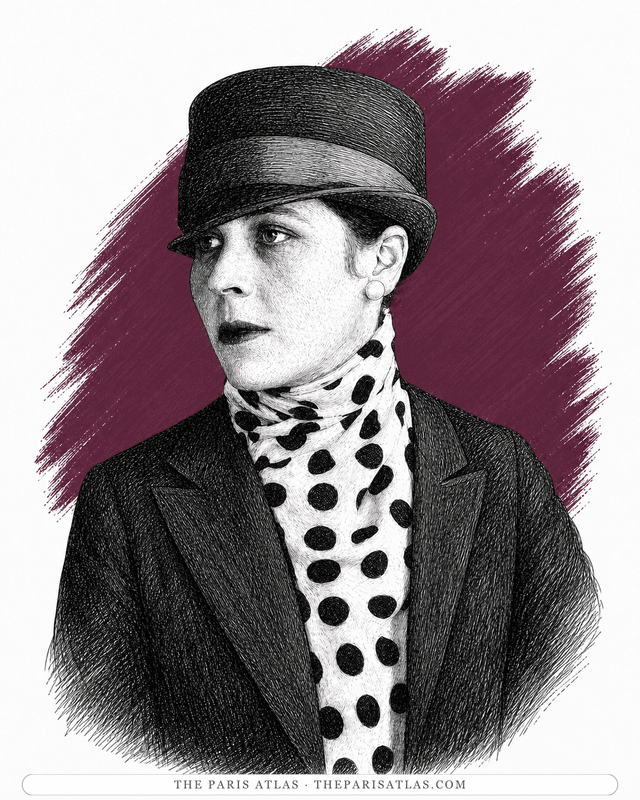
Djuna Barnes
American writer and illustrator (1892–1982). She was a New York newspaper reporter for eight years before she was a novelist, spent the 1920s and 1930s in Paris, and wrote Nightwood, the 1936 novel T. S. Eliot took to Faber and introduced.
View author