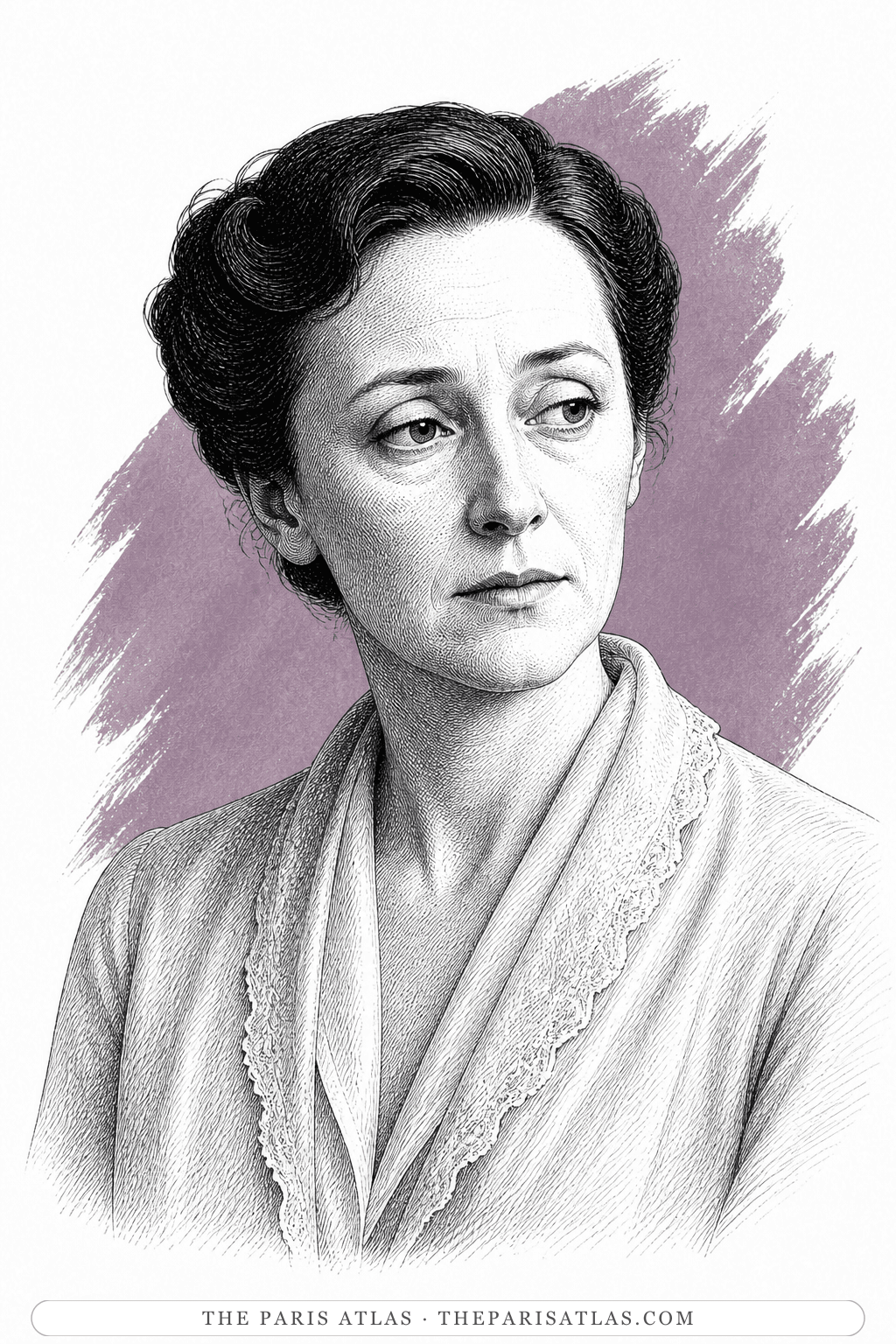
Emily Tallis
Briony's frequently bedridden mother, who maps the house through sounds and assumptions.
To preserve household calm without confronting every conflict that threatens it.
The book

At a glance
- Leon, Cecilia, and Briony
- Jack Tallis
- Recurring migraines
Who they are in the book
Spoiler-freeEmily is mother to Briony, Cecilia, and Leon. Migraines keep her upstairs for much of the hot day, where she listens to the household and believes she can map its movements.
Her sensitivity to sound creates an impression of knowledge that resembles Briony's visual certainty. Both assemble incomplete evidence into a confident household story.
Emily wants calm and family order, but her avoidance leaves class tensions and danger insufficiently examined.
How Emily Tallis Is Portrayed
- Darkened bedroomMigraines remove her from direct observation.
- Listening motherSounds become a map of family life.
- Selective certaintyShe confuses familiarity with full knowledge.
- Household authorityHer judgments still shape the response.
- Maternal preferenceBriony's certainty is easier for her to accept.
- Avoided conflictInertia carries moral consequences.
Emily accepts Briony's account and the class assumptions surrounding it. Cecilia later breaks with the family.
If you like Atonement


If you like Ian McEwan
Explore authors with a similar voice, perspective, and influence.
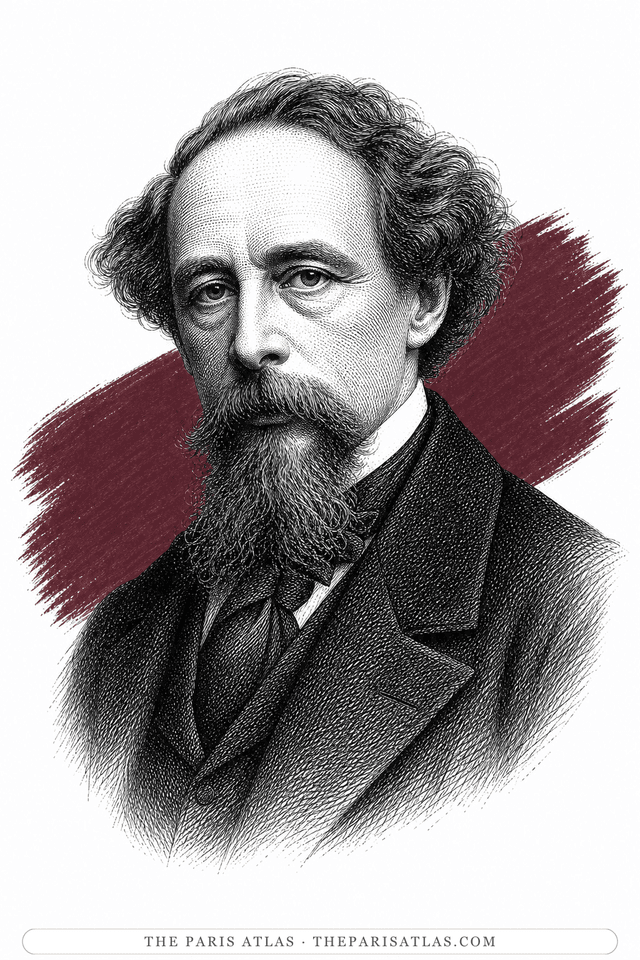
Charles Dickens
The most popular English novelist of the nineteenth century, who was never a Paris resident in the ordinary sense but kept coming back for twenty-five years: one winter in a rented mansion on the rue de Courcelles, a second winter on the Champs-Élysées writing Little Dorrit, repeated compulsive visits to the Paris Morgue — the riverside building where the city displayed its unidentified dead to the public — and a novel of the French Revolution, A Tale of Two Cities, that has shaped how English readers picture Paris ever since.
View author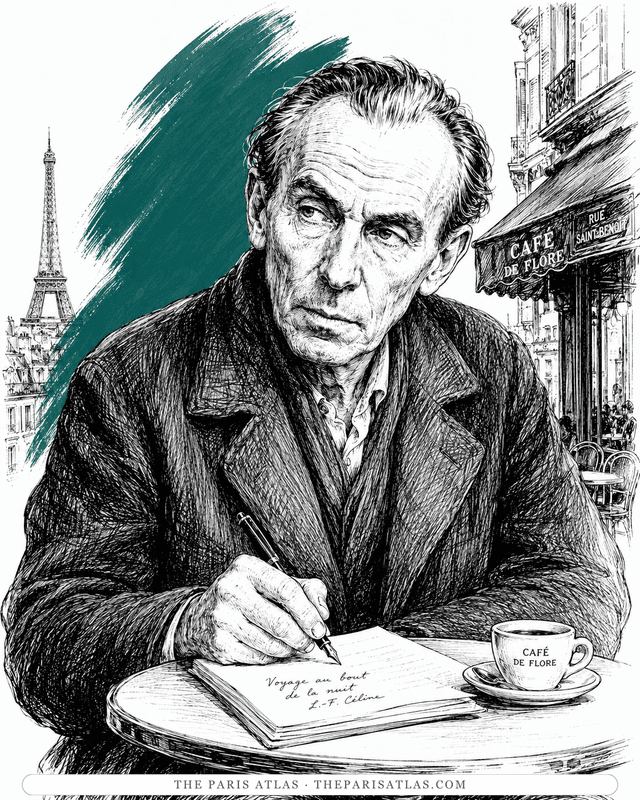
Louis-Ferdinand Céline
The doctor of the Paris slums who wrote the century's blackest, funniest novel — and changed the sound of French prose.
View author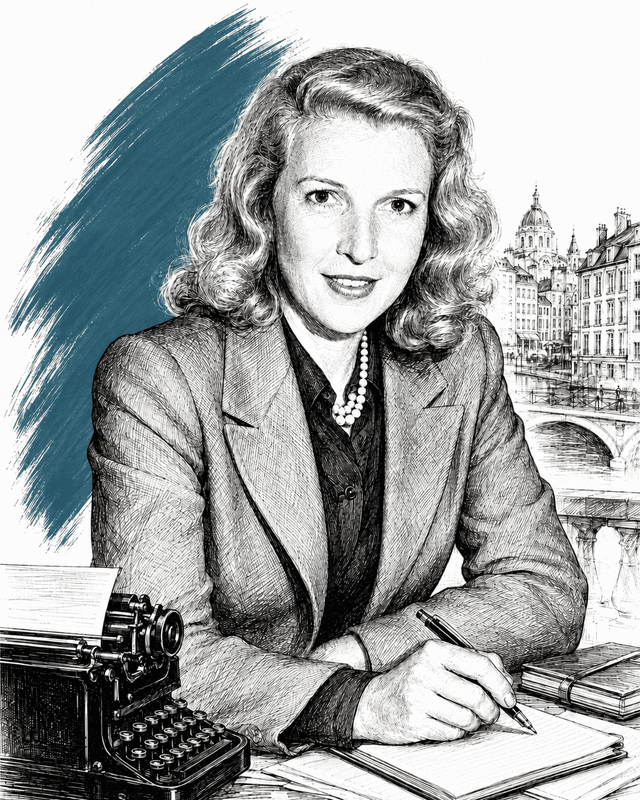
Martha Gellhorn
War correspondent who covered the Spanish Civil War, D-Day, and conflicts across five more decades; Hemingway's third wife, 1940–1945.
View author