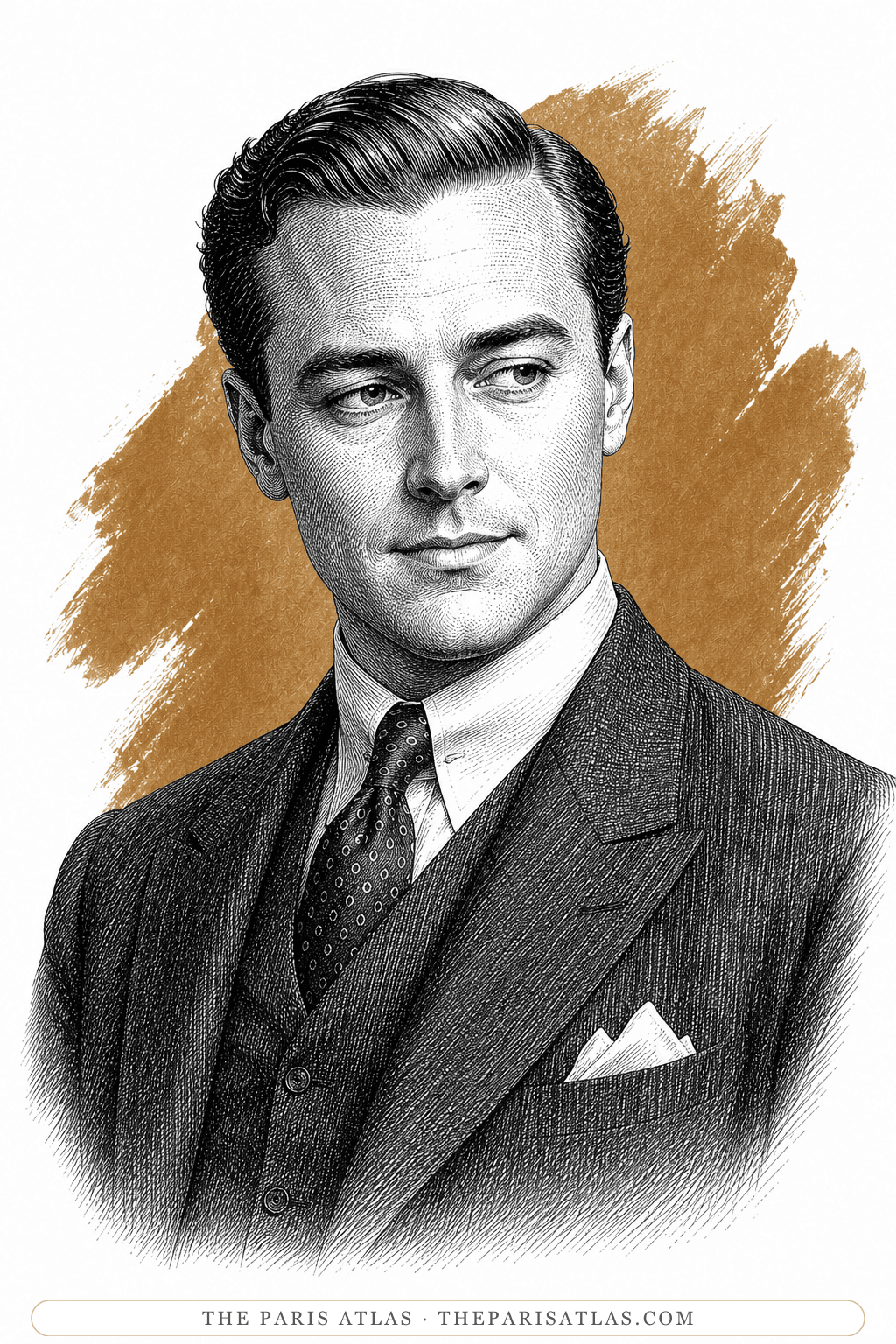
Paul Marshall
Leon's wealthy businessman friend and the protected actual attacker.
To increase wealth and status while avoiding consequences for what he does.
The book

At a glance
- Leon Tallis's friend
- Amo chocolate bar
- Wealthy manufacturer
Who they are in the book
Spoiler-freeMarshall is Leon's wealthy friend and the inventor of the Amo chocolate bar. He presents commercial ambition and polished ease as contributions to the coming war effort.
His status makes him welcome at the Tallis dinner and shields him from the suspicion directed toward Robbie.
The novel places predation inside respectability rather than giving the attacker an obvious villain's appearance.
How Paul Marshall Is Portrayed
- Expensive easeHe looks secure inside the Tallis household.
- Commercial confidenceAmo bars connect business to military supply.
- Social protectionClass directs suspicion elsewhere.
- Controlled appetiteCourtesy covers entitlement.
- Wartime prosperityPublic success grows after the crime.
- Legal insulationMarriage and wealth protect the official story.
Marshall is Lola's attacker. He marries her and remains wealthy and alive in 1999, preventing Briony from safely publishing the accusation during his lifetime.
If you like Atonement


If you like Ian McEwan
Explore authors with a similar voice, perspective, and influence.
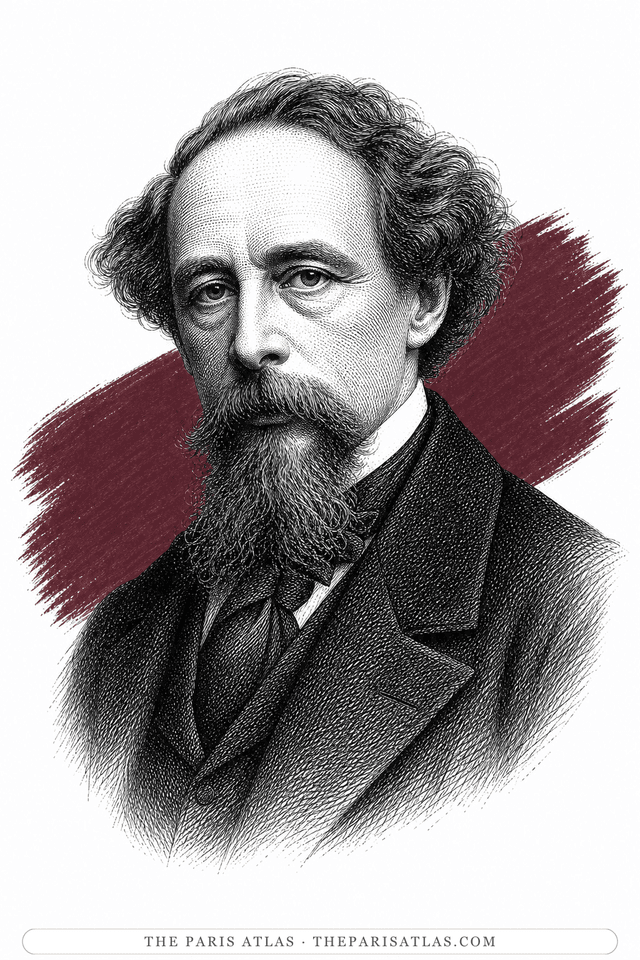
Charles Dickens
The most popular English novelist of the nineteenth century, who was never a Paris resident in the ordinary sense but kept coming back for twenty-five years: one winter in a rented mansion on the rue de Courcelles, a second winter on the Champs-Élysées writing Little Dorrit, repeated compulsive visits to the Paris Morgue — the riverside building where the city displayed its unidentified dead to the public — and a novel of the French Revolution, A Tale of Two Cities, that has shaped how English readers picture Paris ever since.
View author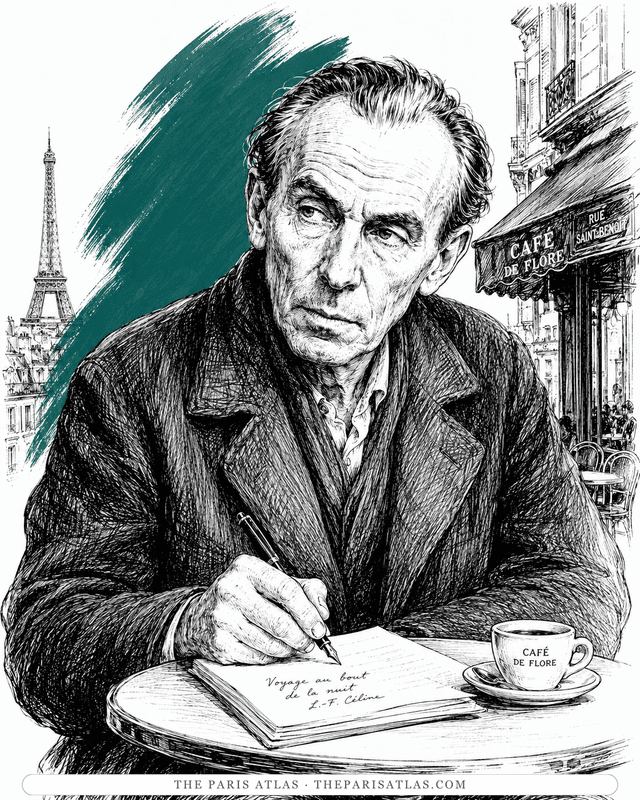
Louis-Ferdinand Céline
The doctor of the Paris slums who wrote the century's blackest, funniest novel — and changed the sound of French prose.
View author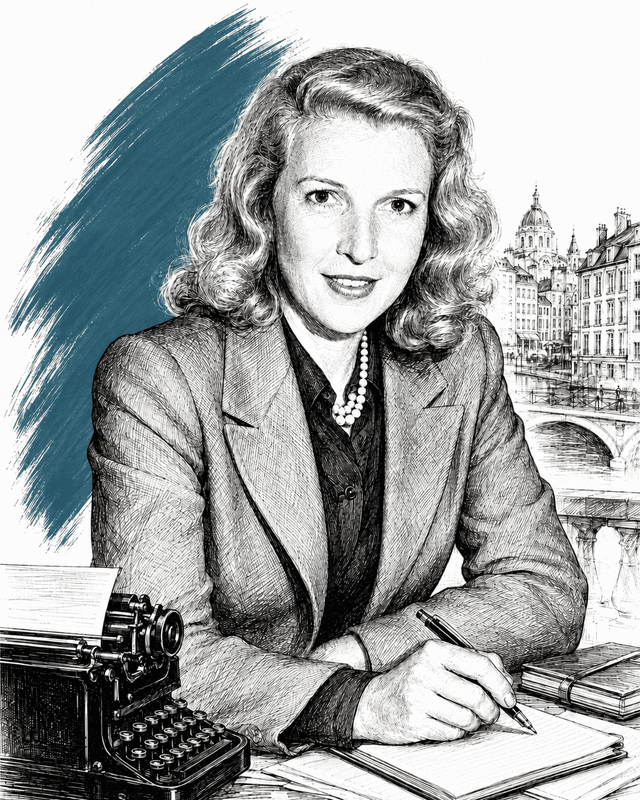
Martha Gellhorn
War correspondent who covered the Spanish Civil War, D-Day, and conflicts across five more decades; Hemingway's third wife, 1940–1945.
View author