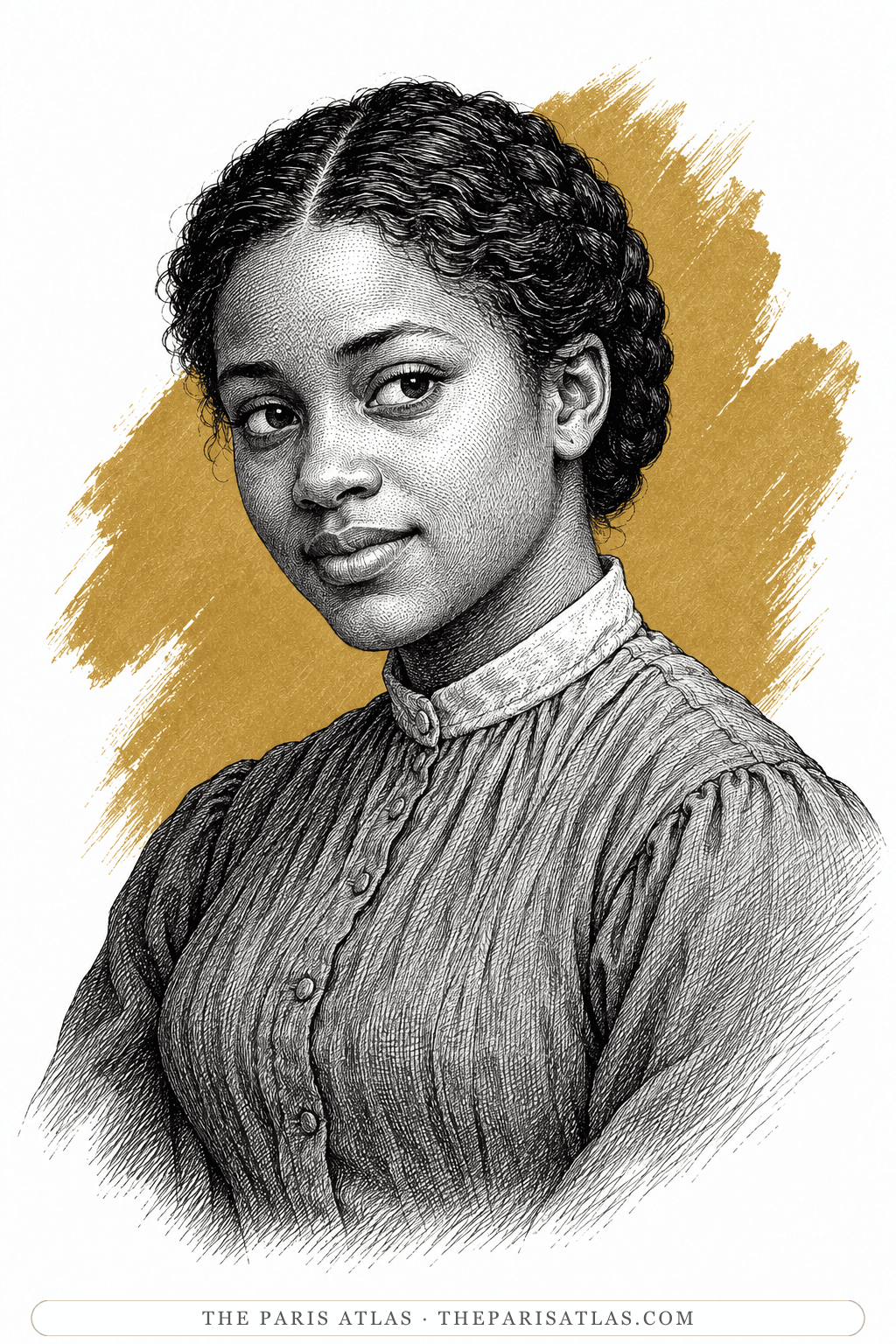
Denver
Sethe's surviving daughter, whose movement beyond the house changes the family's prospects.
She wants companionship and a place of her own, then recognizes that protecting herself can also help her mother.
The book

Who they are in the book
Spoiler-freeDenver begins within a family whose memories exclude her even while governing her life. Her growing independence depends on learning that other people may answer a request for help.
How Denver Is Portrayed
- Excluded from shared memoriesPaul D's reunion with Sethe leaves Denver outside their shared past. Her resentment has a history that simple accusations of childishness would miss.
- A public welcomeThe carnival lets Denver experience friendly recognition. Brief encounters with neighbors offer an alternative to the isolation she has come to expect.
- Nursing as possessionDenver nurses the newly arrived Beloved with unusual patience. The care also contains a wish to keep this companion for herself.
- Accepting helpIn Part Three, returning food dishes creates conversations with neighbors. Gratitude becomes a way of entering relationships that the house had cut off.
- Seeking paid workDenver's visit to the Bodwins makes independence concrete. Wages, a schedule, and practical help matter alongside the courage needed to leave home.
- Claiming her judgmentNear the ending, Denver declines Paul D's opinion about Beloved. Her courteous firmness shows an adult voice that can protect others without surrendering itself.
If you like Beloved


If you like Toni Morrison
Explore authors with a similar voice, perspective, and influence.
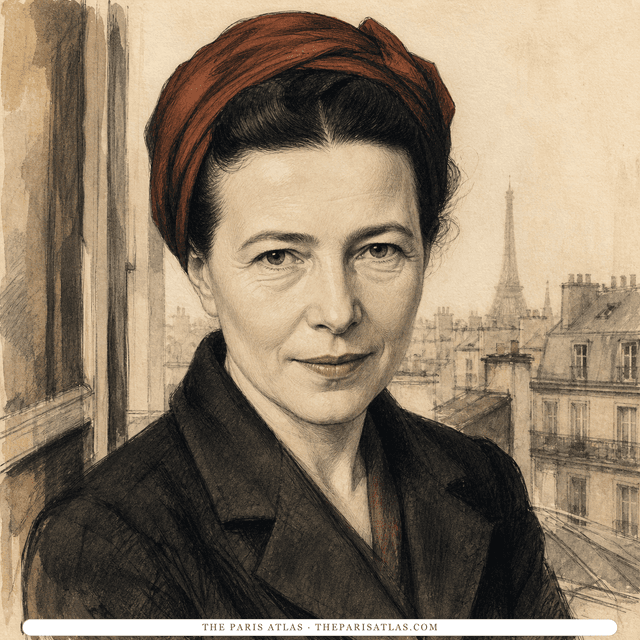
Simone de Beauvoir
French writer and philosopher whose novels, memoirs, and social analysis examined freedom, gender, responsibility, aging, and the material conditions that shape a life.
View author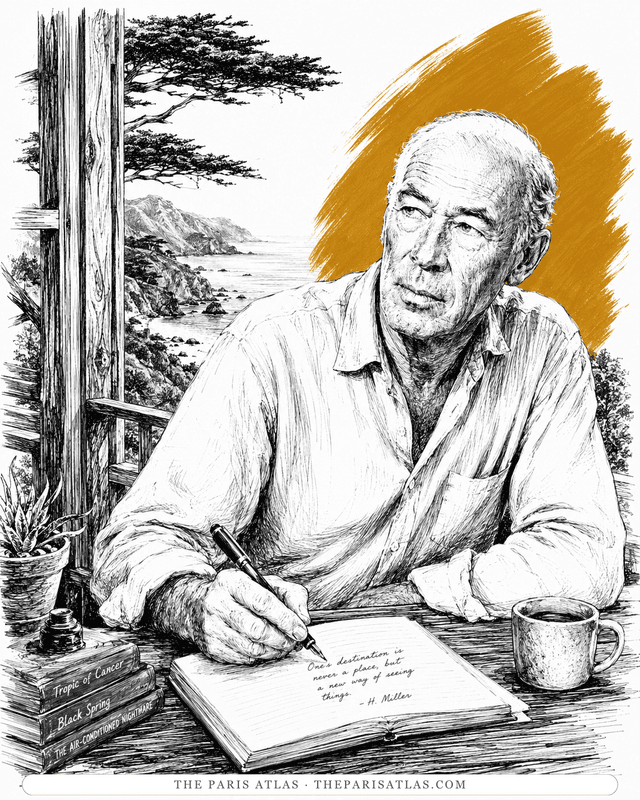
Henry Miller
The Brooklyn dropout who arrived in Paris broke at thirty-eight and wrote the exuberant, banned books that ended American censorship.
View author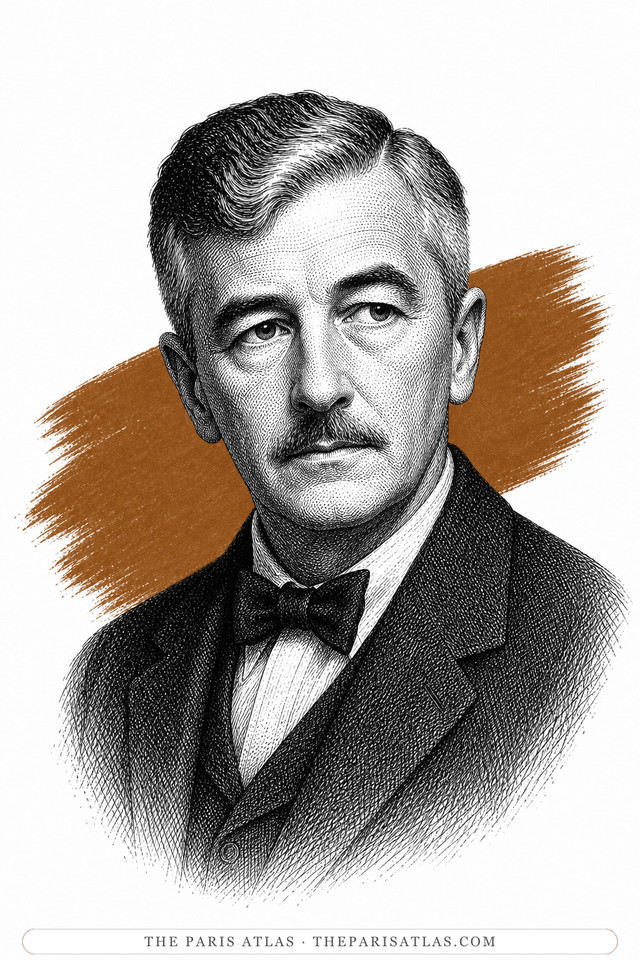
William Faulkner
The American novelist who invented Yoknapatawpha County, the imaginary Mississippi county he called himself sole owner and proprietor of, and who spent the autumn of 1925 in a room at 26 rue Servandoni beside the Luxembourg Gardens — all but unpublished, calling himself a tramp, and walking to the café used by the Irish novelist James Joyce simply to look at him.
View author