

The Adventures of Tom Sawyer
The earlier novel introduces Huck and Tom and supplies the treasure story recalled at this book's opening.
Read our take
by Mark Twain
On a journey down the Mississippi, Huck's loyalty to Jim comes into conflict with what he has been taught is right.
Mark Twain's Adventures of Huckleberry Finn follows a boy escaping his abusive father and Jim, an enslaved man seeking freedom and reunion with his family. Huck tells their river journey in a voice that is observant, inventive and still shaped by racist assumptions. First published in Britain in December 1884 and in the United States in February 1885, the novel continues characters introduced in The Adventures of Tom Sawyer.
The raft gives Huck and Jim time to talk, but it never removes them from slavery's reach. Jim needs to avoid capture while Huck can go ashore under invented names. Their unequal exposure to danger matters whenever the story appears to offer a simple picture of shared freedom.
Huck's conscience is unreliable because much of his moral instruction has defended ownership of people. In the decisive letter-writing scene, he believes that helping his friend will condemn him. The reader must judge the teaching as well as the child who has absorbed it.
The novel's comic inventions can also become instruments of cruelty. The frauds who call themselves a king and a duke exploit trust for money. Later, Tom Sawyer uses the conventions of adventure stories to make Jim's escape needlessly difficult. The change tests how readily readers accept amusement at another person's expense.
Huck escapes confinement by his father and stages evidence of his own murder. On Jackson's Island he discovers Jim, who has fled after hearing that Miss Watson intends to sell him south. They become traveling companions on the Mississippi.
After repeated dangers and encounters with two swindlers, Huck discovers that the man calling himself a king has sold Jim to the Phelps household. Huck writes a letter revealing Jim's whereabouts, then tears it up and decides to help him escape.
At the Phelps farm, Huck is mistaken for Tom, and Tom arrives to pretend he is Sid. Tom insists on an elaborate escape that ends with a bullet in his leg. Jim risks capture by staying to help the doctor treat him.
Tom finally reveals that Miss Watson has died and freed Jim in her will; he has known this during the attempted rescue. Jim is released. Huck learns that his father is dead and plans to leave before Aunt Sally can impose another settled household on him.
Huck tells the story in the language available to him, including the racist assumptions of the society he has fled. His account can show more than his explanations understand. When Jim grieves for his family or risks his safety for someone else, the reader has grounds to reject the hierarchy Huck has been taught to accept.
After the fog separates them, Huck tries to convince Jim that the separation was a dream. Jim's hurt forces him to recognize the trick as cruelty. The apology matters because Huck describes the difficulty of making it: personal loyalty has to overcome an inherited belief about whose feelings deserve respect.
The crisis over the letter to Miss Watson turns conventional moral instruction against itself. Huck believes helping Jim escape is theft and that reporting him would be a religious duty. Memories of Jim's friendship interrupt that reasoning. Tearing up the letter is an ethical choice that Huck himself calls a surrender to wickedness.
Twain has prepared this reversal through the feuding Grangerfords and Shepherdsons. Armed churchgoers praise a sermon about brotherly love while maintaining a murderous feud. The mismatch between professed belief and practiced violence makes social approval an unreliable test of right conduct.
The raft offers temporary relief from surveillance and conflict, but Huck and Jim face different consequences if they are caught. Huck can invent a new family history or disguise. Jim can be sold. His plan to earn enough to recover his wife and children gives the journey a purpose beyond Huck's wish to escape regulation.
The king and duke turn that unequal exposure into a commercial opportunity. Their theatrical frauds depend on audiences wanting a plausible story; selling Jim makes another person's life part of their business. The river connects Huck and Jim to these transactions even when they would prefer to leave society behind.
At the Phelps farm, Tom imports the elaborate rules of prison adventures into an escape that could be much simpler. Jim has to endure the discomfort and danger of making the story exciting. The eventual disclosure that Tom already knew of Jim's legal freedom makes this entertainment especially difficult to excuse.
Jim's decision to stay with the wounded Tom gives his own action moral weight, but it does not make the imposed ordeal harmless. The ending leaves tension between the novel's criticism of treating people as property and its use of Jim as material for the boys' adventure. Huck's departure cannot settle that tension for him or for the reader.
Chapters XV–XVI, XVIII, XXIII, XXXI, XXXIV–XXXVIII, XL and XLII support the readings of apology, family, conscience and the escape game.
You can't pray a lie
All right, then, I'll go to hell
Huck can notice an injustice while using the very language that sustains it. His voice asks readers to separate what he reports from what he understands.
Jim talks about family, challenges a humiliating joke and makes decisions about care. Those moments deserve attention beyond their effect on Huck's development.
The final escape repeats the pleasures of Tom Sawyer's games under changed circumstances. Jim's vulnerability makes their appeal much harder to accept without question.
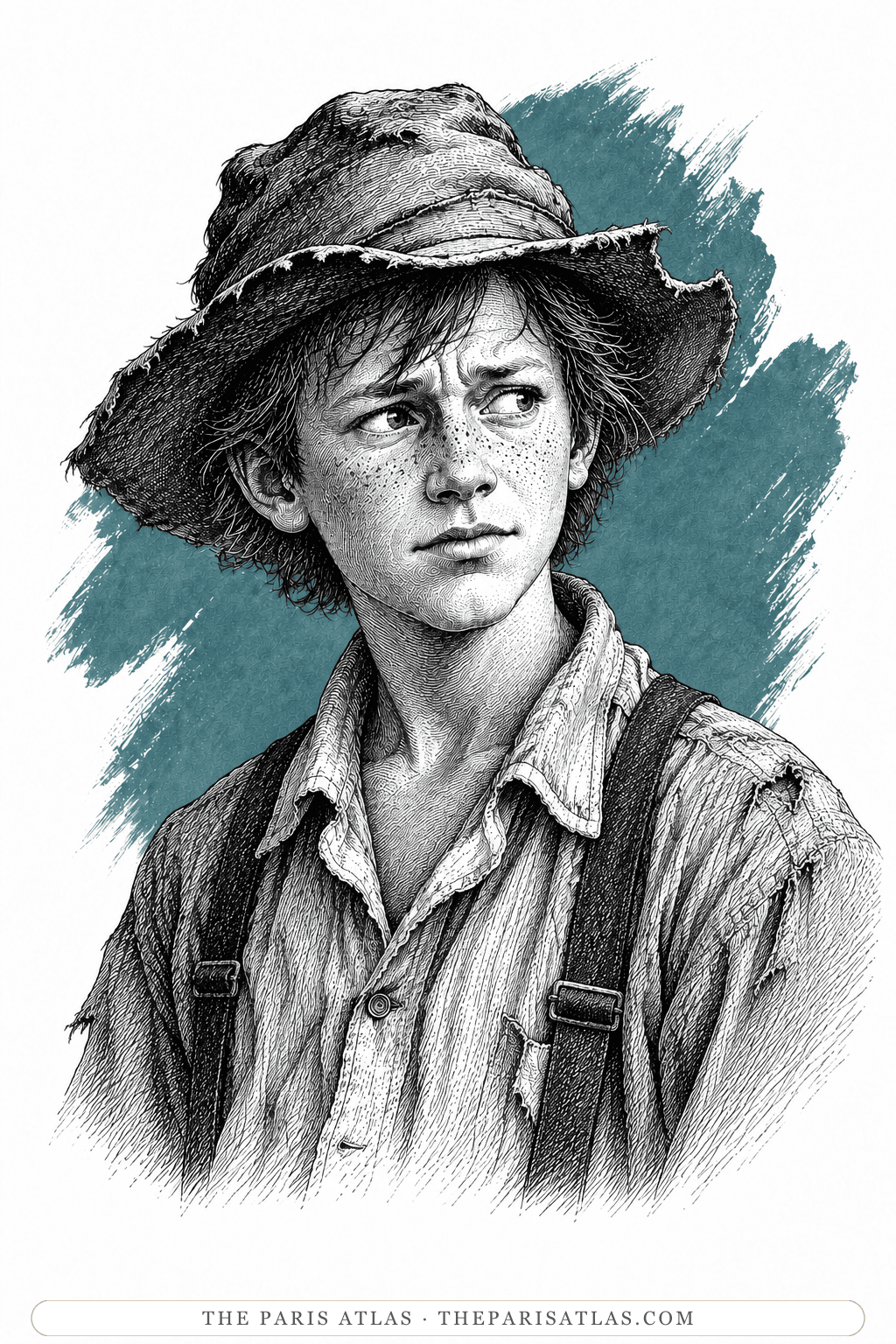
The boy who narrates the journey and struggles to judge the rules he has inherited.
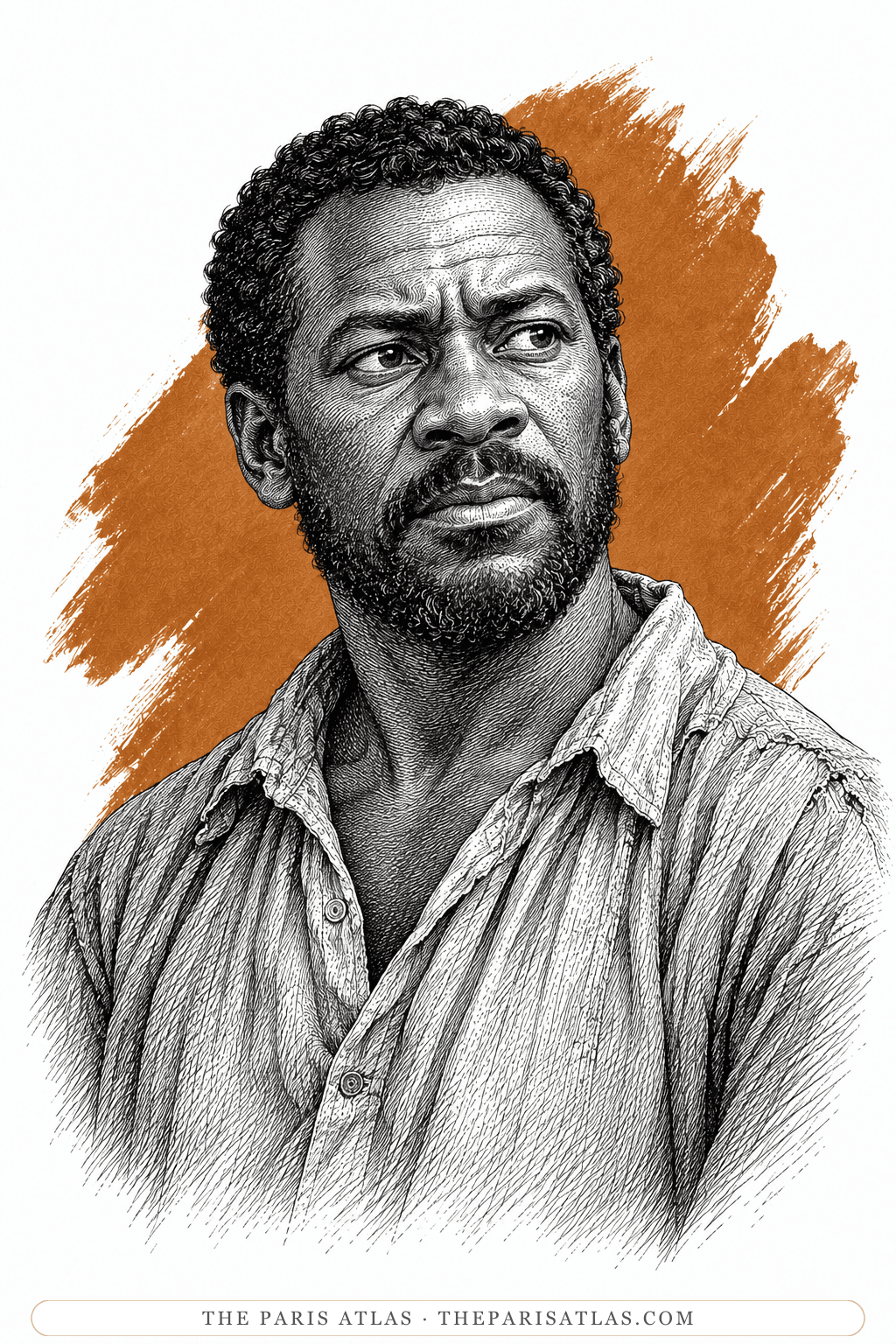
An enslaved husband and father whose pursuit of freedom places him in danger throughout the journey.
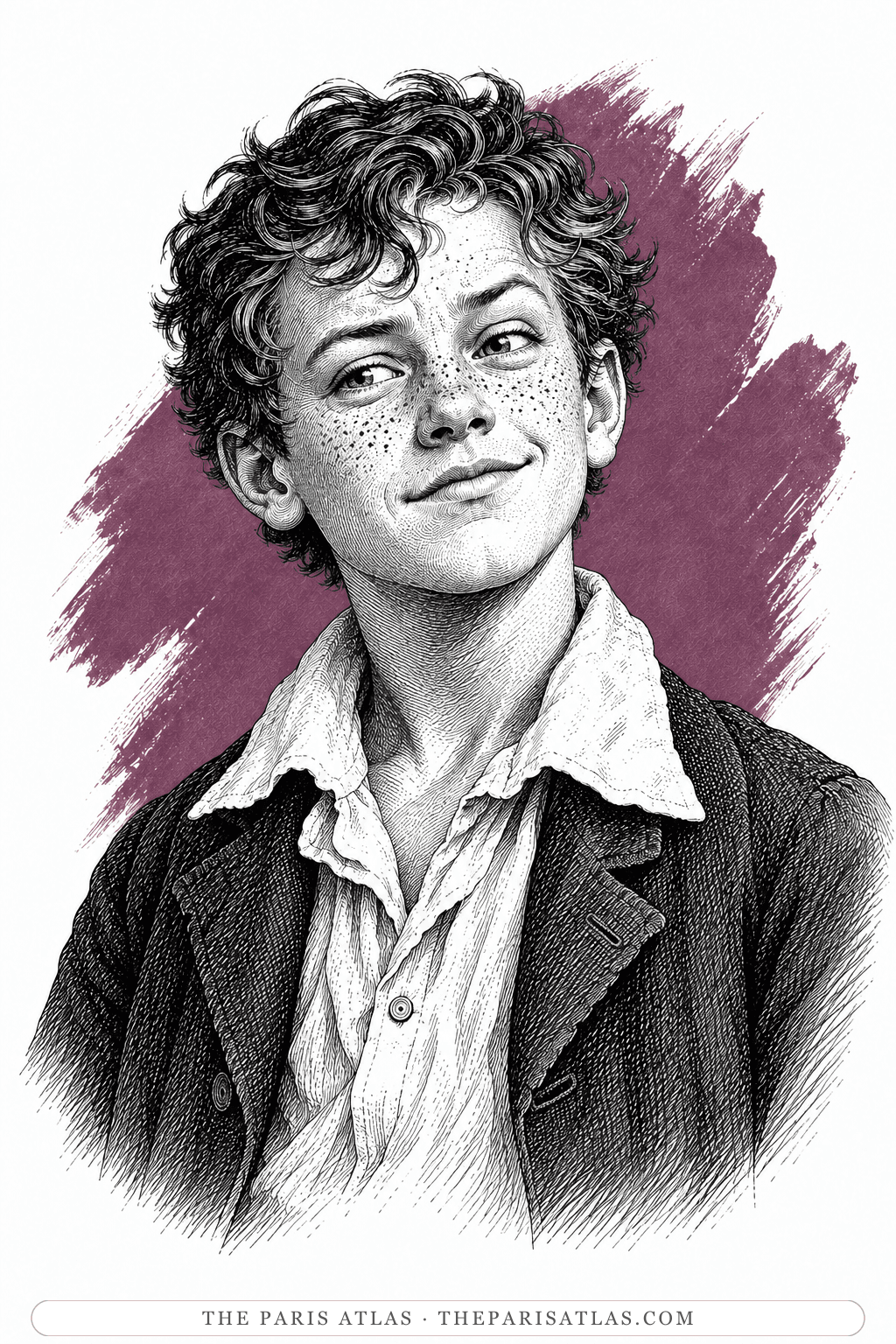
Huck's admired friend, who treats Jim's escape as an opportunity to stage a literary adventure.
December 1884
Chatto & Windus publishes the first British edition in London.
February 1885
Charles L. Webster and Company publishes the first American edition in New York.
2021
University of California Press issues the selected 616-page Mark Twain Library hardcover in September.

The earlier novel introduces Huck and Tom and supplies the treasure story recalled at this book's opening.
Read our take
Douglass's testimony places a formerly enslaved person's own account of freedom beside Twain's fictional white narrator.
Read our take
Hughes's novel offers a different treatment of childhood and racial education, centered on a Black family's experience.
Read our takeBoth dates refer to original publication: Britain in December 1884 and the United States in February 1885. The earliest publication year is therefore 1884; the first American edition followed in 1885.
Huck narrates in the first person. His observations can be sharp even when his explanations reveal prejudices, uncertainty or deference to people he admires.
He overhears Miss Watson considering selling him to New Orleans. He later tells Huck that he wants to gain freedom and reunite his family.
It supplies background for the boys and their treasure, but Huck's opening briefly explains what happened. This novel develops its own journey and a different narrative voice.
Tom already knows Jim has been freed in a will, yet delays telling him while staging an elaborate rescue. That knowledge changes how readers judge the apparent adventure and Huck's admiration for Tom.
The selected hardcover is the University of California Press Mark Twain Library edition issued in September 2021, ISBN 9780520343641, with 616 pages. It is not the longer 2003 scholarly volume from the same press.
Explore authors with a similar voice, perspective, and influence.

The doctor of the Paris slums who wrote the century's blackest, funniest novel — and changed the sound of French prose.
View author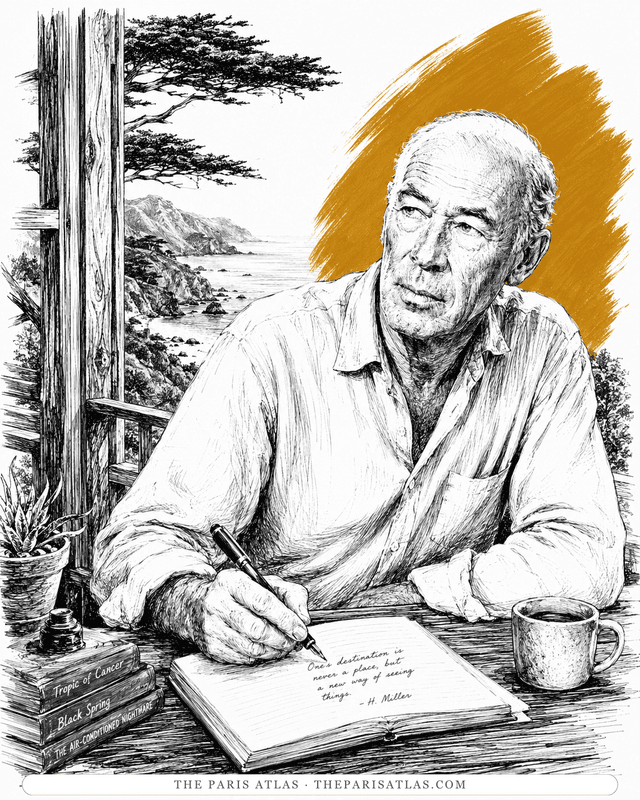
The Brooklyn dropout who arrived in Paris broke at thirty-eight and wrote the exuberant, banned books that ended American censorship.
View author
The author of Frankenstein, who first saw Paris at sixteen as a runaway. In the summer of 1814 she crossed from England to Calais with the poet Percy Bysshe Shelley and her stepsister Claire Clairmont, spent a week trapped in an expensive Paris hotel with no money, then bought a donkey and walked south-east across a France still wrecked by the Napoleonic wars. That journey became her first published book. Two years later, on a lake in Switzerland, she began her second.
View authorThe sources below include the primary text, editions, scholarship, archival materials, and other records that informed this page. They document Adventures of Huckleberry Finn, its publication, and its place in literary history.


The primary text represented by this page, used for descriptions of the work’s contents and for any quoted passages shown here.
Primary text for the plot, all eighteen character readings and the two short quotations. Chapter references do not imply consultation of unquoted modern editorial apparatus.
The student edition's publication note distinguishes London, December 1884, from New York, February 1885.
Selected 616-page Mark Twain Library edition, ISBN, September 2021 date and editors.
Library of Congress exhibition records for the British and American first editions, including their differing titles.
The primary text is the baseline reference for every book page. Additional references document publication history, interpretation, and historical context where that evidence is available.
 Explore more resources