Colonel Race
Poirot's old friend, on the Karnak to catch a political agitator travelling under another name, who ends up questioning a boatload of suspects instead.
His agitator, and afterwards a straight answer from his friend.
The book
Death on the Nile
Agatha Christie
At a glance
- British officer in government service; Poirot's friend
- From the Karnak's departure to the last page
Who they are in the book
Spoiler-freeRace is a soldier in government service, tall, grey, quiet and impossible to rattle. He boards the Karnak on his own business, which is a man who has been stirring up trouble across the Middle East and is aboard under a false name. When Linnet is killed, the captain hands the boat to him, and he hands the thinking to Poirot.
He is the book's second listener, the role Bouc plays on the Orient Express, but sharper. He asks the questions Poirot does not, and the last question in the book is his.
How Colonel Race Is Portrayed
- The quarryA political agitator with several names, believed to be on the boat; Race finds him among the passengers.
- The authorityThe captain gives him charge of the inquiry, and the passengers accept it.
- The mannerBronzed, grey-haired, and unhurried; he gives orders without raising his voice.
- The searchHe organises the search of the cabins that turns up the stole and the pistol.
- The lawyerHe works out why Fanthorp is on board before Fanthorp admits it.
- The questionOn the landing stage he asks Poirot if he knew about the second pistol.
Race's agitator turns out to be Signor Richetti, the archaeologist. Race arrests him and then watches Poirot let Jacqueline finish the story her own way.
If you like Death on the Nile


If you like Agatha Christie
Explore authors with a similar voice, perspective, and influence.
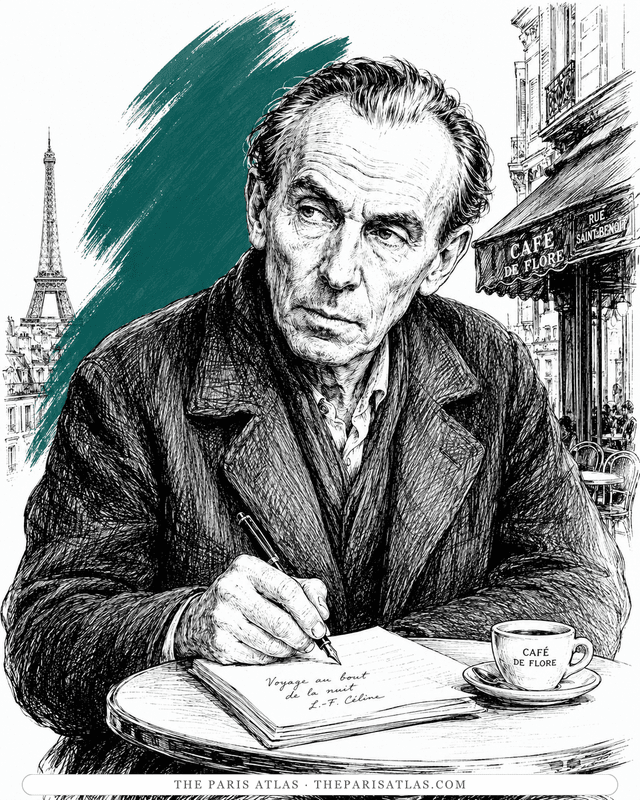
Louis-Ferdinand Céline
The doctor of the Paris slums who wrote the century's blackest, funniest novel — and changed the sound of French prose.
View author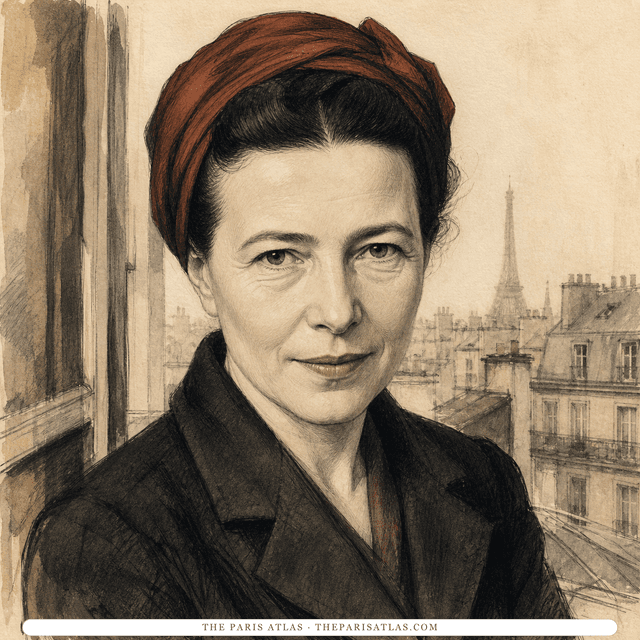
Simone de Beauvoir
French writer and philosopher whose novels, memoirs, and social analysis examined freedom, gender, responsibility, aging, and the material conditions that shape a life.
View author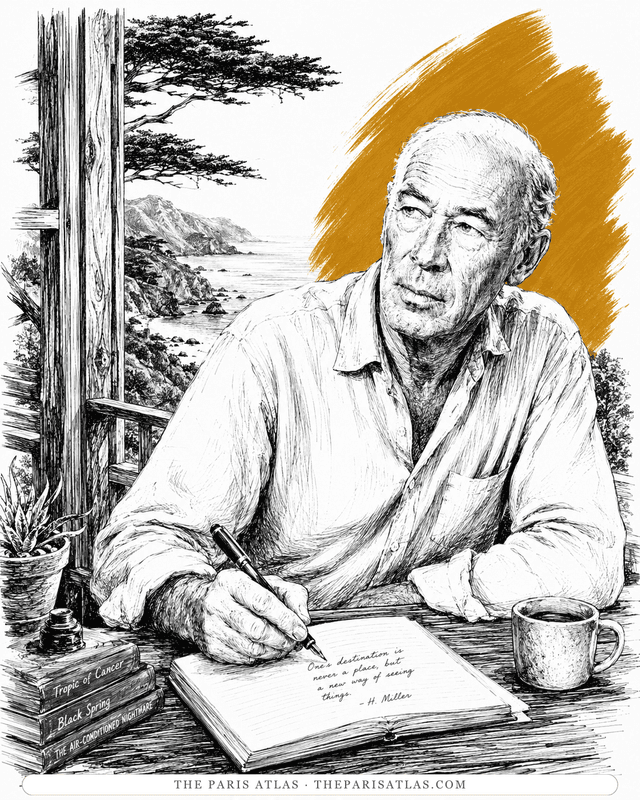
Henry Miller
The Brooklyn dropout who arrived in Paris broke at thirty-eight and wrote the exuberant, banned books that ended American censorship.
View author