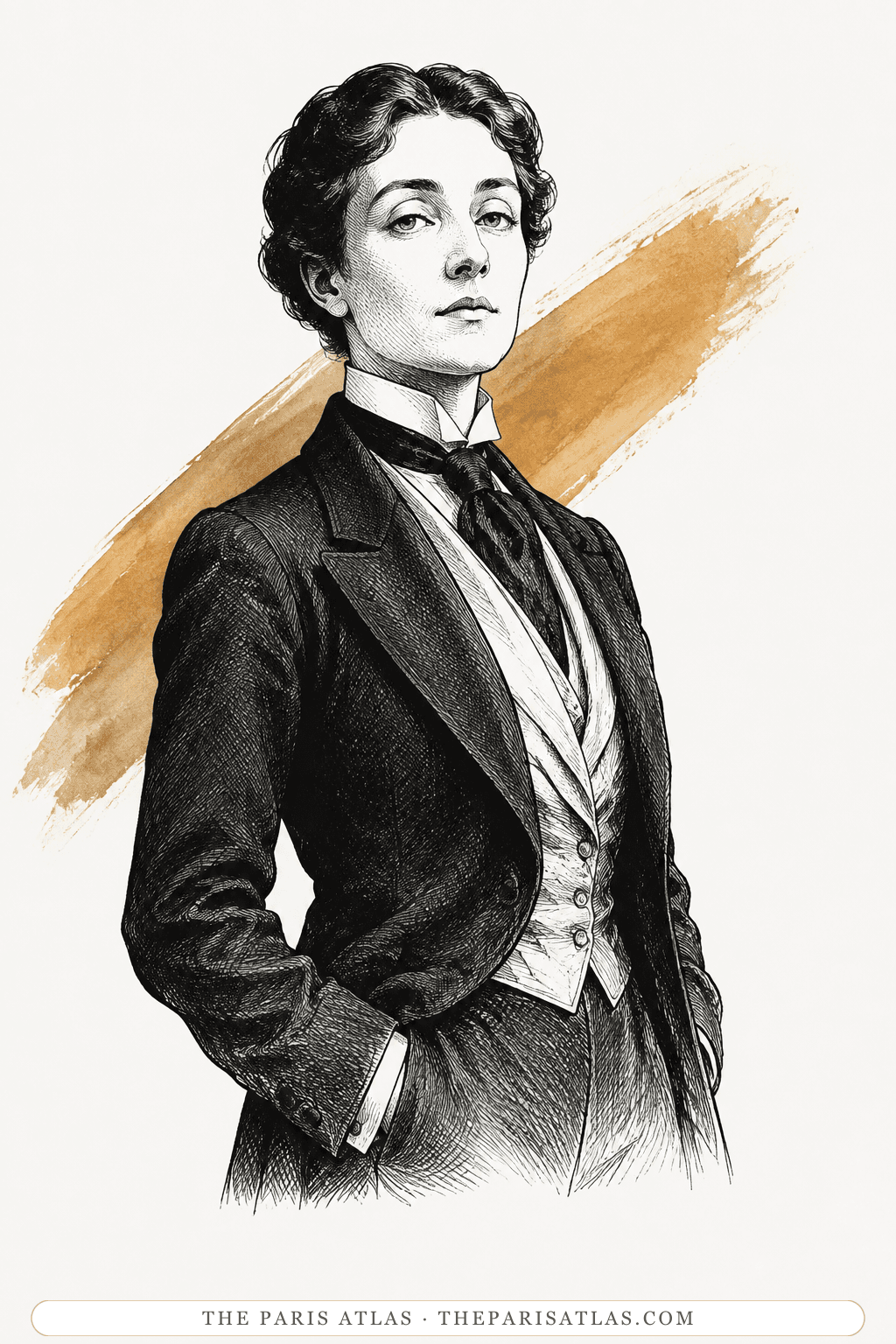
Kazmah
A mysterious professional fortune-teller whose controlled theatricality and secret rooms form part of the conspiracy’s hidden structure.
To control what visitors see and know while protecting the hidden organization connected to the rooms.
The book

At a glance
- Fortune-teller and mystery figure
- Hidden rooms in nocturnal London
- Connects theatrical mystery to the criminal network
Who they are in the book
Spoiler-freeKazmah operates through staged mystery, guarded information, and a setting designed to unsettle visitors. Professional performance is more useful to understanding the character than Rohmer’s racialized atmosphere.
The portrait and profile avoid treating exoticized description as truth. Kazmah’s importance comes from managing attention, secrets, and access within the thriller.
How Kazmah Is Portrayed
- Professional fortune-tellerThe role depends on practiced performance rather than supernatural caricature.
- Theatrical self-presentationClothing and composure help control an encounter.
- Unreadable expressionVisitors cannot easily tell performance from intention.
- Command of attentionMystery is produced through timing and information.
- SecretiveHidden routes and knowledge connect the rooms to the conspiracy.
- No racial caricatureThe visual treatment rejects the prejudice in Rohmer’s exoticized framing.
The final investigation exposes the identities and motives behind the conspiracy, stripping the rooms and their carefully staged mystery of protective secrecy.
If you like Dope


If you like Sax Rohmer
Explore authors with a similar voice, perspective, and influence.
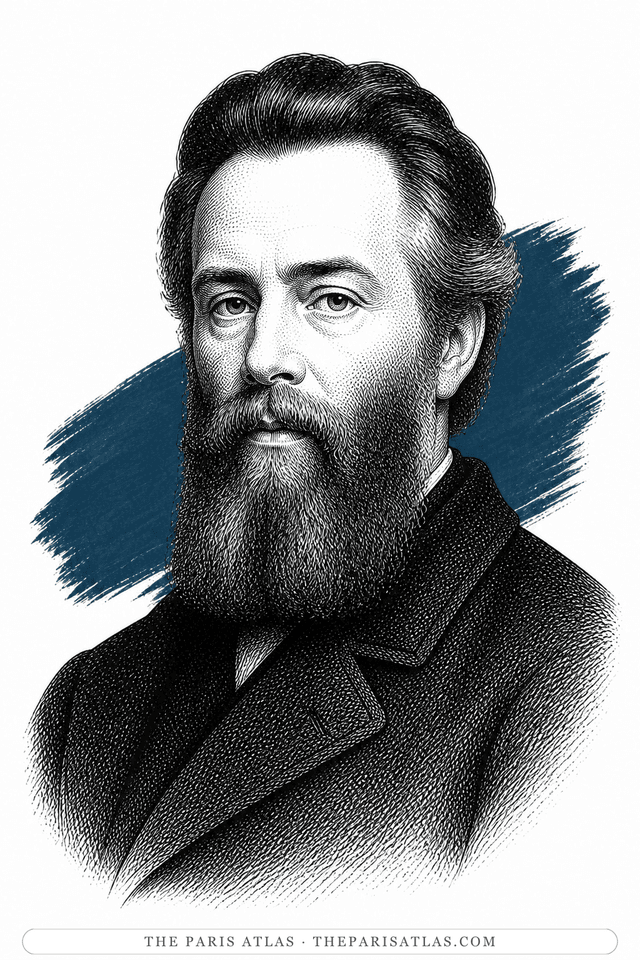
Herman Melville
Author of Moby-Dick, who spent about eight days in Paris in the winter of 1849 in a fifth-floor room on the Rue de Bussy, spoke no French, went twice to look at the corpses on display at the public Morgue, and wrote of the medieval Hôtel de Cluny that it was "the house just the house I'd like to live in." He was thirty. Two years later the whale book appeared, failed, and buried him for seventy years.
View author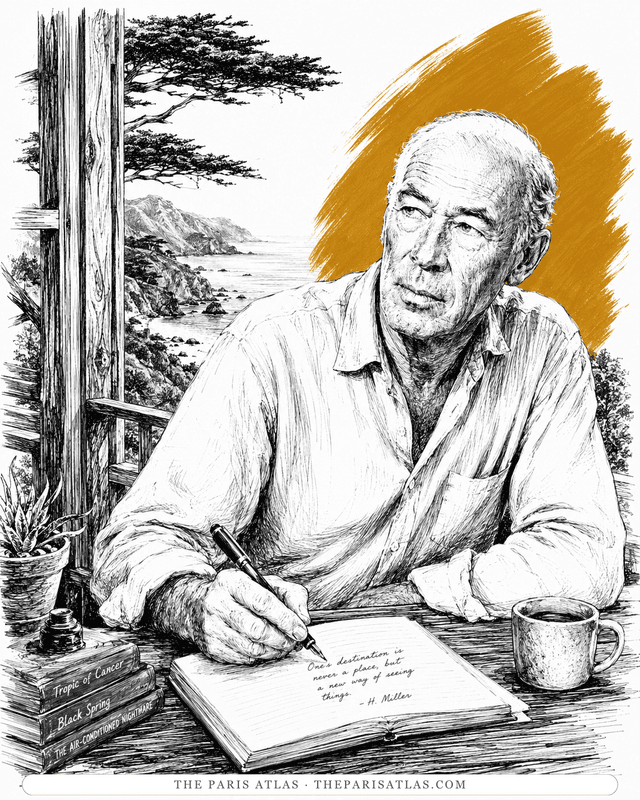
Henry Miller
The Brooklyn dropout who arrived in Paris broke at thirty-eight and wrote the exuberant, banned books that ended American censorship.
View author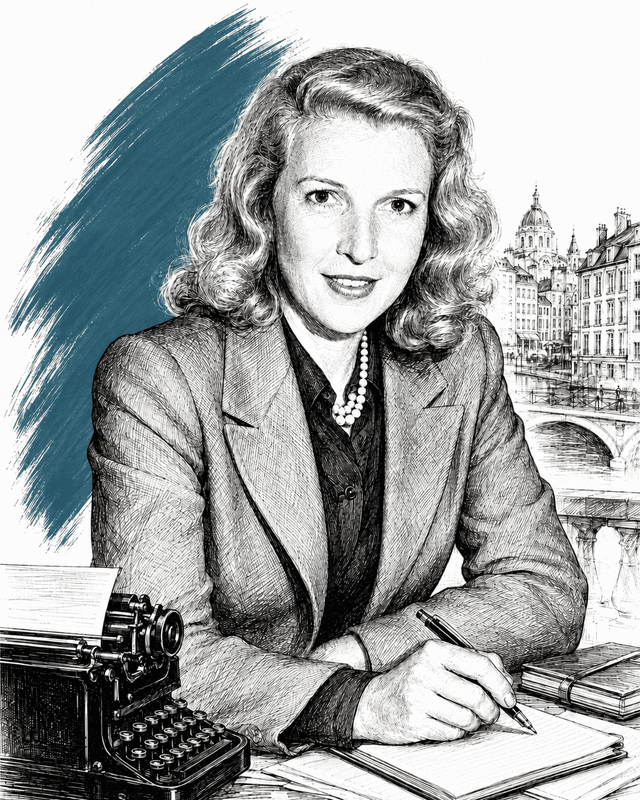
Martha Gellhorn
War correspondent who covered the Spanish Civil War, D-Day, and conflicts across five more decades; Hemingway's third wife, 1940–1945.
View author