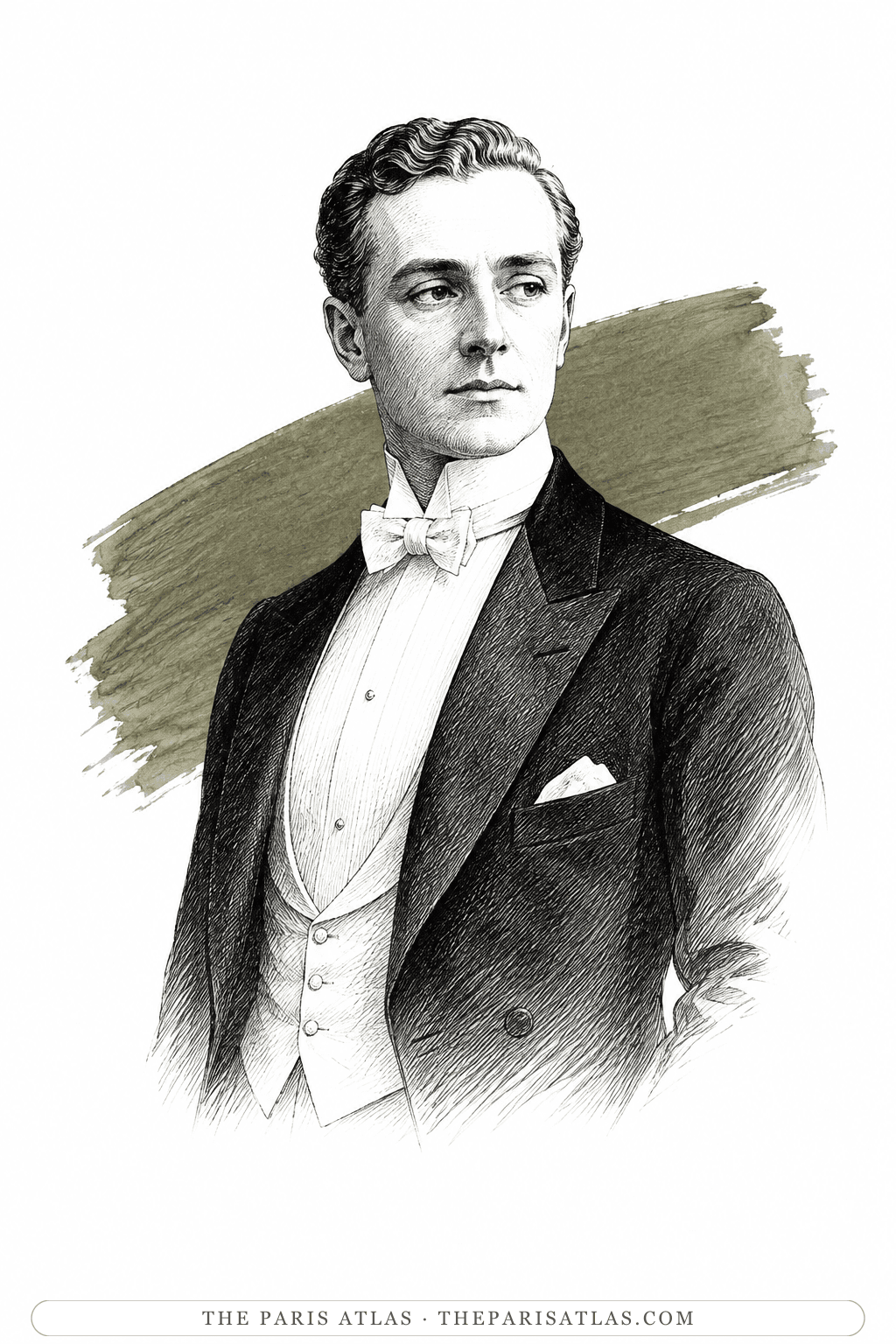
Sir Lucien Pyne
An aristocratic man moving through the same social and drug circles, proving that narcotics are not confined to poverty.
To preserve control over his reputation and relationships while moving through circles whose secrets threaten exposure.
The book

At a glance
- Aristocrat
- Figure within the social and drug circles
- Class privilege and concealed involvement
Who they are in the book
Spoiler-freeSir Lucien’s title places him inside the respectable world whose distance from crime the novel steadily questions. He moves through nightlife with access and confidence.
His guarded connections show how rank can conceal involvement instead of preventing it. Social privilege becomes part of the mystery’s machinery.
How Sir Lucien Pyne Is Portrayed
- Aristocratic evening clothesFormal dress makes class status immediately visible.
- Confident posturePrivilege has taught him to occupy rooms without apology.
- Guarded expressionConfidence does not mean openness.
- Nightlife familiarityHe belongs in the spaces respectable society claims to fear.
- Social accessRank opens doors and protects information.
- Compromised respectabilityHis presence breaks the fantasy that drugs belong only to an underworld.
The final revelations clarify Sir Lucien’s connections to the circles under investigation and place aristocratic society inside, not outside, the novel’s drug world.
If you like Dope


If you like Sax Rohmer
Explore authors with a similar voice, perspective, and influence.
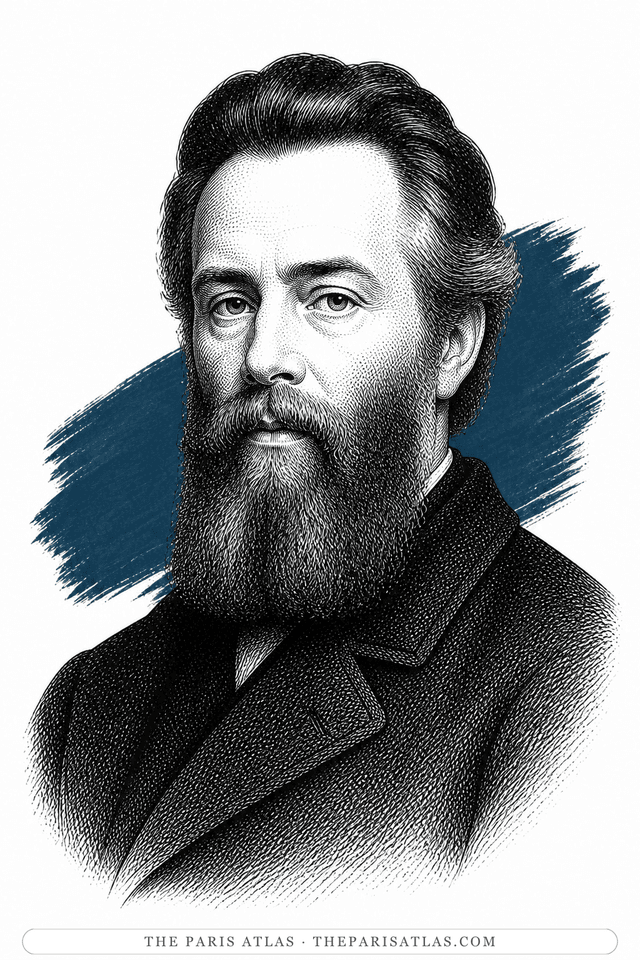
Herman Melville
Author of Moby-Dick, who spent about eight days in Paris in the winter of 1849 in a fifth-floor room on the Rue de Bussy, spoke no French, went twice to look at the corpses on display at the public Morgue, and wrote of the medieval Hôtel de Cluny that it was "the house just the house I'd like to live in." He was thirty. Two years later the whale book appeared, failed, and buried him for seventy years.
View author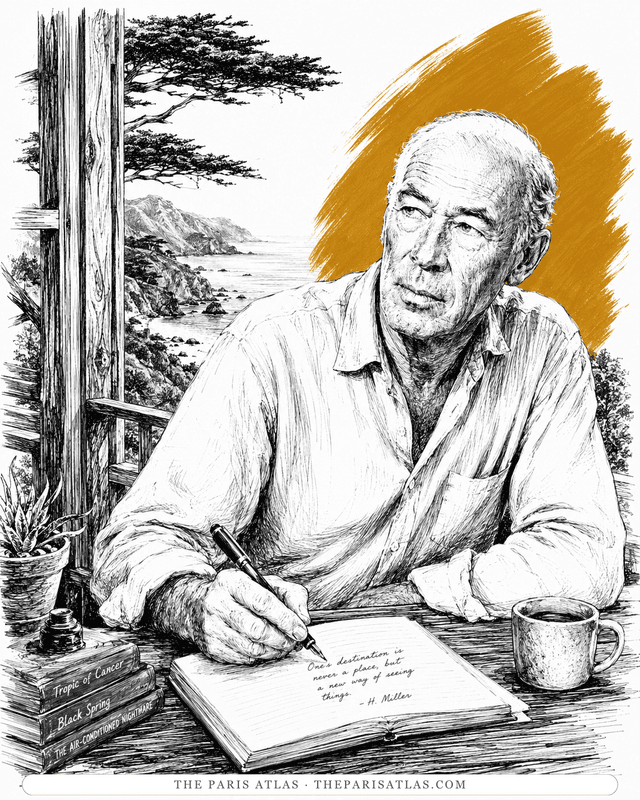
Henry Miller
The Brooklyn dropout who arrived in Paris broke at thirty-eight and wrote the exuberant, banned books that ended American censorship.
View author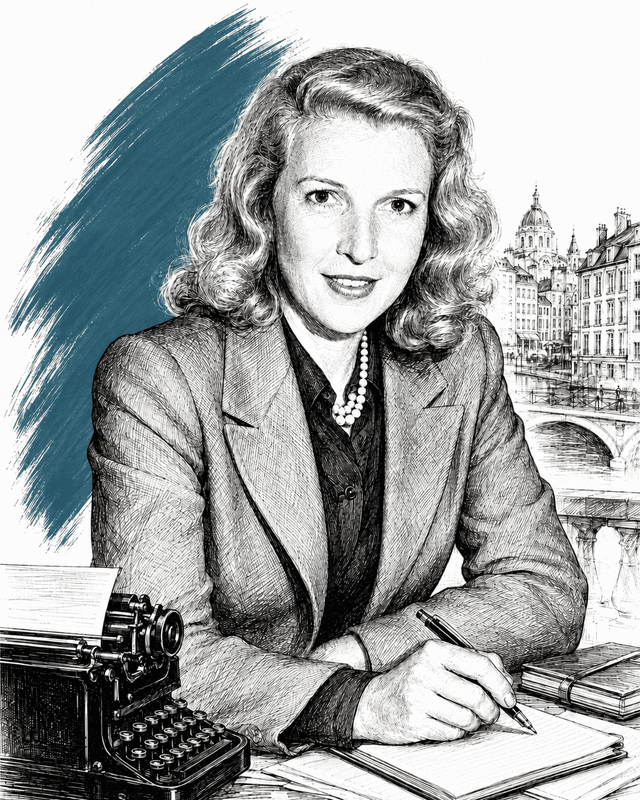
Martha Gellhorn
War correspondent who covered the Spanish Civil War, D-Day, and conflicts across five more decades; Hemingway's third wife, 1940–1945.
View author