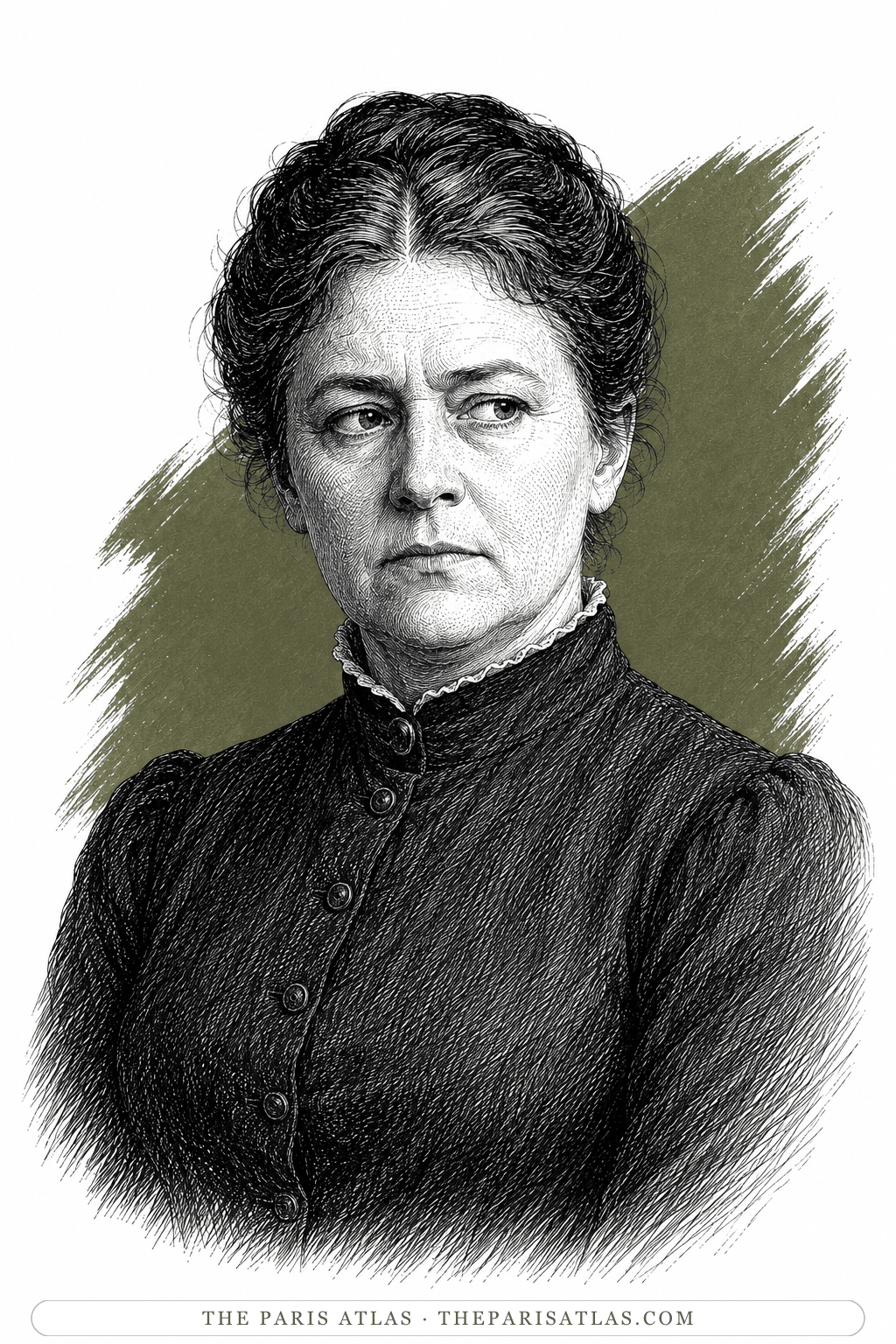
The landladies and lodging-house figures
The people who rent rooms and beds to the narrator as his money and social standing disappear.
To keep their rooms paid for and maintain order while deciding how long to tolerate a desperate tenant.
The book

At a glance
- Landlords and lodging-house workers
- Rent rooms or beds to the narrator
- Show his declining material security
Who they are in the book
Spoiler-freeSeveral landlords and lodging-house figures appear as the narrator moves through cheaper and less secure rooms. Their patience changes as rent goes unpaid and his behavior becomes harder to explain.
They are a grouped social presence rather than one continuous character. Together they show how poverty changes a person’s place in ordinary transactions.
How The landladies and lodging-house figures Is Portrayed
- Changing patienceCourtesy and sympathy narrow as unpaid rent accumulates.
- Material authorityA room depends on payment, whatever the narrator thinks his dignity should secure.
- Witnesses to declineEach move makes the narrator’s loss of security more visible.
- Ordinary rather than villainousTheir demands belong to daily economic life, not a conspiracy against him.
The narrator leaves one lodging after another as his debts and behavior make continued residence impossible. No lodging becomes a permanent home.
If you like Hunger


If you like Knut Hamsun
Explore authors with a similar voice, perspective, and influence.
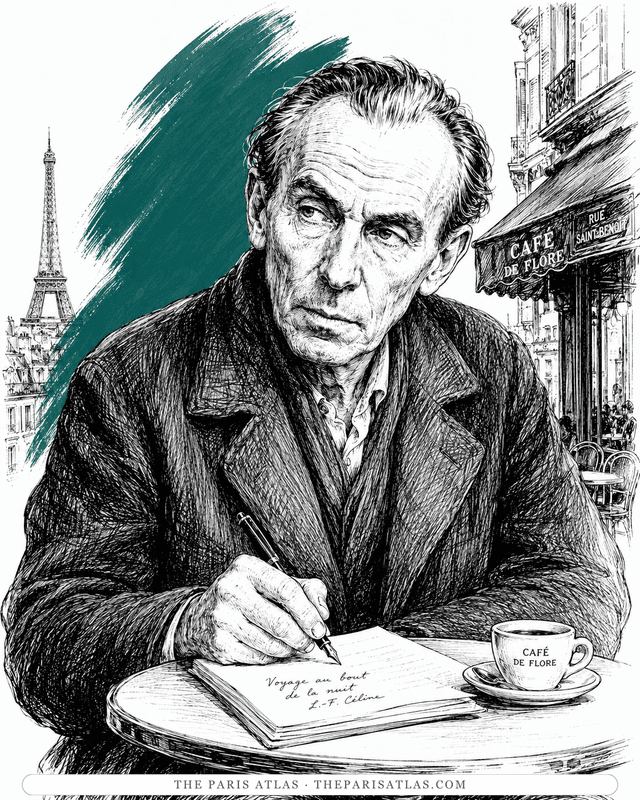
Louis-Ferdinand Céline
The doctor of the Paris slums who wrote the century's blackest, funniest novel — and changed the sound of French prose.
View author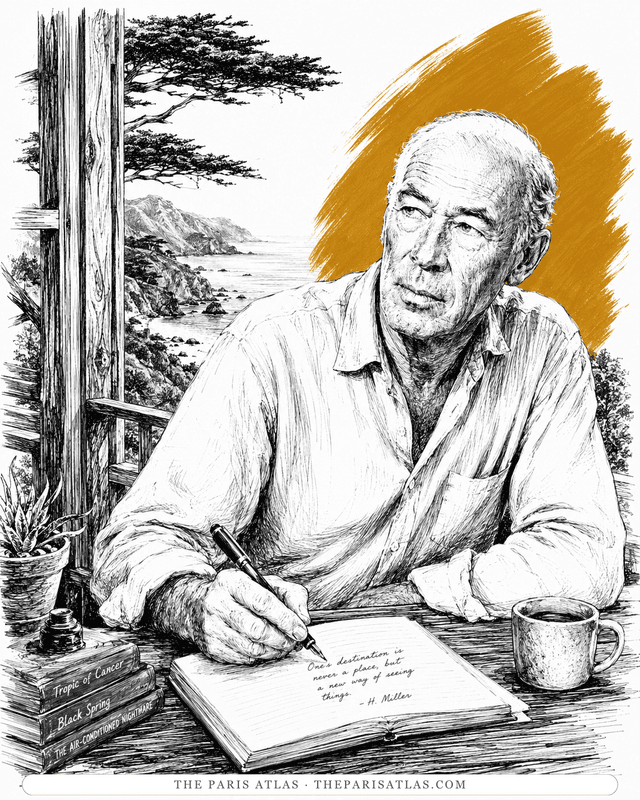
Henry Miller
The Brooklyn dropout who arrived in Paris broke at thirty-eight and wrote the exuberant, banned books that ended American censorship.
View author
George Orwell
English novelist, essayist and journalist, born Eric Arthur Blair, who wrote Animal Farm and Nineteen Eighty-Four. He was an imperial policeman in Burma, a plongeur in Paris kitchens off the rue Mouffetard, and a militiaman shot through the neck in Spain before any of it.
View author