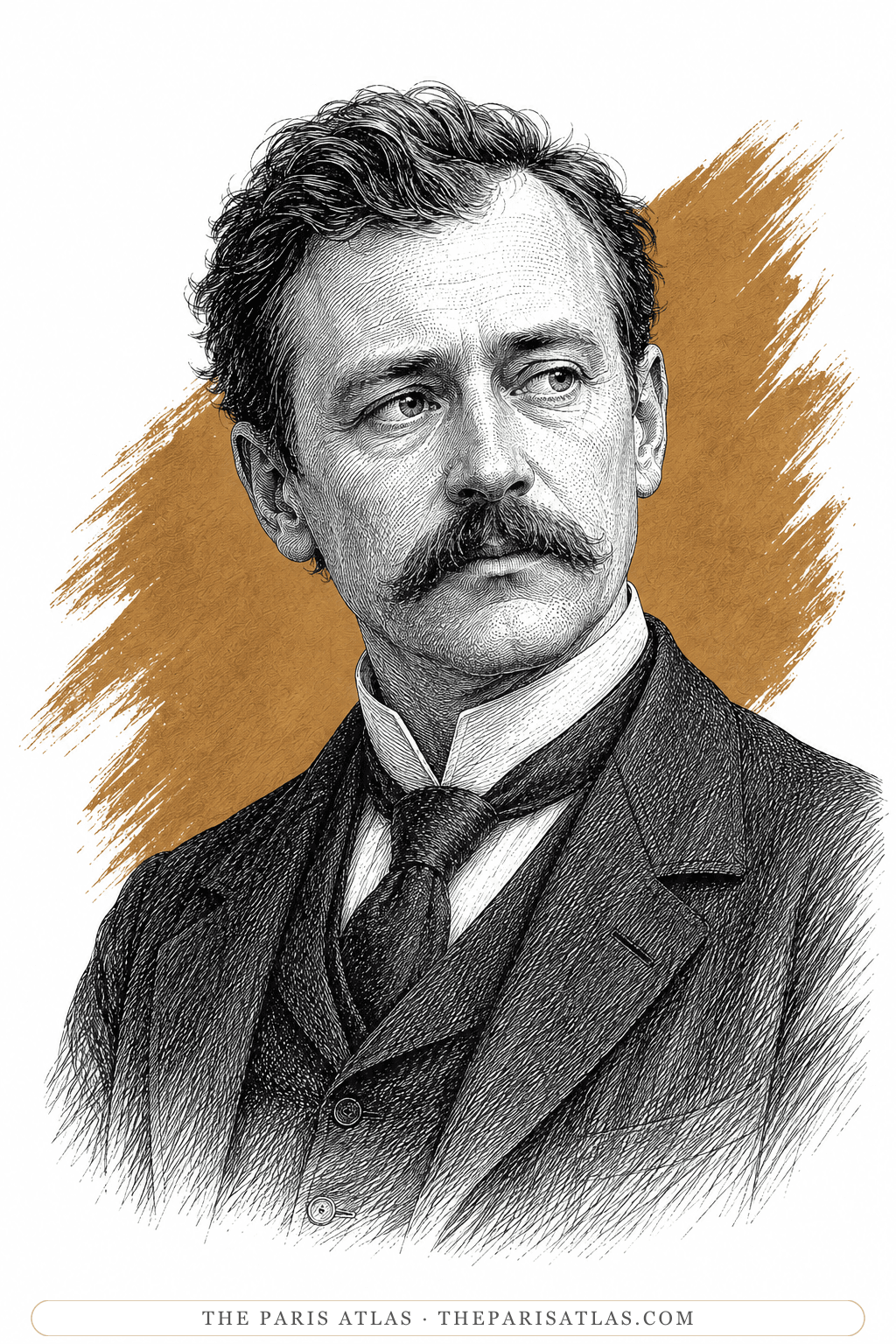
The editor
The newspaper editor who sometimes pays for the narrator’s work and offers a legitimate route out of poverty.
To publish usable work while dealing fairly with a talented but unreliable contributor.
The book

At a glance
- Newspaper editor
- Receives the narrator’s articles
- Can accept, reject, and pay for submissions
Who they are in the book
Spoiler-freeThe editor judges the narrator’s submitted articles and occasionally accepts one. Payment can briefly change the narrator’s material circumstances.
The editor is practical rather than cruel. The narrator’s inability to write reliably keeps this professional connection from becoming stable support.
How The editor Is Portrayed
- Practical readerHe responds to manuscripts rather than to the narrator’s fantasies about greatness.
- Occasional lifelineAn accepted article provides food and temporary relief.
- Professional distanceHe cannot solve the narrator’s physical or emotional crisis.
- Measure of instabilityThe narrator’s talent matters, but hunger keeps interrupting the work that would earn payment.
He remains one possible source of work, but the narrator leaves the city before writing becomes a dependable living.
If you like Hunger


If you like Knut Hamsun
Explore authors with a similar voice, perspective, and influence.
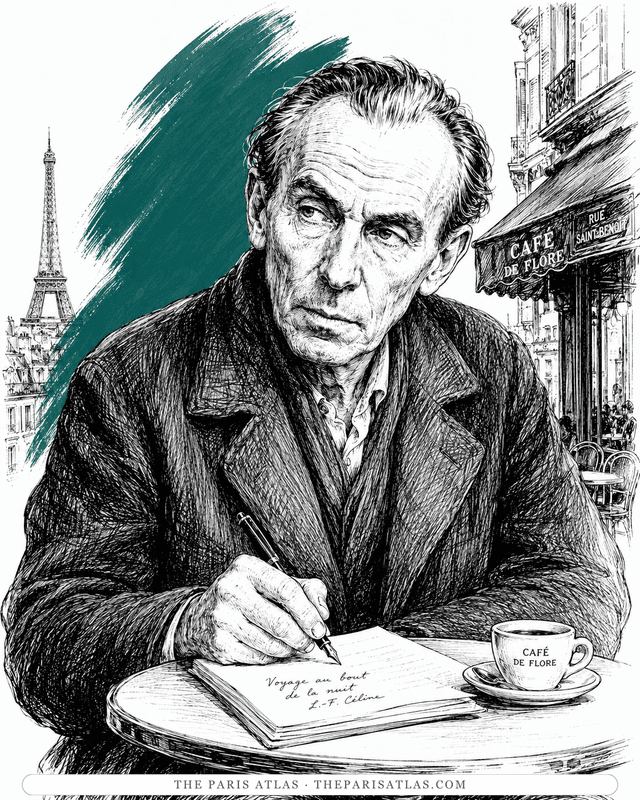
Louis-Ferdinand Céline
The doctor of the Paris slums who wrote the century's blackest, funniest novel — and changed the sound of French prose.
View author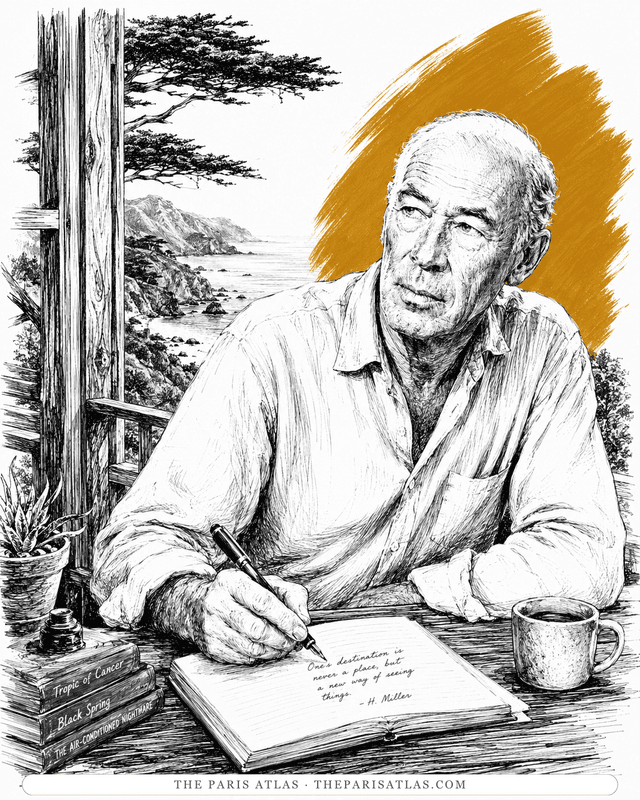
Henry Miller
The Brooklyn dropout who arrived in Paris broke at thirty-eight and wrote the exuberant, banned books that ended American censorship.
View author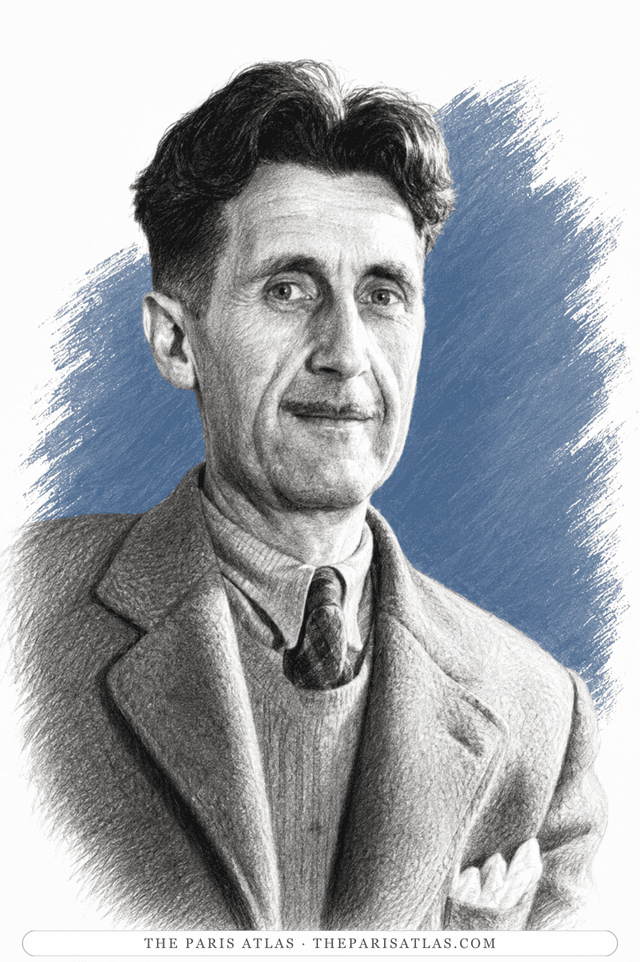
George Orwell
English novelist, essayist and journalist, born Eric Arthur Blair, who wrote Animal Farm and Nineteen Eighty-Four. He was an imperial policeman in Burma, a plongeur in Paris kitchens off the rue Mouffetard, and a militiaman shot through the neck in Spain before any of it.
View author