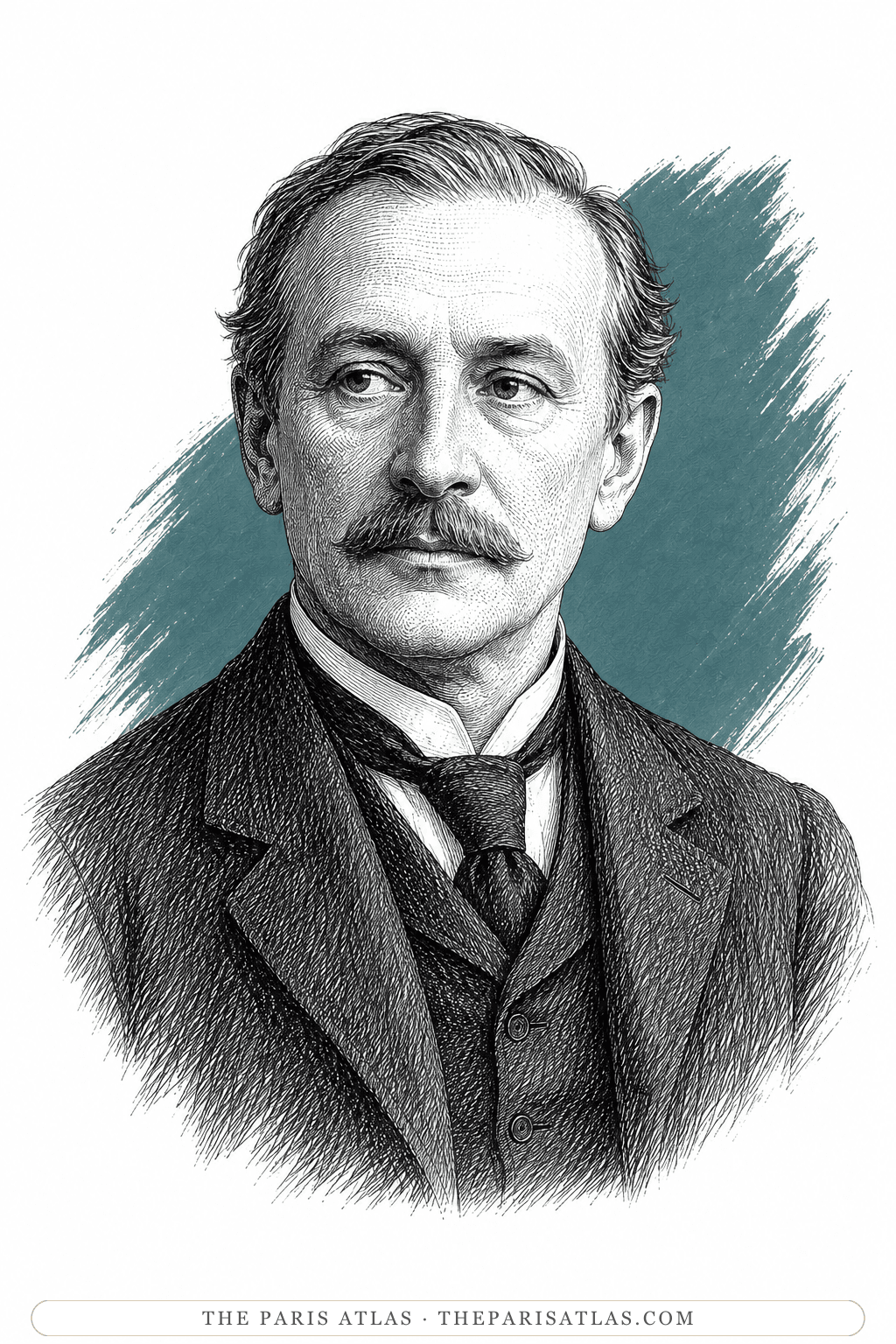
The pawnbroker
The tradesman who turns the narrator’s dwindling possessions into small amounts of money.
To assess collateral and conduct ordinary transactions without participating in the narrator’s private drama.
The book

At a glance
- Pawnbroker
- Provides cash against the narrator’s possessions
- Makes material decline visible
Who they are in the book
Spoiler-freeThe pawnbroker belongs to the narrator’s practical survival economy. Clothes and personal objects become collateral when writing does not pay.
Each transaction makes the narrator’s shrinking margin of safety visible. The pawnbroker supplies money, but only by taking temporary possession of something the narrator can no longer afford to keep.
How The pawnbroker Is Portrayed
- Reserved mannerThe transaction stays practical even when it feels humiliating to the narrator.
- Counter and collateralSmall personal objects are treated according to exchange value.
- Repeated necessityPawning becomes part of the narrator’s routine rather than a single crisis.
- Measure of lossEach visit shows that fewer possessions remain between hunger and complete destitution.
The pawnbroker cannot provide lasting stability. The narrator continues losing possessions and eventually leaves the city to work at sea.
If you like Hunger


If you like Knut Hamsun
Explore authors with a similar voice, perspective, and influence.
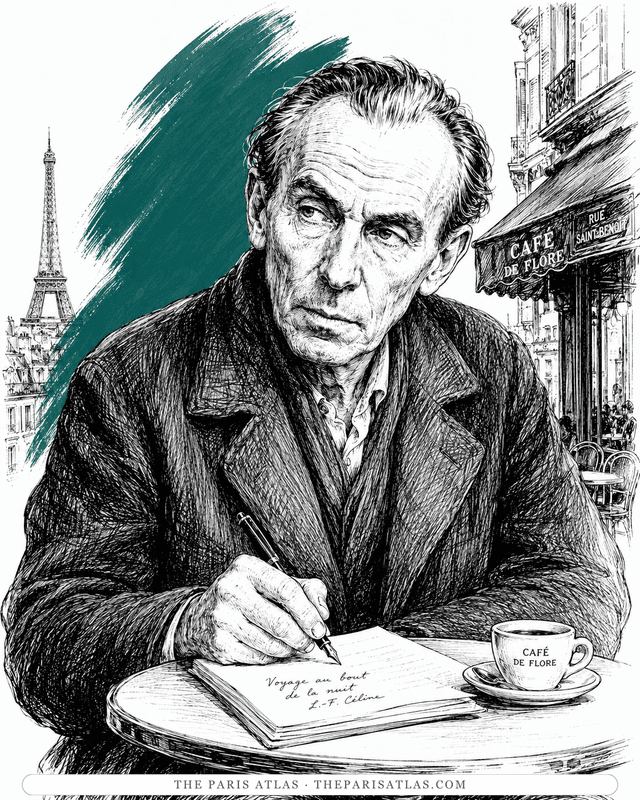
Louis-Ferdinand Céline
The doctor of the Paris slums who wrote the century's blackest, funniest novel — and changed the sound of French prose.
View author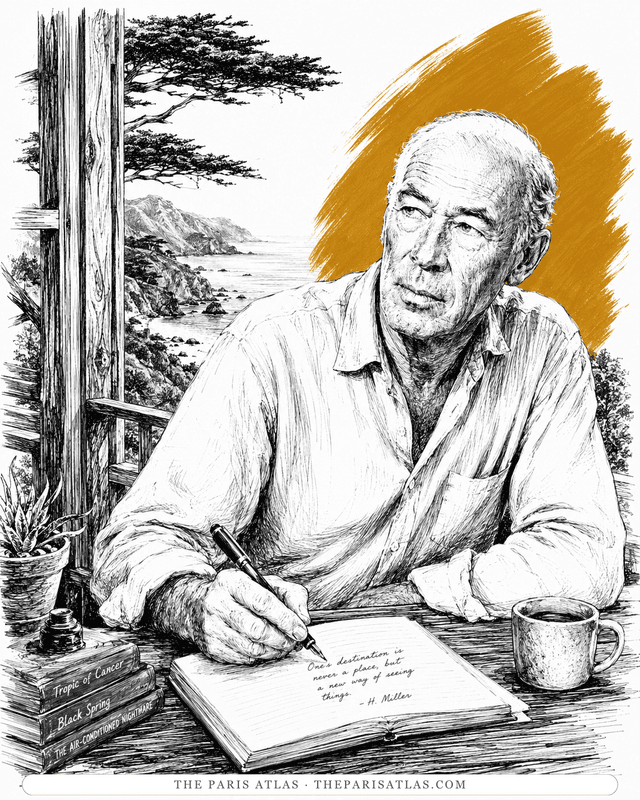
Henry Miller
The Brooklyn dropout who arrived in Paris broke at thirty-eight and wrote the exuberant, banned books that ended American censorship.
View author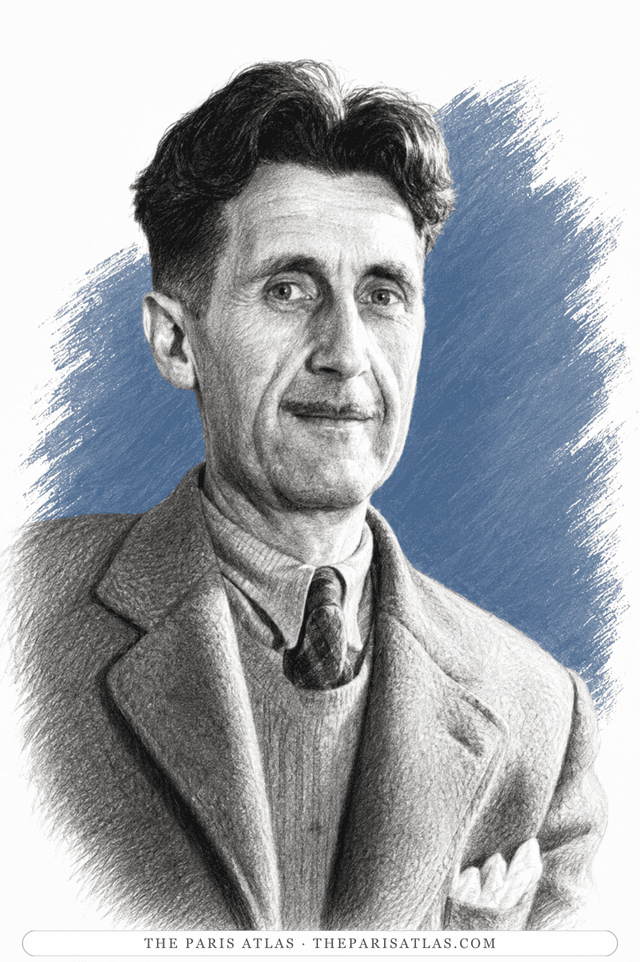
George Orwell
English novelist, essayist and journalist, born Eric Arthur Blair, who wrote Animal Farm and Nineteen Eighty-Four. He was an imperial policeman in Burma, a plongeur in Paris kitchens off the rue Mouffetard, and a militiaman shot through the neck in Spain before any of it.
View author