
Island
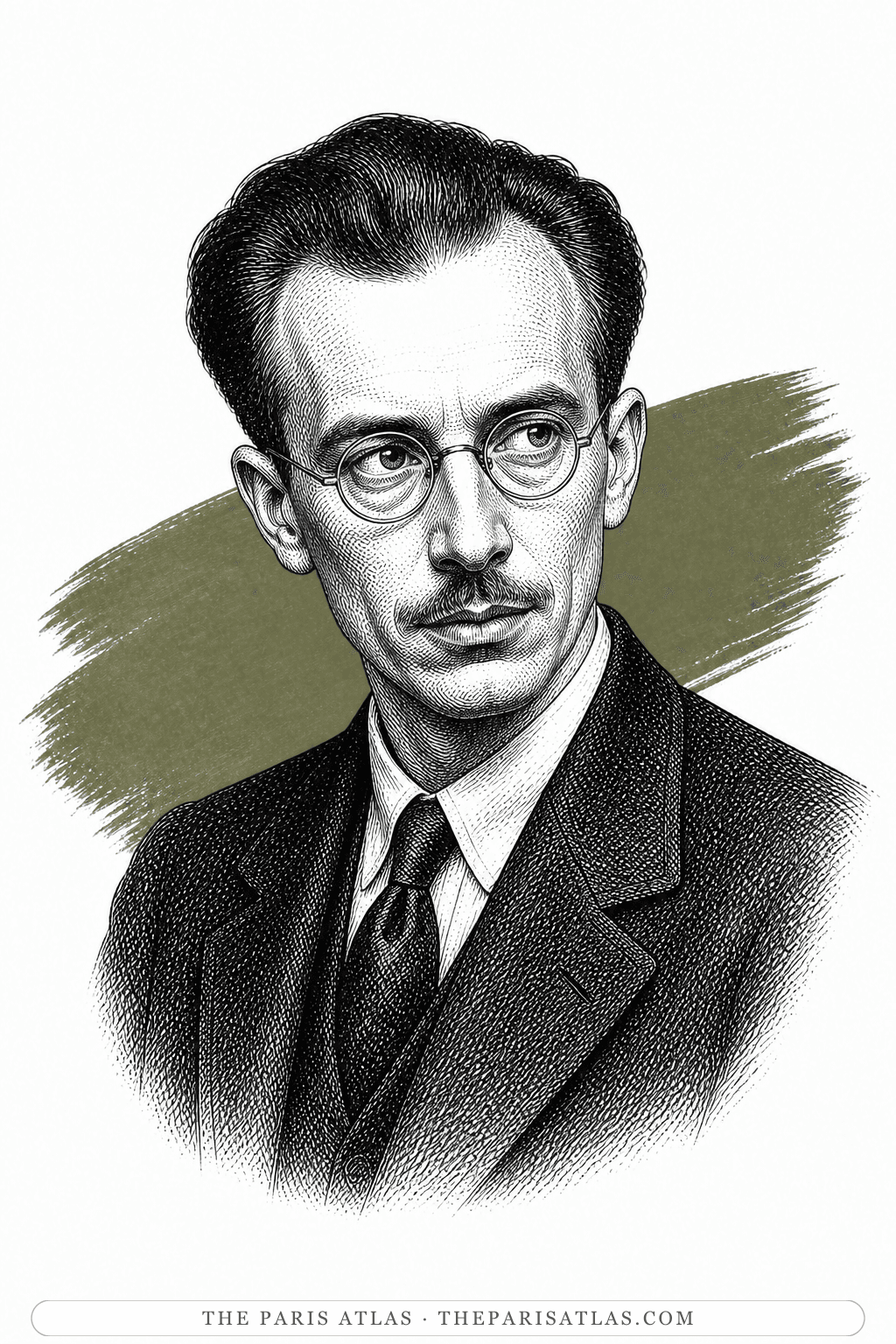
Aldous Huxley
Island
Aldous Huxley's last novel imagines a good society on the island of Pala, and sends a cynical journalist to help oil men take it over.
- 1962
- 384
- political
- challenging
- voice-driven
About Aldous Huxley
The story, briefly
Spoiler-freeIsland is Aldous Huxley's last novel, published by Harper in New York in March 1962. On the Pacific island of Pala, people have spent more than a hundred years joining Western science with Eastern religion to build a good society. Will Farnaby, a jaded journalist, is secretly working for outsiders who want the island's oil. He gets himself shipwrecked on Pala, and the longer he stays, the harder his mission becomes. Huxley meant the book as the hopeful counterpart to Brave New World.
The story, in more detail
Pala is an invented island in the Pacific. Its people live together in close communities, study and meditate, and aim for a heightened state of consciousness. The publishers of the novel describe their way of life as a meeting of Western science and Eastern philosophy.[1][2]
Will Farnaby arrives as a spy. HarperCollins describes him as a jaded newspaperman who arranges his own shipwreck on the island, working for people who want to take it over. The prize is Pala's oil. The Kirkus review of 1962 adds that he has been commissioned to bring the island's government into line so that the oil can be drilled.[2][3]
The island changes him. Vintage Classics says he quickly falls in love with the Palanese way of life, until his mission becomes an intolerable burden and he has to make a difficult choice. HarperCollins says that his time on Pala overturns his values and gives him hope.[1][2]
Themes and analysis
Brave New World turned the other way
Huxley wrote Island thirty years after Brave New World, and the two books answer each other. The Kirkus reviewer in 1962 put it simply. The earlier book was defined by a drug called soma, which makes people forget. Island is defined by a hallucinogen, the moksha-medicine, which makes people more aware.
Some of Pala's arrangements sound like the World State of Brave New World, but they serve a different purpose. The Kirkus review lists birth control, artificial insemination and a reformed Mahayana Buddhism, the branch of Buddhism found across much of East Asia. Children grow up with many adults to care for them, not only their parents.
The Kirkus reviewer called the book something of a treatise with a story attached, though also good, clean metaphysical fun. The New York Times Book Review, quoted by the publisher, called it Huxley's final word about the human condition and the chance of a good society. Anthony Burgess praised its learning and its honest attempt to answer the big human questions.
A last novel, written while things fell apart
Huxley was working on Island by July 1956, when he and his second wife, Laura Archera, moved into a house on Deronda Drive in Los Angeles. He finished it in June 1961. The last weeks of the work brought a disaster. In May 1961 a fire destroyed the Huxleys' home in the Hollywood hills, with his manuscripts inside.
His health was failing too. In 1960 a dentist in Kansas removed a small growth from his mouth but did not remove all of it, and it became cancer of the tongue. Huxley refused surgery, because it would have damaged his speech. Dunaway writes that his illness only made him finish Island with more fervour, though he found a utopia far harder to write than a dystopia.
Harper published the novel on 28 March 1962, and Chatto & Windus published it in London the same year. Huxley died in Los Angeles on 22 November 1963. In the 1960s Island found a young audience. Dunaway counts sixteen printings bought by those readers.
Island in Paris
Island has no Paris setting, and Huxley did not write it in France. Its French life began with Plon, the Paris house that had published his Point Counter Point as Contrepoint in 1930. Plon brought out Île in 1963, translated by Mathilde Treger. The book appeared in Feux croisés, the same series of foreign fiction that had carried Contrepoint.
The translation has stayed in print. Presses Pocket in Paris published a paperback in 1979. Plon reissued Île in 2013, with the translation revised by Hélène Cohen.
Why we recommend it
The answer to Brave New World
Where soma makes people forget, Pala's moksha-medicine makes them more aware. Huxley's last novel reverses his most famous one.
A utopia with a threat hanging over it
Outsiders want Pala's oil, and the man sent to help them is the one the island is changing.
Huxley's last word
Written while his house burned and his cancer spread, and published the year before he died.
What this book explores
The people in its pages
Will Farnaby
A cynical journalist who gets himself shipwrecked on Pala as an agent for men who want its oil, and is changed by what he finds.
Bring it to book club
- Pala uses a drug to make people more aware, where Brave New World used one to make them forget. Is the difference as clear as Huxley thinks?
- Will Farnaby arrives as a spy. What changes him, and how much?
- Huxley found a utopia far harder to write than a dystopia. Why might that be?
- Which of Pala's customs would you want in your own society, and which would you refuse?
- Pala has oil, and powerful neighbours who want it. What does the novel suggest about whether a good society can survive in the real world?
Timeline
July 1956
Huxley is at work on Island after moving to a house on Deronda Drive in Los Angeles.
May 1961
A fire destroys the Huxleys' house in the Hollywood hills, with his manuscripts.
June 1961
Huxley finishes the novel.
28 March 1962
Harper publishes Island in New York. Chatto & Windus publishes it in London the same year.
22 November 1963
Huxley dies in Los Angeles, twenty months after publication.
1963
Plon publishes Mathilde Treger's French translation, Île, in Paris.
2009
Harper Perennial Modern Classics reissues the novel in paperback.
2013
Plon reissues Île with the translation revised by Hélène Cohen.
Book editions
Hardcover
- Hardcover
- Harper
- 1962
Hardcover
- Hardcover
- Chatto & Windus
- 1962
Paperback
- Paperback
- Plon
- 1963
- Mathilde Treger

- Paperback
- Harper Perennial Modern Classics
- 2009
- 9780061561795

- Paperback
- Vintage Classics
- 2008
- 9780099477778
Reader reviews
Readers may also like
The Doors of Perception
Aldous Huxley
The Doors of Perception
Huxley's account of taking mescaline in 1953, nine years before Island imagined a whole society using a mind-changing drug.
Read our takeThe Perennial Philosophy
Aldous Huxley
The Perennial Philosophy
Huxley's anthology of mystical writing from East and West, published seventeen years before Island.
Read our takePoint Counter Point
Aldous Huxley
Point Counter Point
Huxley's big novel of the 1920s, whose hero Mark Rampion argues for a whole, balanced human life.
Read our take
We
Yevgeny Zamyatin's earlier novel of a perfectly ordered state, the other side of the utopian coin.
Read our takeIsland: frequently asked questions
What is Island by Aldous Huxley about?
A good society on the invented Pacific island of Pala, and the cynical journalist Will Farnaby, who goes there secretly to help outsiders get its oil. Pala has joined Western science with Eastern religion, and the longer Will stays, the harder his mission becomes.
How is Island related to Brave New World?
Island is its opposite. Brave New World imagines a society kept content by a drug that makes people forget. Island imagines one that uses a drug, the moksha-medicine, to make people more aware.
What is moksha-medicine in Island?
The hallucinogenic drug the people of Pala take. The Kirkus review of 1962 contrasted it with soma in Brave New World. Soma brings forgetfulness, and moksha brings awareness.
When was Island published?
Harper published it in New York on 28 March 1962, and Chatto & Windus published it in London the same year. Huxley died twenty months later.
Was Island Aldous Huxley's last novel?
Yes. He worked on it from about 1956 and finished it in June 1961, while ill with the cancer that killed him in November 1963.
Does Island have a Paris connection?
Only through its French edition. The Paris publisher Plon brought out Île in 1963, translated by Mathilde Treger, in the same series that had carried his Point Counter Point in 1930.
Which edition has this ISBN?
ISBN 9780061561795 is the Harper Perennial Modern Classics paperback, published 20 October 2009, 384 pages.
If you like Aldous Huxley
Explore authors with a similar voice, perspective, and influence.
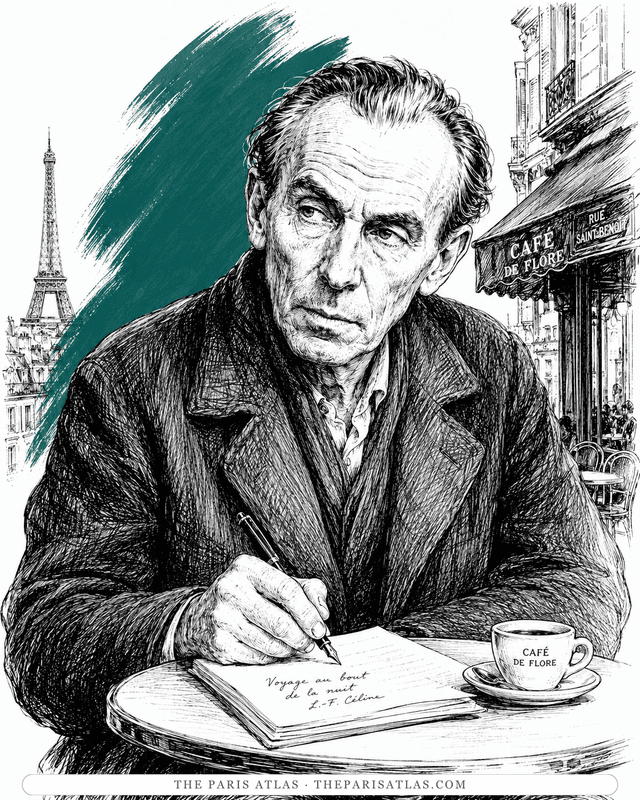
Louis-Ferdinand Céline
The doctor of the Paris slums who wrote the century's blackest, funniest novel — and changed the sound of French prose.
View author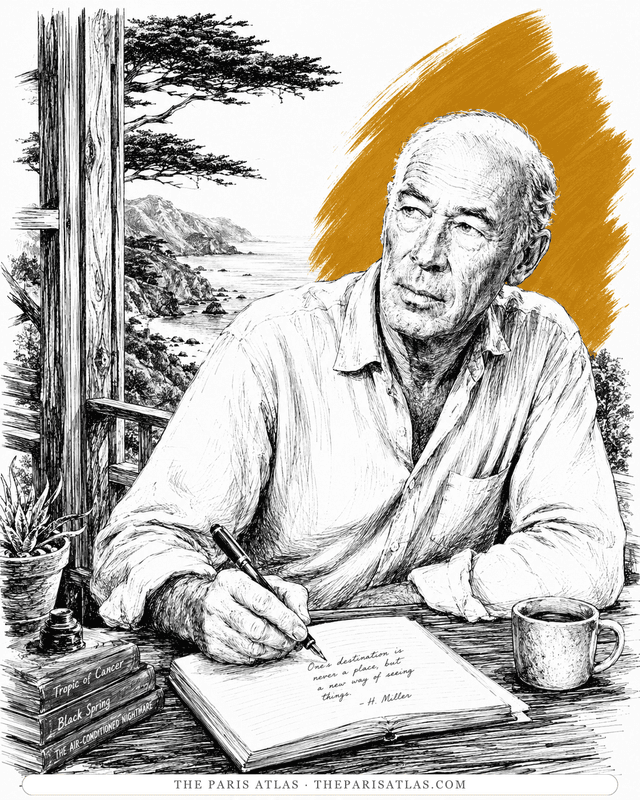
Henry Miller
The Brooklyn dropout who arrived in Paris broke at thirty-eight and wrote the exuberant, banned books that ended American censorship.
View author
Charles Bukowski
American poet and novelist of Los Angeles rooming houses, racetracks and the post office, who quit his job to write when a publisher offered him a hundred dollars a month. He came to Paris once, in September 1978, drank his way through a live television book programme and walked off the set — and French television has been replaying it ever since.
View author
References
References
The sources below include the primary text, editions, scholarship, archival materials, and other records that informed this page. They document Island, its publication, and its place in literary history.


3↑Island — contemporary review
PeriodicalKirkus Reviews, 1962Used forContemporary review: publication date, publisher, moksha-medicine and Pala's customs.

4Huxley, Aldous Leonard (1894–1963), writer
BiographyOxford Dictionary of National Biography, Oxford University Press, 2004Used forDavid King Dunaway's biography: the writing of Island, the fire, the cancer, and the book's later audience.
5Aldous Huxley: A Chronology of His Life
ArchiveAldous Huxley ArchiveUsed forDates of writing, completion and publication.
6Island (New York: Harper, 1962) — Open Library edition record OL5848457M
WebsiteOpen Library, Internet ArchiveUsed forLibrary record for the first American edition.
7Island (London: Chatto and Windus, 1962) — Open Library edition record OL13820524M
WebsiteOpen Library, Internet ArchiveUsed forLibrary record for the first British edition.
8Île, roman, translated by Mathilde Treger (Paris: Plon, Feux croisés, 1963): catalogue record
Official recordBibliothèque nationale de France, 1963Used forCatalogue record for the French translation.
9Contrepoint [1], roman, translated by Jules Castier, preface by André Maurois (Paris: Plon, Feux croisés, 1930): catalogue record
Official recordBibliothèque nationale de France, 1930Used forCatalogue record showing Plon's earlier Huxley translation in the same series.
10Island (Harper Perennial Modern Classics, 2009) — Open Library edition record OL24090696M
WebsiteOpen Library, Internet ArchiveUsed forLibrary record confirming ISBN 9780061561795, date and page count.
11Island
NovelAldous Huxley, 1962Used forThe primary text represented by this page, used for descriptions of the work’s contents and for any quoted passages shown here.
i
Why these sources are here
The primary text is the baseline reference for every book page. Additional references document publication history, interpretation, and historical context where that evidence is available.
 Explore more resources