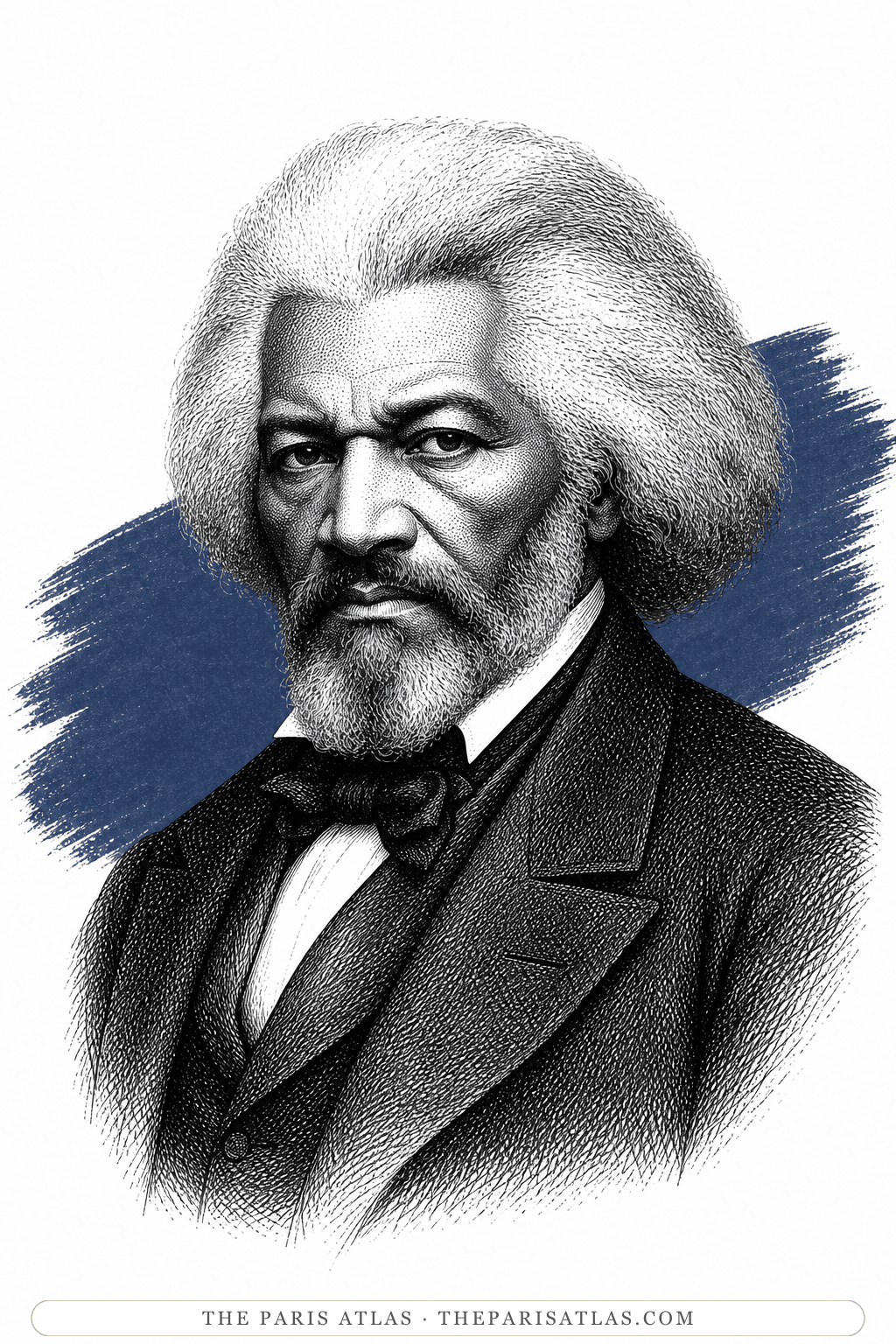
Frederick Douglass
The older Douglass reviews his enslavement, activism, public service, travels, and political decisions.
He wants freedom to include secure citizenship and equal rights for Black Americans.
The book

Who they are in the book
Spoiler-freeDouglass looks back over several different public roles. He identifies achievements, explains decisions that drew criticism, and returns repeatedly to the difference between legal emancipation and equal treatment.
How Frederick Douglass Is Portrayed
- A narrator reconsidering disclosureSecond Part, Chapter I supplies the escape method withheld in his earlier books. Douglass explains the former risks before describing the borrowed sailor's document and his appearance in sailor's clothing.
- A careful improviserIn the same chapter, he explains that the borrowed document does not describe him closely. He times his boarding to reduce scrutiny and relies on maritime knowledge to support his assumed role.
- An advocate entering official roomsThe wartime chapters present Douglass pressing Lincoln on the treatment of Black soldiers. He values personal respect from the president while continuing to argue about what the government should do.
- Looking back for other readersSecond Part, Chapter XIX explains that he has written partly to encourage readers whose ambitions need examples of success. His self-portrait is connected to an intended public use.
- An attentive travelerThe revised third part describes his pleasure in Paris's galleries, Egyptian monuments, and other sites. He repeatedly compares seeing places himself with what he had previously read or imagined.
- Answering public criticismThe final chapter of the revised edition gives his account of the Haiti negotiations. He supplies reasons for the failure and asks readers to judge evidence that he believes press criticism has omitted.
If you like Life and Times of Frederick Douglass


If you like Frederick Douglass
Explore authors with a similar voice, perspective, and influence.
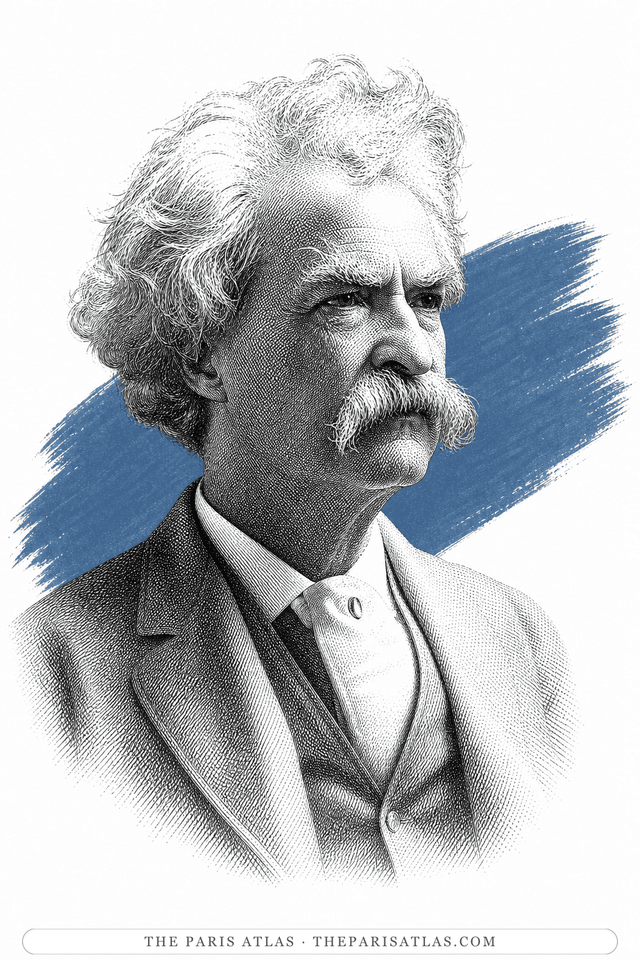
Mark Twain
The Missouri newspaperman who became America's most famous writer, and whose first book made its reputation partly out of Paris: in 1867 he arrived with a shipload of American tourists, renamed his guide Ferguson, watched the high-kicking can-can through his fingers and wrote it all down. He kept coming back — and was living in Paris in the mid-1890s, broke, while finishing the novel he considered his best, Personal Recollections of Joan of Arc.
View author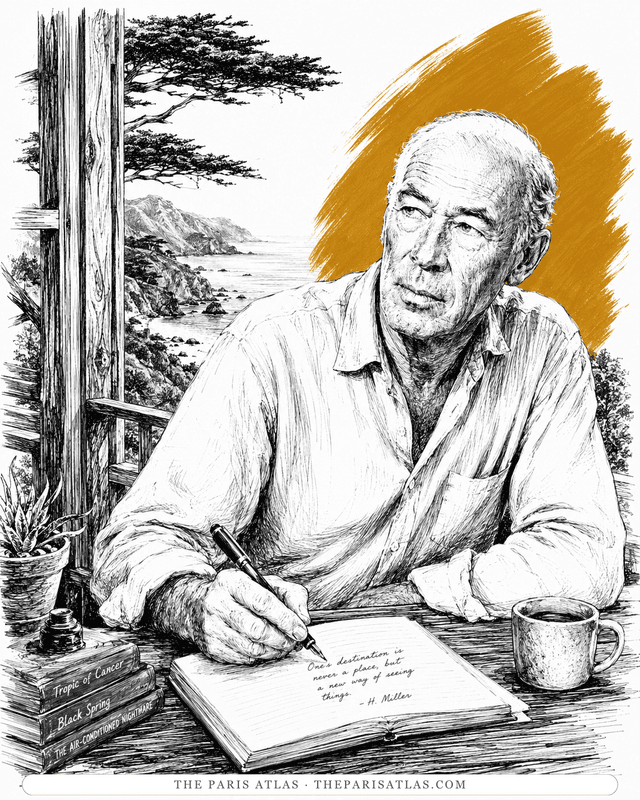
Henry Miller
The Brooklyn dropout who arrived in Paris broke at thirty-eight and wrote the exuberant, banned books that ended American censorship.
View author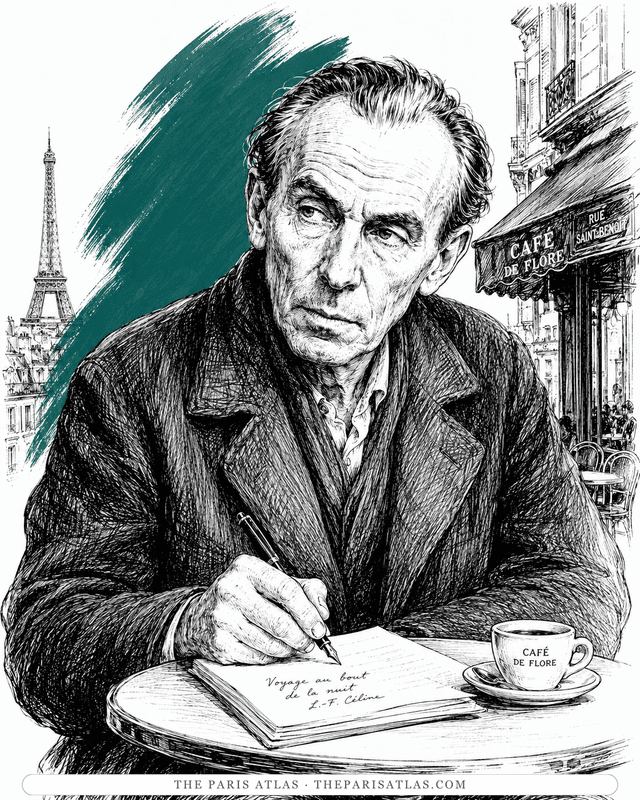
Louis-Ferdinand Céline
The doctor of the Paris slums who wrote the century's blackest, funniest novel — and changed the sound of French prose.
View author