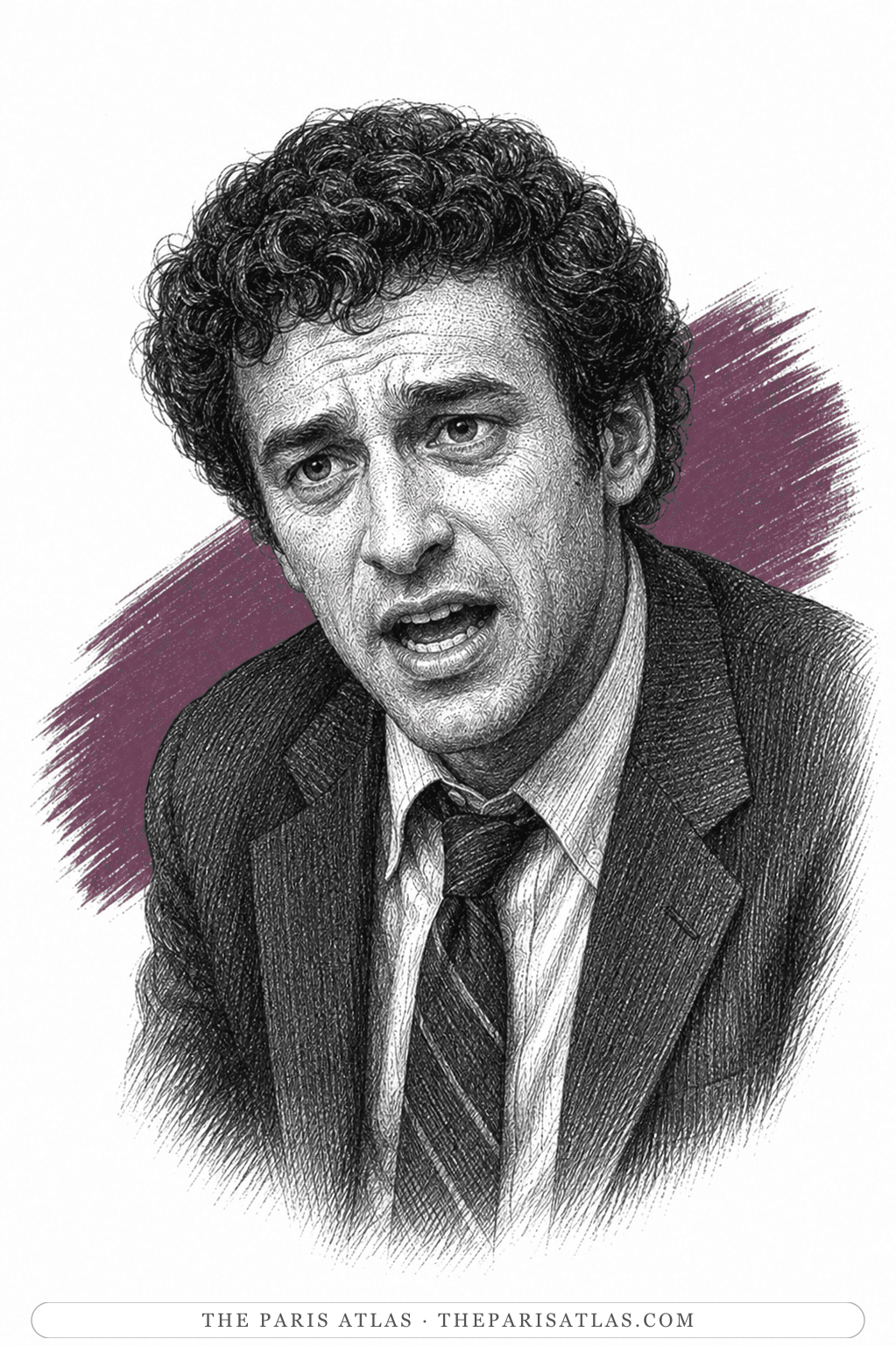
Alexander Portnoy
The successful lawyer whose psychoanalytic monologue turns desire, family, and guilt into one problem.
To escape inherited guilt, satisfy desire without consequence, and explain himself so completely that no one else can define him.
The book

At a glance
- Public-interest lawyer
- Newark childhood
- Psychoanalytic monologue
Who they are in the book
Spoiler-freePortnoy presents himself as both patient and expert witness. He can imitate his parents, prosecute his own motives, and explain the cultural meaning of every fantasy, yet the fluency keeps him in control of the session.
His respectable work in civil rights complicates the private portrait. The novel does not reduce him to hypocrisy, but it refuses to let public virtue erase cruelty toward intimate partners.
How Alexander Portnoy Is Portrayed
- Late-1960s professional manHis suit reflects genuine career success.
- Expressive speaking faceConfidence and panic coexist.
- Restless eyesHe anticipates objection even while alone.
- Forward-leaning postureThe monologue feels physically urgent.
- Close engraved bustNo couch or therapist appears.
- Muted plum accentThe color distinguishes him from earlier red portraits.
His monologue ends after sexual failure and humiliation in Israel. Spielvogel’s first sentence reveals that actual analysis is only beginning.
If you like Portnoy’s Complaint


If you like Philip Roth
Explore authors with a similar voice, perspective, and influence.

Henry Miller
The Brooklyn dropout who arrived in Paris broke at thirty-eight and wrote the exuberant, banned books that ended American censorship.
View author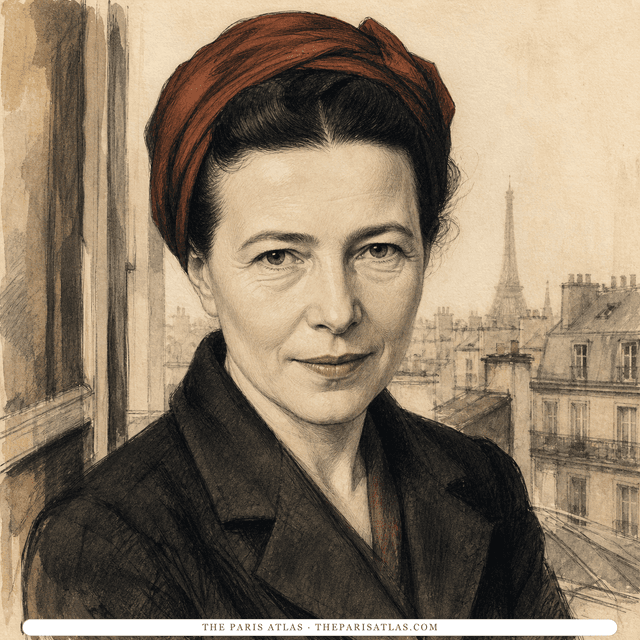
Simone de Beauvoir
French writer and philosopher whose novels, memoirs, and social analysis examined freedom, gender, responsibility, aging, and the material conditions that shape a life.
View author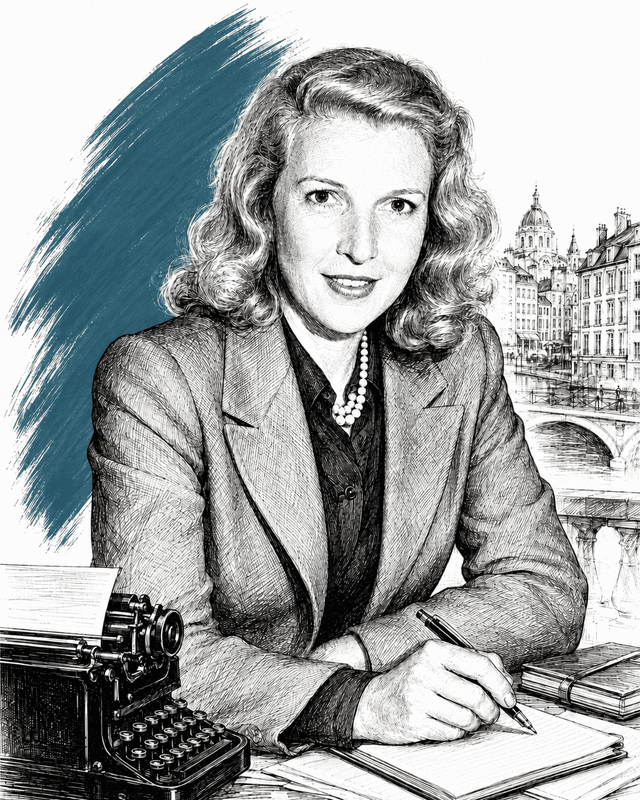
Martha Gellhorn
War correspondent who covered the Spanish Civil War, D-Day, and conflicts across five more decades; Hemingway's third wife, 1940–1945.
View author