
Mary Jane Reed
Portnoy’s sexually adventurous girlfriend, whom his belittling nickname reduces but never fully defines.
To be loved without being treated as socially inferior or converted into a prop in someone else’s rebellion.
The book

At a glance
- ‘The Monkey’ in Portnoy’s narration
- Important girlfriend
- Desire mixed with class contempt
Who they are in the book
Spoiler-freeMary Jane is open, energetic, and willing to build a life with Portnoy. He desires that freedom while repeatedly using her education and class background to establish superiority.
A clear character portrait must resist the nickname ‘the Monkey’ and show the adult woman whose actions, pain, and confidence exceed Portnoy’s biased description.
How Mary Jane Reed Is Portrayed
- Young adult womanShe is presented as a person, not a sexual caricature.
- Confident 1960s clothingPeriod style feels independent and lived-in.
- Resistant direct gazeShe does not accept Portnoy’s version of her.
- Relaxed self-possessionOpenness is not stupidity.
- Close engraved bustNo erotic pose or nickname imagery appears.
- Muted green accentThe color gives her a distinct visual identity.
The relationship deteriorates under Portnoy’s cruelty and inability to accept intimacy without hierarchy. They do not form a lasting partnership.
If you like Portnoy’s Complaint


If you like Philip Roth
Explore authors with a similar voice, perspective, and influence.
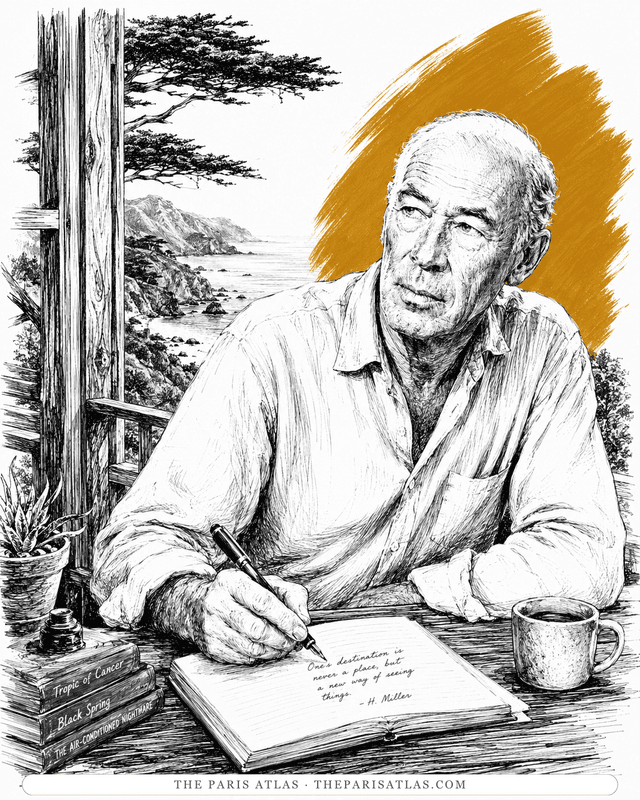
Henry Miller
The Brooklyn dropout who arrived in Paris broke at thirty-eight and wrote the exuberant, banned books that ended American censorship.
View author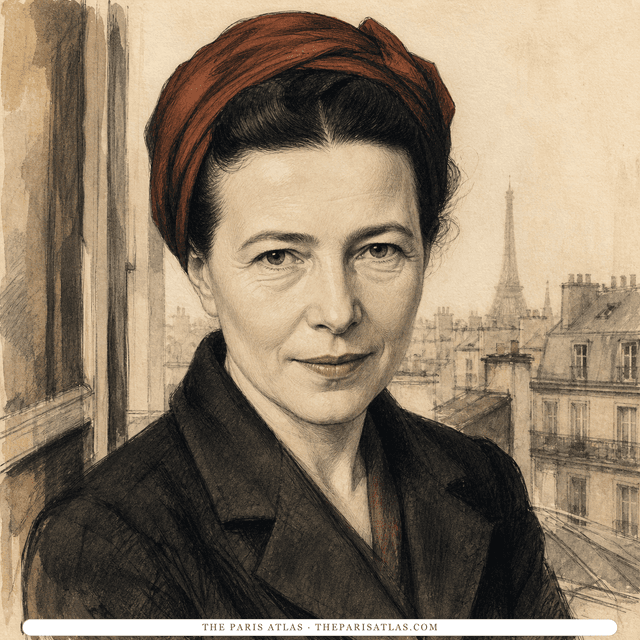
Simone de Beauvoir
French writer and philosopher whose novels, memoirs, and social analysis examined freedom, gender, responsibility, aging, and the material conditions that shape a life.
View author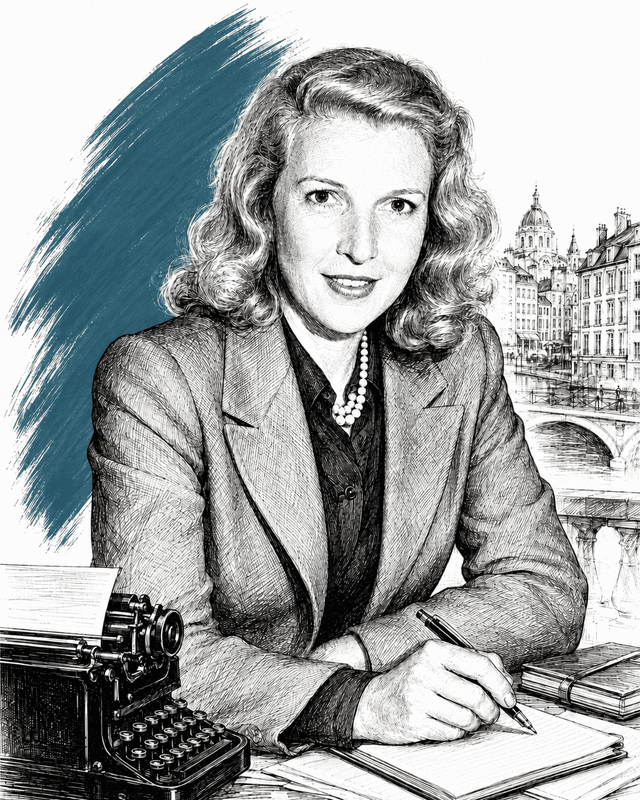
Martha Gellhorn
War correspondent who covered the Spanish Civil War, D-Day, and conflicts across five more decades; Hemingway's third wife, 1940–1945.
View author