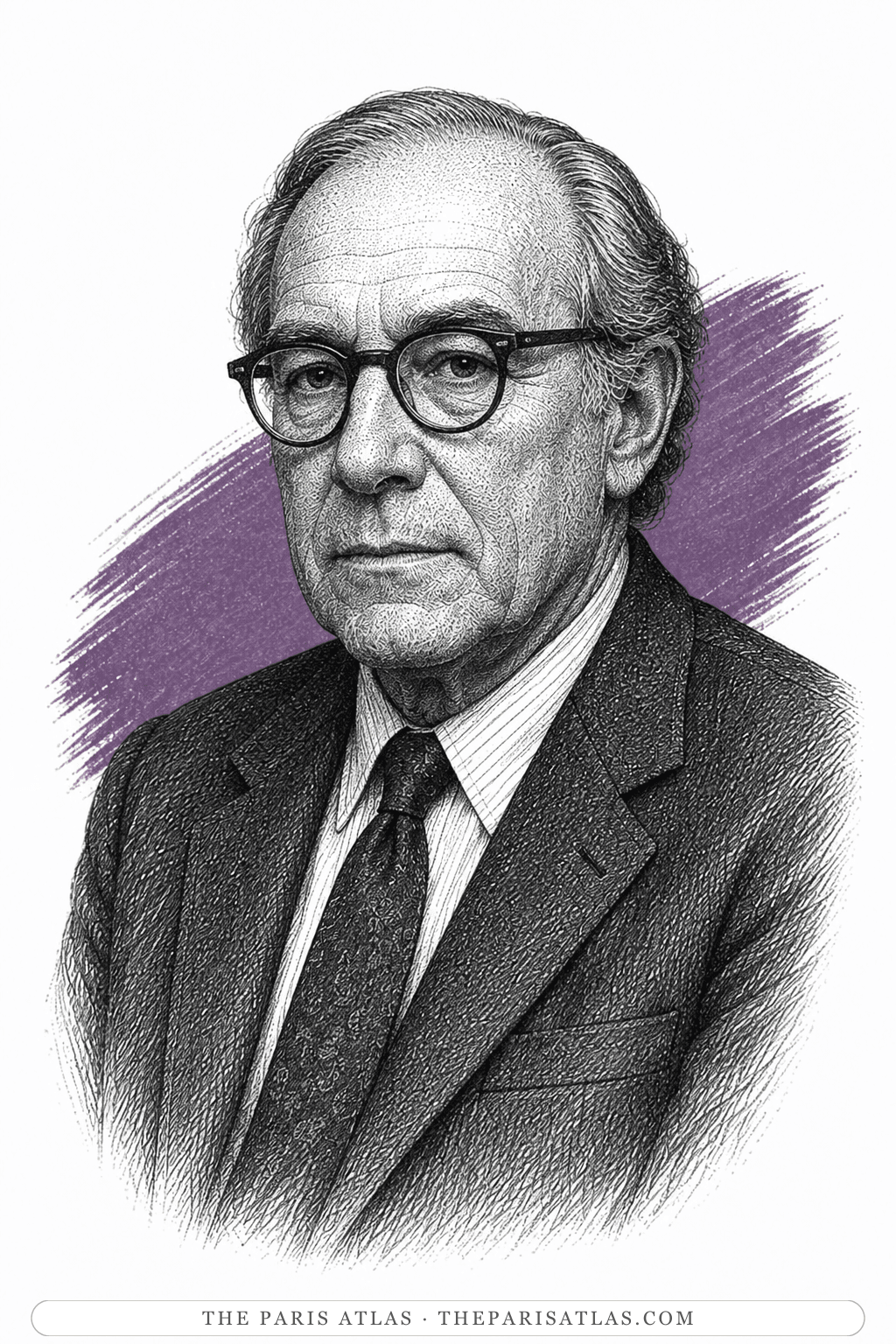
Dr. Spielvogel
The silent psychoanalyst whose one final sentence changes the meaning of the entire confession.
To listen beyond Portnoy’s performance and begin analysis only after the opening monologue has exhausted itself.
The book

At a glance
- Psychoanalyst
- Alexander Portnoy
- One line at the end
Who they are in the book
Spoiler-freeSpielvogel listens while Portnoy fills the session with family voices, jokes, accusations, memories, and theories. His silence leaves the patient free to imagine that self-description is the same as analysis.
When he finally speaks, the novel reveals how little the reader knows about the listener and how completely Portnoy has controlled the preceding performance.
How Dr. Spielvogel Is Portrayed
- Older psychoanalystAge and professional calm contrast with the patient’s speed.
- Neutral attentive expressionHe neither condemns nor reassures.
- Conservative suitThe setting is late-1960s professional practice.
- Still postureSilence becomes his defining presence.
- Close engraved bustNo couch or visible notebook appears.
- Muted violet accentThe reserved tone suits his distance.
Spielvogel says that the analysis can now begin, reframing the entire novel as Portnoy’s preliminary statement.
If you like Portnoy’s Complaint


If you like Philip Roth
Explore authors with a similar voice, perspective, and influence.
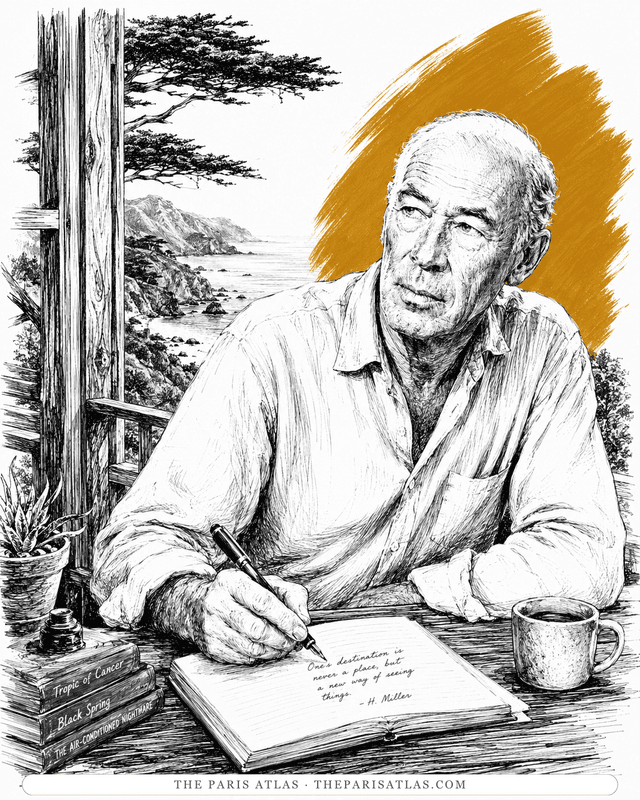
Henry Miller
The Brooklyn dropout who arrived in Paris broke at thirty-eight and wrote the exuberant, banned books that ended American censorship.
View author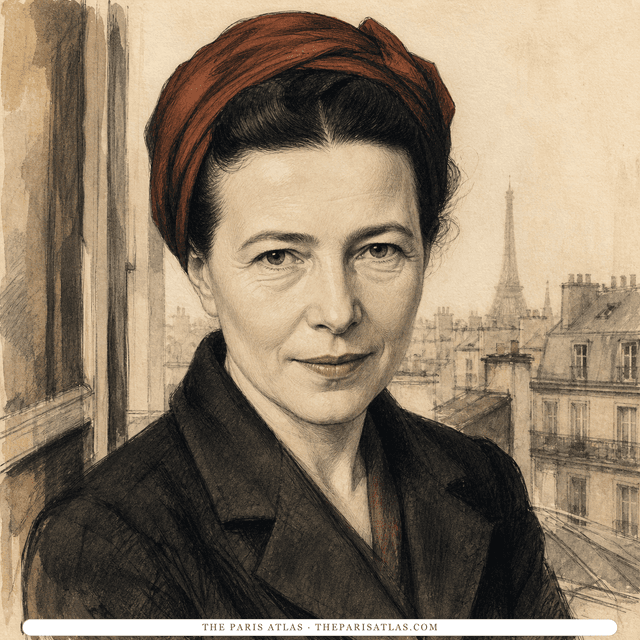
Simone de Beauvoir
French writer and philosopher whose novels, memoirs, and social analysis examined freedom, gender, responsibility, aging, and the material conditions that shape a life.
View author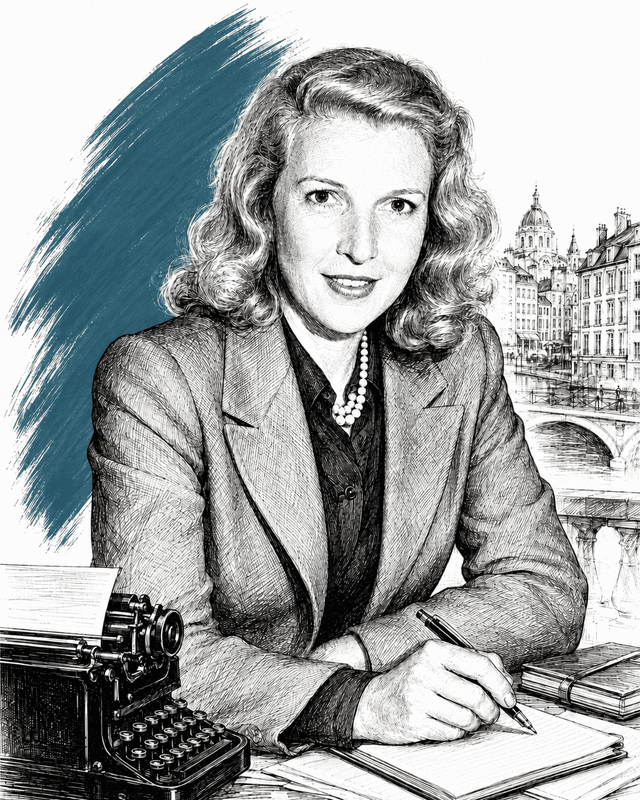
Martha Gellhorn
War correspondent who covered the Spanish Civil War, D-Day, and conflicts across five more decades; Hemingway's third wife, 1940–1945.
View author