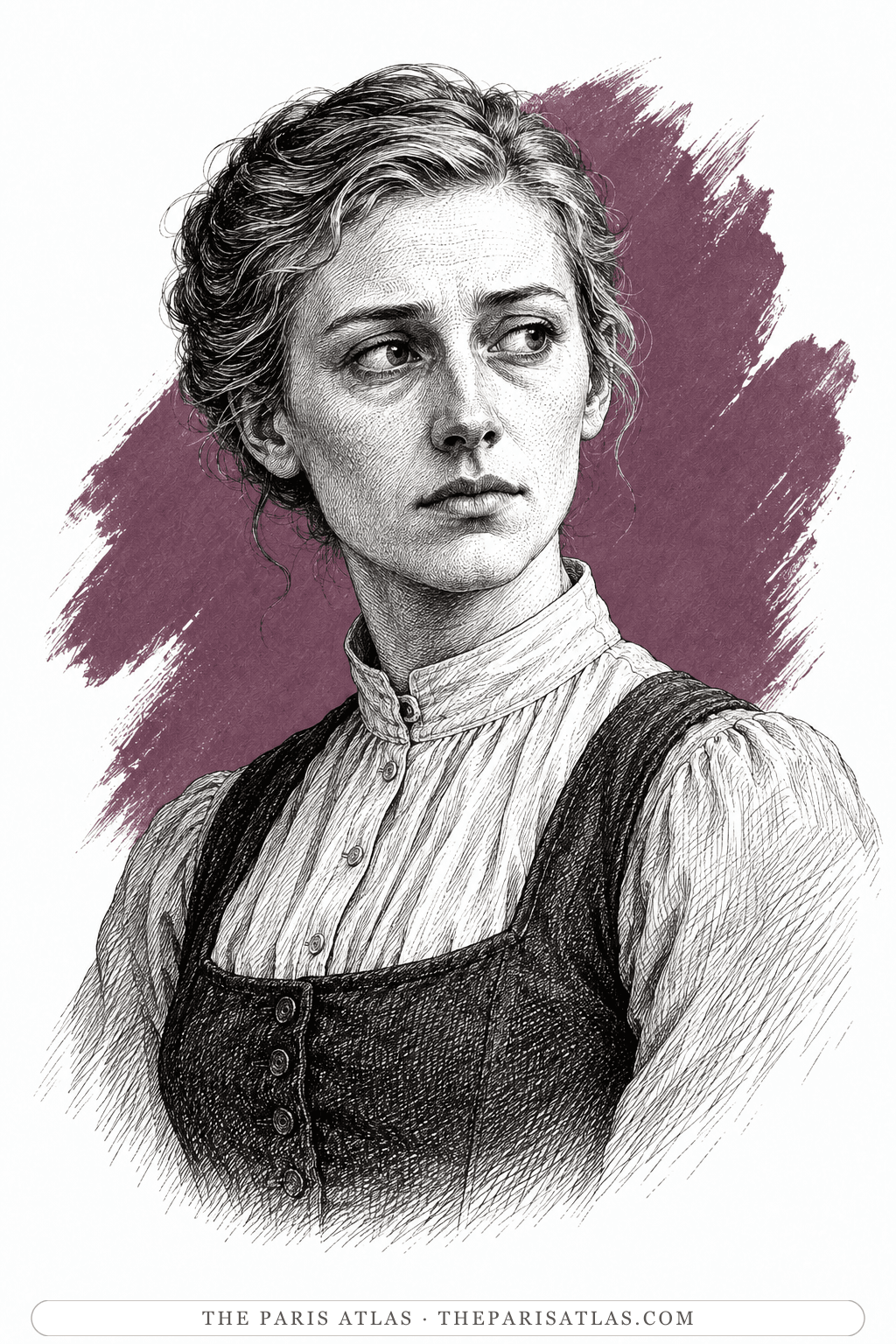
Frieda
The fictional barmaid who leaves Klamm for K., then questions the life his ambitions offer her.
She wants a life with K. that gives her his company, without the constant interference of officials, assistants and other people’s judgments.
The book

Who they are in the book
Spoiler-freeFrieda’s small, tired appearance contrasts with her authority in the bar. Once she leaves that position, her desire for K.’s attention becomes increasingly difficult to reconcile with his campaign.
How Frieda Is Portrayed
- Controlling the view of KlammIn Chapter III, Frieda shows K. the peephole through which he can see Klamm. She later closes it with a wooden plug. Her position gives her control over a small but valuable form of access.
- Clearing the bar in Klamm’s nameIn Chapter III, Frieda drives Klamm’s unruly servants out with a whip and an order invoking him. Her authority works because of that name, although the task of controlling the room falls to her.
- Refusing to answer the summonsIn Chapter III, Frieda stays with K. when Klamm calls for her. She announces her choice through the door and leaves the inn with a bundle of clothes. Choosing K. immediately costs her an established position.
- Hearing marriage tied to an interviewIn Chapter IV, the landlady asks what security K. can offer Frieda. He agrees to guarantees but says he must first speak with Klamm. Frieda protests that the interview is impossible. Practical plans for marriage become another argument about access.
- Asking for a life elsewhereIn Chapter XIII, Frieda proposes leaving for southern France or Spain. She explains that she wants more of K.’s company, while he keeps turning the conversation toward Klamm. Her request identifies a need his explanations do not answer.
- Ending the engagementIn Chapter XVIII, Frieda tells K. that there will be no marriage and that she is returning to the taproom. She has left the school with Jeremiah. Despite a brief renewal of tenderness, she chooses to nurse him and bars K. from her room.
If you like The Castle


If you like Franz Kafka
Explore authors with a similar voice, perspective, and influence.
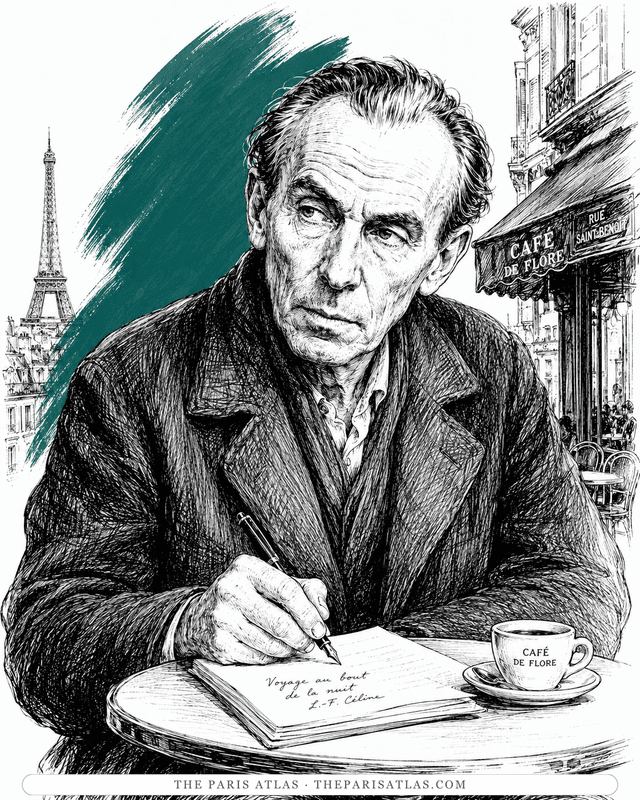
Louis-Ferdinand Céline
The doctor of the Paris slums who wrote the century's blackest, funniest novel — and changed the sound of French prose.
View author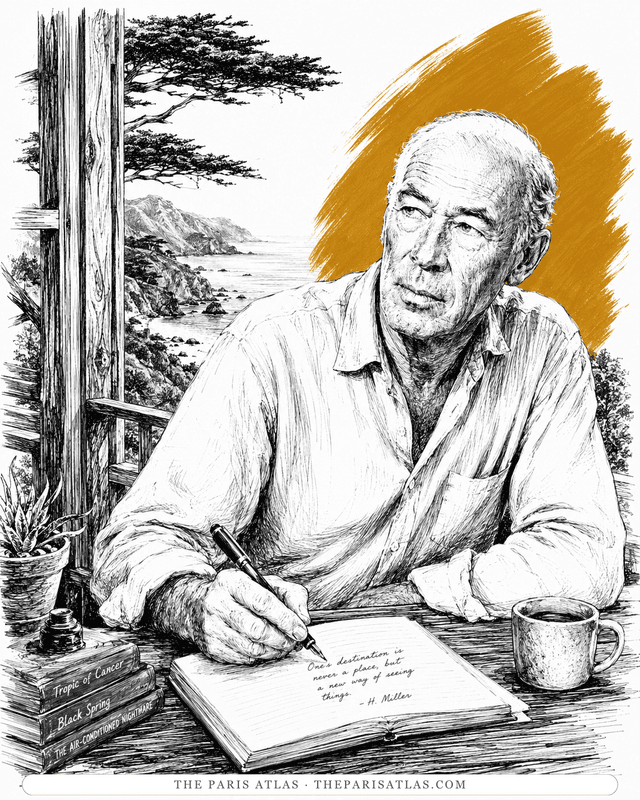
Henry Miller
The Brooklyn dropout who arrived in Paris broke at thirty-eight and wrote the exuberant, banned books that ended American censorship.
View author
Paul Bowles
American novelist and composer whose expatriate fiction explores dislocation, unstable intimacy, fatalism, and North Africa.
View author