The Paris AtlasCharting the artists, works, and places worth returning to.
Cover of The Collected Poems by Sylvia Plath

The Collected Poems

by Sylvia Plath

The 1981 volume gathers Plath's poetry across years, with editorial notes and an early-work appendix.

Published
1981
Setting
Shelf rating
5.0

About Sylvia Plath

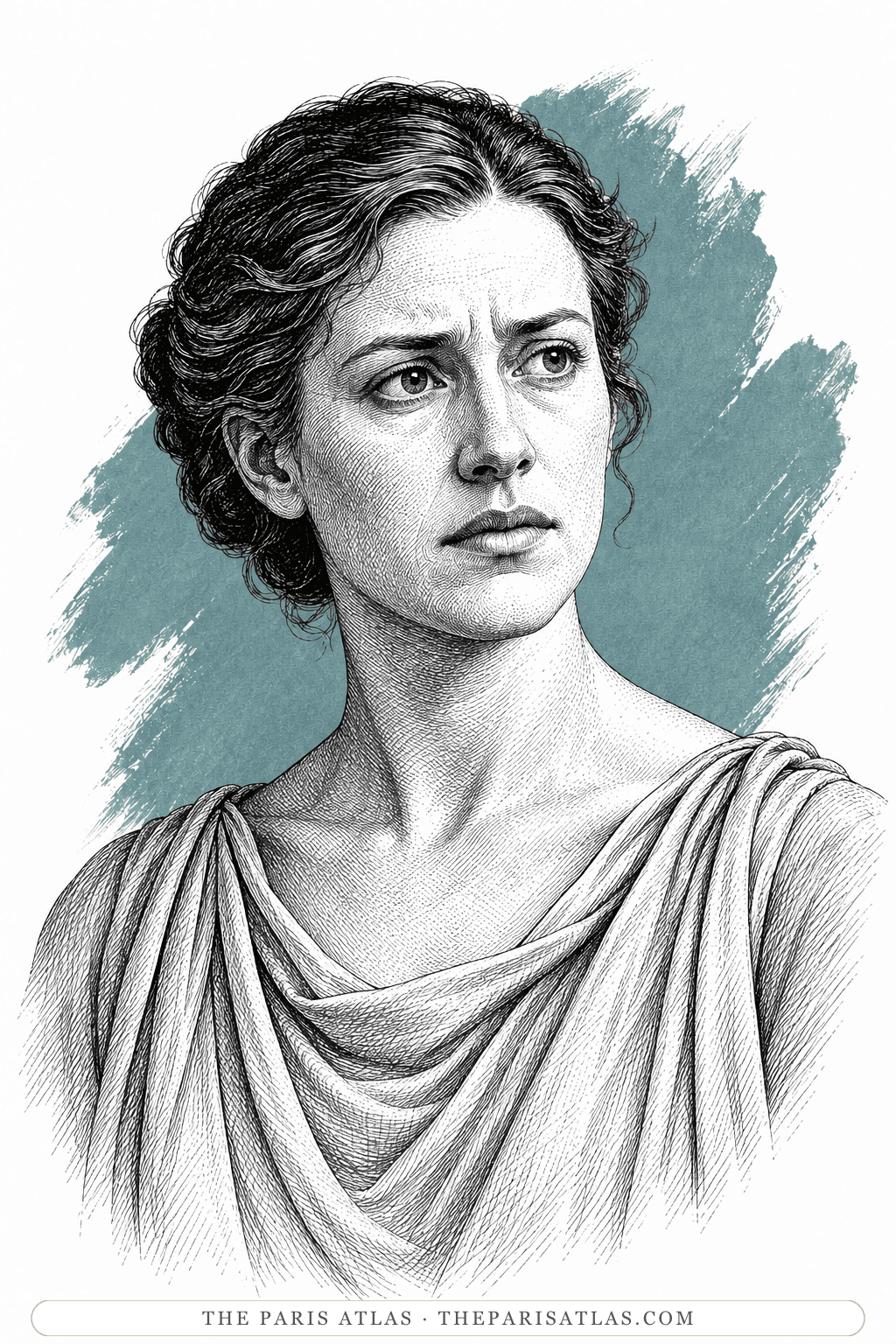
Illustrated portrait of Sylvia Plath
Sylvia Plath

4 books shelved

The story, briefly

Spoiler-free

The Collected Poems is Sylvia Plath's 1981 poetry volume, edited by Ted Hughes. It gathers 224 poems from 1956–1963 and adds fifty selected early poems in an appendix. The book won the 1982 Pulitzer Prize for Poetry. Its chronological arrangement offers a broader view than any one of Plath's individual collections.

The story, in more detail

The volume lets readers place famous poems beside less familiar work. The early Conversation Among the Ruins imagines an encounter as damage to an ordered room. Later, Mirror gives an apparently ordinary object a troubling voice of its own.

Landscape can register feeling without merely illustrating it. Winter Landscape, with Rooks connects an icy scene with grief. Blackberrying begins with fruit and a path, then leads toward a coast whose scale and sound exceed the speaker's expectations.

The poems also stage disturbing relationships between desire, danger, and control. Pursuit makes a predatory animal an image of attraction as well as fear. Edge arranges a scene of death with an unsettling claim to perfection.

The book brings work from The Colossus, Ariel, Crossing the Water, and Winter Trees into one edited volume. Its chronological sequence changes the neighbors a poem has on the page, so it offers a different reading experience from the original collections.


Using the collected edition

Follow the year headings for a broad progression, or use the contents to read a particular poem. The appendix provides a selected body of early work rather than another original collection.

The editor's introduction explains that some early dates and sequences remain uncertain. Treat chronology as an editorial reconstruction with limits, especially for the earlier poems.

Keep the individual books available when their arrangement matters. A collected volume is useful for comparison and reference, but it does not reproduce every collection as an intact sequence.

Quotes from The Collected Poems

Quoted verbatim from the text, each line verified against its source.

I am silver and exact.
Sylvia Plath, Mirror, in The Collected Poems
What ceremony of words can patch the havoc?
Sylvia Plath, Conversation Among the Ruins

Why we recommend it

  1. Read beyond the familiar selections

    The early poems offer domestic scenes, landscapes, and elaborate figures of desire. They make it possible to explore interests that a short selection of late poems may leave out.

  2. Compare a recurring subject

    Read a landscape poem beside another from a different year, or follow the speakers who address family members. Similar subjects can produce very different tones and forms.

  3. Use the editorial apparatus

    The introduction and notes explain decisions behind the book. They help readers distinguish a poem's composition context from the later history of its publication.

What this book explores

Inside the book

Selected works from this book, with notes on each.

Conversation Among the Ruins

An intimate encounter becomes the wrecking of an ordered house. The figures' contrasting clothes sharpen the scene's strangeness. Its final question asks whether language can repair the damage that the encounter has made visible.

Winter Landscape, with Rooks

A swan, dark water, reeds, and winter light become part of an address shaped by loss. The landscape's hardness presses against remembered attachment. The closing question makes renewed growth uncertain.

Pursuit

A panther stalks a speaker who both fears and desires it. Escape, offering, and locked doors fail to settle that conflict. The animal's approach gives attraction a physical presence that the speaker cannot safely contain.

Blackberrying

A path rich with berries leads the speaker toward an expected sea. Intimate images of fruit and bodily color give way to wind, cliffs, and a harsh metallic sound. The ending expands the world without making that expansion reassuring.

Mirror

A mirror claims exactness and freedom from preference, then becomes a lake in which a woman searches for herself. Its language makes that claim to neutrality increasingly difficult to accept. The final image turns aging into something both intimate and frightening.

Edge

The poem presents a still scene of a dead woman and children, with rose imagery shaping the arrangement of their bodies. A claim to perfection is followed by an indifferent moon. The controlled tableau makes the language of completion deeply uneasy.

Timeline

  1. 1981

    The Collected Poems appears, edited by Ted Hughes, with a selection of fifty early poems in an appendix.

  2. 1982

    The book wins the Pulitzer Prize for Poetry.

  3. 2002

    Faber publishes the selected paperback edition on August 19.

  4. 2026

    Faber publishes the distinct, expanded The Poems of Sylvia Plath on May 5.

Book editions

Hardcover
Hardcover
Faber & Faber / Harper & Row
1981
Original collected volume, edited by Ted Hughes.
Paperback edition cover
Paperback
Faber & Faber
2002
ISBN-13
9780571118380
Selected reading edition, published August 19, 2002. Includes the editor's introduction, notes, and fifty-poem juvenilia appendix.
Ebook
Ebook
HarperCollins
2016
Authorized reprint preview consulted for the original introduction and the complete early poems on pages 21–23. This preview's publication date is not the first-edition date.

Reader reviews

Loading reviews…

Cover of Ariel by Sylvia Plath

Ariel

Sylvia Plath

The restored Ariel preserves Plath's proposed selection and order, an arrangement that a chronological collected edition does not reproduce.

Read our take
Cover of The Bell Jar by Sylvia Plath

The Bell Jar

Sylvia Plath

The novel adds sustained fiction to a reading of Plath's poetry, with a narrator whose story should remain distinct from the poems' dramatic voices.

Read our take

The Collected Poems: frequently asked questions

When was The Collected Poems by Sylvia Plath first published?

The original collected volume appeared in 1981. The Faber paperback selected here was published in 2002; that later date should not replace the original publication year.

Who edited The Collected Poems?

Ted Hughes edited the 1981 volume and supplied its introduction and notes.

Which Pulitzer Prize did it win?

The Collected Poems won the 1982 Pulitzer Prize for Poetry. The prize year is 1982, while the book's first publication year is 1981.

How many poems are in this collection?

The main body contains 224 poems from 1956–1963. An appendix adds fifty selected early poems.

Is it the same book as The Poems of Sylvia Plath from 2026?

No. The 2026 publication is a distinct, expanded volume. The 1981 collected edition does not contain every poem now known.

Does it preserve the original Ariel order?

The collected volume follows a chronology across Plath's work. For the sequence Plath proposed for Ariel, use Ariel: The Restored Edition.

If you like Sylvia Plath

Explore authors with a similar voice, perspective, and influence.

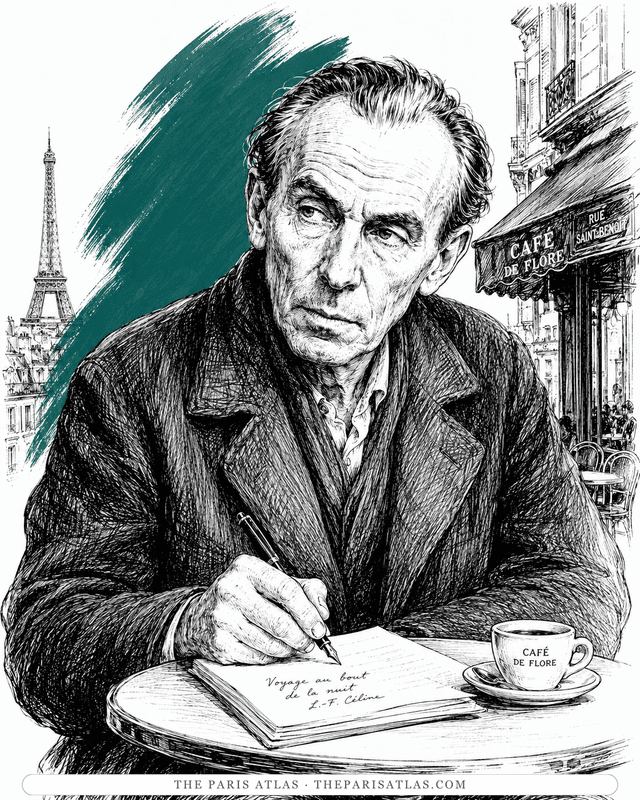
  • Illustrated portrait of Louis-Ferdinand Céline

    Louis-Ferdinand Céline

    The doctor of the Paris slums who wrote the century's blackest, funniest novel — and changed the sound of French prose.

    View author
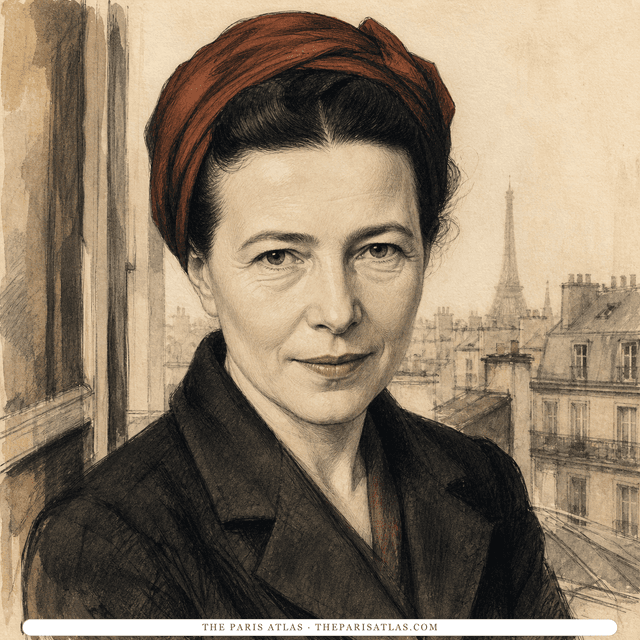
  • Illustrated portrait of Simone de Beauvoir

    Simone de Beauvoir

    French writer and philosopher whose novels, memoirs, and social analysis examined freedom, gender, responsibility, aging, and the material conditions that shape a life.

    View author
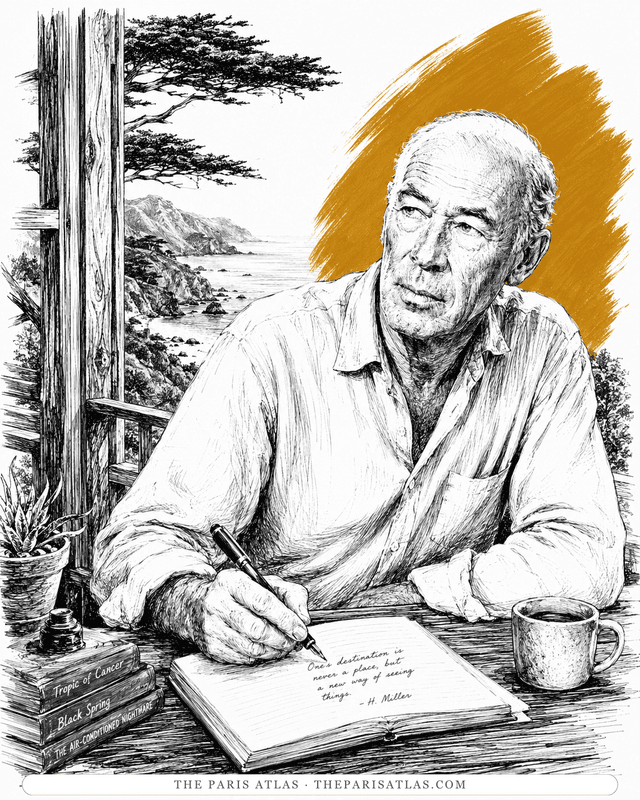
  • Illustrated portrait of Henry Miller

    Henry Miller

    The Brooklyn dropout who arrived in Paris broke at thirty-eight and wrote the exuberant, banned books that ended American censorship.

    View author
References

References

The sources below include the primary text, editions, scholarship, archival materials, and other records that informed this page. They document The Collected Poems, its publication, and its place in literary history.

  1. 1The Collected Poems

    Poetry
    Sylvia Plath, 1981
    Used for

    The primary text represented by this page, used for descriptions of the work’s contents and for any quoted passages shown here.

  2. 2The Collected Poems (1981): bibliographic record

    Archive
    Harper & Row / Google Books
    Used for

    Original Harper & Row volume's 1981 publication, editor, and 224-poem scope with fifty juvenilia.

    View source
  3. 3The Collected Poems: authorized reprint preview

    Poetry
    HarperCollins / Google Books
    Used for

    Editorial chronology and its limits; complete texts of Conversation Among the Ruins, Winter Landscape, with Rooks, and Pursuit. Access stopped at the preview limit; no later hidden pages are claimed as read.

    View source
  4. 4Sylvia Plath: Collected Poems, paperback

    Website
    Faber & Faber
    Used for

    Selected paperback's ISBN and August 19, 2002 date, earlier collections represented, and editorial apparatus. Its erroneous 1981 prize date is corrected using the Pulitzer record.

    View source
  5. 5The 1982 Pulitzer Prize in Poetry: The Collected Poems

    Website
    The Pulitzer Prizes
    Used for

    Official award record: 1982 Poetry winner.

    View source
  1. 6The Poems of Sylvia Plath (2026)

    Website
    Faber & Faber
    Used for

    Distinct expanded publication, title and May 5, 2026 date.

    View source
  2. 7Blackberrying

    Poetry
    Poetry Foundation
    Used for

    Complete authorized poem for the reading; corrected text uses Slapping in the wind passage.

    View source
  3. 8Mirror: March 2008 MCAS English Language Arts Retest

    Poetry
    Massachusetts Department of Education / State Library of Massachusetts
    Used for

    Complete Mirror reproduced by permission, with publication credit; primary text for the reading and short quotation.

    View source
  4. 9Edge

    Poetry
    Poetry Foundation
    Used for

    Complete authorized poem for the reading of the imagined scene.

    View source
  5. 10Ariel: original and restored editions

    Website
    Academy of American Poets
    Used for

    Restored Ariel's different purpose and arrangement.

    View source
i
Why these sources are here

The primary text is the baseline reference for every book page. Additional references document publication history, interpretation, and historical context where that evidence is available.

Explore more resources