


The Diary of Others
by Anaïs Nin
The seventh unexpurgated volume: two households in balance, the fiction winding down, and the decade-long campaign to publish the diary itself.
- 2021
About Anaïs Nin
The story, briefly
Spoiler-freeThe 2021 volume carries the double life through its steadiest decade, 1955 to 1966: the two households now institutions, the continuous novel completing at Alan Swallow's, and the great project — turning the private diary into a publishable book — moving from dream to manuscript to, in the volume's last pages, print. The title names the decade's labor: a diary increasingly about the others in it, as Nin negotiated with the living for permission to publish their years. Edited by Paul Herron for Sky Blue Press. (A diary — the closing pages wait behind the reveal.)
The story, in more detail
By the late fifties the trapeze had become a settled orbit, and the journal's drama moved from concealment to construction: rereading forty years of diaries, weighing what could be printed while Guiler, Miller, and the rest were alive to read it, and conducting the negotiations — legal, marital, literary — the published sixth volume could describe only from outside. The 'diary of others' is her own rueful phrase for the project's paradox: to publish herself she needed everyone else's consent, and the asking fills these pages.
The volume doubles as the record of her fiction's last seasons — Cities of the Interior assembled, Seduction of the Minotaur and Collages written, Swallow's faith holding the list together — and of the two men's parallel decades, recorded with the ledger's usual fairness. It ends at the same door as the published sixth volume, now with the mechanism visible: spring 1966, the first Diary in press, and a life spent hiding about to become famous for candor.
The full story
1955–1966, uncut: the settled bicoastal orbit and its maintenance; the legal unwinding of the Arizona marriage; the last fiction and the Swallow rescue; the LSD experiment and the widening California circle; and the decade's spine — the editing of the diary inside the diary, with the permissions, refusals, and self-censorships that produced the 1966 text recorded as they happened, by the person doing the cutting.
How it ends — spoilers ahead
The volume ends in the spring of 1966 with the first Diary published and the reviews arriving — the moment the woman who had spent a lifetime administering secrecy became a public institution of intimacy. The journal registers the irony in full. One volume of the unexpurgated series remains: the fame, the illness, and the ending, in A Joyous Transformation.
Themes and analysis
Between two homes
In the April 1955 entries, Nin lists royalties and lecture fees immediately after describing a day spent on Hugo's tax papers. The amounts give temporary financial independence a concrete form, but they do not settle her feeling of powerlessness. She contrasts work for herself with the labor required by two households, and connects the frustration to childhood bookkeeping. The movement from accounts to memory makes money more than background to the divided life: practical obligations keep returning as emotional debts that earning alone cannot discharge.
A journal of others
The change of form matters as much as the people named in the title. Paul Herron's preface explains that correspondence increasingly takes the place of sustained diary entries, with separately kept material integrated into the edition. A letter addresses someone who can answer, disagree or act; it gives private reflection an immediate social purpose. Read in this light, the volume's movement toward publication is also a movement between kinds of writing. Its continuity is partly an editorial achievement, not evidence that Nin recorded every intervening day in the same way.
Why we recommend it
The editing, on the record
For anyone who has read the 1966 Diary, this is the room where it was built.
The orbit at equilibrium
The double life in its long steady state — less scandal than Trapeze, more texture.
Completing the frame
With this volume the unexpurgated series reaches the eve of fame; the two diary projects finally converge.
What this book explores
Timeline
1955–1959
The bicoastal orbit stabilizes; the Arizona marriage is legally unwound; Swallow gathers the fiction.
1959–1965
The last novels appear while the diary is reread, cut, and negotiated toward print.
1966
The first Diary is published; the volume closes as the fame begins.
2021
Sky Blue Press publishes the volume, edited by Paul Herron.
Book editions
Paperback
- Paperback
- Sky Blue Press
- 2021
Reader reviews
Readers may also like


The Diary of Anaïs Nin, 1955–1966
The same years as edited in her lifetime — the outside of this volume's inside.
Read our takeThe Diary of Others: frequently asked questions
What years does The Diary of Others cover?
1955 to 1966 — the settled years of the double life, the last of the fiction, and the long preparation of the diary for its 1966 publication.
When was it published?
2021, by Sky Blue Press, edited by Paul Herron — the seventh volume of the unexpurgated series.
What does the title mean?
It is Nin's own phrase for the decade's project: to publish her diary she had to secure the consent of the people in it, and the negotiations made the journal, for a time, a diary of others.
Does it explain the published Diary's cuts?
Yes — it is the primary record of them. The permissions sought, the refusals, and Nin's own decisions about what 1966 could print are documented as they happened.
How does it end?
With the first Diary published in the spring of 1966 and fame arriving — the threshold the final unexpurgated volume crosses.
If you like Anaïs Nin
Explore authors with a similar voice, perspective, and influence.
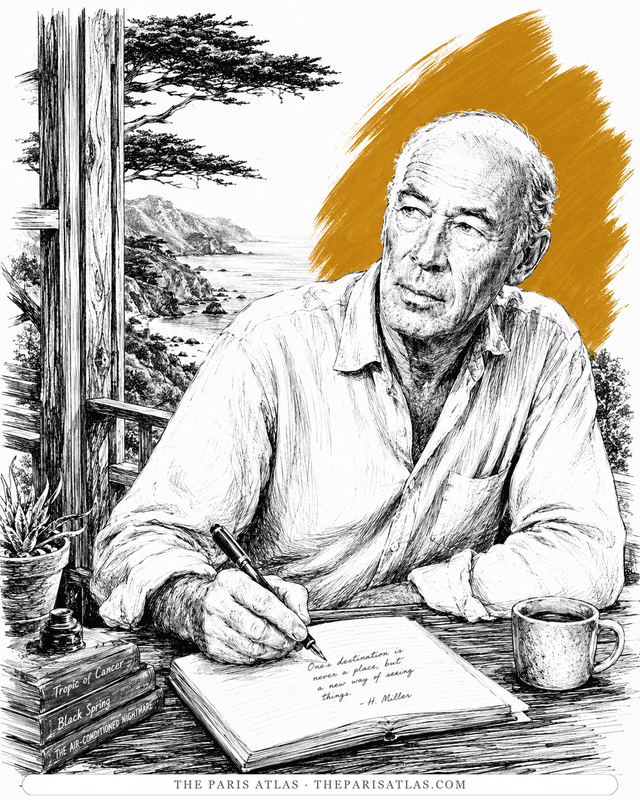
Henry Miller
The entangled careers of the Villa Seurat: she financed and prefaced his scandal, he detonated her prose — and each wrote the other into the century's record.
View author
Louis-Ferdinand Céline
The doctor of the Paris slums who wrote the century's blackest, funniest novel — and changed the sound of French prose.
View author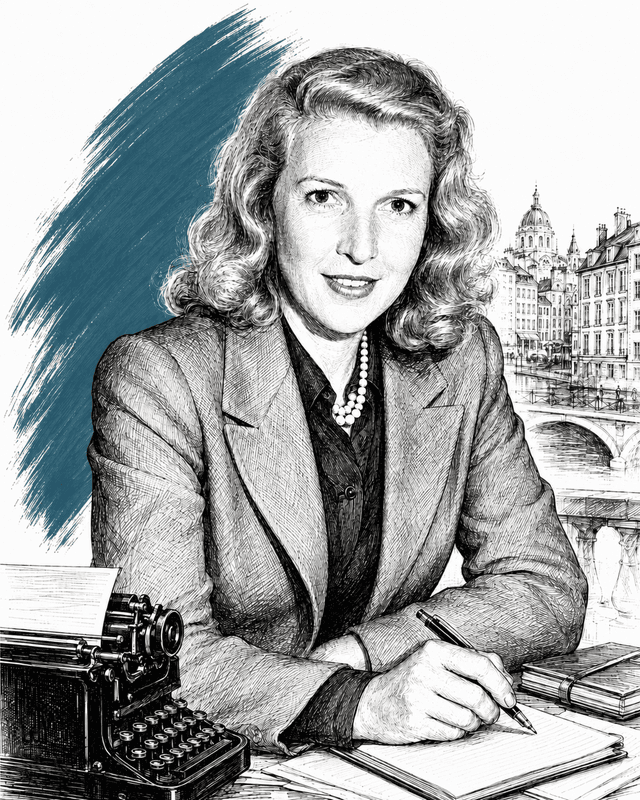
Martha Gellhorn
War correspondent who covered the Spanish Civil War, D-Day, and conflicts across five more decades; Hemingway's third wife, 1940–1945.
View author
References
References
The sources below include the primary text, editions, scholarship, archival materials, and other records that informed this page. They document The Diary of Others, its publication, and its place in literary history.

1The Diary of Others
NovelAnaïs Nin, 2021Used forThe primary text represented by this page, used for descriptions of the work’s contents and for any quoted passages shown here.
2Anaïs Nin — biography
WebsiteThe Anaïs Nin FoundationUsed forUsed to verify The Diary of Others's bibliographic context and its place within Anaïs Nin's published work.
3Anaïs Nin Papers — diary, March–September 1938
ArchiveUCLA Library Special CollectionsUsed forUsed for independent archival, institutional, or historical context surrounding Anaïs Nin and The Diary of Others.
4Anaïs Nin: A Biography
BiographyG. P. Putnam's Sons, 1995Used forUsed to cross-check chronology, publication history, and the circumstances in which The Diary of Others appeared.
5Anaïs: The Erotic Life of Anaïs Nin
BiographyLittle, Brown, 1993Used forUsed for an additional scholarly or biographical perspective on The Diary of Others and Anaïs Nin's wider career.
6The Diary of Others — preface and opening diary preview
WebsiteSky Blue Press / Everand, 2021Used forUses the April 1955 accounts passage and Herron's explicitly attributed preface. No complete-volume or manuscript collation is claimed.
i
Why these sources are here
The primary text is the baseline reference for every book page. Additional references document publication history, interpretation, and historical context where that evidence is available.
 Explore more resources