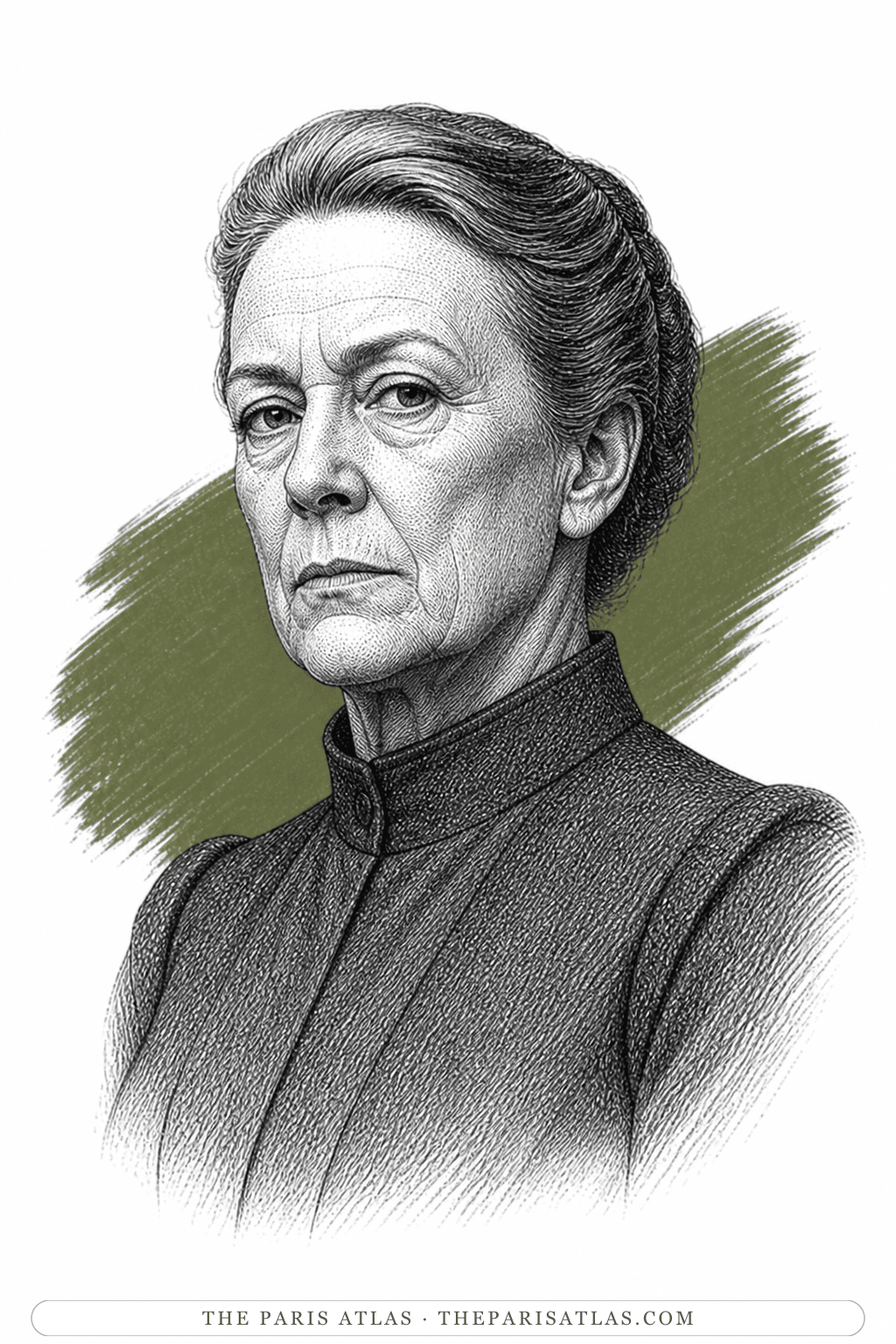
Aunt Lydia
Aunt Lydia trains Handmaids at the Red Center.
The book

Who they are in the book
Spoiler-freeAunt Lydia trains Handmaids at the Red Center. She presents coercion as protection and teaches women to blame the old world and themselves. Her voice remains inside Offred’s memory long after training ends, showing that indoctrination can become internal commentary. Her fate is not revealed in The Handmaid’s Tale; later books and television adaptations do not establish what happens to her in this novel.
If you like The Handmaid's Tale


If you like Margaret Atwood
Explore authors with a similar voice, perspective, and influence.
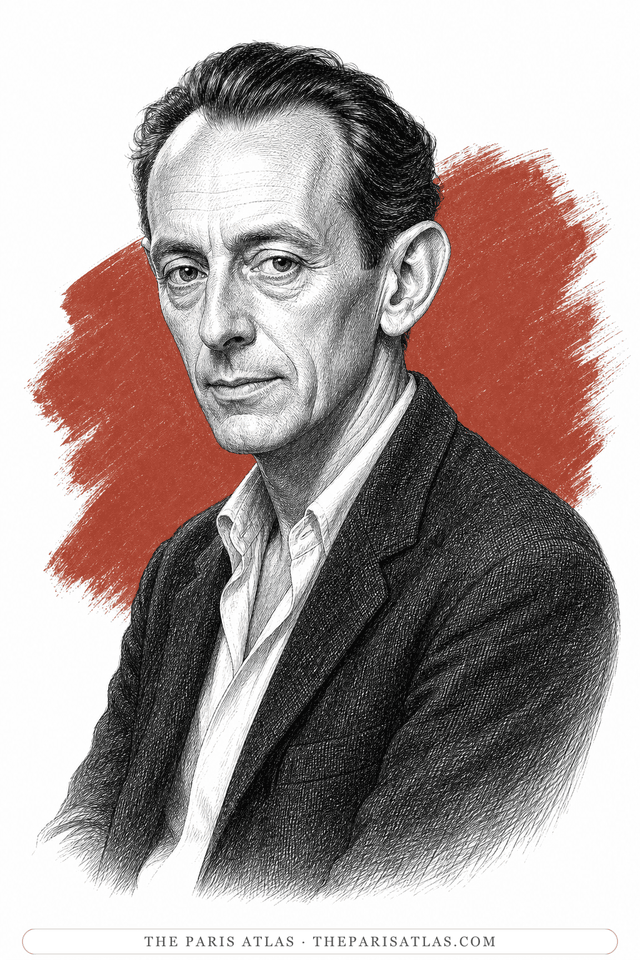
Paul Bowles
American novelist and composer whose expatriate fiction explores dislocation, unstable intimacy, fatalism, and North Africa.
View author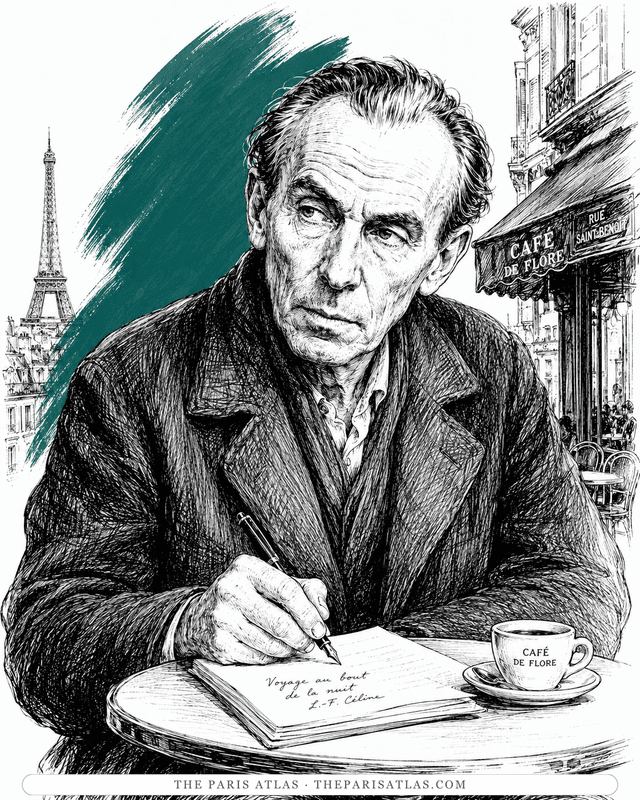
Louis-Ferdinand Céline
The doctor of the Paris slums who wrote the century's blackest, funniest novel — and changed the sound of French prose.
View author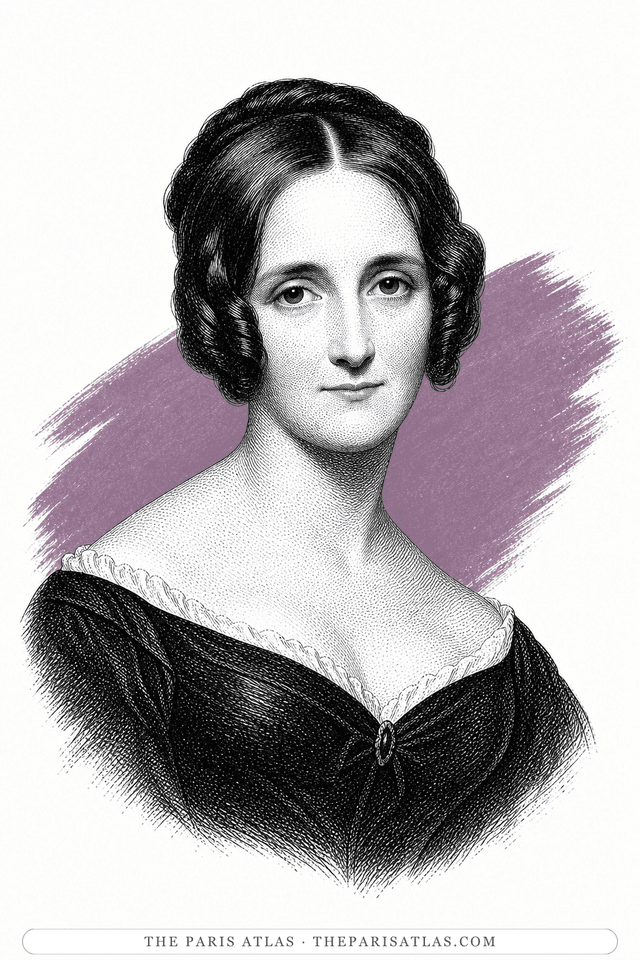
Mary Shelley
The author of Frankenstein, who first saw Paris at sixteen as a runaway. In the summer of 1814 she crossed from England to Calais with the poet Percy Bysshe Shelley and her stepsister Claire Clairmont, spent a week trapped in an expensive Paris hotel with no money, then bought a donkey and walked south-east across a France still wrecked by the Napoleonic wars. That journey became her first published book. Two years later, on a lake in Switzerland, she began her second.
View author