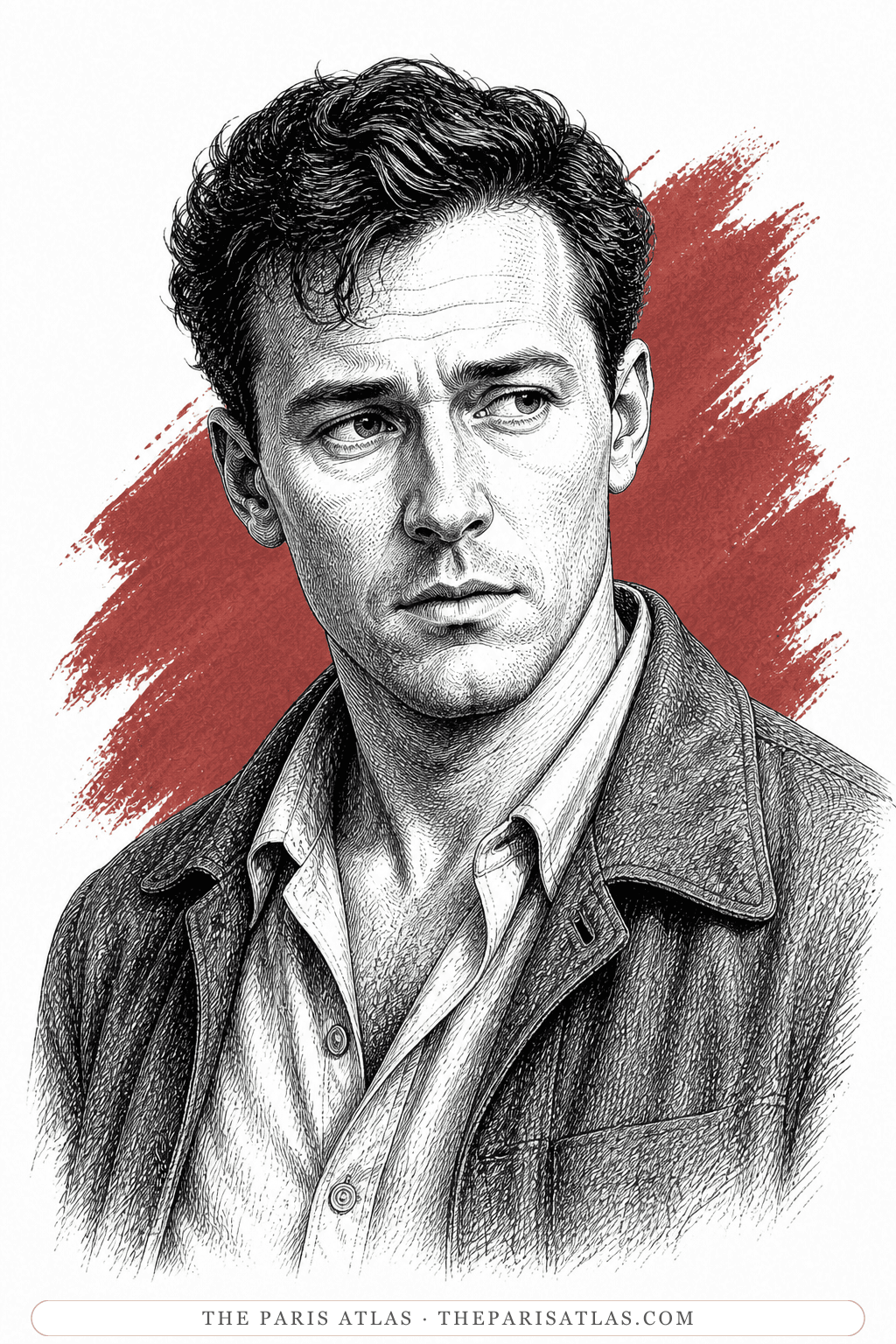
Frank Chambers
The drifter who narrates the affair, murder, and aftermath as a death-row confession.
To have Cora without surrendering the freedom he associates with the road.
The book

At a glance
- Narrator and drifter
- Hired hand at Twin Oaks
- Cora's lover
- First-person confession
Who they are in the book
Spoiler-freeFrank arrives at Twin Oaks by chance and stays because he wants Cora.
He values movement, yet helps commit murder to possess a woman who wants a stable business.
He reports events plainly while avoiding sustained judgment of himself.
How Frank Chambers Is Portrayed
- RoleNarrator and drifter
- WorkHired hand at Twin Oaks
- RelationshipCora's lover
- VoiceFirst-person confession
- Narrative pressureThe drifter who narrates the affair, murder, and aftermath as a death-row confession.
- Driving desireTo have Cora without surrendering the freedom he associates with the road.
Frank helps murder Nick, escapes conviction, and is later sentenced to death for Cora's accidental death.
If you like The Postman Always Rings Twice


If you like James M. Cain
Explore authors with a similar voice, perspective, and influence.
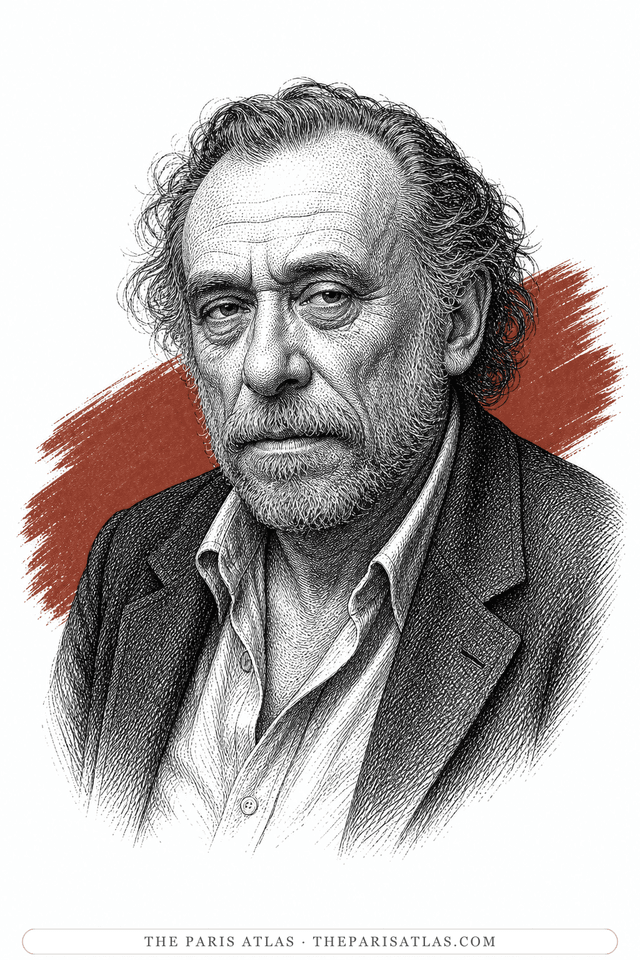
Charles Bukowski
American poet and novelist of Los Angeles rooming houses, racetracks and the post office, who quit his job to write when a publisher offered him a hundred dollars a month. He came to Paris once, in September 1978, drank his way through a live television book programme and walked off the set — and French television has been replaying it ever since.
View author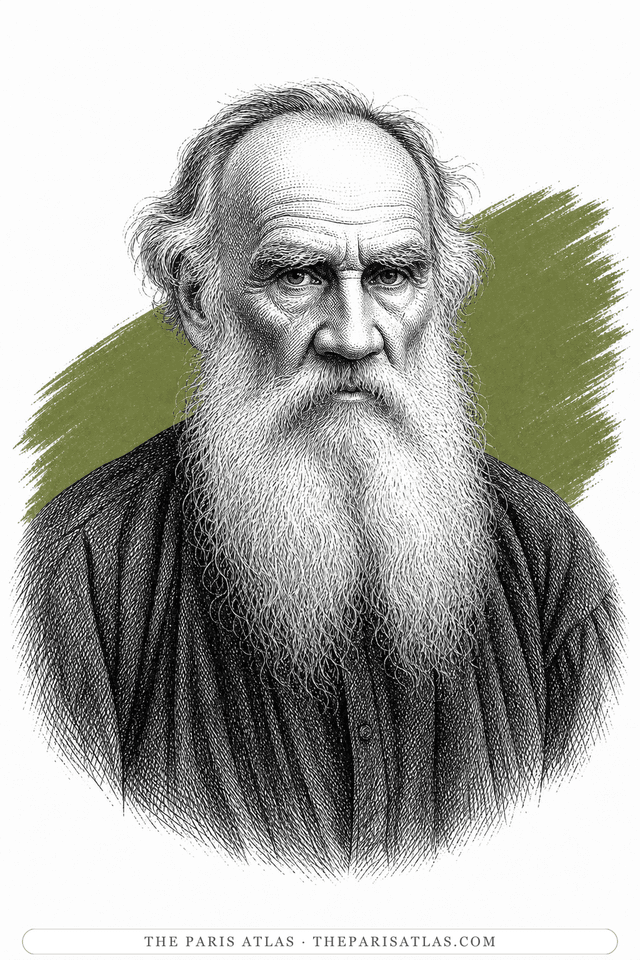
Leo Tolstoy
Russian novelist who wrote War and Peace and Anna Karenina, then renounced the life that produced them. He spent six weeks in Paris in 1857, and on one April morning went to watch a man beheaded in the street — an hour he said destroyed his belief in progress and in the state, and which he was still writing about twenty-two years later.
View author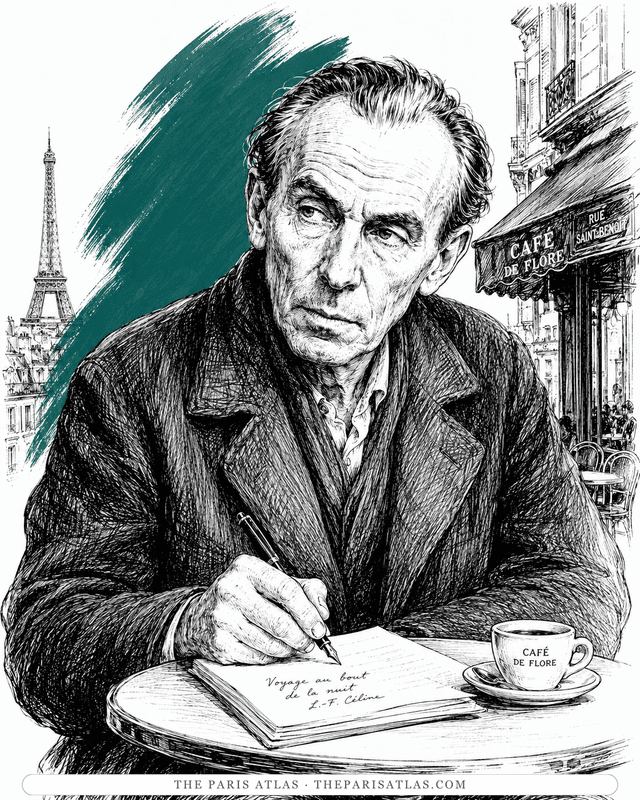
Louis-Ferdinand Céline
The doctor of the Paris slums who wrote the century's blackest, funniest novel — and changed the sound of French prose.
View author