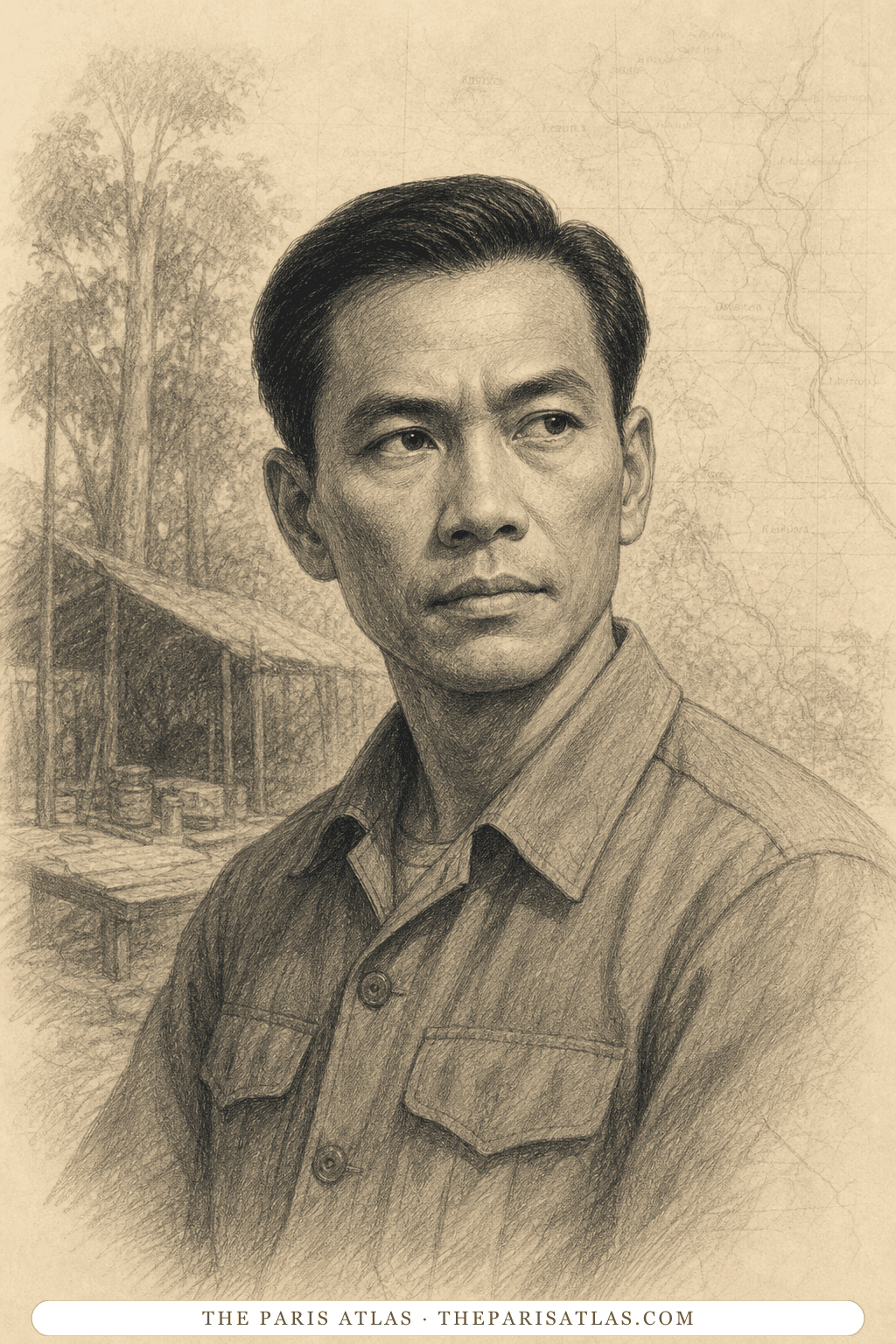
General Thé
The nationalist commander whom Pyle supports as a democratic alternative, despite evidence that Thé’s faction uses terror against civilians.
To expand his independent military and political power while accepting outside support that strengthens his faction.
The book

At a glance
- Vietnamese
- Nationalist military commander
- Formerly connected to the Cao Đài
- Alden Pyle
Who they are in the book
Spoiler-freeGeneral Thé is a Vietnamese nationalist military leader who has broken from the Cao Đài religious movement and commands his own armed faction. He remains mostly offstage, known through reports, contacts, public appearances, and violence committed in his name.
Pyle sees Thé as the possible leader of York Harding’s “Third Force”: neither a French colonial official nor a communist. That neat position matters more to Pyle than proof that Thé has democratic support, a workable program, or concern for civilian life.
Fowler calls Thé a bandit and distrusts the way foreign supporters turn a little-known commander into a national solution. The general matters less as a developed personality than as the real armed power behind Pyle’s attractive theory.
How General Thé Is Portrayed
- Mostly seen at a distanceThe novel builds Thé through rumors, intelligence, ceremonies, and consequences rather than sustained conversation.
- A nationalist commanderHe leads an armed faction outside both the French colonial command and the communist Viet Minh.
- Useful to Pyle’s theoryHis position between the main sides allows Pyle to treat him as proof that Harding’s idea can work.
- Protected by uncertaintyBecause outsiders know little about his organization, supporters can imagine democratic intentions his methods do not demonstrate.
Evidence at Mr. Chou’s warehouse connects American plastic material, Pyle’s aid network, and Thé’s faction. Fowler warns Pyle that the general is not the democratic leader he imagines.
Thé’s people carry out the bombing in central Saigon, killing and injuring civilians for political effect. Pyle continues to defend the alliance. The attack convinces Fowler that stopping Pyle may prevent further violence.
If you like The Quiet American


If you like Graham Greene
Explore authors with a similar voice, perspective, and influence.
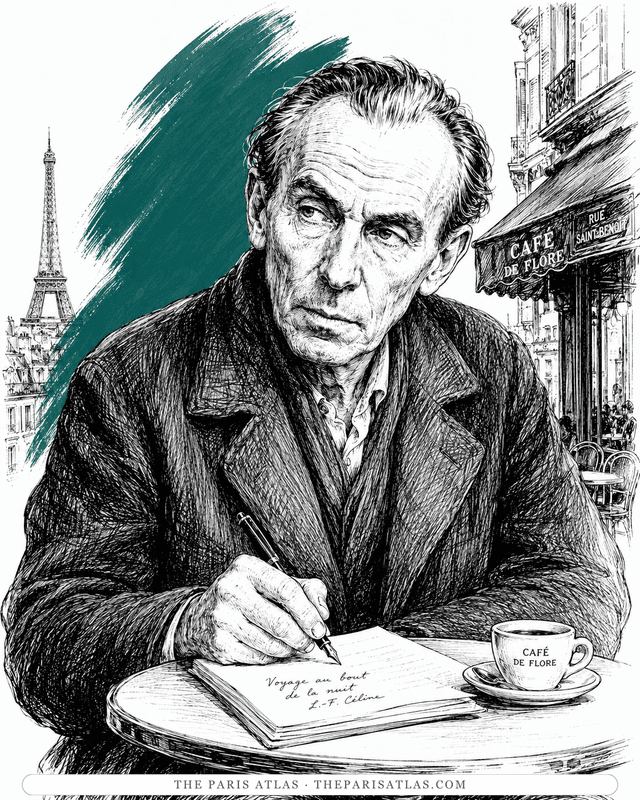
Louis-Ferdinand Céline
The doctor of the Paris slums who wrote the century's blackest, funniest novel — and changed the sound of French prose.
View author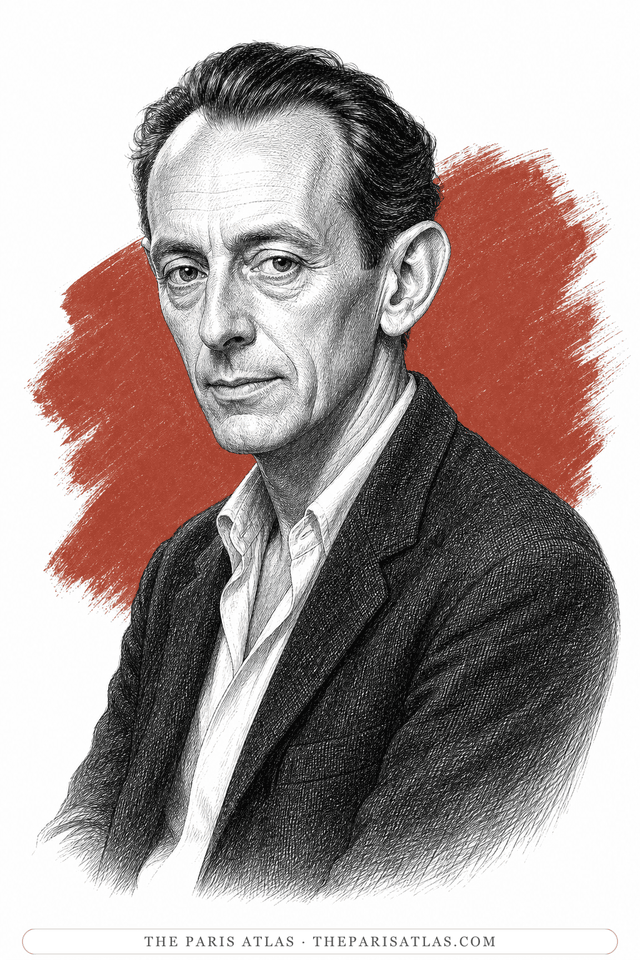
Paul Bowles
American novelist and composer whose expatriate fiction explores dislocation, unstable intimacy, fatalism, and North Africa.
View author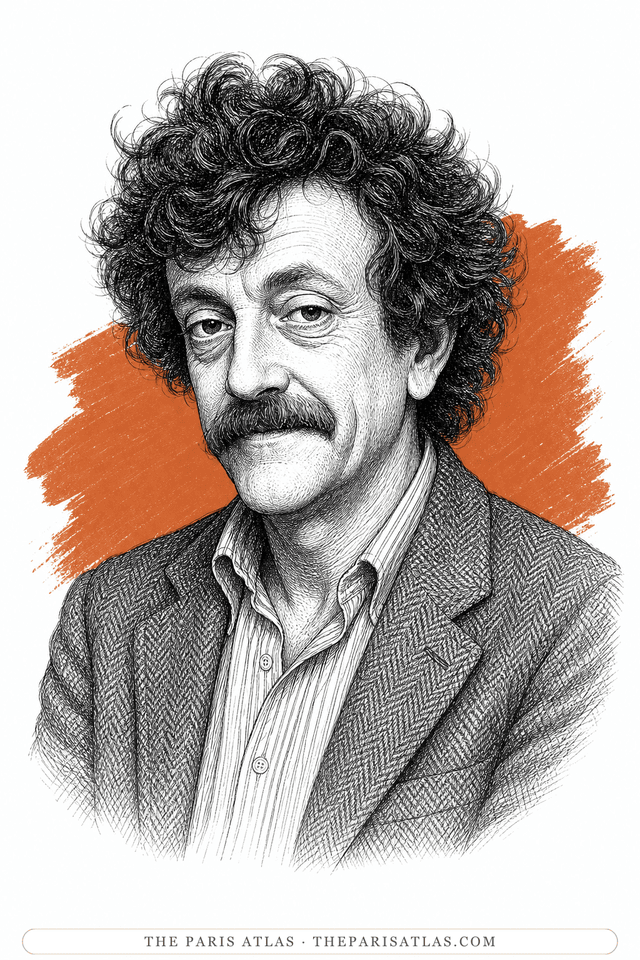
Kurt Vonnegut
American novelist whose fiction combines satire, science fiction, and the experience of surviving the bombing of Dresden.
View author