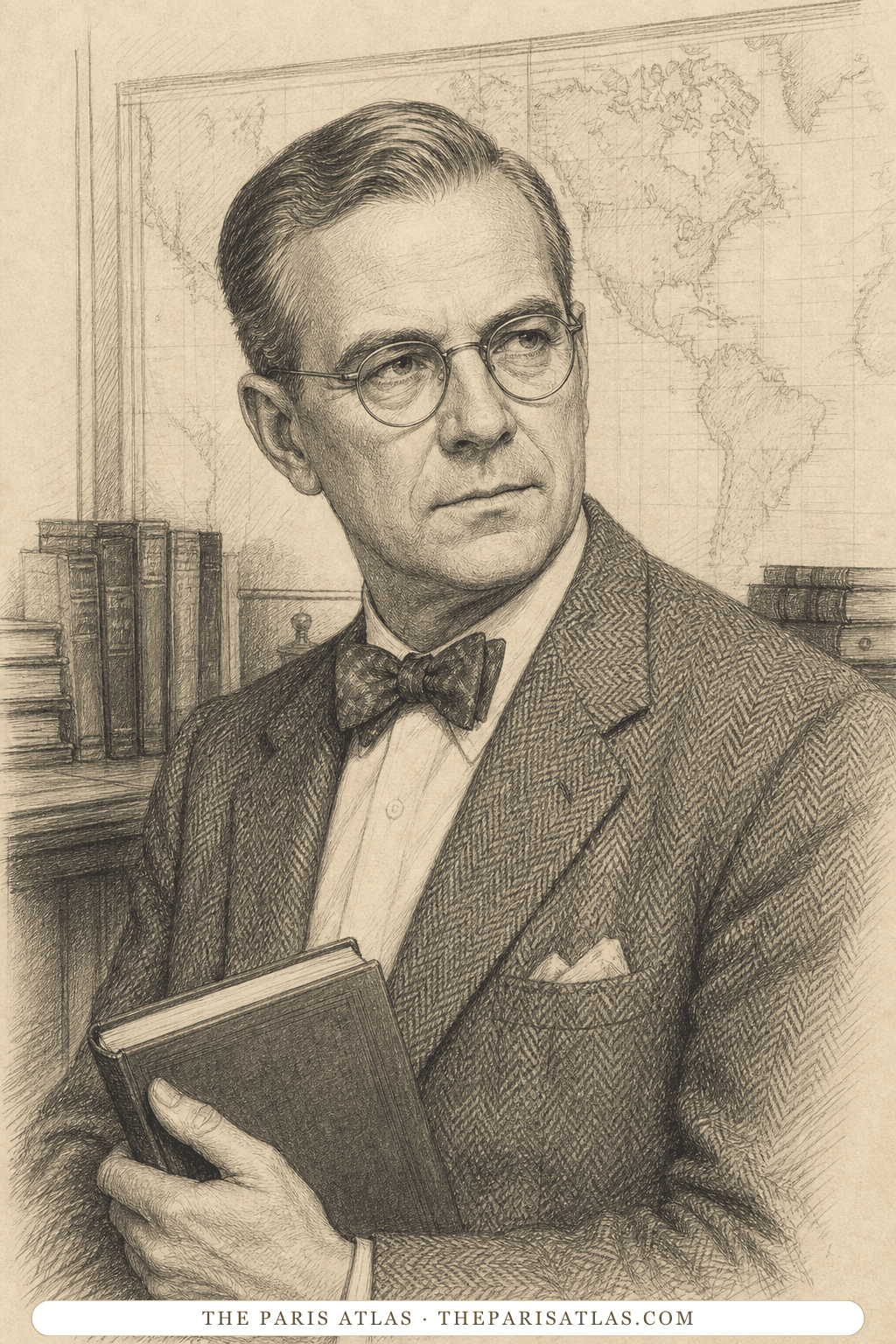
York Harding
The absent American political writer whose “Third Force” theory gives Pyle a confident answer to a country Harding does not know firsthand.
To provide Western policymakers with a political alternative to colonialism and communism through his theory of a democratic “Third Force.”
The book

At a glance
- American
- Political writer and theorist
- The Role of the West
- Alden Pyle
Who they are in the book
Spoiler-freeYork Harding is a fictional American political writer who never appears in person. His books, especially The Role of the West, shape Pyle’s understanding of Vietnam before experience has a chance to do so.
Harding argues that countries caught between colonial rule and communism need a democratic “Third Force.” The phrase sounds reasonable, but it encourages Pyle to search for a local leader who fits the theory rather than ask whether the theory fits local reality.
The distance between Harding’s desk and the Saigon bombing is one of the novel’s central warnings. An idea can sound moderate on the page while becoming violent when an eager believer tries to impose it through money, weapons, and secret alliances.
How York Harding Is Portrayed
- Never physically presentReaders meet Harding only through his books and Pyle’s repeated use of his ideas.
- An authority to PylePyle cites Harding as if the writer’s categories can settle arguments that direct experience has made uncertain.
- A writer of broad theoriesHis work reduces different countries to a recurring political pattern outsiders can recognize and try to manage.
- Powerful through a readerHarding does not order violence, but Pyle uses his language to justify support for a commander who does.
Pyle identifies General Thé as the leader who can make Harding’s “Third Force” real. He helps channel material support toward Thé even though the general’s organization is violent and poorly understood.
After Thé’s faction bombs civilians, Pyle still uses the promised democratic future to defend the alliance. Harding remains safely absent, but his language helps Pyle turn an untested theory into a reason for continuing harmful action.
If you like The Quiet American


If you like Graham Greene
Explore authors with a similar voice, perspective, and influence.
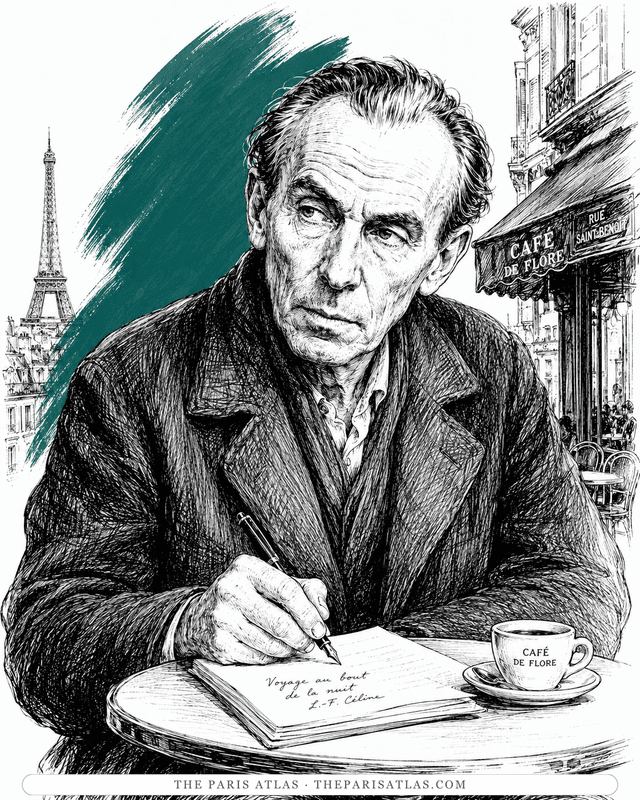
Louis-Ferdinand Céline
The doctor of the Paris slums who wrote the century's blackest, funniest novel — and changed the sound of French prose.
View author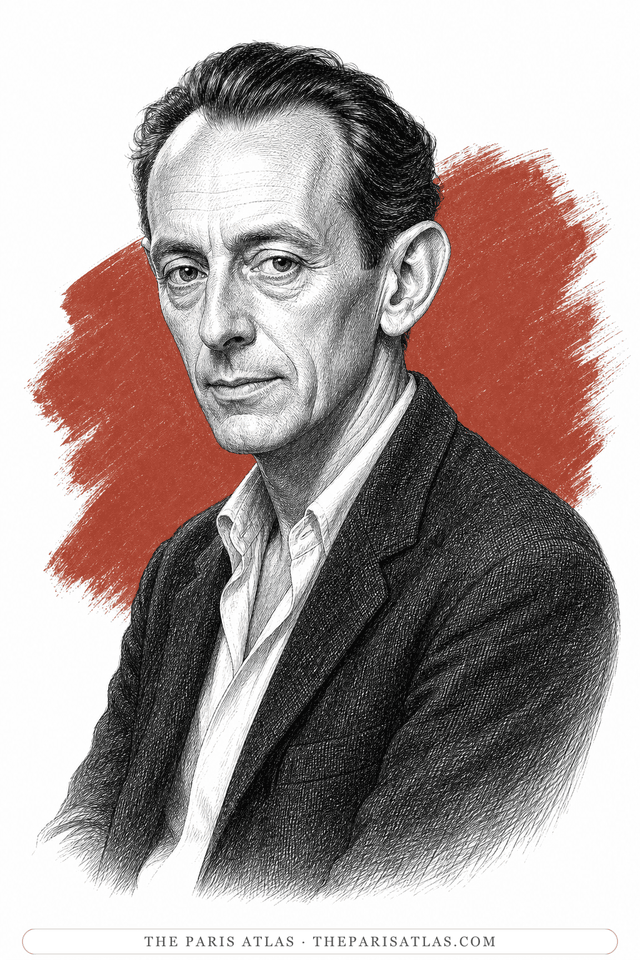
Paul Bowles
American novelist and composer whose expatriate fiction explores dislocation, unstable intimacy, fatalism, and North Africa.
View author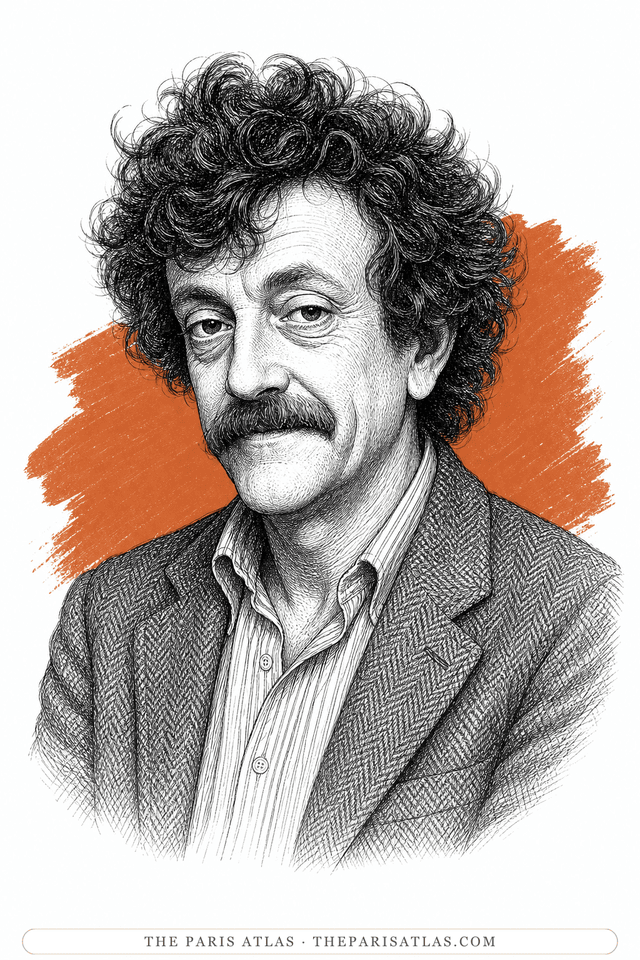
Kurt Vonnegut
American novelist whose fiction combines satire, science fiction, and the experience of surviving the bombing of Dresden.
View author