Castruccio Castracani
A Ghibelline exile from Lucca who becomes a great general and then the city's ruthless prince.
He wants power and fame, and to command armies of his own one day.
The book
Valperga
Mary Shelley
Who they are in the book
Spoiler-freeCastruccio is clever, brave and charming, and the novel lets the reader like him. The novel then shows, chapter by chapter, what his ambition costs the people who love him.
How Castruccio Castracani Is Portrayed
- An exile at elevenIn Volume I, Chapter I, the Guelphs drive his family out of Lucca in 1301, when he is eleven. The scenes of that expulsion stay with him.
- A soldier in Flanders, a guest in ParisIn Volume I, Chapter V, he fights for King Philip of France under Alberto Scoto and wins a name for courage. He spends some weeks of the winter at the court in Paris.
- Coming home to ValpergaIn Volume I, Chapter IX, he rides up to Euthanasia's castle and remembers their childhood there. He also notices, as a soldier would, how easily the steep path could be defended.
- Leaving BeatriceIn Volume II, Chapter IV, he tells Beatrice he must go back to Lucca. He promises they will meet again. She answers that they never will.
- Refused by EuthanasiaIn Volume II, Chapter XII, after his soldiers take Valperga, he asks her once more. She refuses, forgives him, and gives him her hand. He tells her he will always be ready to protect her.
- Judge of the conspiracyIn Volume III, Chapter XI, he learns that Euthanasia is among the plotters against him. He orders the others put to death and says he will be her judge himself.
Castruccio Castracani quotes
I had rather woo the lion in his den to be my husband, than become the bride of a conqueror.
In Volume III, Chapter XII, he visits Euthanasia's cell at night and sends her by ship to Sicily. The ship is lost in a storm. The conclusion follows him to Rome, where the Emperor Louis honours him. He dies of fever in Lucca on 3 September 1328.
If you like Valperga


If you like Mary Shelley
Explore authors with a similar voice, perspective, and influence.
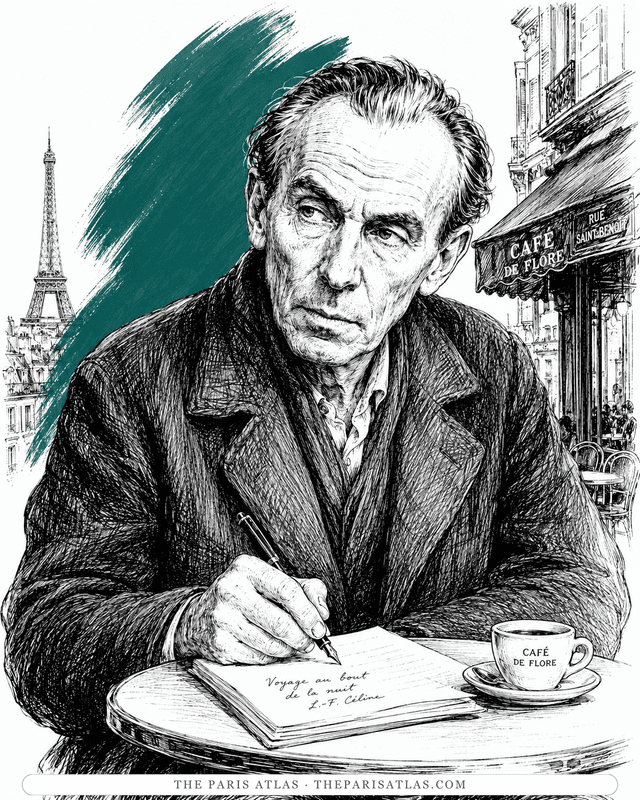
Louis-Ferdinand Céline
The doctor of the Paris slums who wrote the century's blackest, funniest novel — and changed the sound of French prose.
View author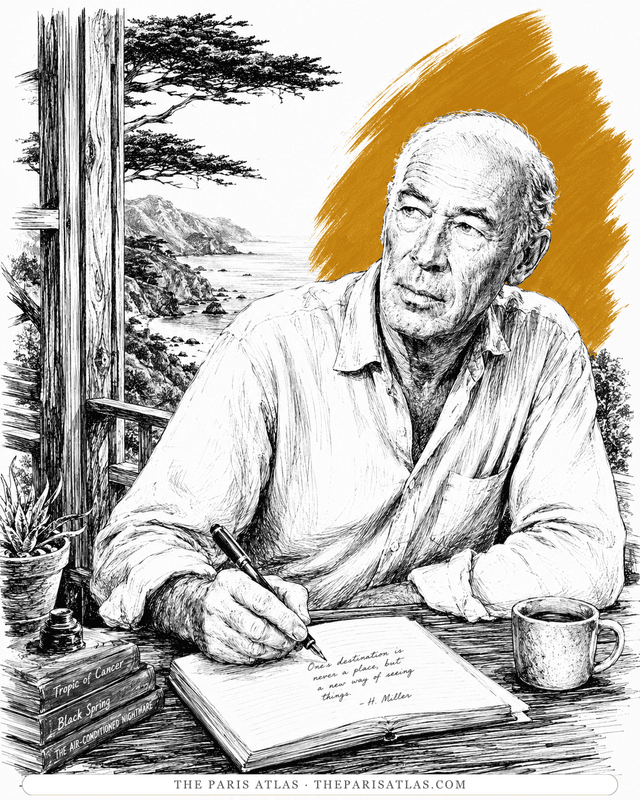
Henry Miller
The Brooklyn dropout who arrived in Paris broke at thirty-eight and wrote the exuberant, banned books that ended American censorship.
View author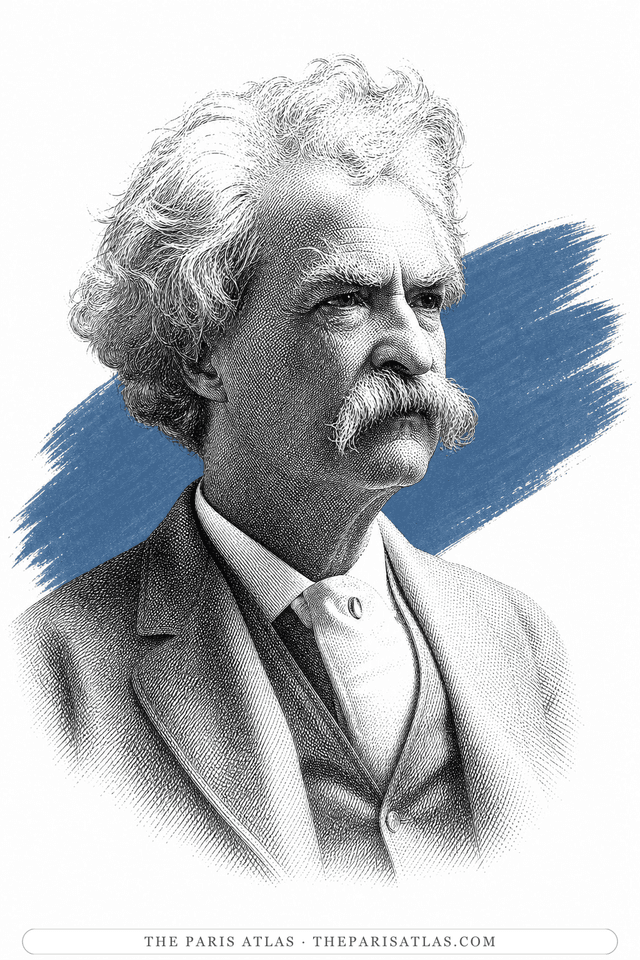
Mark Twain
The Missouri newspaperman who became America's most famous writer, and whose first book made its reputation partly out of Paris: in 1867 he arrived with a shipload of American tourists, renamed his guide Ferguson, watched the high-kicking can-can through his fingers and wrote it all down. He kept coming back — and was living in Paris in the mid-1890s, broke, while finishing the novel he considered his best, Personal Recollections of Joan of Arc.
View author