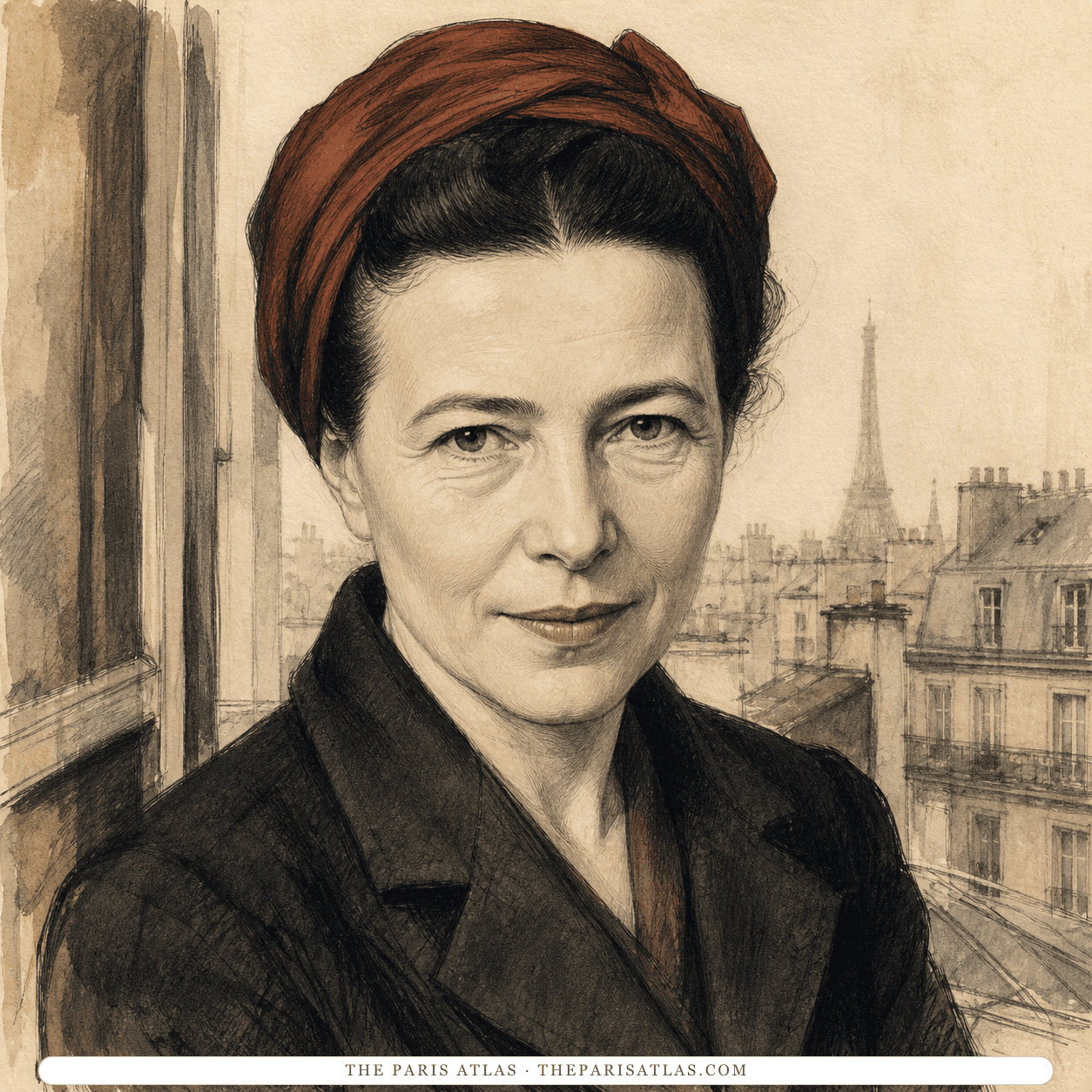

Memoirs of a Dutiful Daughter
The first volume of Beauvoir's memoirs: a bourgeois Catholic Paris childhood, the loss of faith, philosophy at the Sorbonne, and a friendship whose ending she said cost her her freedom.
Read our take
Beauvoir's earliest book — five linked stories about young Catholic bourgeois Paris women written in 1935–37, rejected by Gallimard and Grasset, and published only forty-two years later as a document of the author before she had learned to write.
Simone de Beauvoir's Quand prime le spirituel is a collection of five linked stories she wrote between 1935 and 1937, in her early thirties, before she had published anything. She sent the manuscript to Gallimard and Grasset; both rejected it. She put the manuscript in a drawer and let it stay there for forty-two years. Gallimard finally published it in October 1979, when she was seventy-one, at the urging of her publisher and her adopted daughter Sylvie Le Bon. The five stories — 'Marcelle,' 'Chantal,' 'Lisa,' 'Anne,' and 'Marguerite' — are all set in the Catholic bourgeois Paris Beauvoir had spent her adolescence escaping, and each is written from inside one of the young women trapped in that world. The book is not accomplished; it is Beauvoir before she had found her form. What it shows is the material she would spend the next forty years working through.
Beauvoir wrote the stories between 1935 and 1937, while she was teaching philosophy at Rouen's Lycée Jeanne d'Arc. She sent the collection to Gallimard, who rejected it, and to Grasset, who also rejected it, and put the manuscript away. She wrote about it in The Prime of Life (1960) as work she had learned to write past. She did not want it published. Sylvie Le Bon, whom she had legally adopted as her daughter in 1980, persuaded her in 1978 to let Gallimard bring it out.
The book is unusual among Beauvoir's publications for being the only one that appeared after decades in a drawer. She wrote a preface to the 1979 edition acknowledging that it is early work — she called it the writing of a woman who had not yet learned the discipline the shorter stories in The Woman Destroyed thirty years later would show. The interesting reading position, she said in the preface, is not to judge the stories against her later work but to read them as a record of the specific Catholic bourgeois Paris circle her Memoirs of a Dutiful Daughter twenty-one years earlier had described from the outside. Here it is from the inside.
Patrick O'Brian's English translation, When Things of the Spirit Come First: Five Early Tales, appeared from André Deutsch in London in 1982 and from Pantheon in New York the same year. It has been continuously in print in Beauvoir's collected works and is the least-read of her published books.
'Marcelle' is the account of a devout young Catholic girl who marries a struggling writer named Denis. Denis turns out to be a manipulator; the marriage collapses; Marcelle retreats into a devotional mysticism that Beauvoir treats as a form of self-comforting rather than of religious insight.
'Chantal' follows a young teacher at a provincial lycée. Chantal keeps a journal that gives Beauvoir's most direct portrait of the kind of intellectual life she was leading in her own Rouen years — including her own more romanticised misapprehensions about her students and colleagues, treated in this early story with a hindsight the writer at twenty-seven did not yet have but was already beginning to have.
The remaining three stories — 'Lisa,' 'Anne,' and 'Marguerite' — carry the intellectual community of the first two forward through the specific institutions the young women inhabit: a Catholic girls' school called Cours Désir (which was Beauvoir's own school), a bourgeois Paris salon, a young woman's family flat.
Marguerite's enthusiasm for jazz does not immediately free her from the habits of religious devotion. In the passage quoted by Karen Elizabeth Zoppa, she compares the music's power over her to the church organ and recognizes the same fervor she once brought to Mass. What has changed is the object of worship, not necessarily the way she worships. The comparison complicates the apparent opposition between the nightclub and the church: seeking forbidden experience can still mean seeking an absolute. Her retrospective voice can expose a continuity that her excitement at the time made difficult to recognize.
Madame Vignon's confession about opening correspondence makes spiritual concern a justification for practical intrusion. In the passage quoted by Elizabeth Fallaize, she claims a mother's right to act improperly when her daughter's soul is at stake, then worries about the marks that steam might leave on the envelope. The shift in attention is revealing: the difficulty becomes concealing the act, not respecting the daughter's privacy. Fallaize places the admission within the mother's opening prayer. That form lets Madame Vignon present herself as dutiful while giving the reader evidence of the control her devotion authorizes.
It shows the early fictional workshop from which Beauvoir's later subjects developed.
Save it until after Memoirs of a Dutiful Daughter and She Came to Stay, whose more mature treatment gives the early stories useful context.
Beauvoir's first attempted book — five linked stories about young women in the Catholic bourgeois Paris she had escaped, written in 1935–37, rejected by Gallimard and Grasset, and published only in 1979 as a document of the author before she found her form.
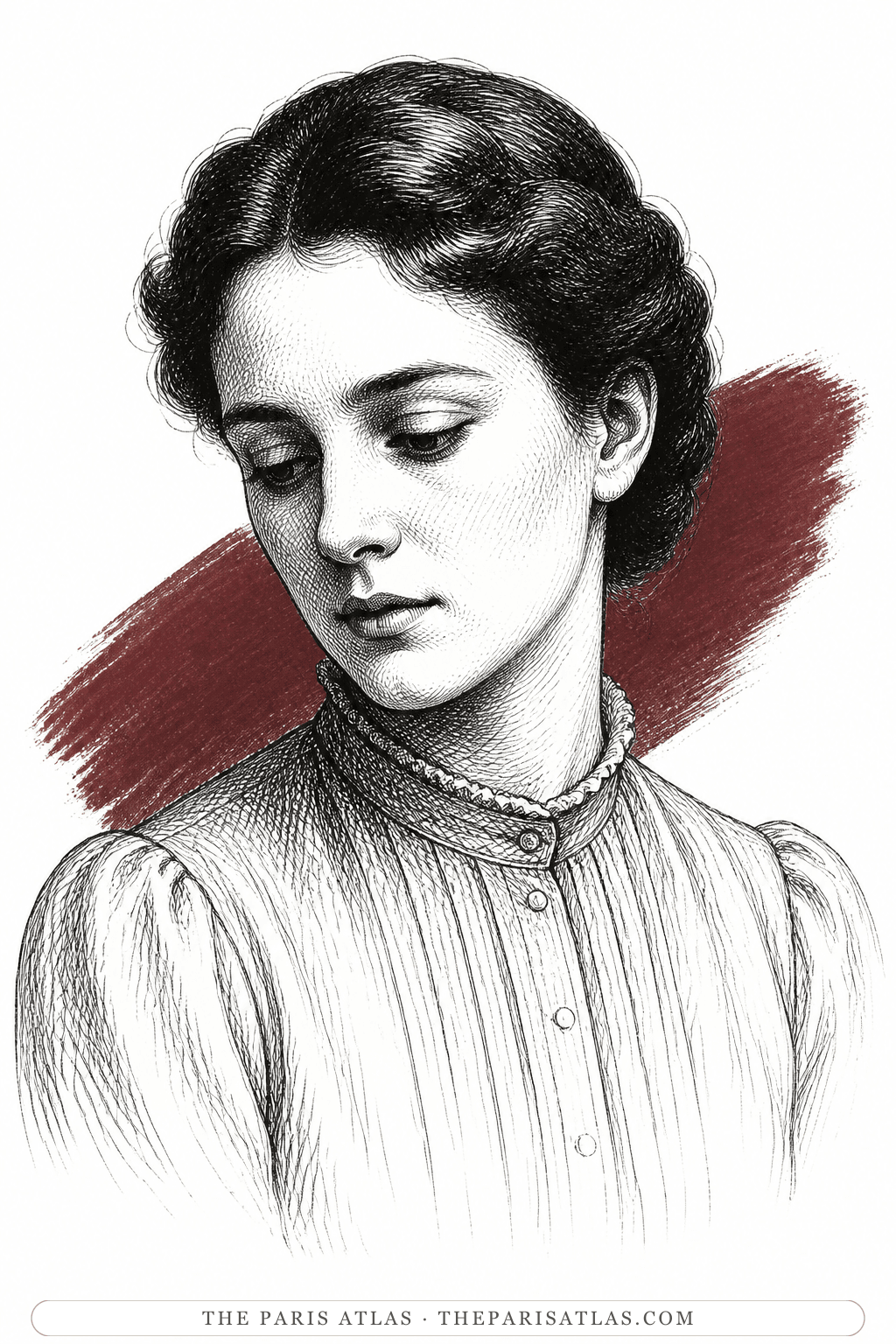
The devout young Catholic girl of the first story. Marries a struggling writer named Denis; the marriage collapses; she retreats into a devotional mysticism Beauvoir treats as self-comforting rather than religious insight.

The second story's provincial-lycée teacher, whose journal Beauvoir uses to portray the intellectual life she was herself leading in Rouen — including the romanticised misapprehensions about her students and colleagues the older writer had learned to see through.
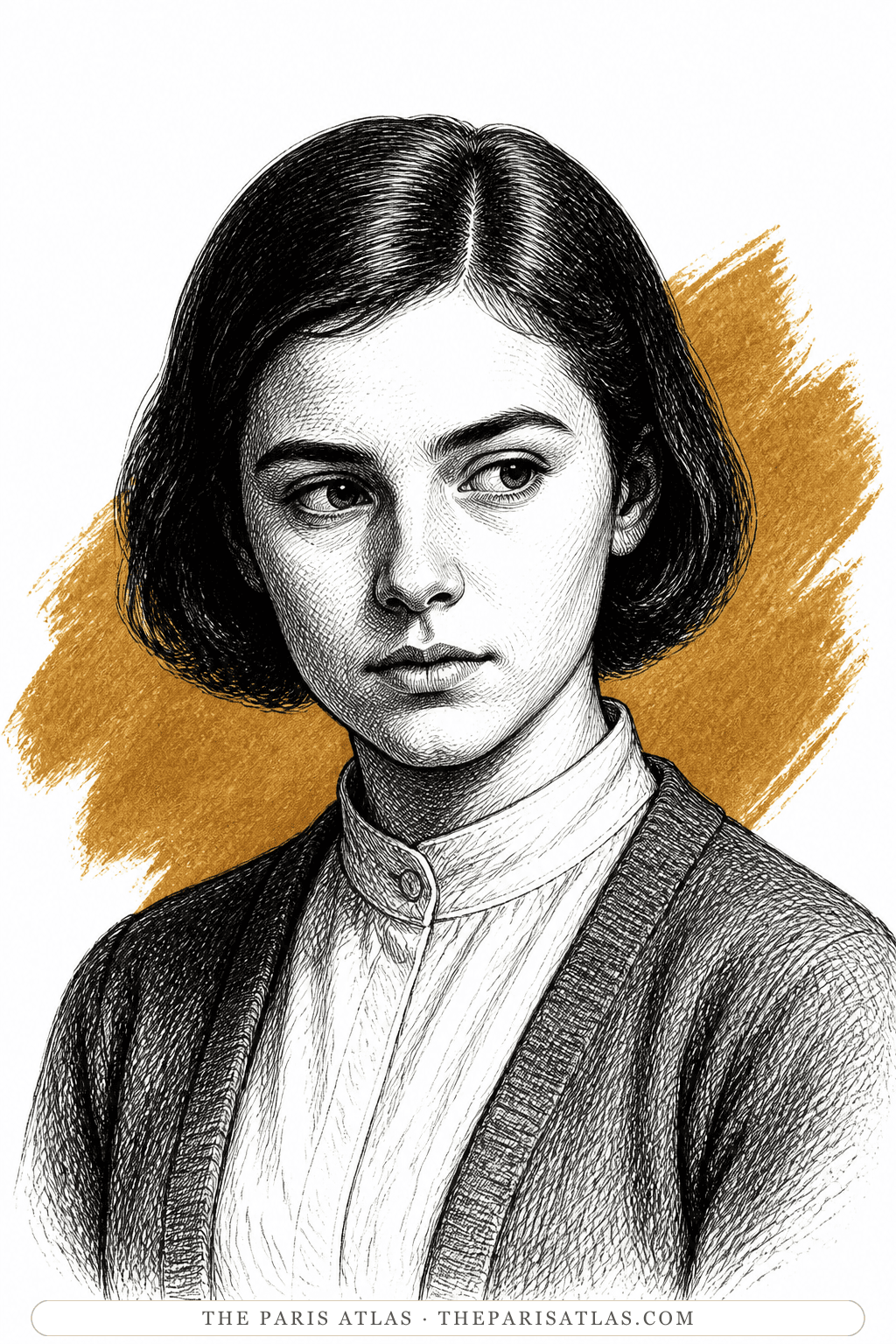
A young student at the Cours Désir-style Catholic girls' school. Represents the version of the young woman shaped most directly by the religious education Beauvoir had escaped in her own teens.
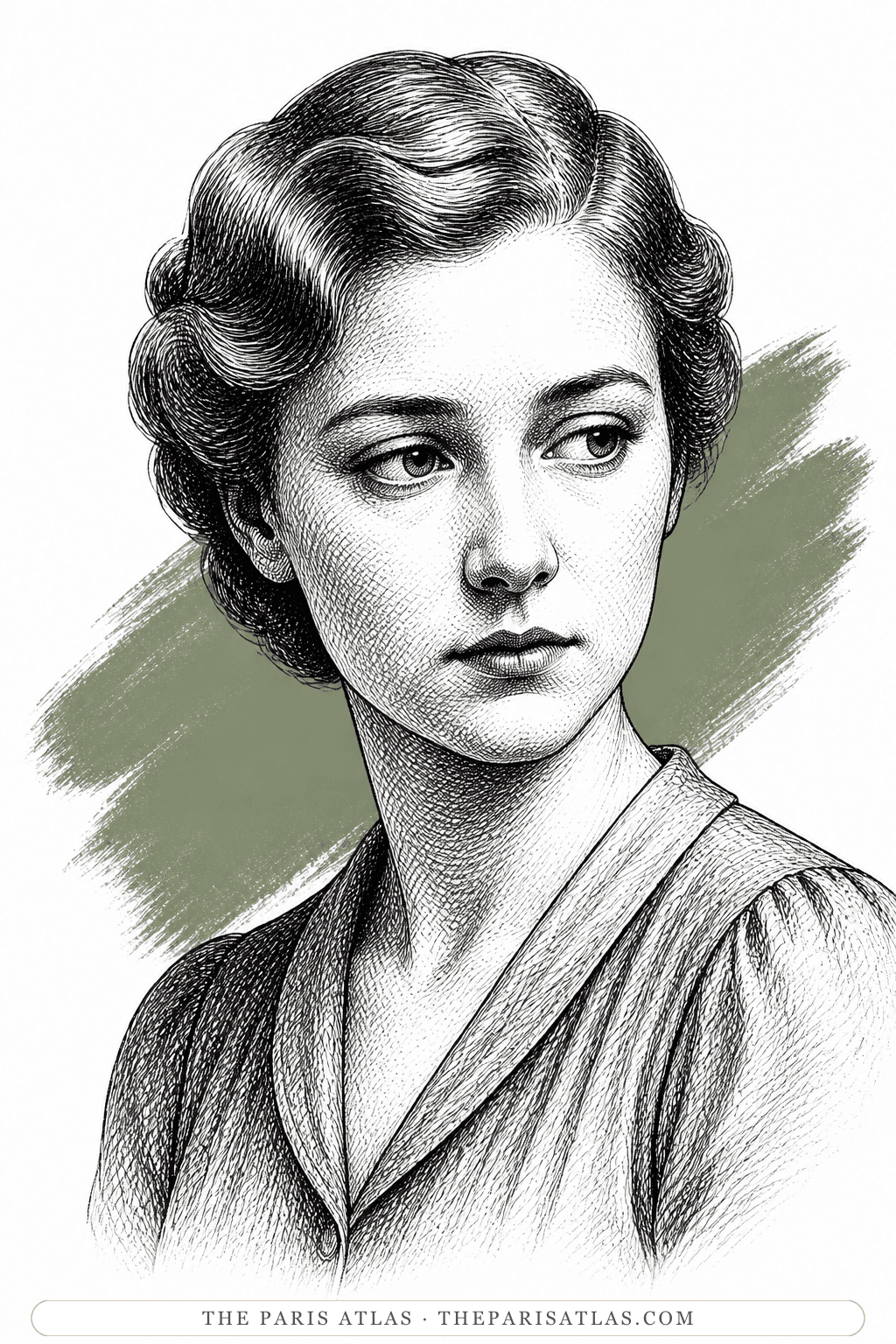
The bourgeois-salon story's central figure. A young woman caught between her family's expectations and a private life she is being trained not to have.
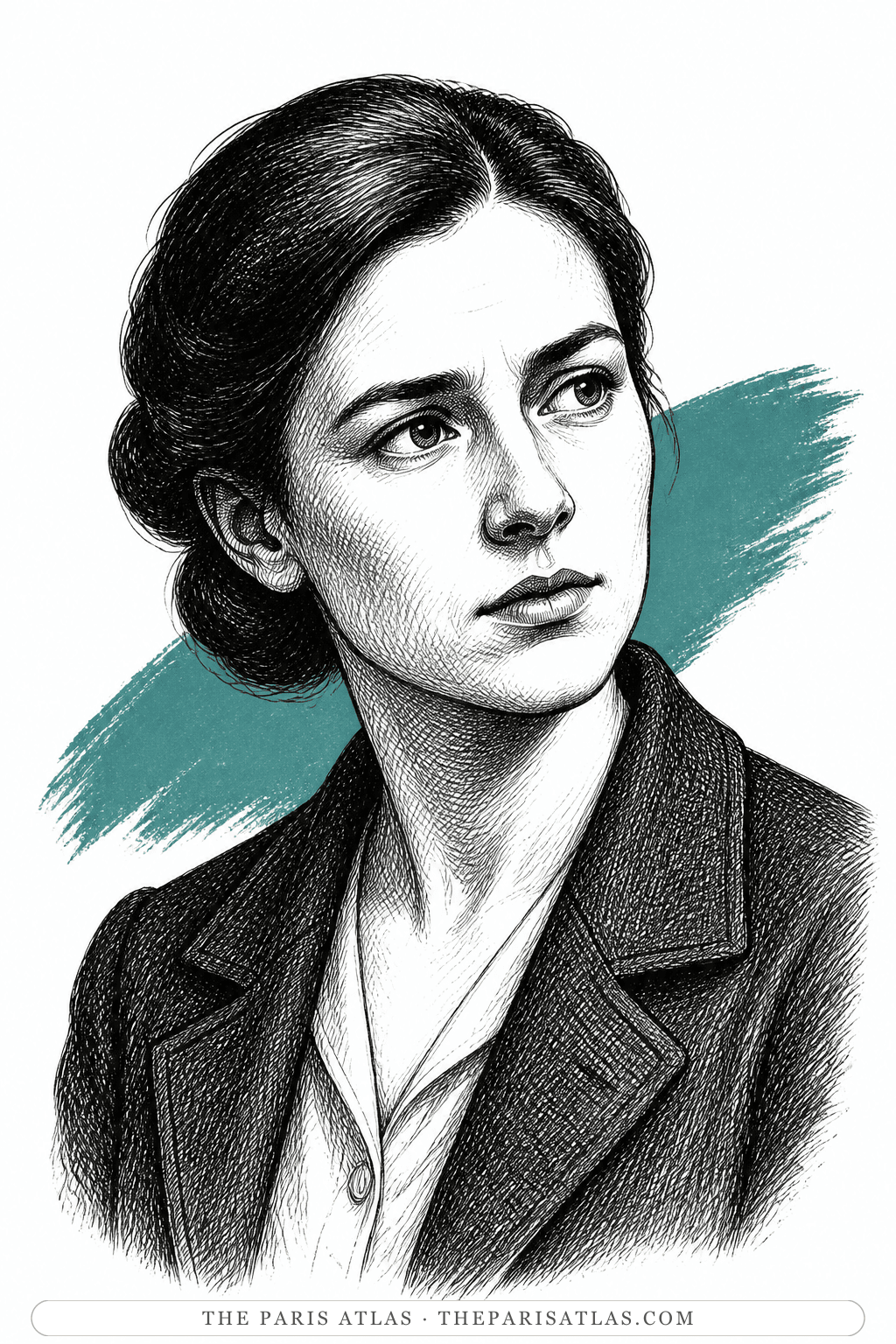
The narrator of the last and most autobiographical of the five stories. The closest of the five to the young Simone Beauvoir was writing from.
1935–1937
Beauvoir writes the five stories while teaching philosophy at the Lycée Jeanne d'Arc in Rouen.
1937
Gallimard rejects the manuscript. Grasset also rejects it. Beauvoir puts the stories away.
1943
L'Invitée (She Came to Stay), Beauvoir's first published novel, appears from Gallimard. The five 1935–37 stories stay in a drawer.
1958
Memoirs of a Dutiful Daughter reworks the same Catholic bourgeois Paris material from the outside, in the form of memoir.
1978
Sylvie Le Bon (whom Beauvoir will legally adopt in 1980) persuades Beauvoir to let Gallimard publish the early stories.
October 1979
Gallimard publishes Quand prime le spirituel, with a preface by Beauvoir acknowledging that the book is early work.
1982
Patrick O'Brian's English translation, When Things of the Spirit Come First: Five Early Tales, appears from André Deutsch and Pantheon Books.

The first volume of Beauvoir's memoirs: a bourgeois Catholic Paris childhood, the loss of faith, philosophy at the Sorbonne, and a friendship whose ending she said cost her her freedom.
Read our take
Beauvoir's first novel: an established Parisian couple's promise of freedom is tested — and shattered — by the younger woman they invite into their lives.
Read our takeIt is Beauvoir's earliest attempted book: five linked stories about young Catholic bourgeois Paris women, written in 1935–37, when she was in her late twenties and teaching at Rouen's Lycée Jeanne d'Arc. The stories were rejected by Gallimard and Grasset at the time and stayed in a drawer for forty-two years. Gallimard finally published them in 1979 at the urging of Beauvoir's adopted daughter Sylvie Le Bon.
Gallimard published Quand prime le spirituel in Paris in October 1979, forty-two years after Beauvoir had written the stories. Patrick O'Brian's English translation appeared from André Deutsch in London and from Pantheon Books in New York in 1982.
She had not wanted to publish it. In The Prime of Life (1960) she described the stories as work she had learned to write past, and she did not intend readers to see them. Her adopted daughter Sylvie Le Bon persuaded her in 1978 to let Gallimard bring the book out. Beauvoir wrote a preface to the 1979 edition acknowledging that it is early work and describing the interesting reading position as documentary rather than aesthetic.
The material of the five stories — the Cours Désir Catholic girls' school, the young teacher, the bourgeois Paris drawing room, the mystic tendency in intellectual young women — is the same material Beauvoir would take up twenty-one years later in Memoirs of a Dutiful Daughter (1958), and the analytical case she would make in The Second Sex (1949). The stories show the material from inside a young Beauvoir who does not yet have the argument to unpick it. The interest is documentary rather than aesthetic.
Five linked stories: 'Marcelle,' 'Chantal,' 'Lisa,' 'Anne,' and 'Marguerite.' The women overlap through the Catholic bourgeois Paris circle Beauvoir was writing from and the institutions (schools, salons, family flats) that shape their lives. There is no single narrative through-line; the collection is closer to a group portrait than to a linked novella cycle.
Explore authors with a similar voice, perspective, and influence.

Both French writers used novels, essays, journalism, and public argument to ask how freedom and responsibility operate without a fixed moral system.
View author
The Brooklyn dropout who arrived in Paris broke at thirty-eight and wrote the exuberant, banned books that ended American censorship.
View author
The doctor of the Paris slums who wrote the century's blackest, funniest novel — and changed the sound of French prose.
View authorThe sources below include the primary text, editions, scholarship, archival materials, and other records that informed this page. They document When Things of the Spirit Come First, its publication, and its place in literary history.


The public library catalogue verifies Patrick O'Brian's translation, the English subtitle, publication year, and ISBN.

Used to place When Things of the Spirit Come First within Simone de Beauvoir's published work and verify its bibliographic context.
Used for independent biographical, archival, or historical context surrounding Simone de Beauvoir's career and the period in which When Things of the Spirit Come First appeared.
Used to cross-check authorship, chronology, and the work's place in Simone de Beauvoir's wider catalogue.
Used to verify Simone de Beauvoir's bibliography and place When Things of the Spirit Come First within the broader chronology of Simone de Beauvoir's career.
Pages 128–129 quote Marguerite's comparison of jazz and Mass, with note 297 citing the 1982 Pantheon translation, p. 182. Used as a mediated primary passage, not a newly collated full story.
The When Things of the Spirit Come First discussion quotes Madame Vignon's admission about steaming correspondence and identifies its placement in her prayer. Fallaize's textual locator is retained without claiming independent edition collation.
The primary text is the baseline reference for every book page. Additional references document publication history, interpretation, and historical context where that evidence is available.
 Explore more resources