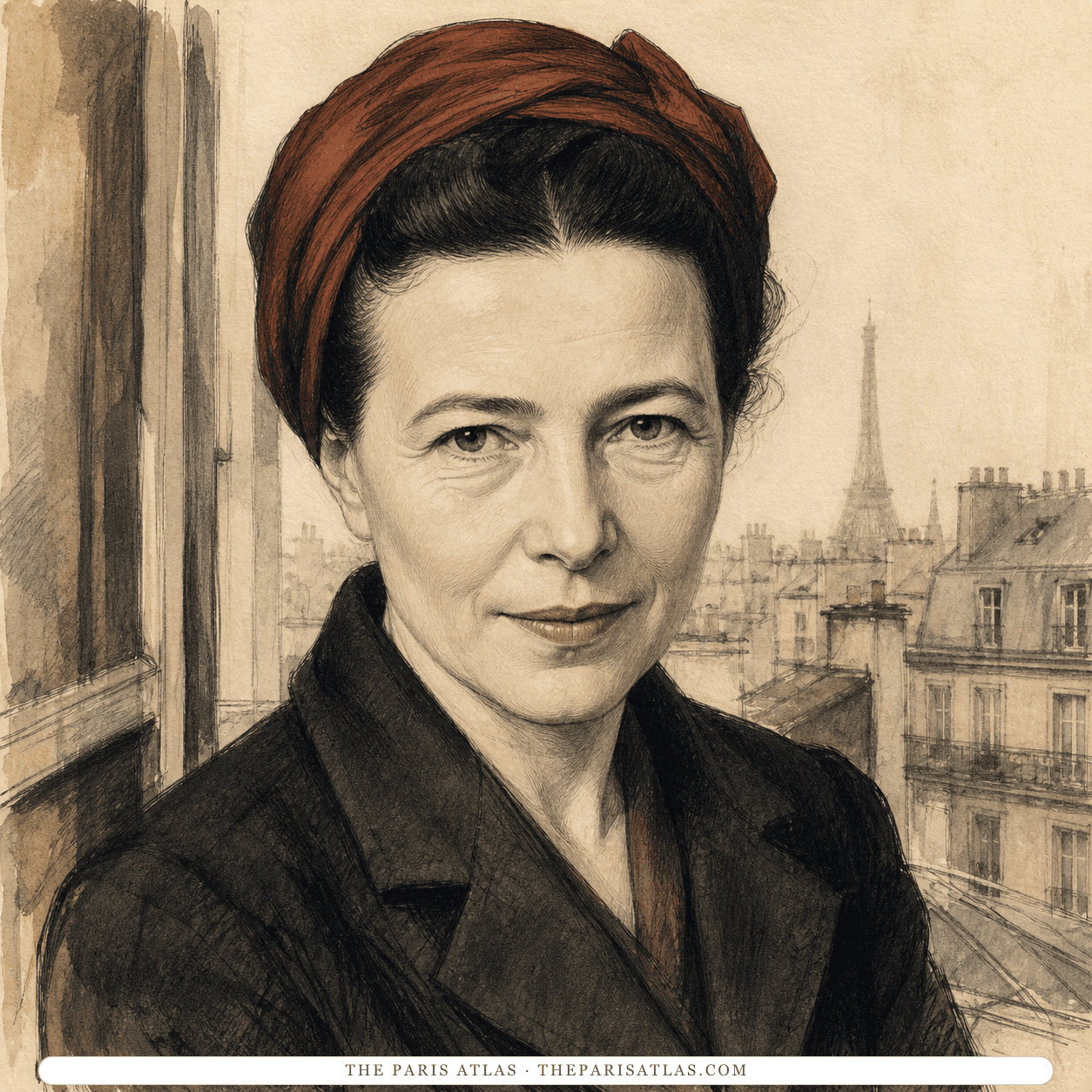

The Prime of Life
The second memoir volume, covering Beauvoir from her 1929 meeting with Sartre through the Occupation and the Liberation of Paris — the years the intellectual partnership at the centre of her life was built and tested.
Read our take
The first volume of Beauvoir's memoirs: a bourgeois Catholic Paris childhood, the loss of faith, philosophy at the Sorbonne, and a friendship whose ending she said cost her her freedom.
Simone de Beauvoir's first memoir volume covers her first twenty-one years — the Paris bourgeois childhood in a family sliding into genteel poverty, the Cours Désir Catholic girls' school, the loss of faith at fourteen, the fight with her parents over a life outside marriage, the Sorbonne years reading philosophy, the meeting with Jean-Paul Sartre, and the death, at twenty-one, of her closest friend Élisabeth 'Zaza' Lacoin. The book ends on Beauvoir's line: 'For a long time I believed that I had paid for my own freedom with her death.'
Beauvoir wrote Mémoires d'une jeune fille rangée between 1956 and 1958 and Gallimard published it in Paris in November 1958. It was the first of four memoir volumes — followed by The Prime of Life (1960), Force of Circumstance (1963), and All Said and Done (1972) — that together form the longest single autobiography by a French twentieth-century writer. James Kirkup's English translation appeared from World Publishing in Cleveland in 1959 and from André Deutsch in London the same year.
The four-part structure of the book (childhood, adolescence, university, and the last year of Zaza's life) is written as a shaped argument rather than an unedited diary. Beauvoir is fifty years old when she writes it, twenty-nine years after Zaza's death and nine years after The Second Sex. She reads the girl she was as material for the argument the older book made — the pressure a Catholic bourgeois household put on a clever daughter, and the specific damage that pressure did.
The book's other project is the vindication of Zaza. Élisabeth Lacoin (whom Beauvoir calls Zaza throughout the memoir) was Beauvoir's best friend from the age of nine, an equally serious student, and the daughter of a devout family whose refusal of her engagement to the young philosopher Maurice Merleau-Ponty is, in Beauvoir's account, what killed her. The memoir does not conceal that Zaza's death gave Beauvoir the freedom of the writer she became. The last sentence names the debt.
Part I opens on the day of Beauvoir's birth — 9 January 1908 — in an apartment at 103 boulevard du Montparnasse, one floor above the café La Rotonde. Her father Georges de Beauvoir is a bourgeois lawyer with monarchist politics and a fading law practice; her mother Françoise (born Brasseur, from Verdun) is a devout Catholic educated at a convent. Her younger sister Hélène — called Poupette in the family — arrives two years later. The book's first hundred pages are a portrait of the household: the rented apartments, the summer visits to the grandfather's estate at Meyrignac in the Limousin, the Cours Désir Catholic girls' school where Beauvoir starts winning prizes at six, and the arrival of Élisabeth 'Zaza' Lacoin — the equally serious daughter of a large, wealthy, devout family — in the same classroom in 1917.
Part II covers the family's decline (the First World War, the collapse of Georges's income, the move to a smaller apartment on the rue de Rennes, the shift from a household with servants to one without), Beauvoir's education at the Cours Désir through her baccalauréat, and the two internal ruptures that define her adolescence: the loss of religious faith at fourteen (a summer day at Meyrignac, walking to the kitchen for a snack, realising she no longer believes) and the corresponding conflict with her parents about whether a daughter could be a working woman rather than a wife. Zaza is beside her through all of this and coming under the parallel pressure of her own family, whose expectations for a Catholic upper-bourgeois daughter were more precise and more brutally enforced.
Part III is the Sorbonne. Beauvoir passes her baccalauréat in 1924 and enrols in mathematics and literature at the Institut Catholique before transferring to the Sorbonne to read philosophy. She takes her licence in 1927, and in 1928 begins preparing for the agrégation — the state examination that qualified philosophy teachers. That preparation put her, at twenty-one, into a very small circle of philosophy students that included the future philosopher Maurice Merleau-Ponty, the future ethnographer and philosopher Paul Nizan, and — arriving late in the spring of 1929 — a short unattractive young man from La Rochelle named Jean-Paul Sartre. Beauvoir finishes second in the country in the agrégation. Sartre finishes first. She is the youngest person of either sex ever to pass it.
Part IV — the last fifty pages — belongs to Zaza. Élisabeth Lacoin has by then met Merleau-Ponty (whom Beauvoir has introduced her to) and they have fallen in love and become secretly engaged. Zaza's mother refuses to accept the match on the ground that Merleau-Ponty is of insufficient family. She sends Zaza abroad to Berlin for a year to break the attachment; Zaza returns still in love. The last confrontations with her family are worse. In September 1929 Zaza collapses with fever and headache; on 25 November 1929, in a Paris hospital, she dies of viral encephalitis at twenty-one. The doctors record it as encephalitis; Beauvoir, writing thirty years later, records it as the death of a young woman broken by her family for wanting the life she was capable of.
The last paragraph of the memoir is the sentence readers remember. She and Zaza had been intellectual equals; the family constraints Zaza could not escape were the same constraints Beauvoir escaped. The freedom she went on to spend on The Second Sex and the four novels and the four memoir volumes is a freedom Zaza did not survive to have. The last line — 'For a long time I believed that I had paid for my own freedom with her death' — is the memoir's whole argument compressed. The Second Sex, a decade earlier, had made the general case for what those constraints did. Memoirs of a Dutiful Daughter names the one girl it did.
Zaza's appeal is not simply that she can rival Simone's marks. In the schoolroom passage, her natural way of speaking contrasts with the other pupils' rehearsed voices, and her gift for imitating a teacher delights Simone. The teachers welcome the competition, but the friendship also values an individuality that school performance cannot measure. Simone admires Zaza's homemade family newspaper as both lively writing and a skilfully produced object. Their shared love of study thus opens onto the pleasure of another person's inventiveness, rather than reducing companionship to a race for first place.
In a passage quoted by Miranda Fricker, Beauvoir recalls expecting a male companion to be superior before she could regard him as an equal. The contradiction exposes how deeply social hierarchy has shaped her standards, even while she values independence. Fricker places this beside her father's praise of her intelligence in masculine terms. Read alongside the student illustration, these passages complicate a simple story of liberation through education: gaining access to intellectual life does not automatically free a young woman from the judgments through which she has learned to assess herself.
It is the clearest starting point for Beauvoir's life and explains the education and Catholic bourgeois household behind both her philosophy and her feminism.
Continue with The Prime of Life (1960) for the years of her partnership with Jean-Paul Sartre, teaching, travel, and first publications.
The last fifty pages are among the most affecting things Beauvoir ever wrote — a memoir that closes on the death of the friend whose life shaped its author's philosophical case, and whose last line ('For a long time I believed that I had paid for my own freedom with her death') is one of the most quoted sentences in twentieth-century French autobiography.
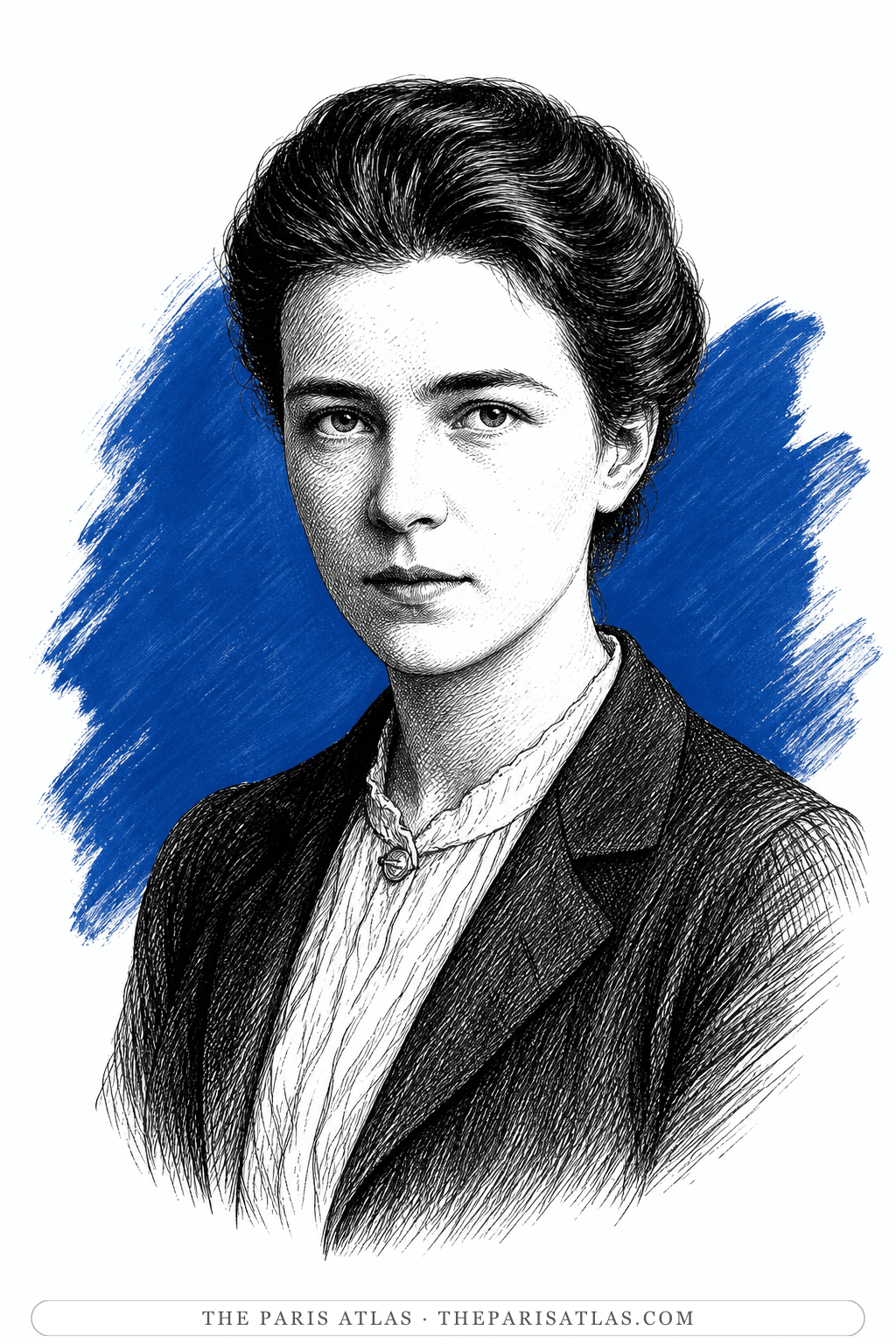
The book's first-person narrator, telling the story of her first twenty-one years at fifty. Selective, argumentative, shaped — the memoir is written after The Second Sex and against the constraints The Second Sex had described.
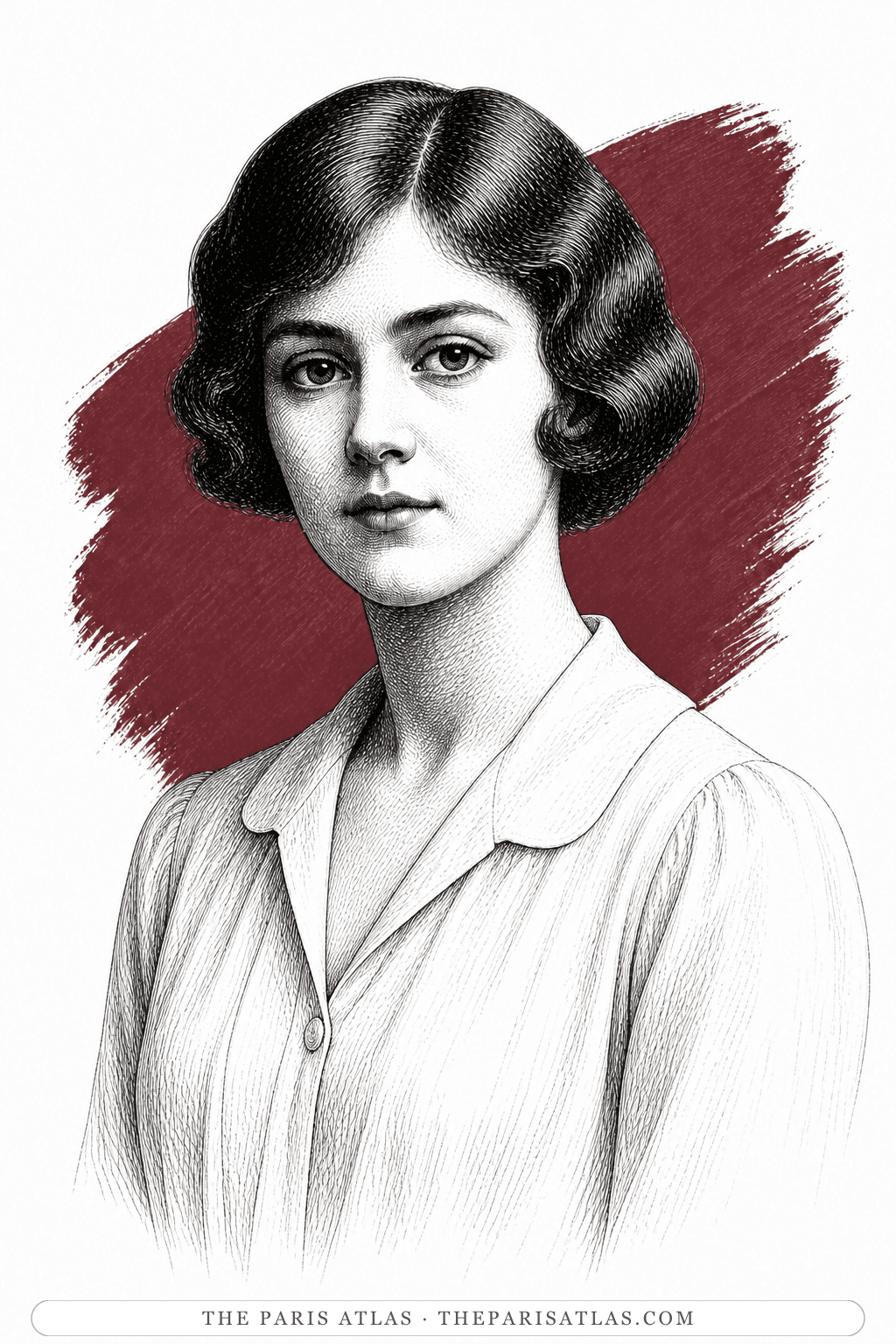
Beauvoir's closest friend from the Cours Désir schoolroom in 1917 until her own death at twenty-one in November 1929. An equally serious student, from a large devout Catholic upper-bourgeois family who refused her engagement to Maurice Merleau-Ponty and sent her abroad to break it. Died of viral encephalitis; Beauvoir reads the death as a killing.
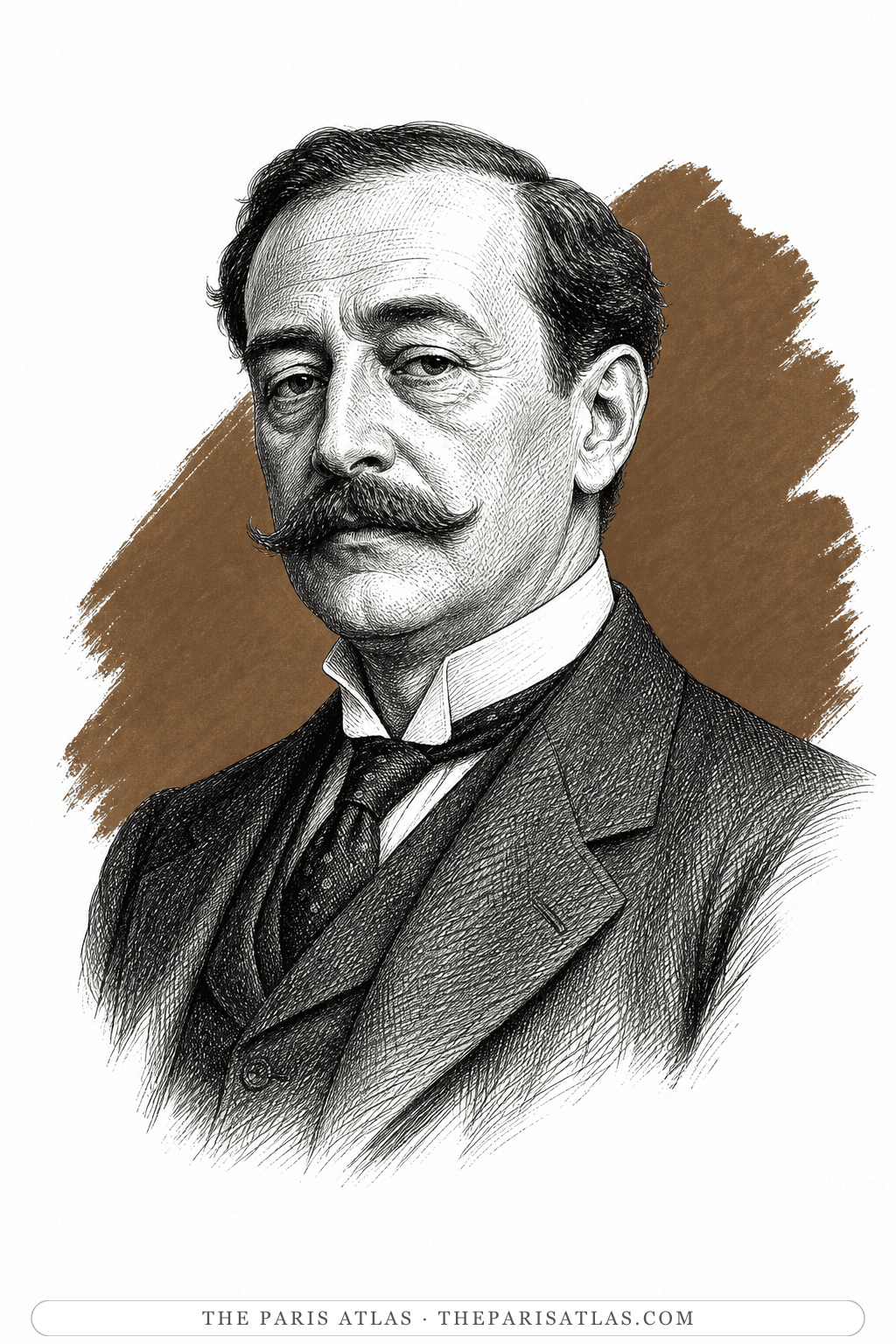
Beauvoir's father. A bourgeois lawyer, monarchist, anti-Dreyfusard, and once an amateur actor. Suffered a sustained financial decline through the First World War and its aftermath. Formative influence on Beauvoir's early love of literature and later disappointment with the life he had chosen.
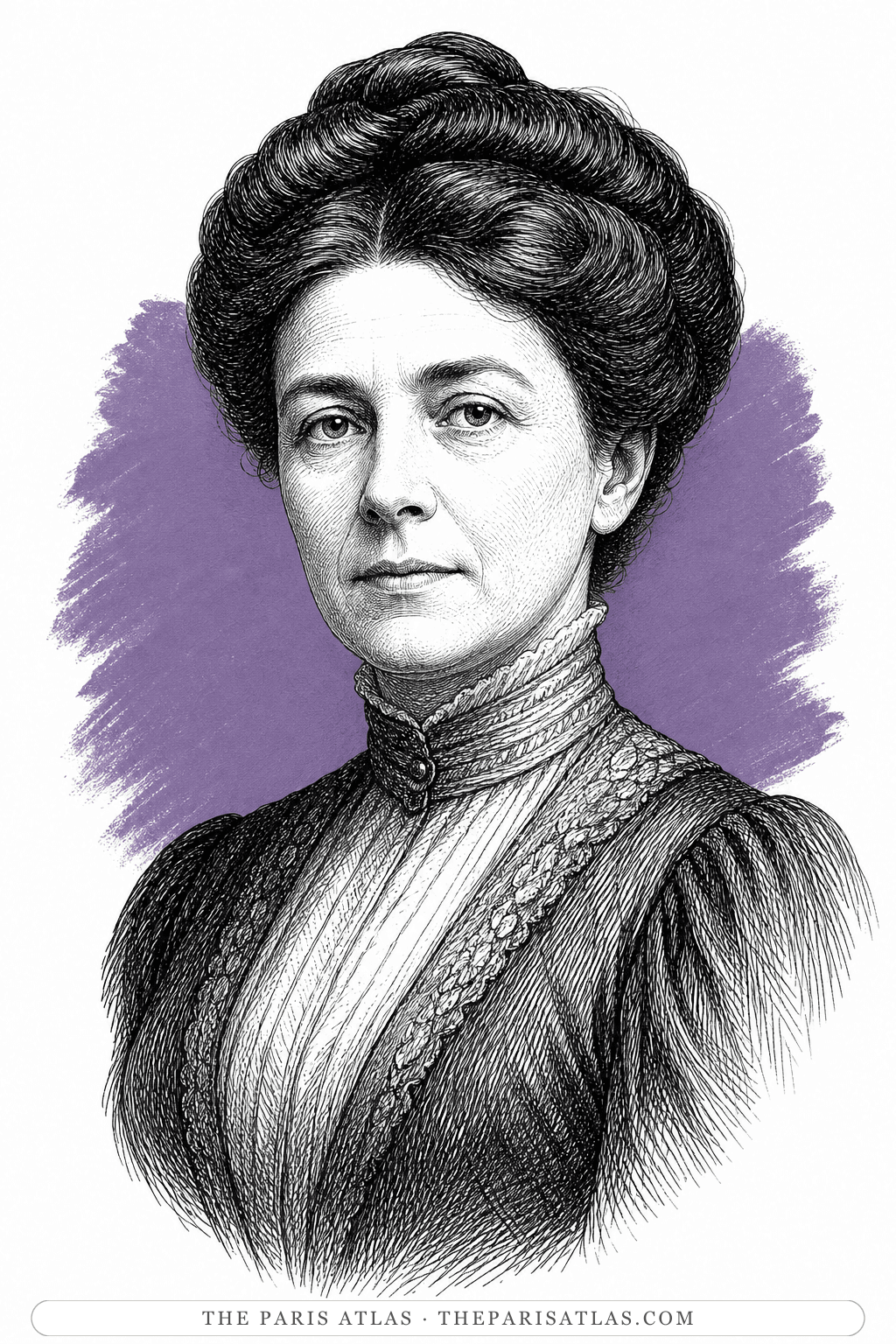
Beauvoir's mother. Devout Catholic, educated at a Verdun convent, married at twenty. Enforced the religious observance and the marriage-bound future the memoir spends its middle third pushing back against.
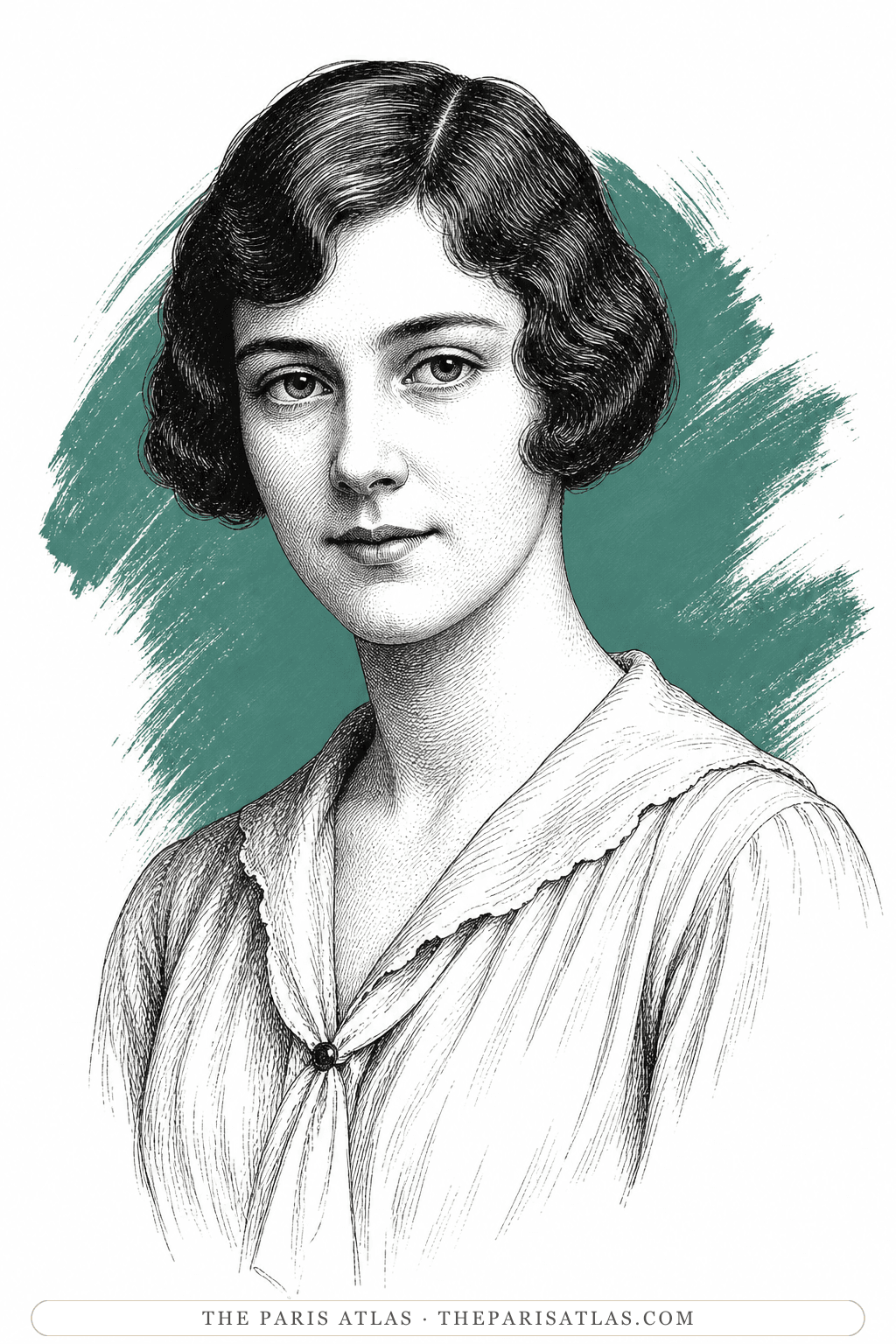
Simone's younger sister, two years her junior. Would become the painter Hélène de Beauvoir. Present in most of the childhood scenes as the family's second daughter — usually less indulged and less brilliant, and closer to Beauvoir than to their parents.
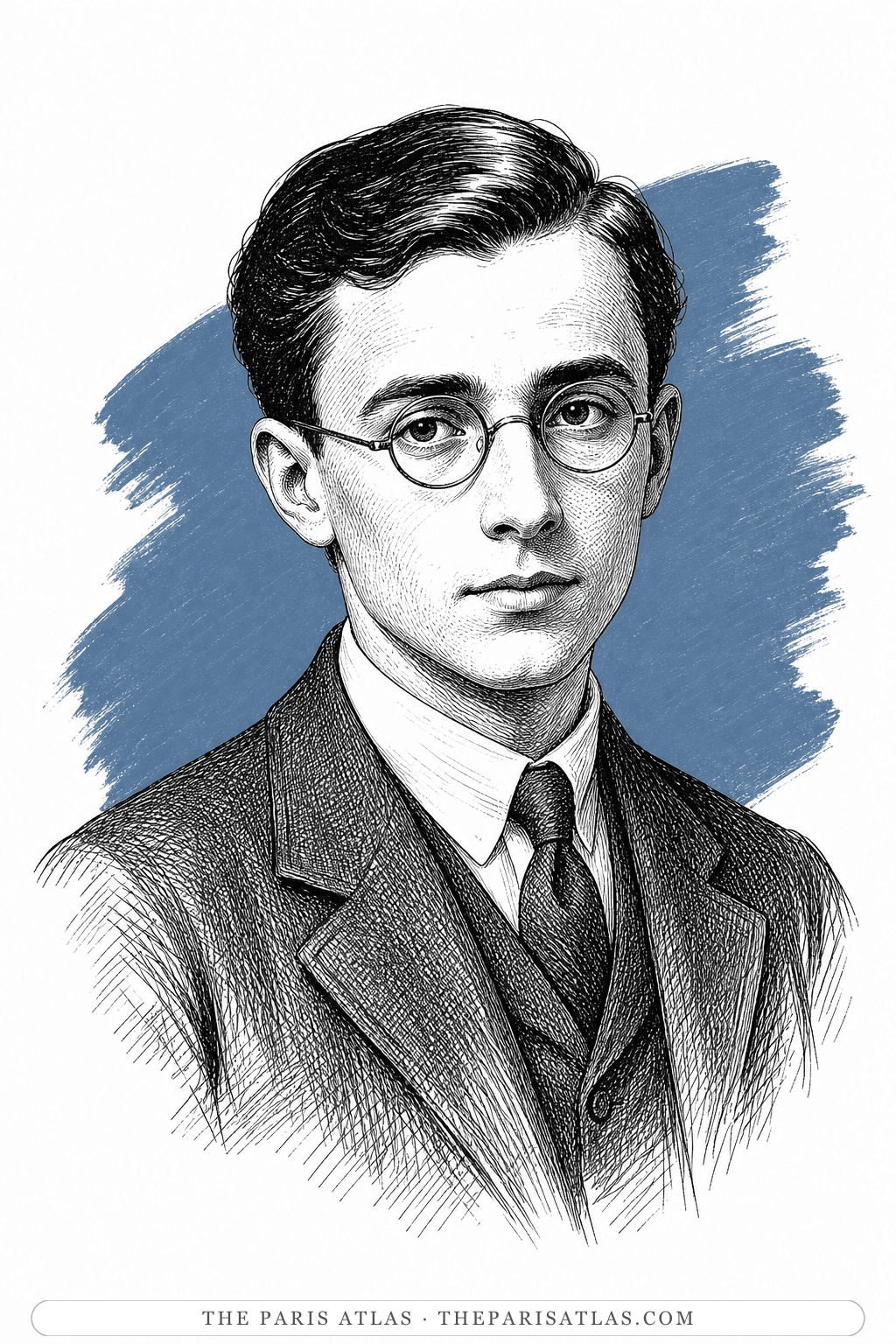
Later one of the major French philosophers of the twentieth century. Meets Beauvoir at the Sorbonne in the mid-1920s; Beauvoir introduces him to Zaza. Their attempt at an engagement in 1929, and her family's refusal to accept him, is at the centre of the memoir's last part.

Arrives late in the memoir — the spring of 1929, when Beauvoir and Sartre are both preparing for the agrégation. Sartre finishes first; Beauvoir, at twenty-one, finishes second and is the youngest agrégée in the history of the examination. The Prime of Life will take up the story from the same point.
9 January 1908
Simone Lucie Ernestine Marie Bertrand de Beauvoir born in Paris to Georges de Beauvoir and Françoise Brasseur.
1913
Enrolls at the Cours Désir Catholic girls' school.
1917
Meets Élisabeth 'Zaza' Lacoin in the same classroom at the Cours Désir.
1919
Family loses much of its money in the aftermath of the First World War; moves from 103 boulevard du Montparnasse to a smaller apartment on rue de Rennes.
c. 1922
Loses her religious faith at fourteen.
1924
Passes the baccalauréat.
1926
Begins reading philosophy at the Sorbonne.
Spring 1929
Meets Jean-Paul Sartre while both prepare for the agrégation.
Summer 1929
Sartre passes the agrégation first in the country. Beauvoir passes second — at twenty-one, the youngest agrégée in the history of the examination.
25 November 1929
Zaza dies of viral encephalitis, aged twenty-one. Memoirs of a Dutiful Daughter ends on her death.
November 1958
Gallimard publishes Mémoires d'une jeune fille rangée in Paris.
1959
James Kirkup's English translation appears from World Publishing and André Deutsch.
1960–1972
The three subsequent memoir volumes appear: The Prime of Life (1960), Force of Circumstance (1963), All Said and Done (1972).

The second memoir volume, covering Beauvoir from her 1929 meeting with Sartre through the Occupation and the Liberation of Paris — the years the intellectual partnership at the centre of her life was built and tested.
Read our take
Beauvoir's thousand-page 1949 argument that femininity is made and not born — the founding book of second-wave feminism and the century's most influential work of feminist philosophy.
Read our takeIt is the first of Beauvoir's four memoir volumes, covering her first twenty-one years — the bourgeois Catholic Paris childhood, the Cours Désir school, the loss of religious faith at fourteen, the fight with her parents over a life outside marriage, the Sorbonne years reading philosophy, meeting Jean-Paul Sartre, and the death at twenty-one of her closest friend Élisabeth 'Zaza' Lacoin.
Gallimard published the original French edition, Mémoires d'une jeune fille rangée, in Paris in November 1958. James Kirkup's English translation appeared from World Publishing in Cleveland and from André Deutsch in London in 1959.
Élisabeth 'Zaza' Lacoin (1907–1929), Beauvoir's closest friend from their meeting in the Cours Désir classroom in 1917 until Zaza's death from viral encephalitis on 25 November 1929, aged twenty-one. Zaza had secretly become engaged to the philosopher Maurice Merleau-Ponty; her devout Catholic family refused to accept the match and sent her abroad to break it. Beauvoir reads the death as a killing by the Catholic bourgeois family the memoir has spent its length describing.
It ends with Zaza's death in November 1929 and one of the most quoted sentences in twentieth-century French autobiography: 'For a long time I believed that I had paid for my own freedom with her death.' Beauvoir was twenty-one; she and Sartre had just met and both passed the agrégation the summer before.
Memoirs of a Dutiful Daughter (1958), covering 1908 to 1929. The Prime of Life (1960), covering 1929 to 1944. Force of Circumstance (1963), covering the years of The Second Sex and The Mandarins and the affair with Nelson Algren. All Said and Done (1972), the last volume, written at sixty-four. The four together form the longest single autobiography by a French twentieth-century writer.
The Second Sex (1949) makes the general case that women are turned into women by family, education, religion, and marriage law. Memoirs of a Dutiful Daughter (1958) names the specific bourgeois Catholic version of that argument and its cost — the girl Beauvoir was, the girl Zaza was, and the freedom one of them survived to have.
Explore authors with a similar voice, perspective, and influence.
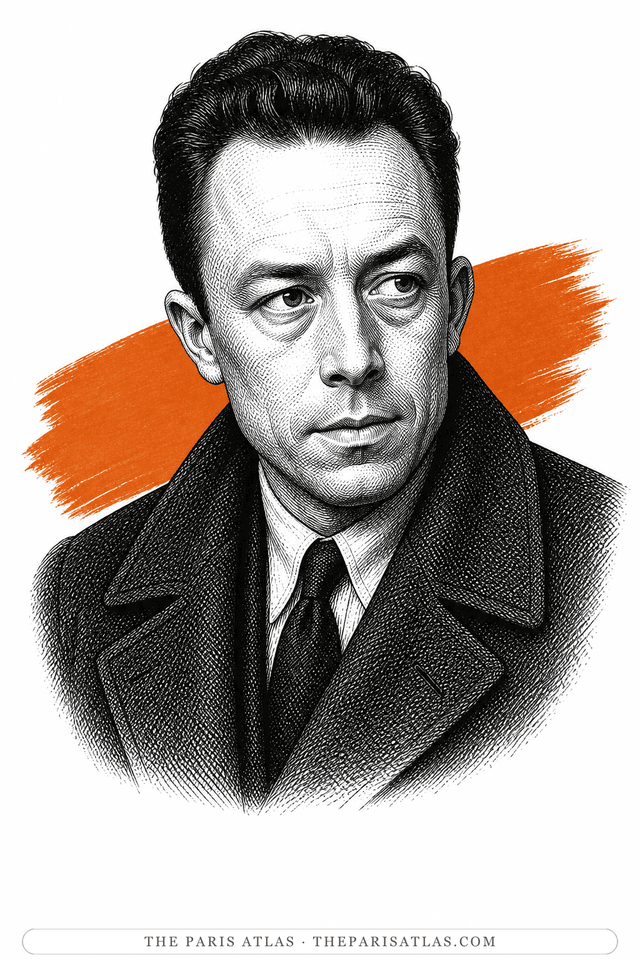
Both French writers used novels, essays, journalism, and public argument to ask how freedom and responsibility operate without a fixed moral system.
View author
The Brooklyn dropout who arrived in Paris broke at thirty-eight and wrote the exuberant, banned books that ended American censorship.
View author
The doctor of the Paris slums who wrote the century's blackest, funniest novel — and changed the sound of French prose.
View authorThe sources below include the primary text, editions, scholarship, archival materials, and other records that informed this page. They document Memoirs of a Dutiful Daughter, its publication, and its place in literary history.


The primary French schoolroom passage reproduced with explicit omissions by Kartable; used for the friendship analysis, not a claim to have newly collated the whole memoir.

Fricker's discussion and quotations of Beauvoir's learned expectations about equality and intellectual ability; the mediation is explicitly identified in the analysis.
Publisher record used to verify the 2006 Penguin Classics edition, ISBN, format, pagination, and James Kirkup translation credit.
Used to place Memoirs of a Dutiful Daughter within Simone de Beauvoir's published work and verify its bibliographic context.
Used for independent biographical, archival, or historical context surrounding Simone de Beauvoir's career and the period in which Memoirs of a Dutiful Daughter appeared.
Used to cross-check authorship, chronology, and the work's place in Simone de Beauvoir's wider catalogue.
Used to verify Simone de Beauvoir's bibliography and place Memoirs of a Dutiful Daughter within the broader chronology of Simone de Beauvoir's career.
The primary text is the baseline reference for every book page. Additional references document publication history, interpretation, and historical context where that evidence is available.
 Explore more resources