Made here
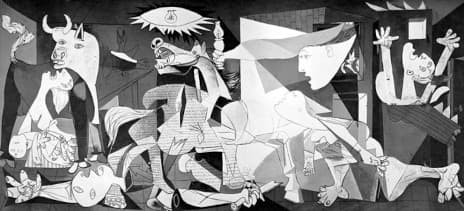
Guernica
Painted in the attic studio between 1 May and 4 June 1937, with Dora Maar photographing the stages. The Reina Sofía's Rethinking Guernica archive documents the studio and the five-week timeline.
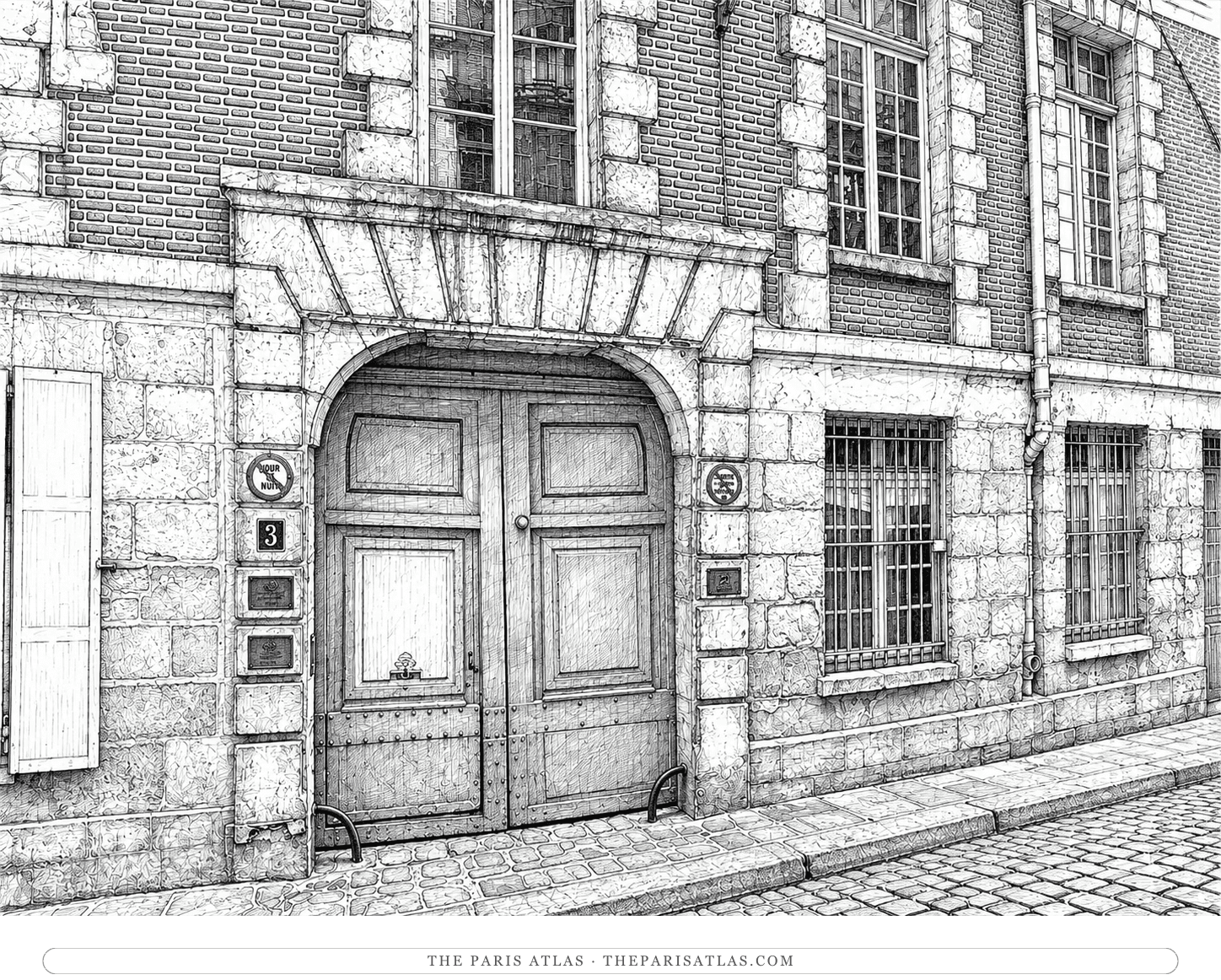
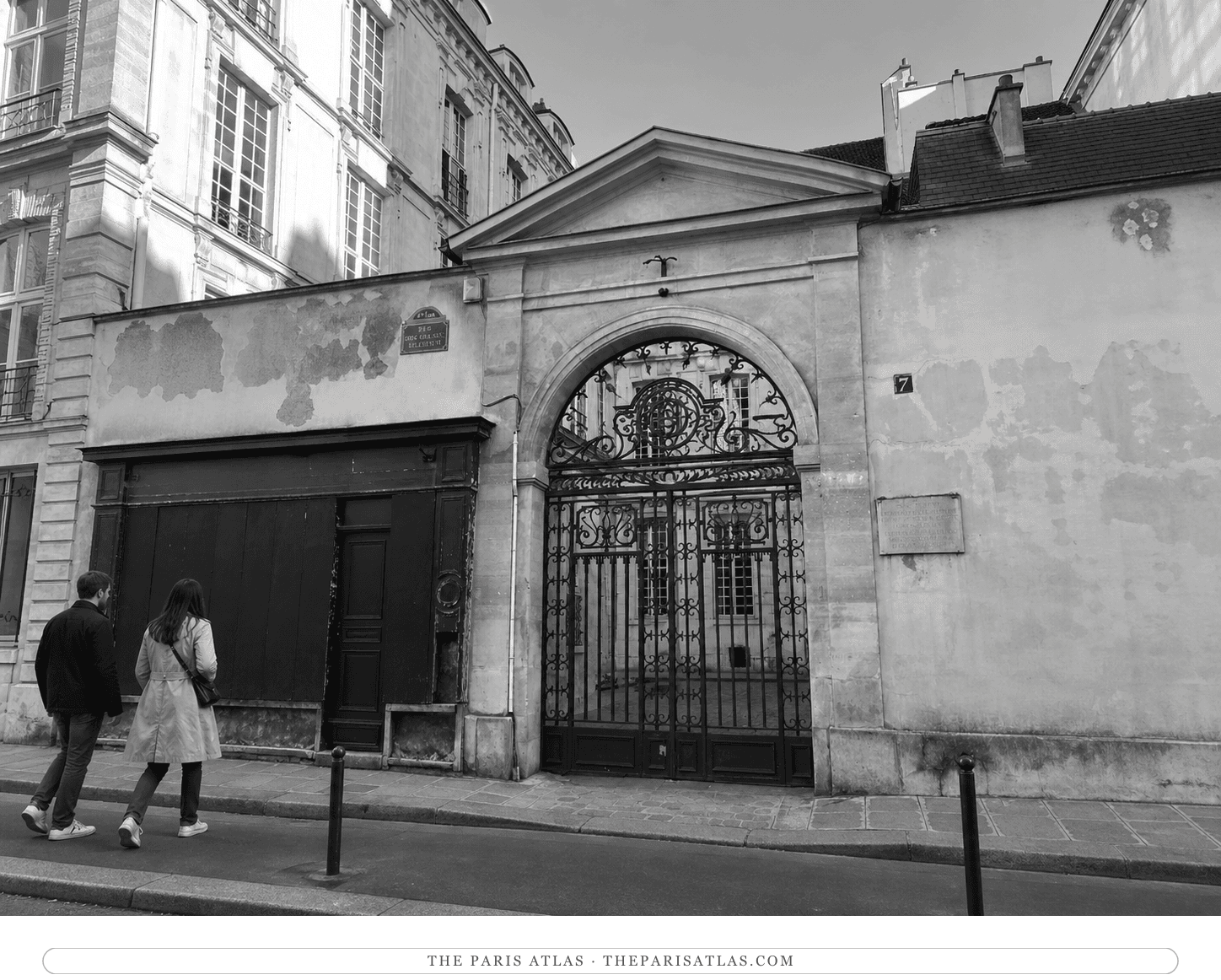
Pablo Picasso's Paris studio from the winter of 1936 until 1955, and the room in which Guernica was painted between 1 May and 4 June 1937. Dora Maar photographed the picture at every stage of its making here — the only complete photographic record of a major painting being built.

Pablo Picasso took a studio at 7 rue des Grands-Augustins in the winter of 1936, in a seventeenth-century building on the left bank a few streets from the Seine. He kept it until 1955.[1]
In January 1937 the Spanish Republican government commissioned him to make a work for its pavilion at the Paris World's Fair. He had no subject and made little progress for months. Then on 26 April the Basque town of Guernica was bombed by German and Italian aircraft flying for the Nationalists, and the reports reached Paris within days.[1]
He began on 1 May and finished on 4 June 1937. The canvas is nearly eight metres wide and it was painted in this room — a fact worth holding onto when you stand on the street, because the scale of the thing against the scale of a Paris apartment building is the first surprise of the story.[1]
Dora Maar, a photographer and Picasso's partner at the time, photographed the painting in progress from 11 May to 4 June. That record is why Guernica is the most closely documented major painting ever made: you can watch it change state by state, see figures added and painted out, and see the composition arrive rather than appear. Nothing comparable exists for any other work of that importance.[2]
The building held more than the painting. The studio became a meeting place through the Occupation, when Picasso stayed in Paris and went on working while his art was officially condemned.[3]
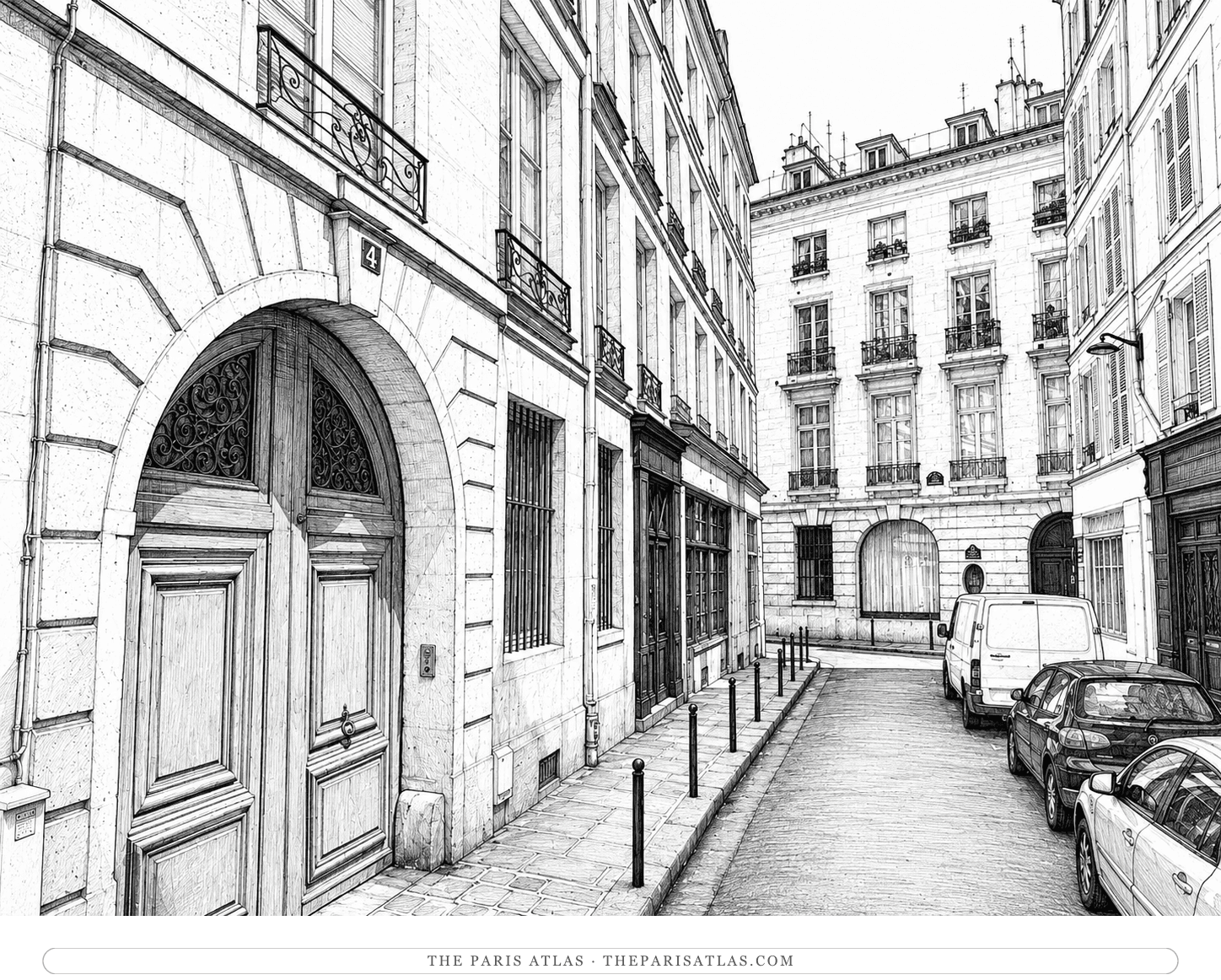
It is private and there is nothing to enter. But the street is short and quiet and the building is unmistakable, and the Musée national Picasso in the Marais is the place to go afterwards.
Picasso takes the studio at 7 rue des Grands-Augustins.
The Spanish Republic commissions a work for its pavilion at the Paris World's Fair.
Guernica is bombed; reports reach Paris within days.
Picasso paints Guernica in the studio.
Dora Maar photographs the painting at every stage.
Picasso gives up the studio.
At 7 rue des Grands-Augustins in the 6th arrondissement, Picasso's Paris studio from the winter of 1936 to 1955. He painted it between 1 May and 4 June 1937 — a canvas nearly eight metres wide, made inside an ordinary Paris building.
The Spanish Republican government commissioned a work for its pavilion at the 1937 Paris World's Fair. He had no subject for months. On 26 April 1937 the Basque town of Guernica was bombed by German and Italian aircraft flying for the Nationalists; he started painting on 1 May.
Dora Maar, a photographer and Picasso's partner at the time, who recorded the canvas from 11 May to 4 June 1937. It is the reason Guernica is the most closely documented major painting ever made — you can watch figures added and painted out, and see the composition arrive rather than simply appear.
No — it is a private building with nothing to see inside. The street is worth walking, and the Musée national Picasso in the Marais is where to go afterwards.
Made here
Painted in the attic studio between 1 May and 4 June 1937, with Dora Maar photographing the stages. The Reina Sofía's Rethinking Guernica archive documents the studio and the five-week timeline.
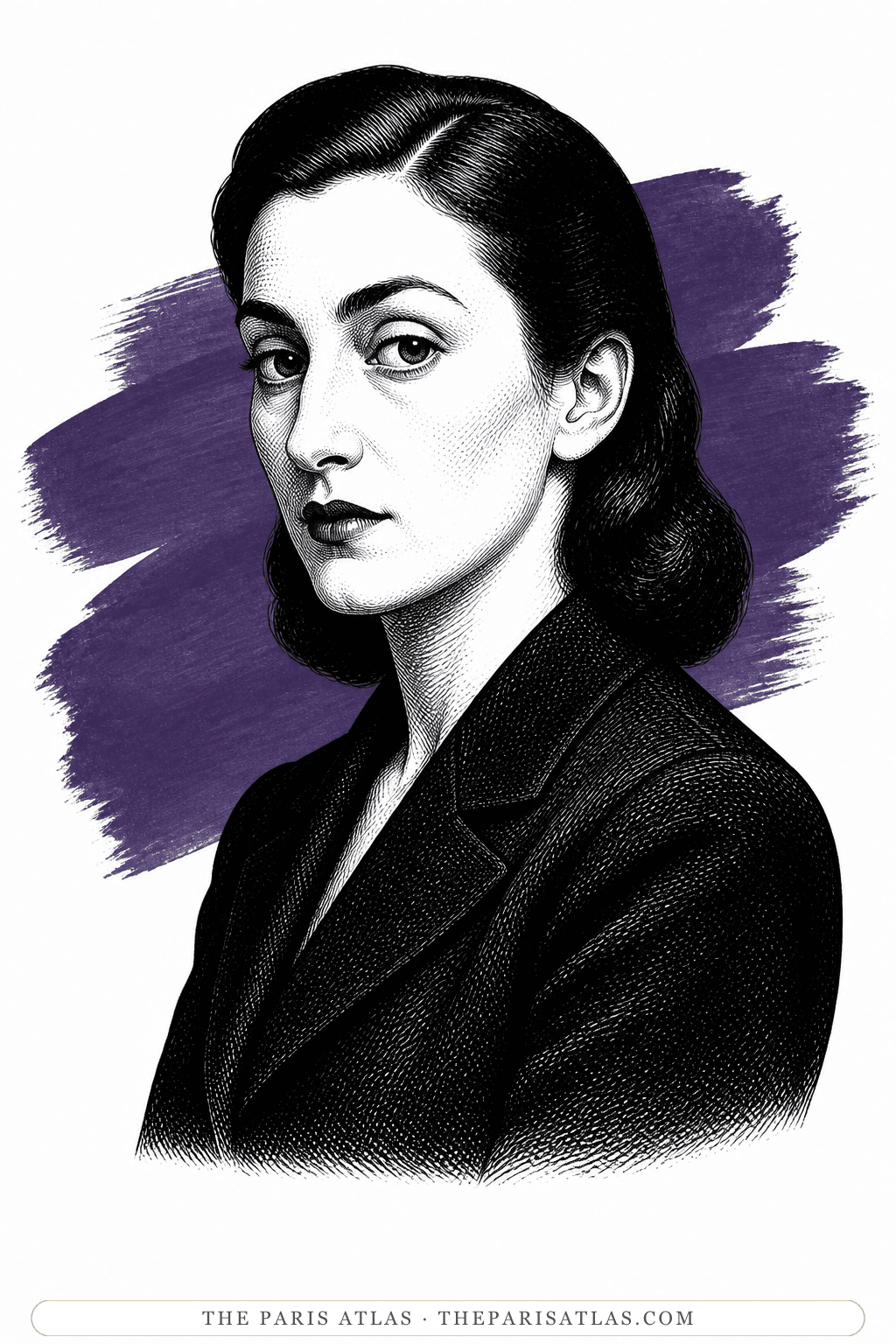
Dora Maar photographed Guernica in progress in this studio from 11 May to 4 June 1937, state by state — the reason it is the most closely documented major painting ever made.
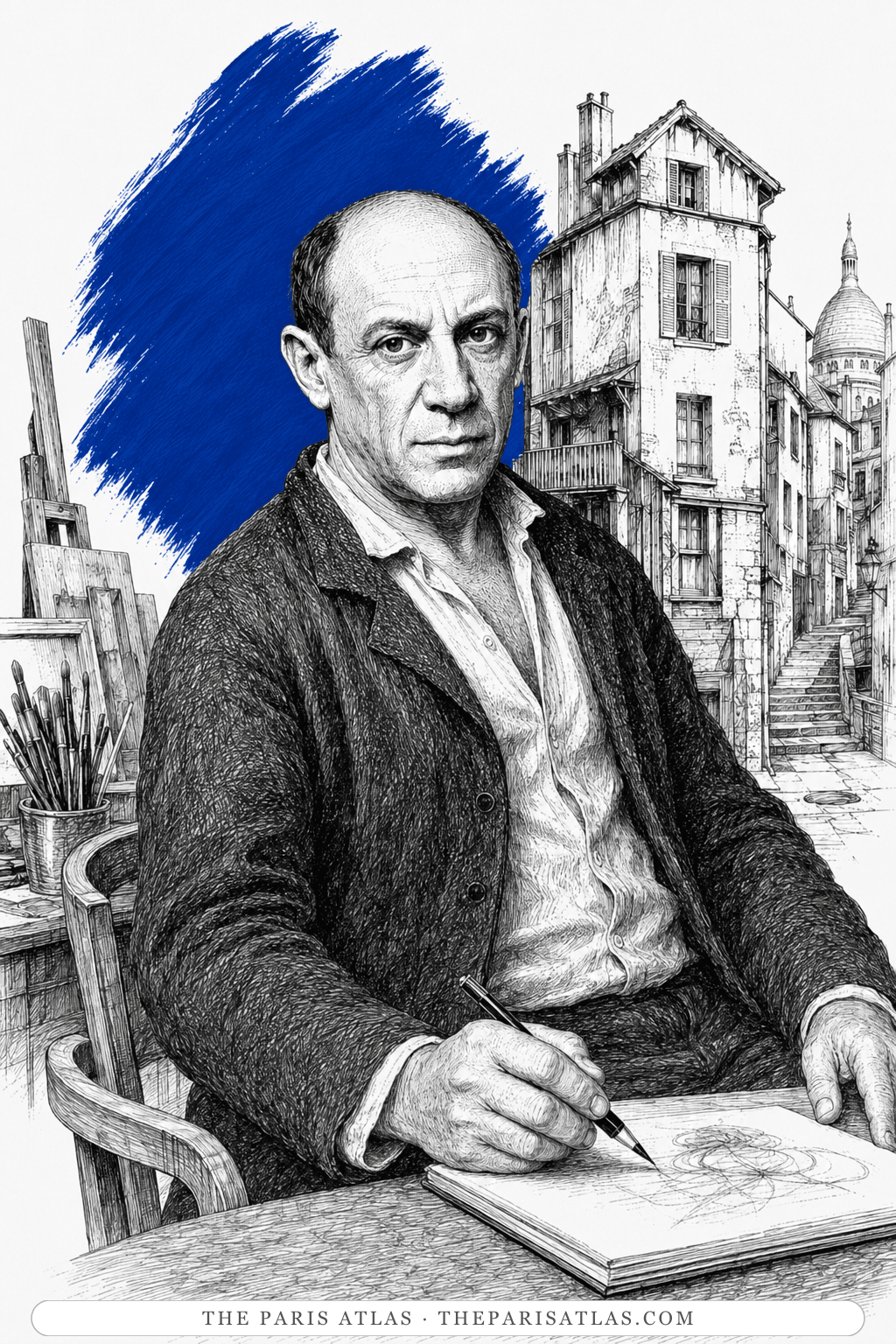
Picasso's Paris studio from the winter of 1936 until 1955. He painted Guernica here between 1 May and 4 June 1937, on a canvas nearly eight metres wide, after the bombing of the town on 26 April; Dora Maar photographed it at every stage from 11 May.
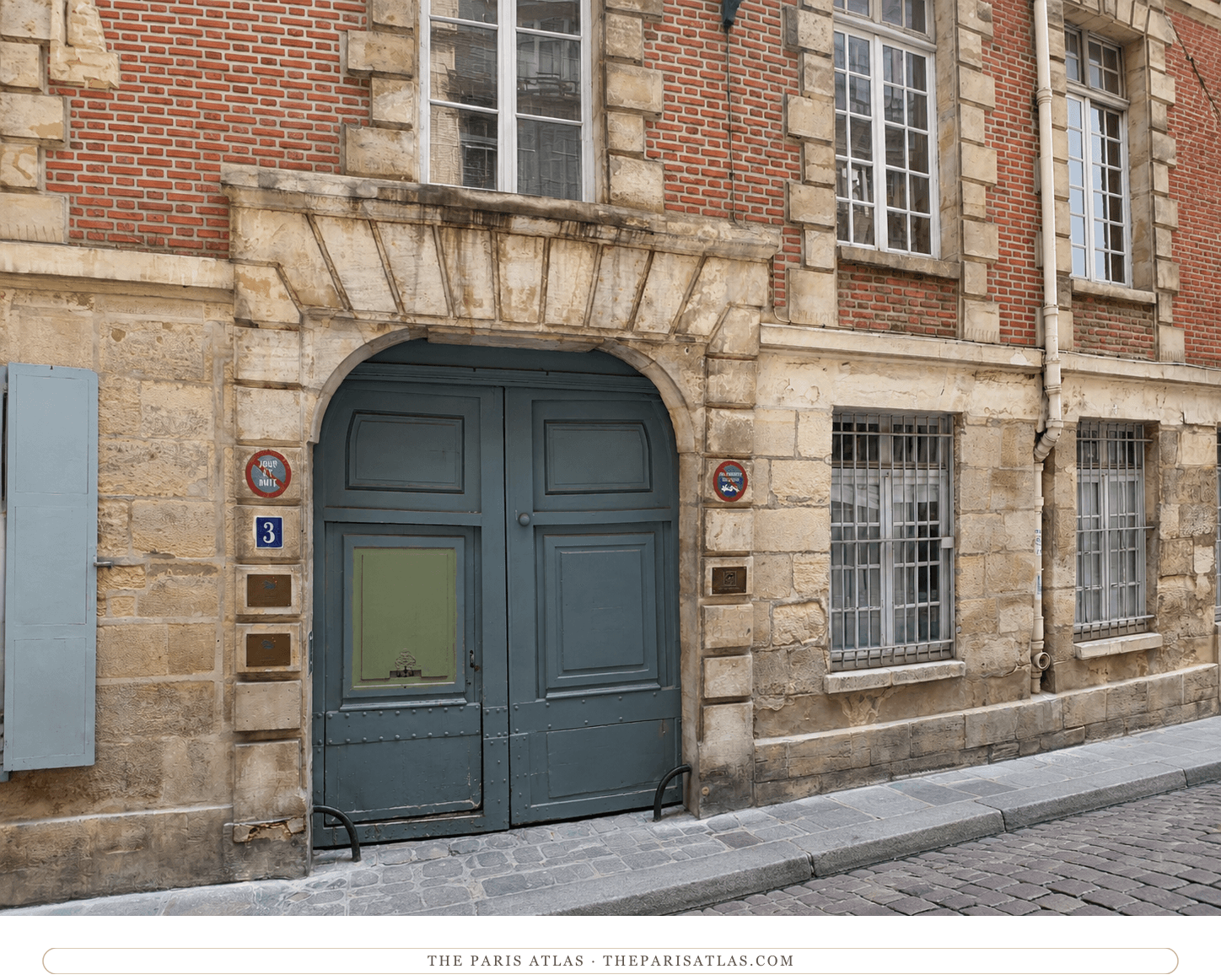
Robert and Sonia Delaunay's apartment and studio from 1910 to 1935 — where La Prose du Transsibérien took its colors, and whose key Blaise Cendrars held while the couple waited out the First World War abroad.
Visit the place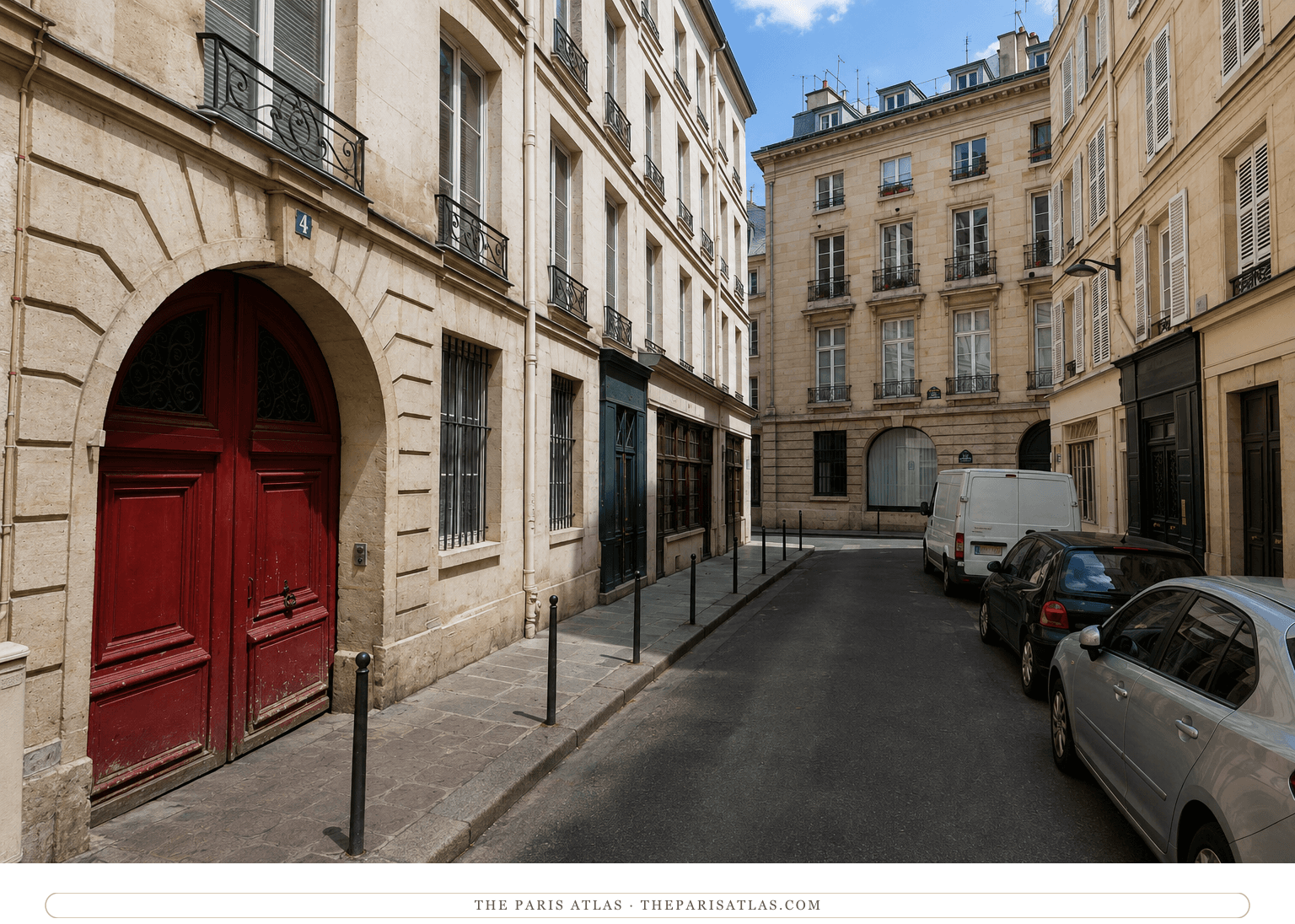
The attic room where Blaise Cendrars settled in 1912, back from New York — his home, the address of the one-man publishing house that issued La Prose du Transsibérien, and the room he came back to after losing his arm in the war.
Visit the place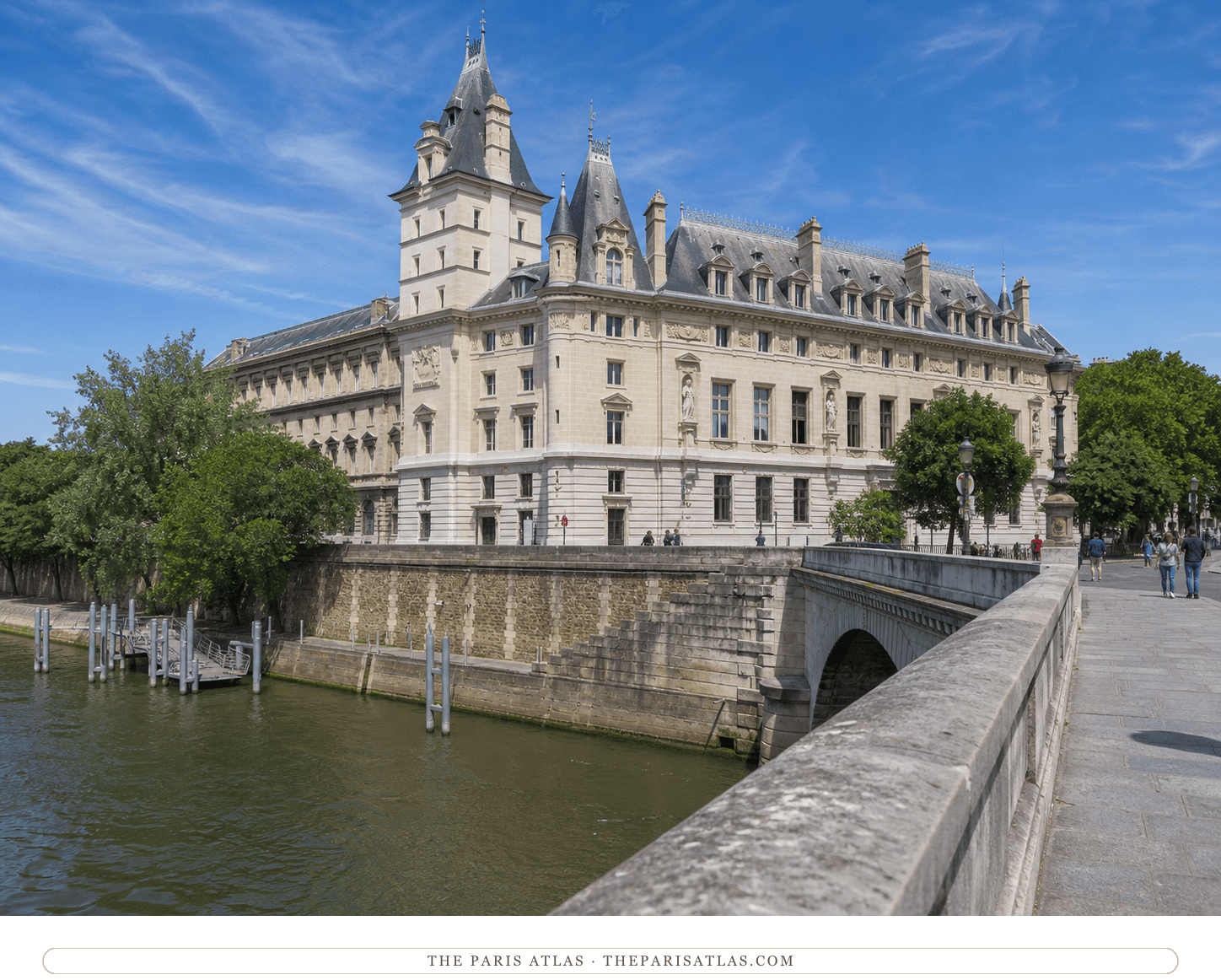
The informal life-drawing studio on the quai des Orfèvres where anyone could pay to draw from the model without an examination — and where Camille Pissarro met Paul Cézanne around 1861.
Visit the place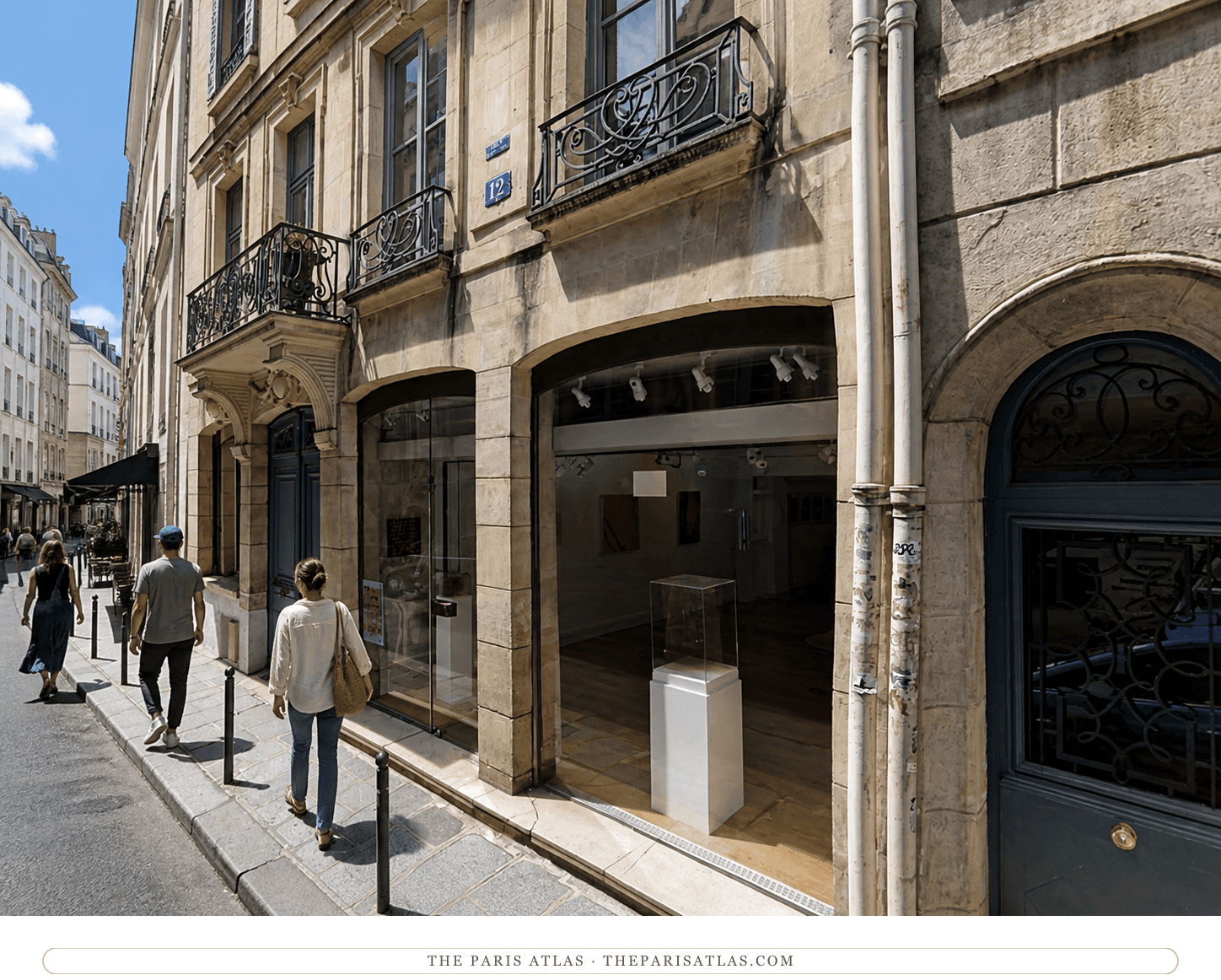
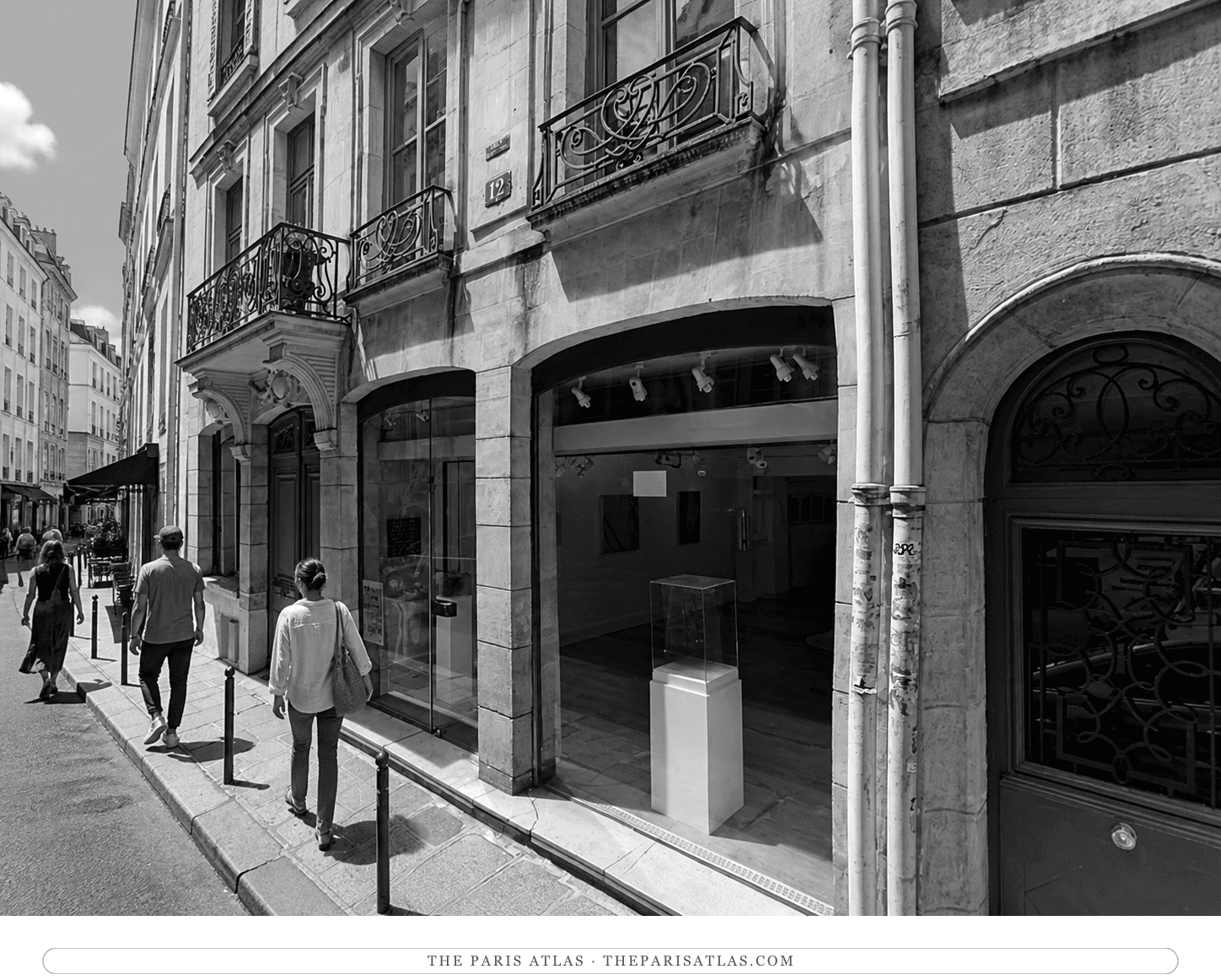
The gallery of Jeanne Bucher, who went on showing abstract painting in occupied Paris when it was neither profitable nor safe — including Kandinsky, in 1936, 1939 and 1942.
Visit the placeThe sources below include histories, archival materials, scholarly research, and official records that informed this page. They document 7 rue des Grands-Augustins, the people connected to it, and its place in Paris.


The Reina Sofía's Guernica research project on the studio: Picasso taking it in winter 1936, keeping it to 1955, the 1 May to 4 June 1937 painting dates, and Dora Maar's photographic record from 11 May.
Web source consulted for documented facts and historical context presented on the 7 rue des Grands-Augustins page.
Web source consulted for documented facts and historical context presented on the 7 rue des Grands-Augustins page.

Map data used to verify addresses, geographic coordinates, and the placement associated with 7 rue des Grands-Augustins.
These references provide the documented foundation for this page's history and context. Claim-level citations remain attached to the specific claims they support.
 Explore more resources
Newsletter
The cafés, studios, and walk-up flats where the work was made — one story from the map in every letter.