
Recalled in the memoir
Bourlinguer
Cendrars recalls returning to his seventh-floor attic after losing his right arm and spending seven days there without food, drink, or tobacco in June 1916.
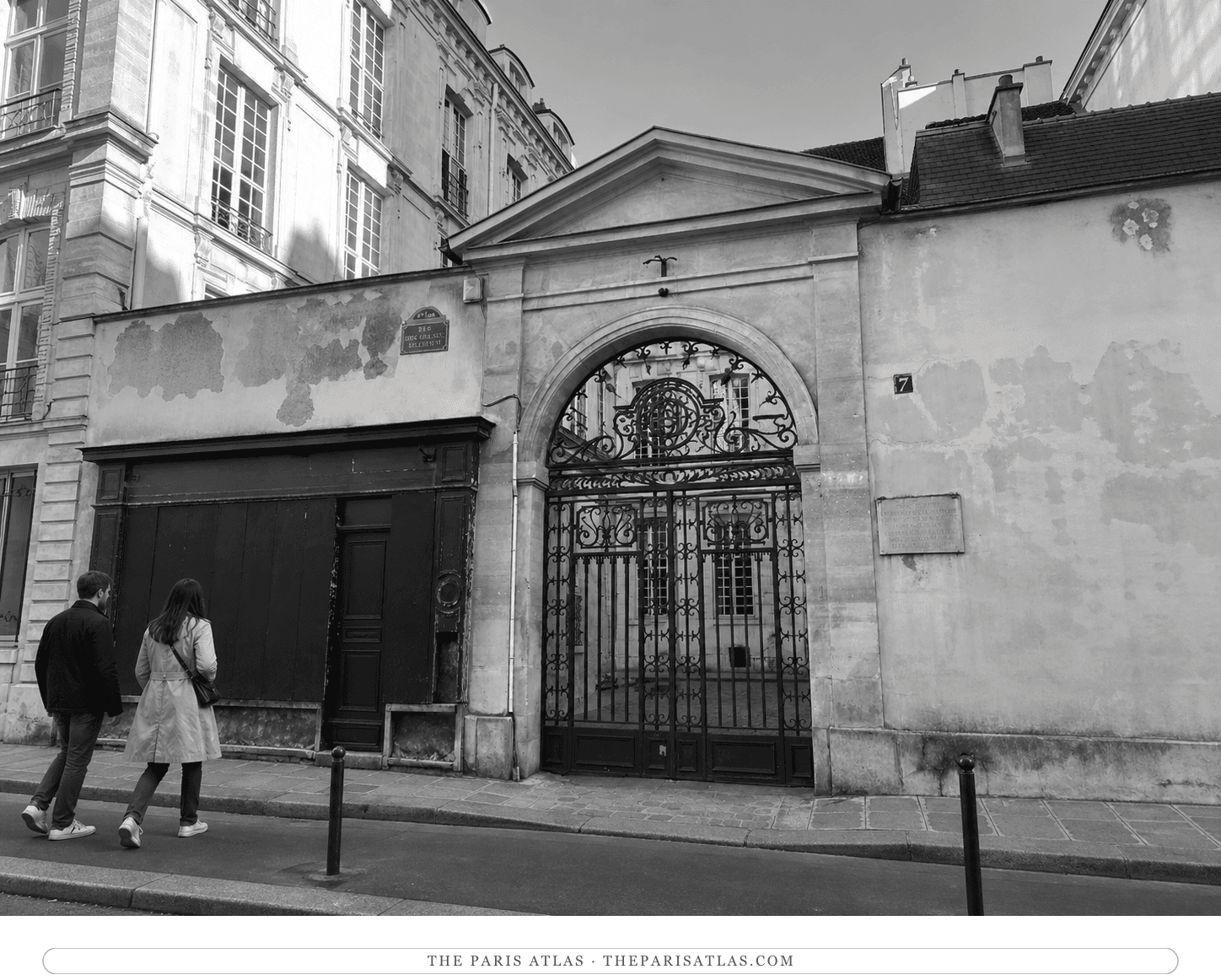
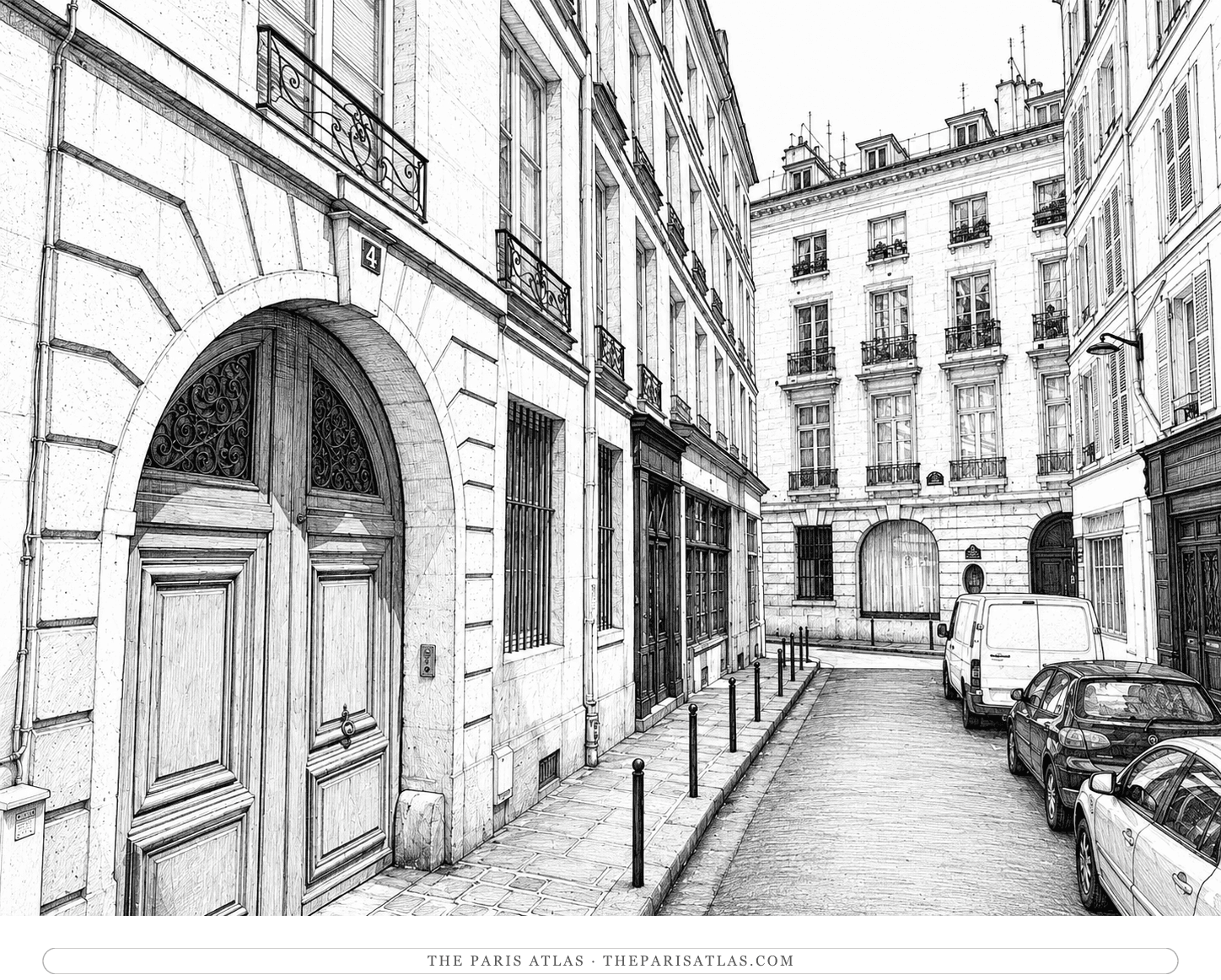
The attic room where Blaise Cendrars settled in 1912, back from New York — his home, the address of the one-man publishing house that issued La Prose du Transsibérien, and the room he came back to after losing his arm in the war.
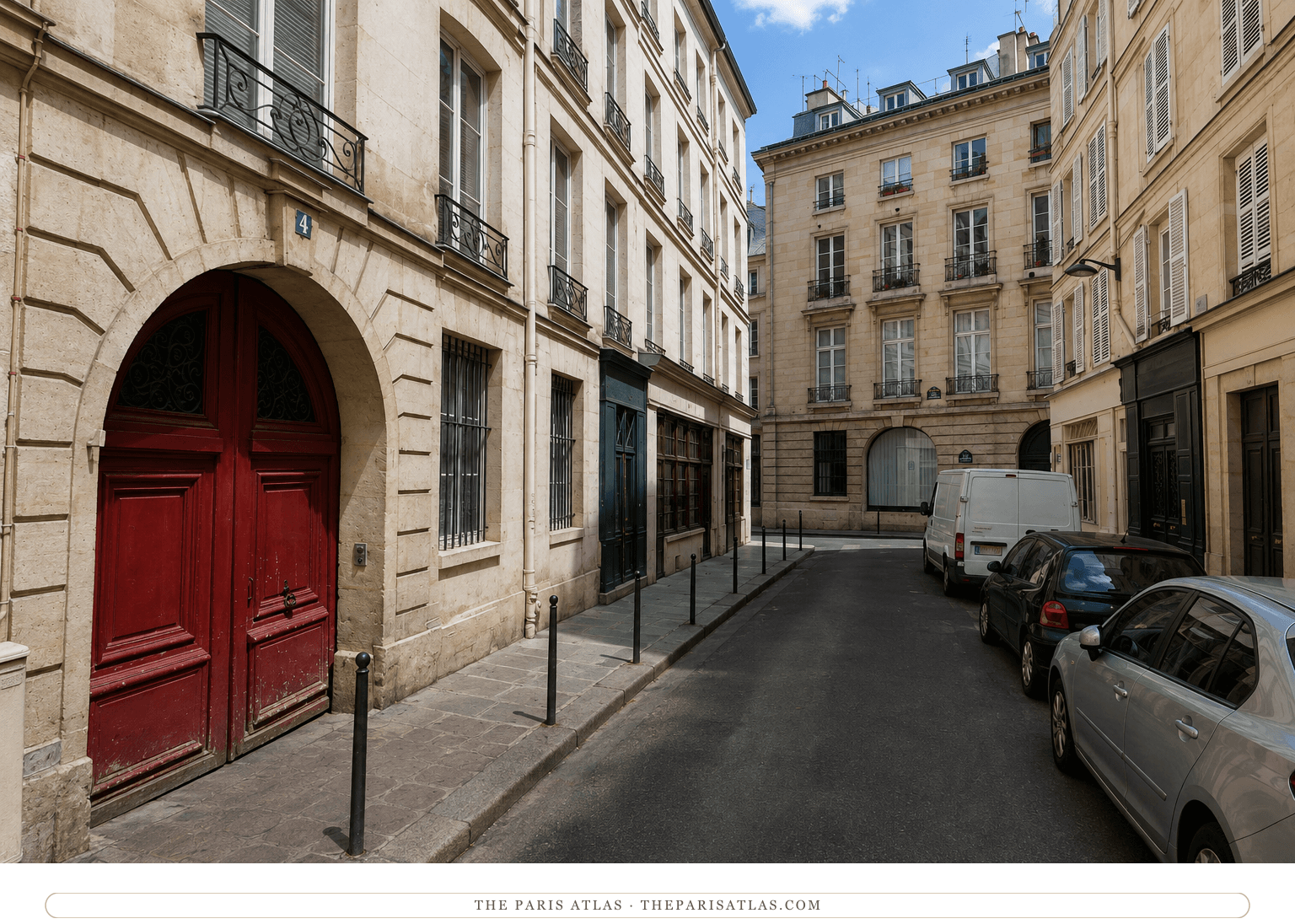
When Blaise Cendrars returned to Europe from New York in the summer of 1912, he was almost completely unknown. He had written the long poem that would become Easter in New York, and he had begun using the name Blaise Cendrars instead of Frédéric Sauser, but his career had barely started. By 31 August he was back in Paris, and by 25 September 1912 surviving correspondence already carries the letterhead of Les Hommes nouveaux, 4 rue de Savoie.[1]
The address was not a conventional publishing office. It was Cendrars's own small attic room — his mansarde. From here he helped run Les Hommes nouveaux, the short-lived Franco-German review founded with the anarchist writer Emil Szittya and Marius Hanot. Its stationery listed "Rédaction et administration : 4, Rue de Savoie Paris", turning Cendrars's bedroom into both home and editorial headquarters.[2]
That modest room became the address of Cendrars's first books. In 1912 the imprint published Les Pâques, the poem that acquired its familiar title Les Pâques à New York only in 1919. In 1913 came Séquences.[2]
Then came the work that made the address part of the history of modern book design. In 1913 Cendrars collaborated with Sonia Delaunay on La Prose du Transsibérien et de la petite Jehanne de France, combining his poem with her blocks of simultaneous color on a sheet almost two meters long, folded accordion-style. The Bibliothèque nationale de France's record of the book preserves the imprint exactly: Éditions des Hommes nouveaux, 4, rue de Savoie, 1913.[3]
The collaboration was rooted in the immediate neighborhood. Robert and Sonia Delaunay lived around the corner at 3 rue des Grands-Augustins. Sonia Delaunay remembered the Cendrars of January 1913 as a frail, pale young man; both of them spoke Russian, and a friendship formed at once. He became close to Guillaume Apollinaire and associated with artists including the Delaunays, Marc Chagall, Fernand Léger and Amedeo Modigliani.[4]
I saw Marc Chagall's first paintings in the little attic where Blaise Cendrars lived, at 4 rue de Savoie, because the walls of Blaise Cendrars's dwelling were studded with paintings by Modigliani, Robert Delaunay, and Marc Chagall.
The room was poor, but not bare. The critic Florent Fels's recollection preserves a picture of the attic no photograph does: a broke poet's bedroom functioning simultaneously as editorial office, publishing address and informal avant-garde gallery.[5]
Then the war interrupted everything. Cendrars volunteered for the French forces in 1914. On 28 September 1915, fighting in Champagne, he was gravely wounded and his right arm was amputated. Yet rue de Savoie remained part of his life: by June 1916, out of the hospitals, he was back in the attic. The address had now known two radically different versions of Cendrars — the young two-handed poet launching himself into the Paris avant-garde, and the wounded veteran learning to write and live with his left hand.[1]
Once, I stayed seven days in bed in my attic on the rue de Savoie.
Une fois, je suis resté sept jours couché dans ma mansarde de la rue de Savoie.
The postwar room could be bleak. In Bourlinguer, Cendrars remembered those seven days in bed with nothing to drink, eat or even smoke, so disgusted at having come back from the war alive that he had sworn to beg from no one and not to go out again short of a miracle. He dates the memory to June 1916, seven flights up. Whatever liberties Cendrars sometimes took with autobiography, the passage gives an unusually raw image of what this address meant to him after the front.[6]
Cendrars did not simply abandon the apartment in 1914. A postcard from September 1917 announces his return to Paris and gives 4 rue de Savoie as the address where his friends could find him. Correspondence from as late as April 1922 still carries the address. The Paris Review, introducing its long interview with him, put it simply: his home base was always Paris, for several years in the rue de Savoie, later in the avenue Montaigne.[7]
That qualification is very Cendrars. He had an address, but never only one home. Hotels, trains, ports, country houses and foreign cities continually pulled him away. Rue de Savoie was less a place that kept Cendrars still than a place he repeatedly came back to.[8]
The building remains residential today. There is no Cendrars museum here, yet few of his Paris addresses contain so much of his story: his emergence as Blaise Cendrars, his first independent publishing venture, his collaborations with the Paris avant-garde, the publication of the Transsibérien, his departure for war, and his difficult return from it.
Cendrars returns from New York in the summer, takes the attic room, and founds Les Hommes nouveaux; by 25 September its letterhead carries the address. His New York poem is published as Les Pâques.
Séquences appears, and the Éditions des Hommes nouveaux publishes La Prose du Transsibérien with the imprint 4, rue de Savoie.
The First World War begins and Cendrars volunteers for the French forces. Rue de Savoie stops being his everyday base while he serves, but he does not give up the address.
On 28 September, Cendrars is severely wounded in Champagne and loses his right arm.
Out of the hospitals, Cendrars returns to the attic; the seven-day fast he describes in Bourlinguer belongs to June of this year.
A September postcard announces his return to Paris and again gives 4 rue de Savoie as his address.
Correspondence from April still carries the address — the attic has remained one of his Paris bases into the 1920s.
Recalled in the memoir
Cendrars recalls returning to his seventh-floor attic after losing his right arm and spending seven days there without food, drink, or tobacco in June 1916.
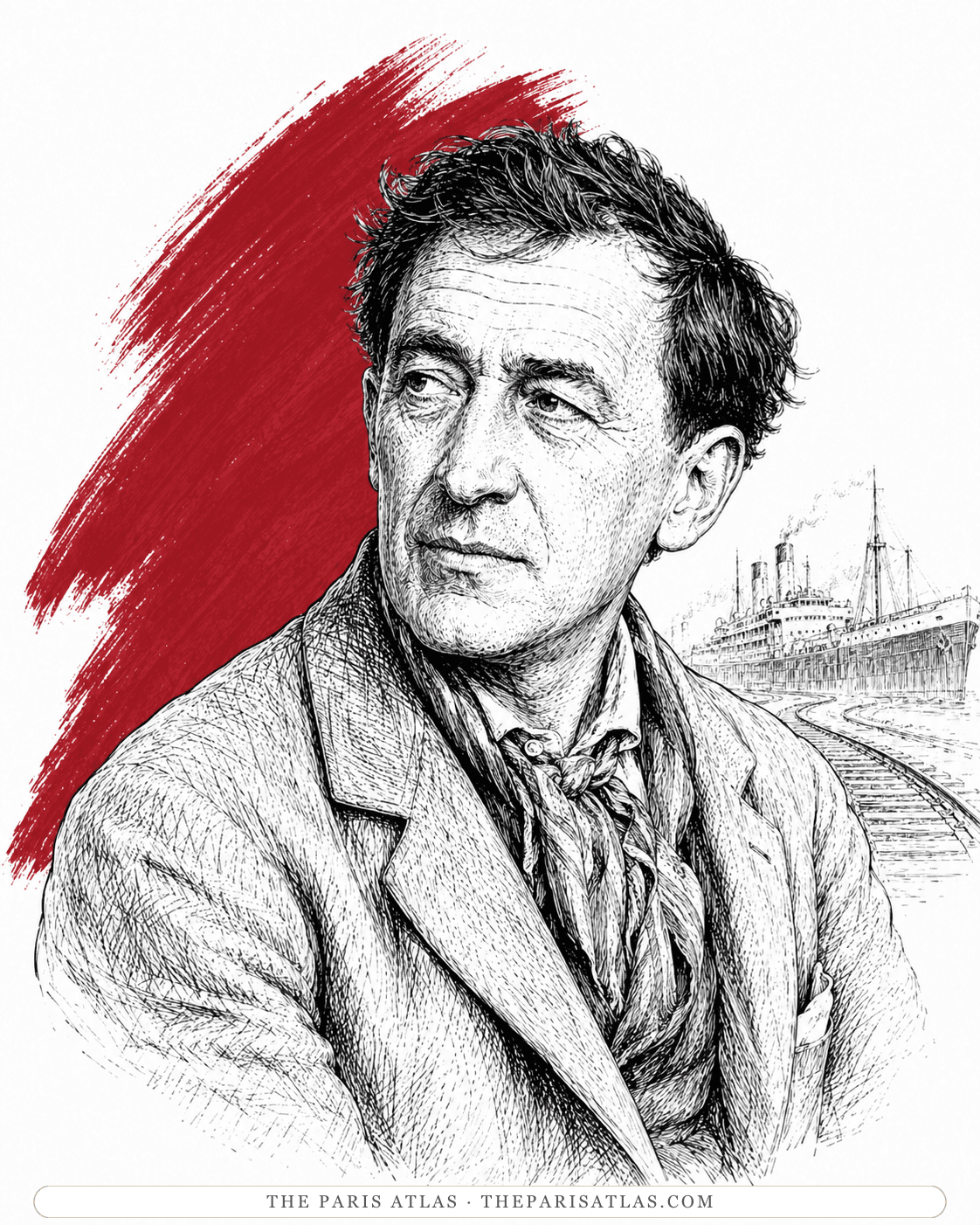
Lived here · 1912–1914
The catalogue essay for Cendrars's letters to his brother Georges states that on returning to Paris in June 1912 he settled at 4 rue de Savoie and founded Les Hommes nouveaux there; the BnF's notice for La Prose du Transsibérien preserves the imprint with the same address.
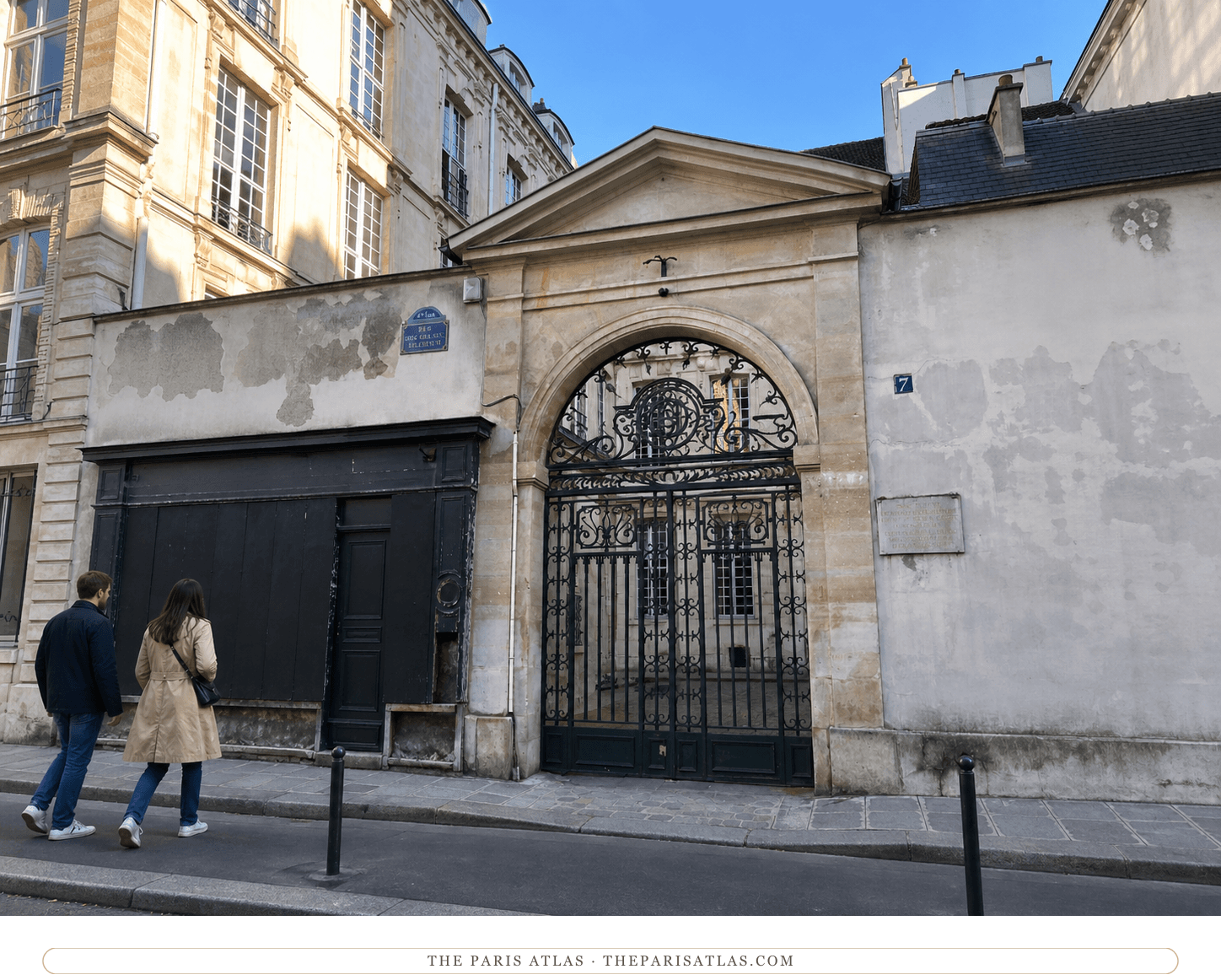
Pablo Picasso's Paris studio from the winter of 1936 until 1955, and the room in which Guernica was painted between 1 May and 4 June 1937. Dora Maar photographed the picture at every stage of its making here — the only complete photographic record of a major painting being built.
Visit the place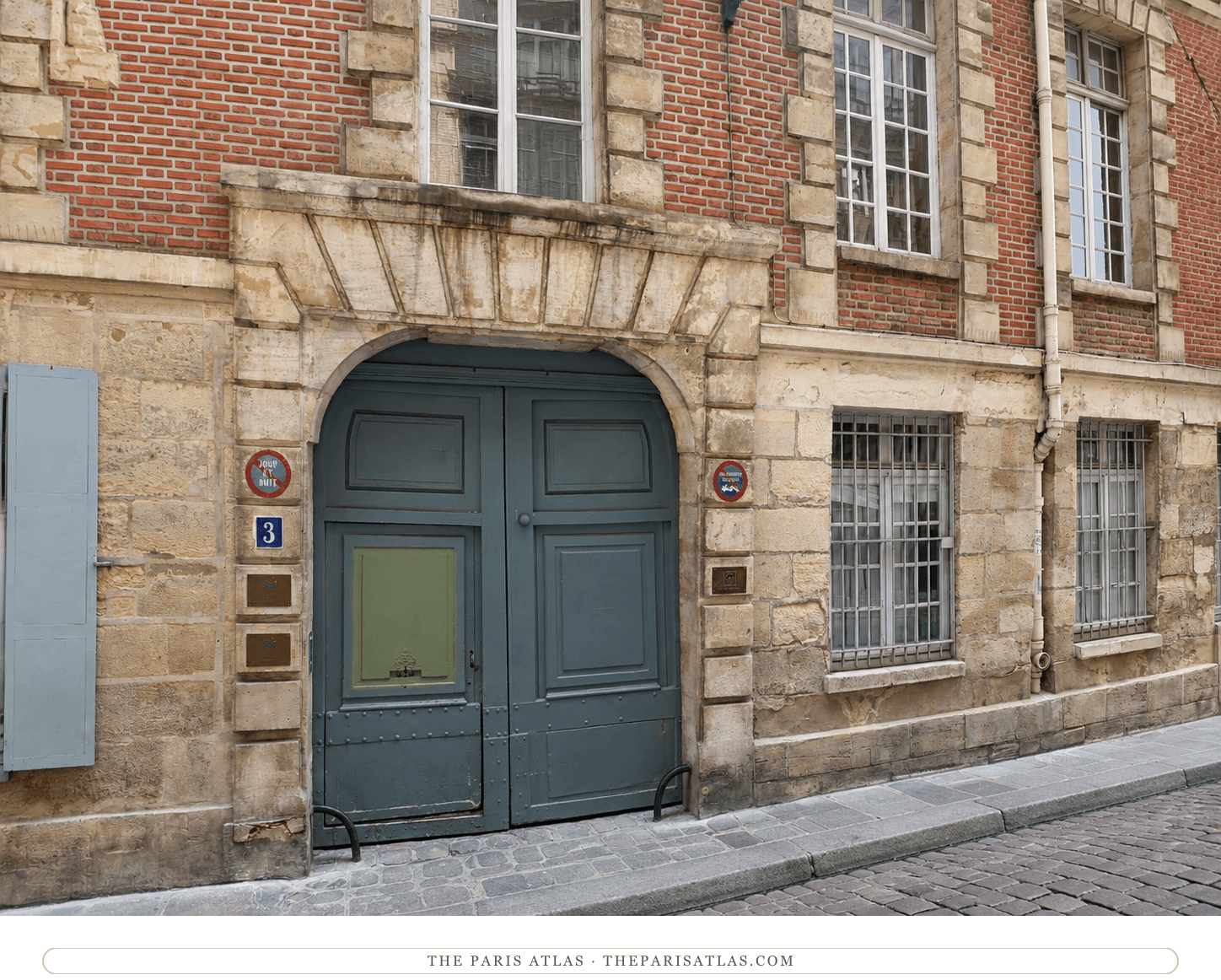
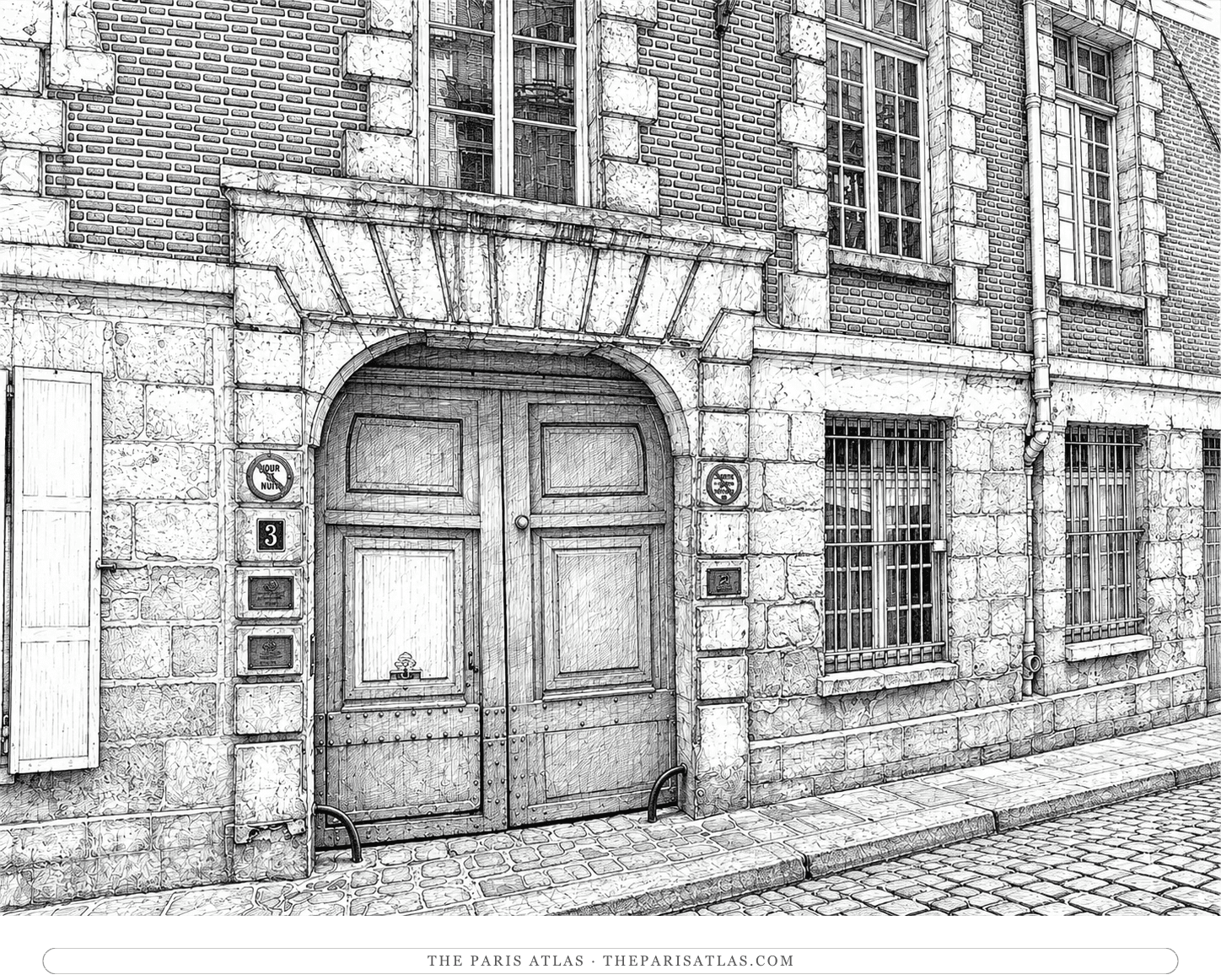
Robert and Sonia Delaunay's apartment and studio from 1910 to 1935 — where La Prose du Transsibérien took its colors, and whose key Blaise Cendrars held while the couple waited out the First World War abroad.
Visit the place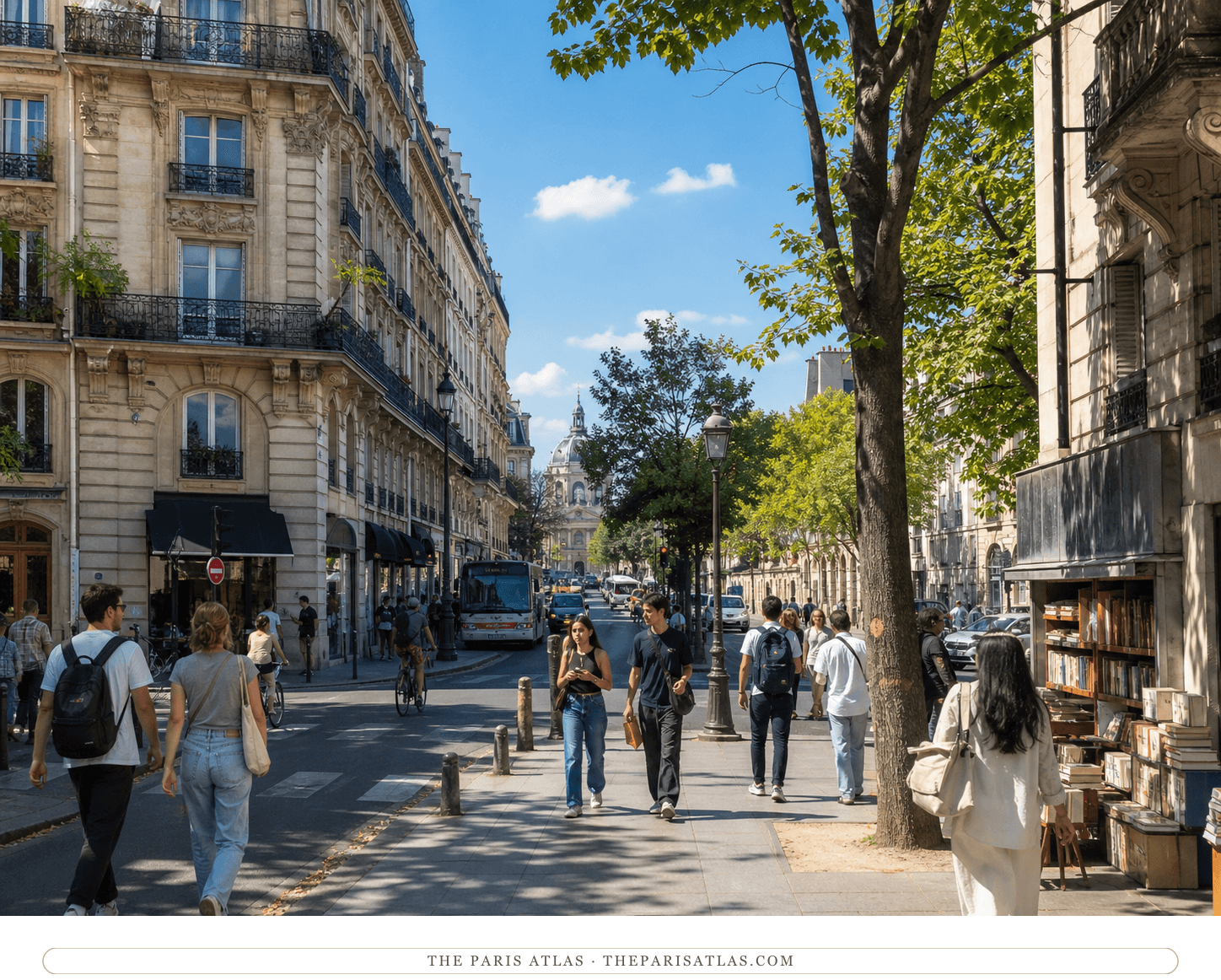
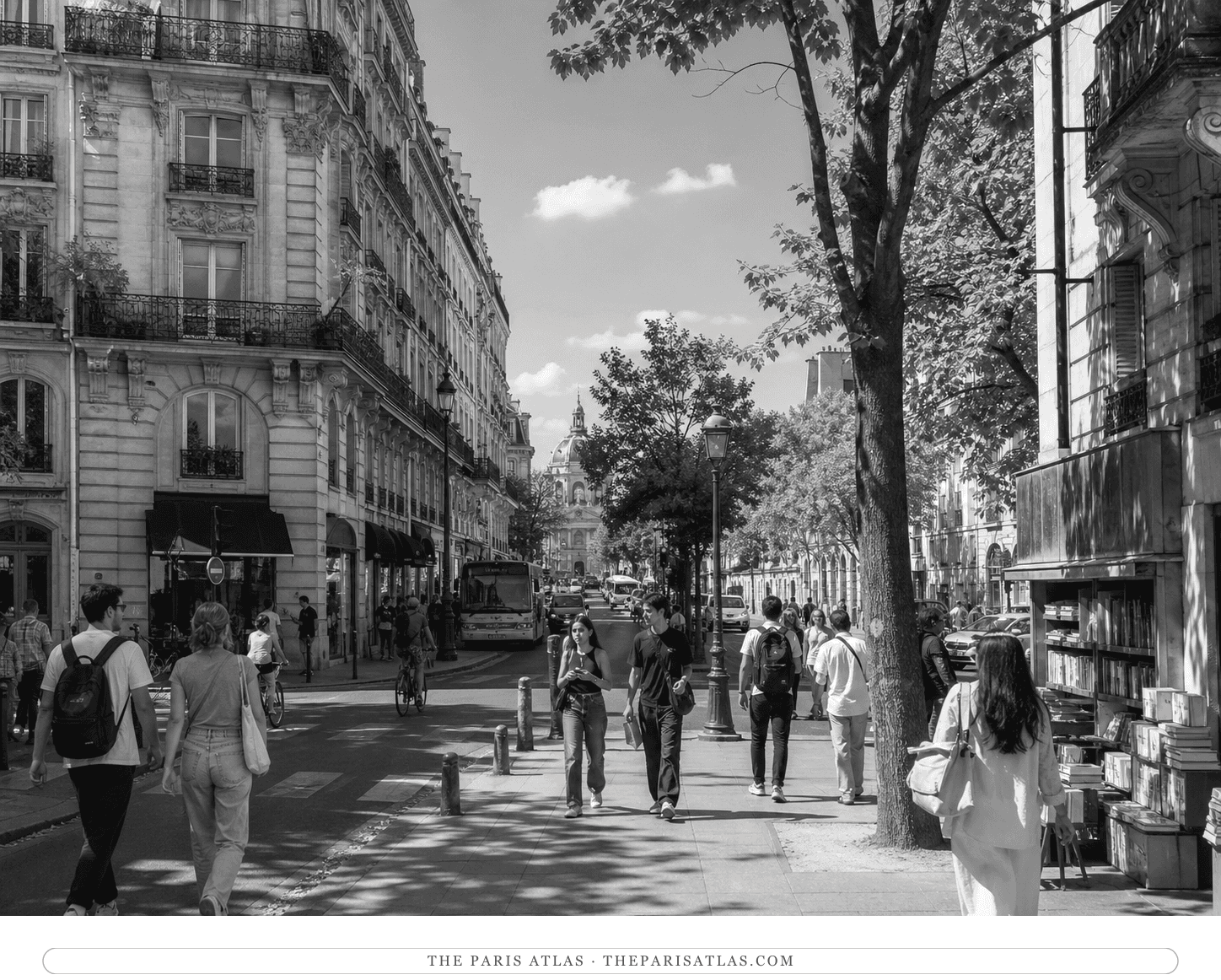
The boulevard that runs from the Seine up past the Sorbonne to the Luxembourg — the main axis of the Latin Quarter, cut through by Haussmann and known for a century as the Boul'Mich. In Down and Out in Paris and London it is where a pair of Orwell's fellow lodgers ran one of the neatest frauds in the book.
Visit the place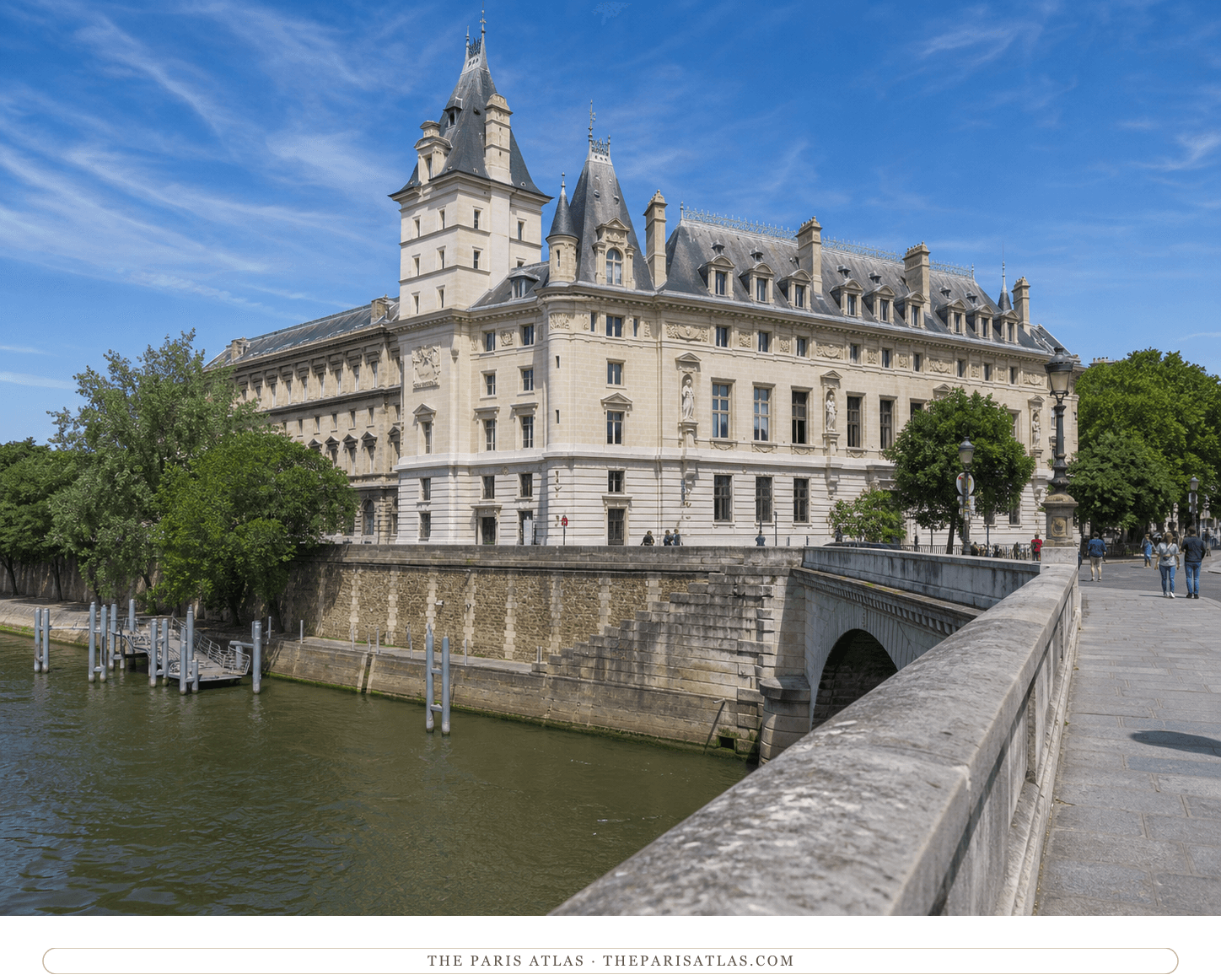
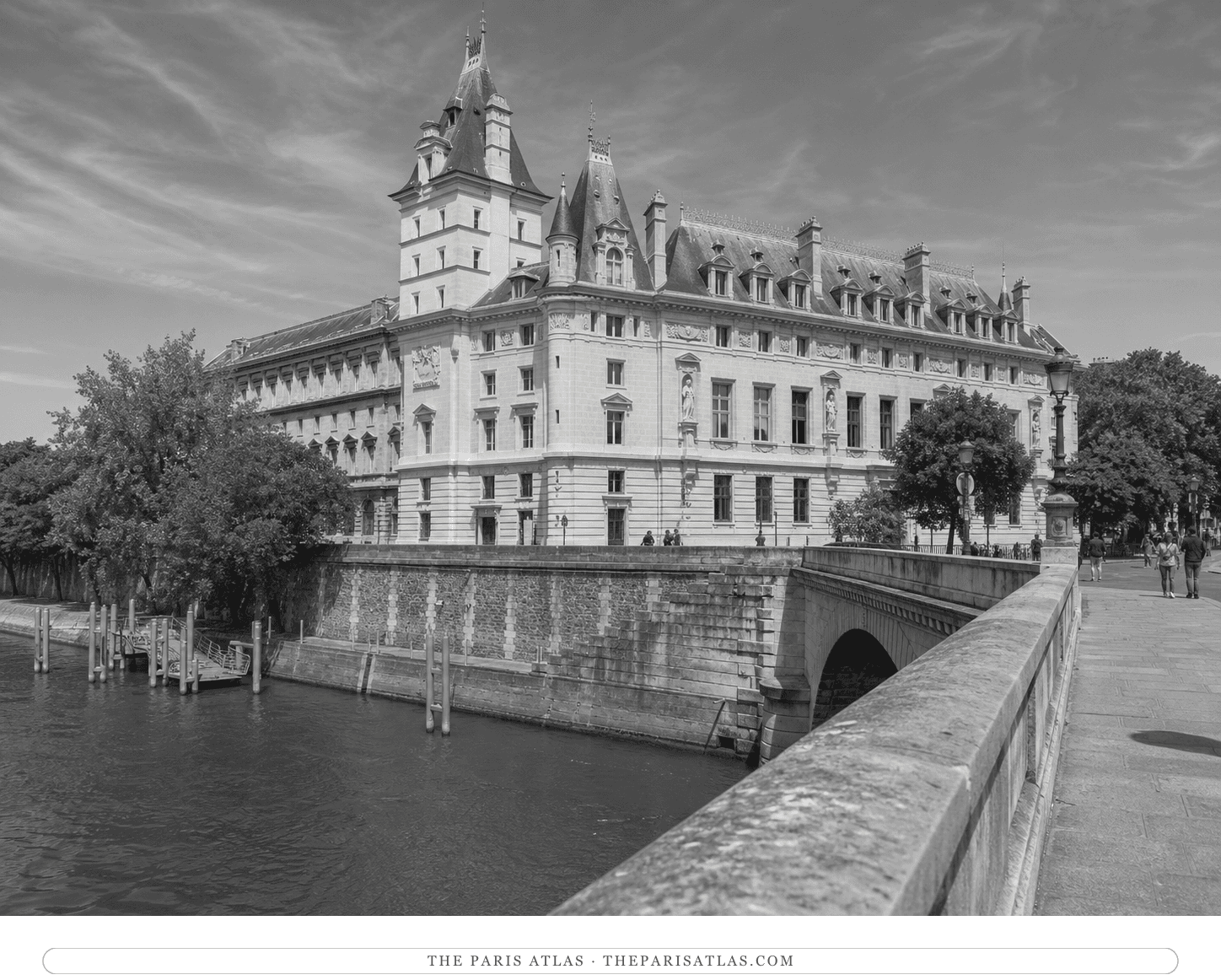
The informal life-drawing studio on the quai des Orfèvres where anyone could pay to draw from the model without an examination — and where Camille Pissarro met Paul Cézanne around 1861.
Visit the placeThe sources below include histories, archival materials, scholarly research, and official records that informed this page. They document 4 Rue de Savoie, the people connected to it, and its place in Paris.


Catalogue description of the October 1912 issue of the review, listing the texts Frédéric Sauser signed as Blaise Cendrars, Jack Lee and Diogène, and the prospectus announcing Les Pâques from the Éditions des Hommes nouveaux.
Archival evidence used to document the historical record connected to 4 Rue de Savoie.

Web source consulted for documented facts and historical context presented on the 4 Rue de Savoie page.
Contemporary reporting or criticism used to document the historical reception and context of 4 Rue de Savoie.
First-person evidence and historical context used in preparing the 4 Rue de Savoie page.
First-person evidence and historical context used in preparing the 4 Rue de Savoie page.
Contemporary reporting or criticism used to document the historical reception and context of 4 Rue de Savoie.
Archival evidence used to document the historical record connected to 4 Rue de Savoie.
Archival evidence used to document the historical record connected to 4 Rue de Savoie.
The city's own street register: the street was cut in 1672 on the site of the hôtel of the dukes of Savoy.
Map data used to verify addresses, geographic coordinates, and the placement associated with 4 Rue de Savoie.
These references provide the documented foundation for this page's history and context. Claim-level citations remain attached to the specific claims they support.
 Explore more resources
Newsletter
The cafés, studios, and walk-up flats where the work was made — one story from the map in every letter.