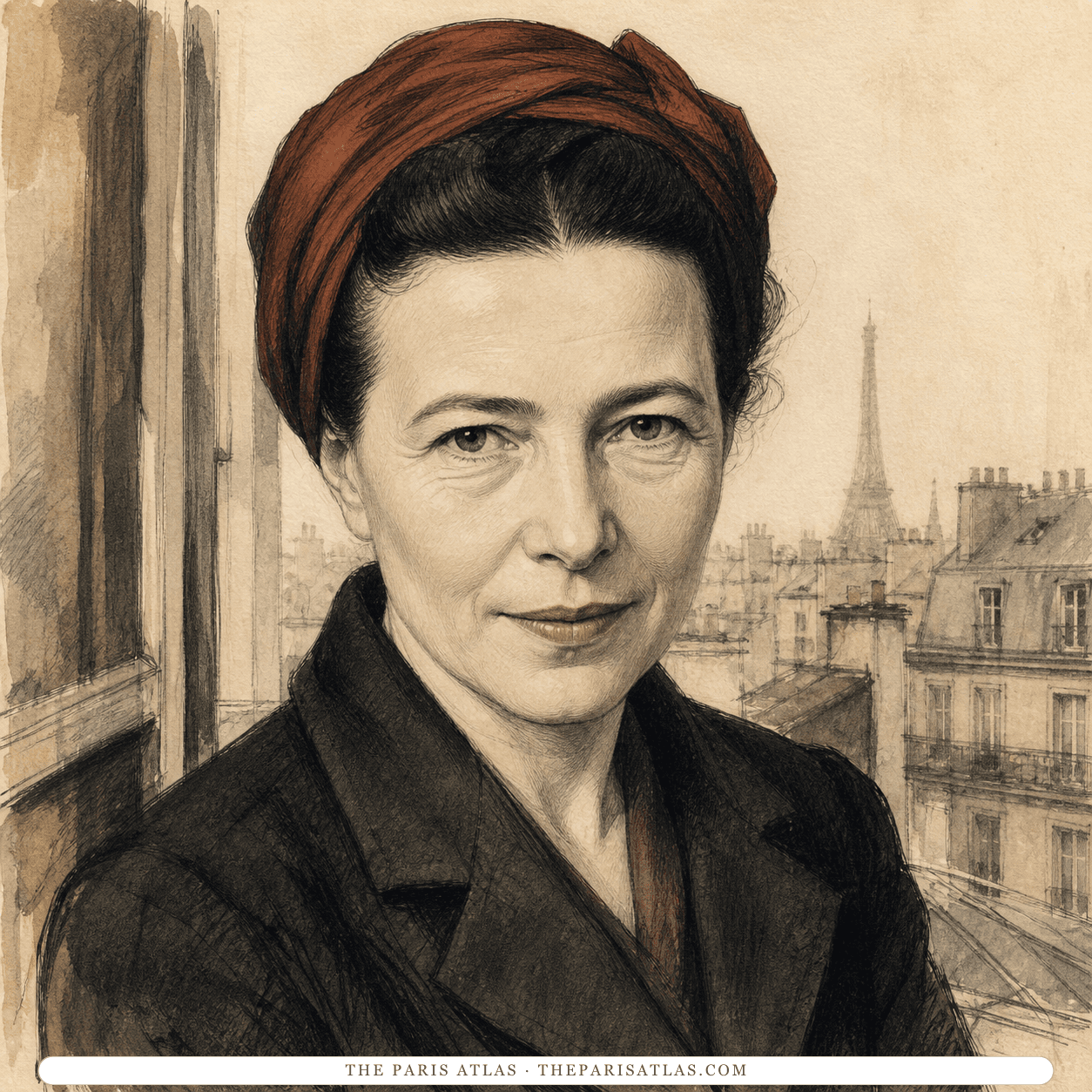
Simone de Beauvoir
Lived here · 1929
Beauvoir rented a room in her grandmother's building in July 1929, at twenty-one, to gain her independence, and studied here for the agrégation in philosophy — passing it that year, second to Sartre.
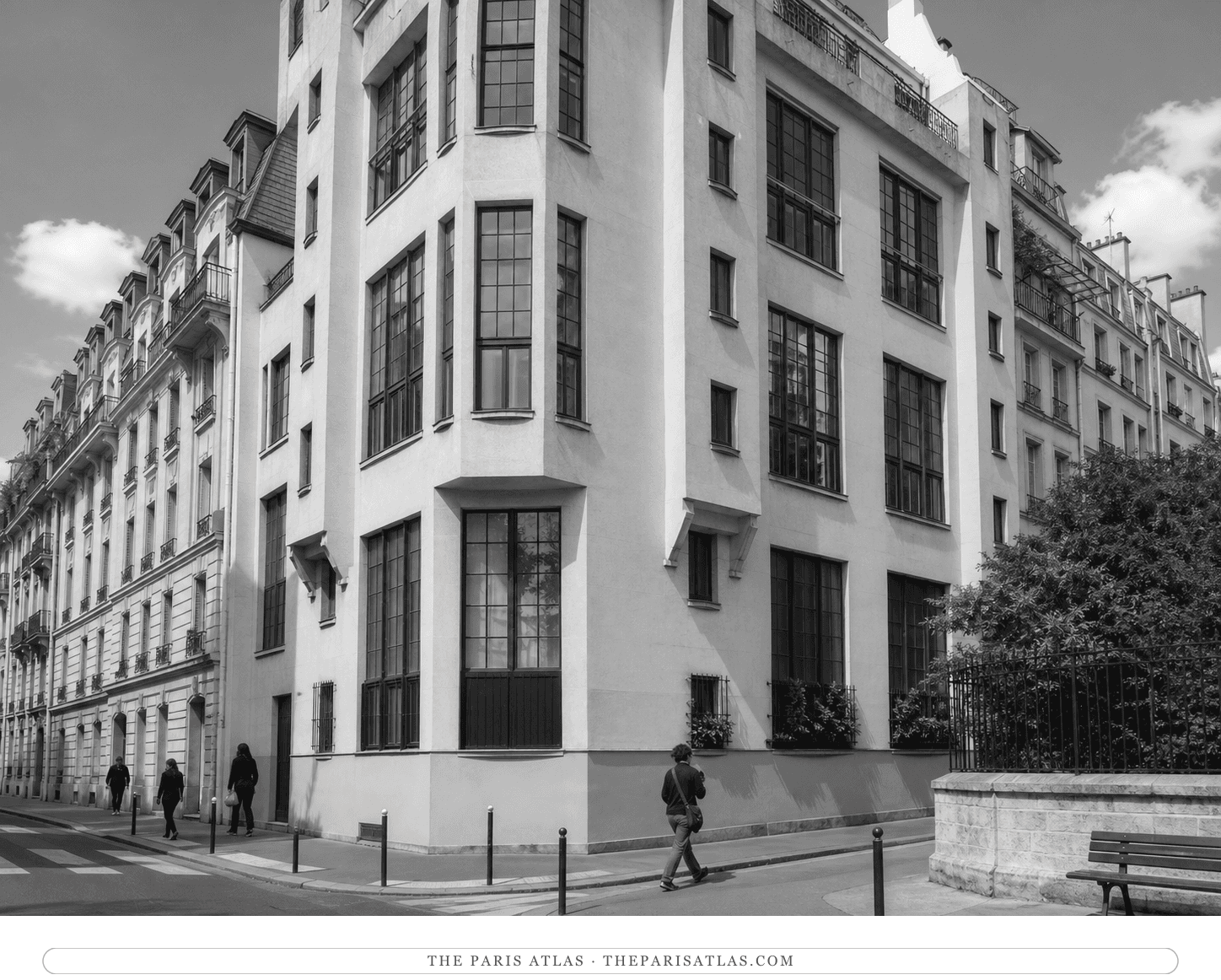
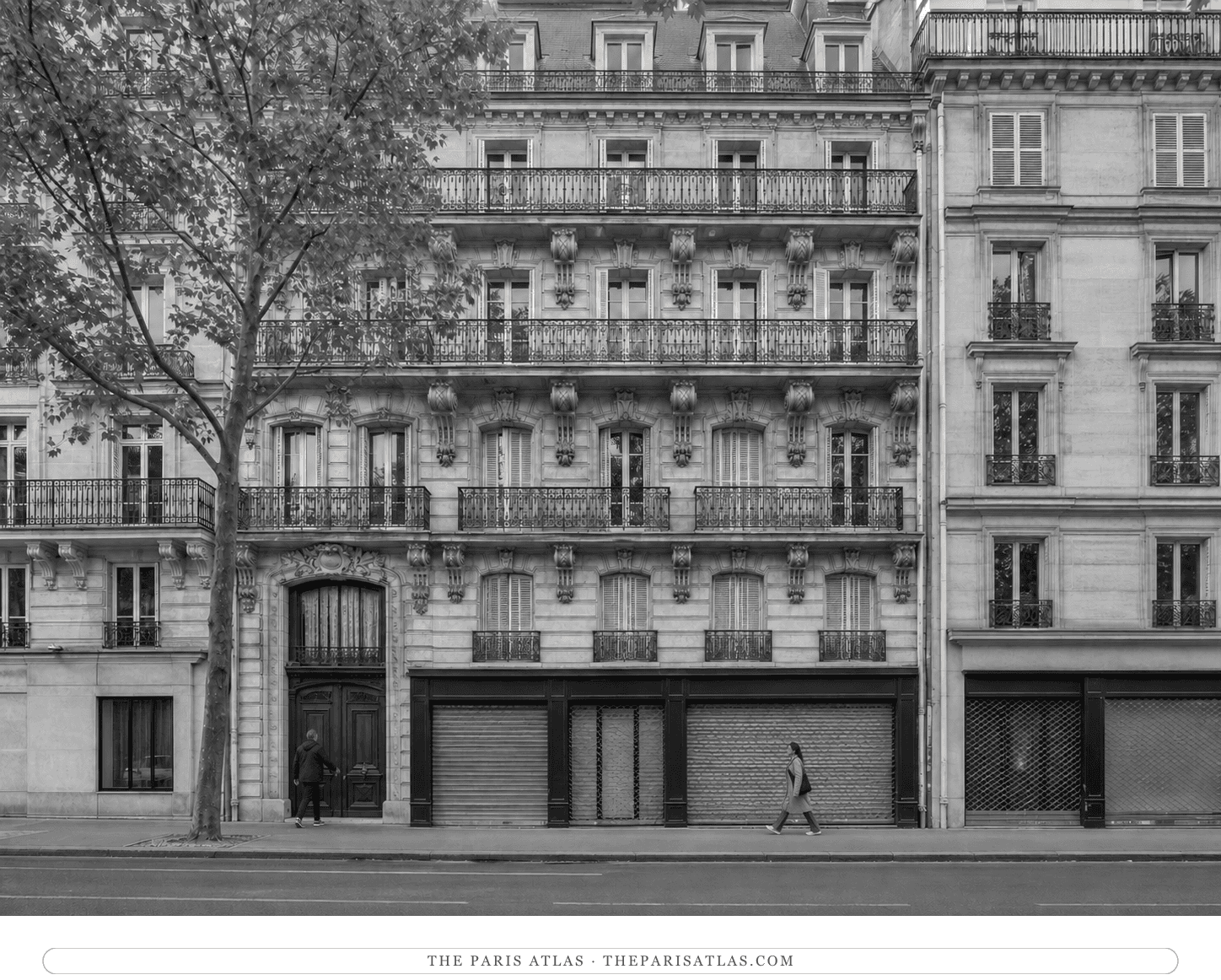
The building where Simone de Beauvoir rented a room in her grandmother's flat in July 1929, at twenty-one, to get out from under her parents — and where she studied for the philosophy agrégation she passed that year.
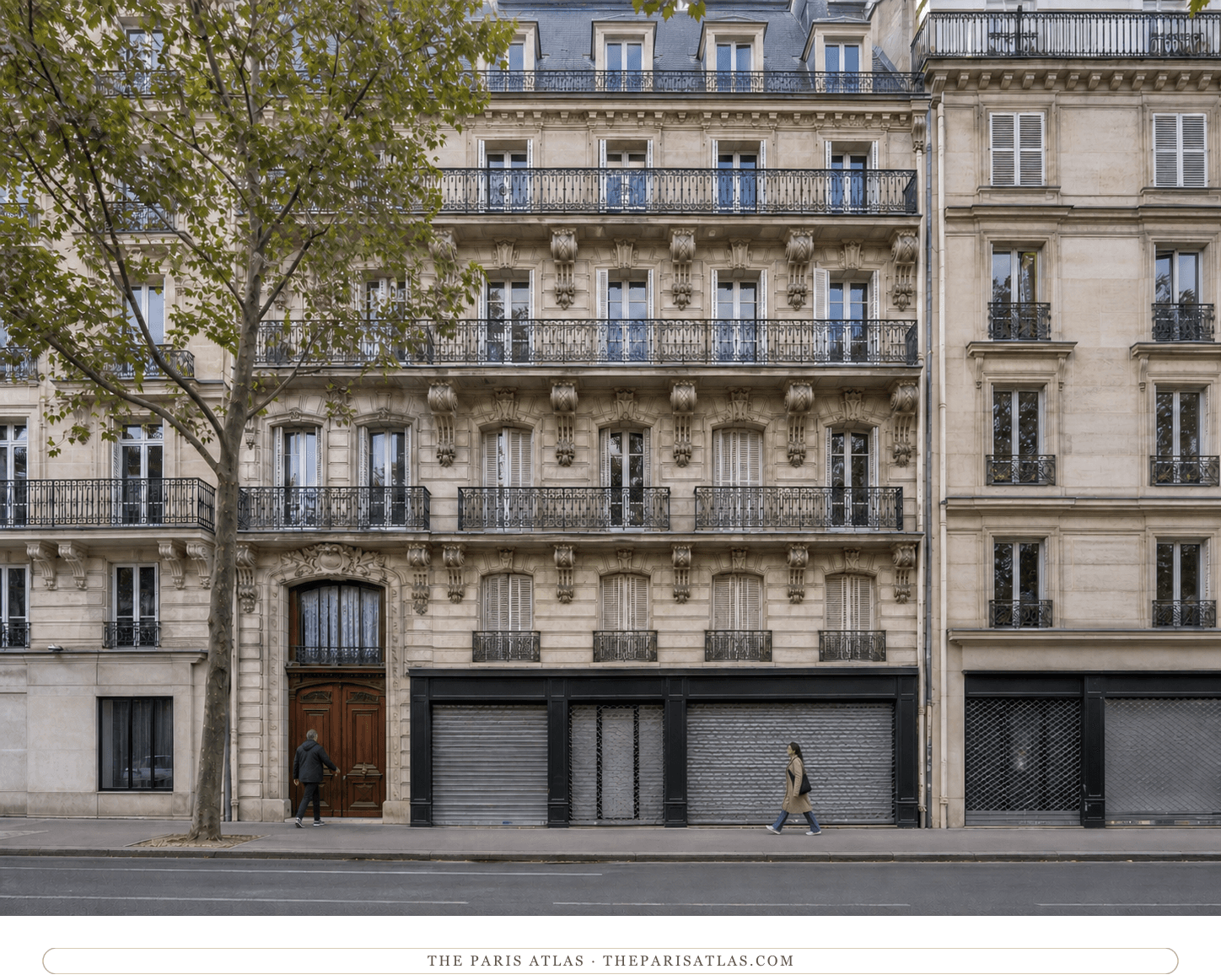
In July 1929 Simone de Beauvoir moved out of her parents' flat and into a rented room in her grandmother's building at 91 avenue Denfert-Rochereau. She was twenty-one.
The city's own account is direct about what the move was for: independence. Renting from her grandmother meant she could come and go, work when she wanted, and not explain herself — which for a young woman of her class in 1929 was not a small arrangement to secure.
She studied here for the agrégation in philosophy, the competitive national examination, and passed it that same year. She placed second. The candidate who placed first was Jean-Paul Sartre, who was taking it for the second time. That examination is where the two of them begin.
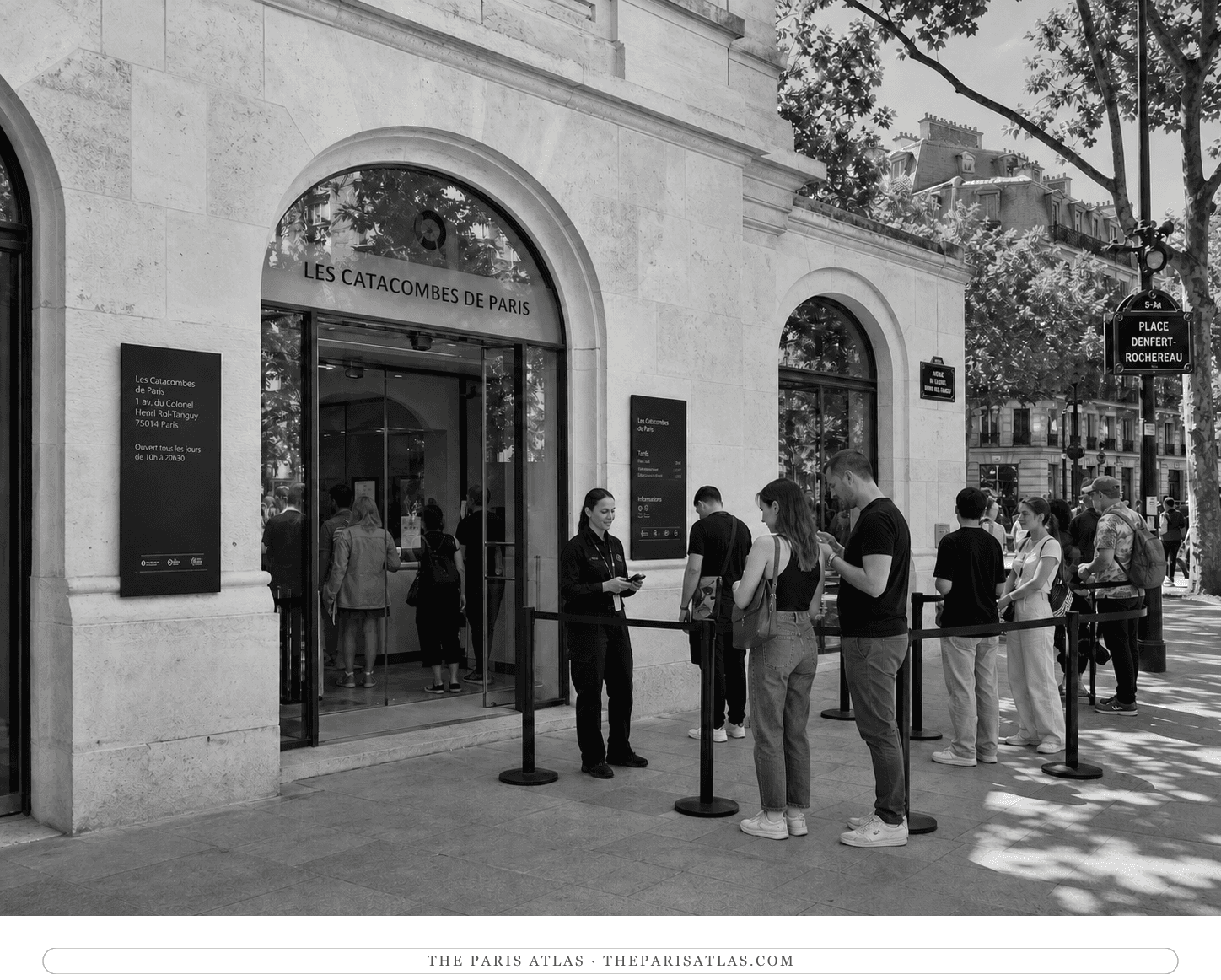
The address also sits inside a much older Atlas thread: George Orwell was in the same quarter, and the Catacombs entrance is at the place Denfert-Rochereau at the top of the avenue.
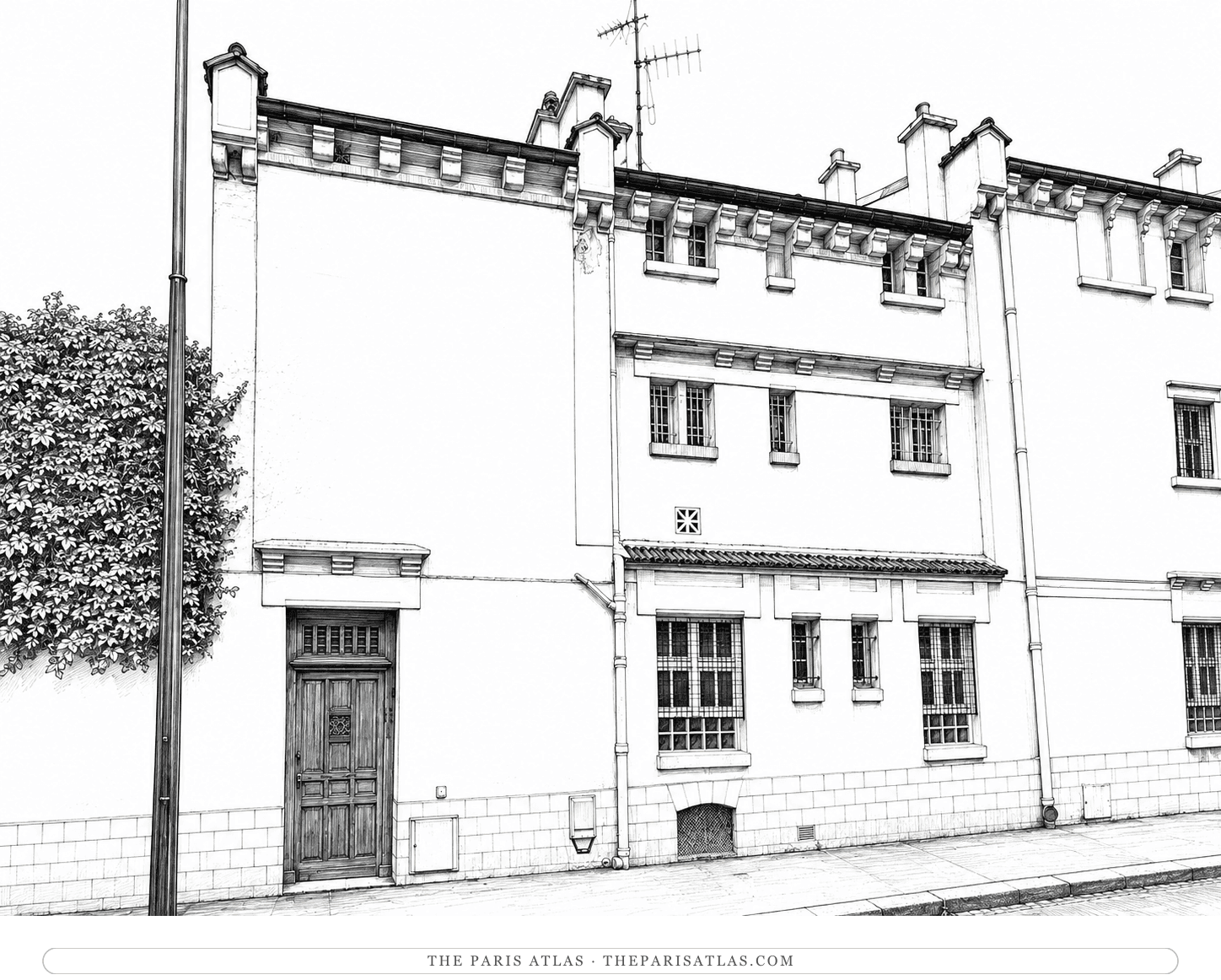
The building is private and unmarked.
Beauvoir rents a room in her grandmother's building to gain her independence.
She passes the agrégation in philosophy, placing second to Sartre.
To get out from under her parents. In July 1929, aged twenty-one, she rented a room in her grandmother's building — an arrangement that let her come and go and work as she chose without having to explain herself, which was not easily available to a young woman of her background in 1929.
She studied for the agrégation in philosophy and passed it that year, placing second. The candidate who placed first was Jean-Paul Sartre, sitting it for the second time. Their partnership starts from that examination.
Lived here · 1929
Beauvoir rented a room in her grandmother's building in July 1929, at twenty-one, to gain her independence, and studied here for the agrégation in philosophy — passing it that year, second to Sartre.
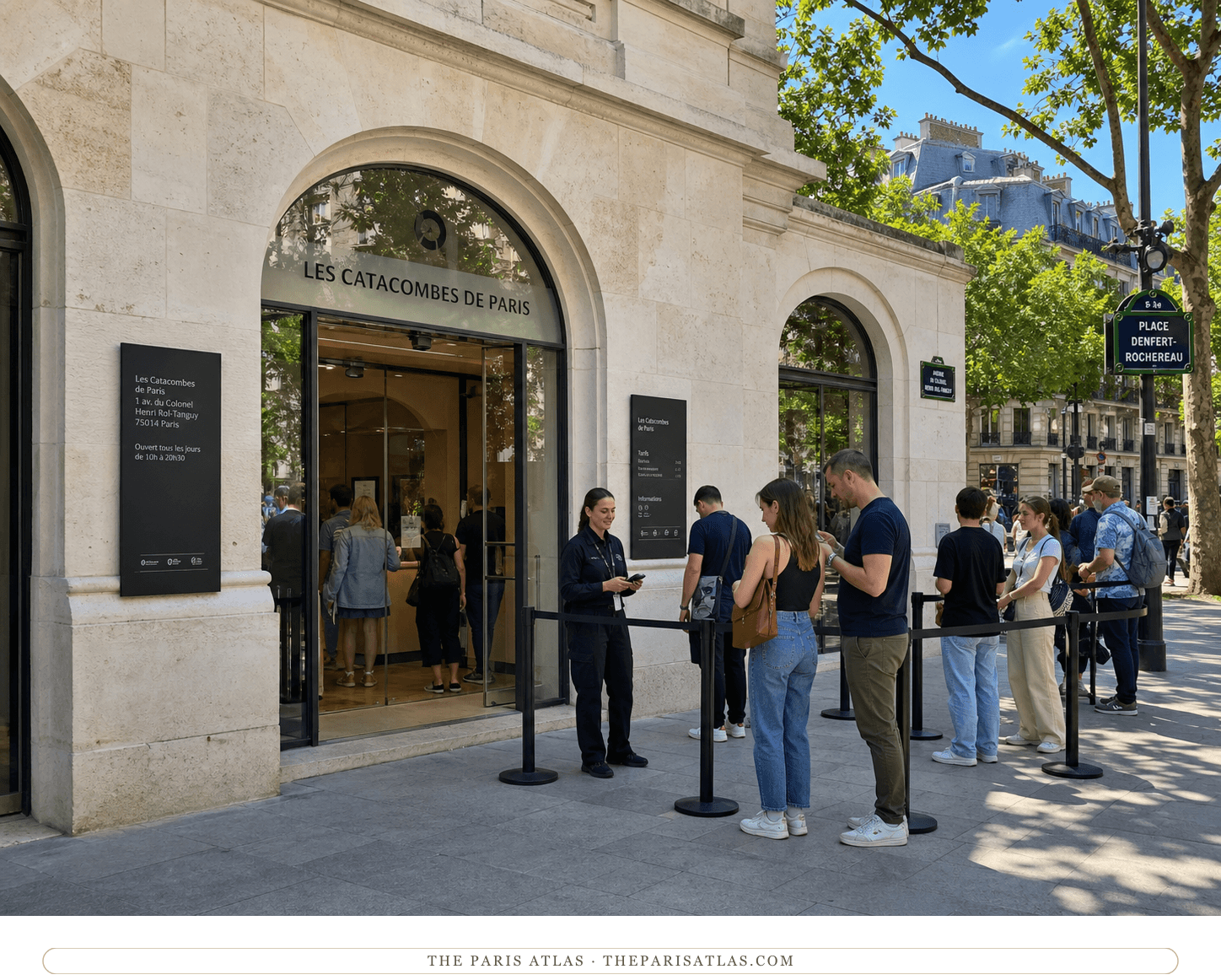
The Catacombs are a municipal ossuary in a disused limestone quarry twenty metres under the 14th arrondissement, holding the remains of several million Parisians moved out of the city's overflowing graveyards from 1786 onward. The visit is a 1.5 km one-way walk, 131 steps down and 112 up, at a constant 14°C. Open Tuesday to Sunday, 9.45 a.m.–8.30 p.m., last admission 7.30 p.m.; full rate €31.
Visit the place
The first apartment Simone de Beauvoir could buy with her own money, after the Goncourt Prize of 1954. It became the gathering place for the Les Temps modernes circle, and it looks directly onto the Montparnasse cemetery where she is buried.
Visit the place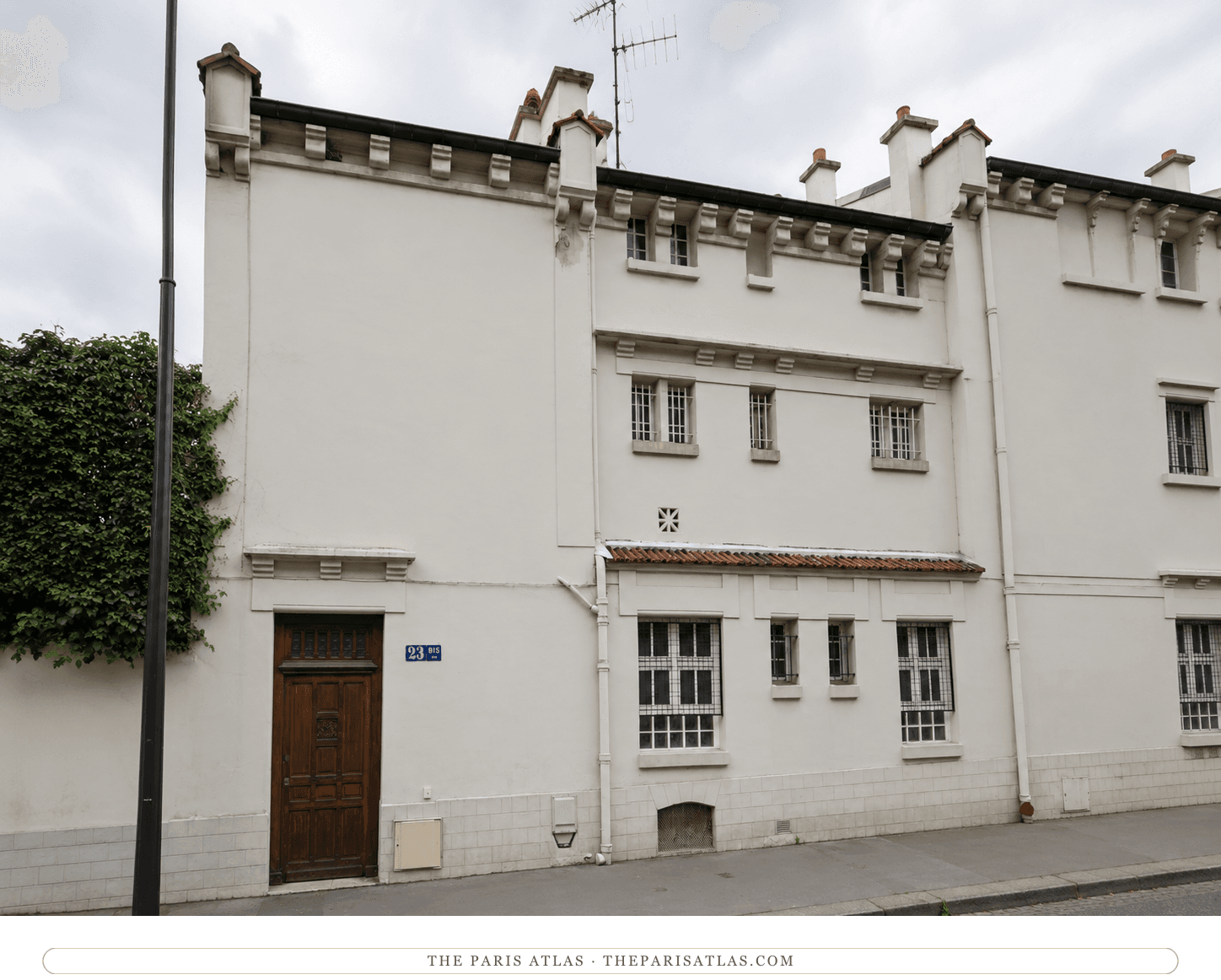
The Paris apartment where Blaise Cendrars and Raymone Duchâteau settled in 1950 after their marriage — his home for almost nine years, facing the rear wall of La Santé prison.
Visit the place
Man Ray's Montparnasse studio, where Berenice Abbott was working as his darkroom assistant in 1925 when she photographed Djuna Barnes.
Visit the placeThe sources below include histories, archival materials, scholarly research, and official records that informed this page. They document 91 avenue Denfert-Rochereau, the people connected to it, and its place in Paris.


The city's Beauvoir walk: the July 1929 move to her grandmother's building at 91 avenue Denfert-Rochereau, taken for independence, and the agrégation studied for there.

Map data used to verify addresses, geographic coordinates, and the placement associated with 91 avenue Denfert-Rochereau.
Published analysis and historical context used in preparing the 91 avenue Denfert-Rochereau page.
Published analysis and historical context used in preparing the 91 avenue Denfert-Rochereau page.
These references provide the documented foundation for this page's history and context. Claim-level citations remain attached to the specific claims they support.
 Explore more resources
Newsletter
The cafés, studios, and walk-up flats where the work was made — one story from the map in every letter.