
Setting of the story
Nightwood
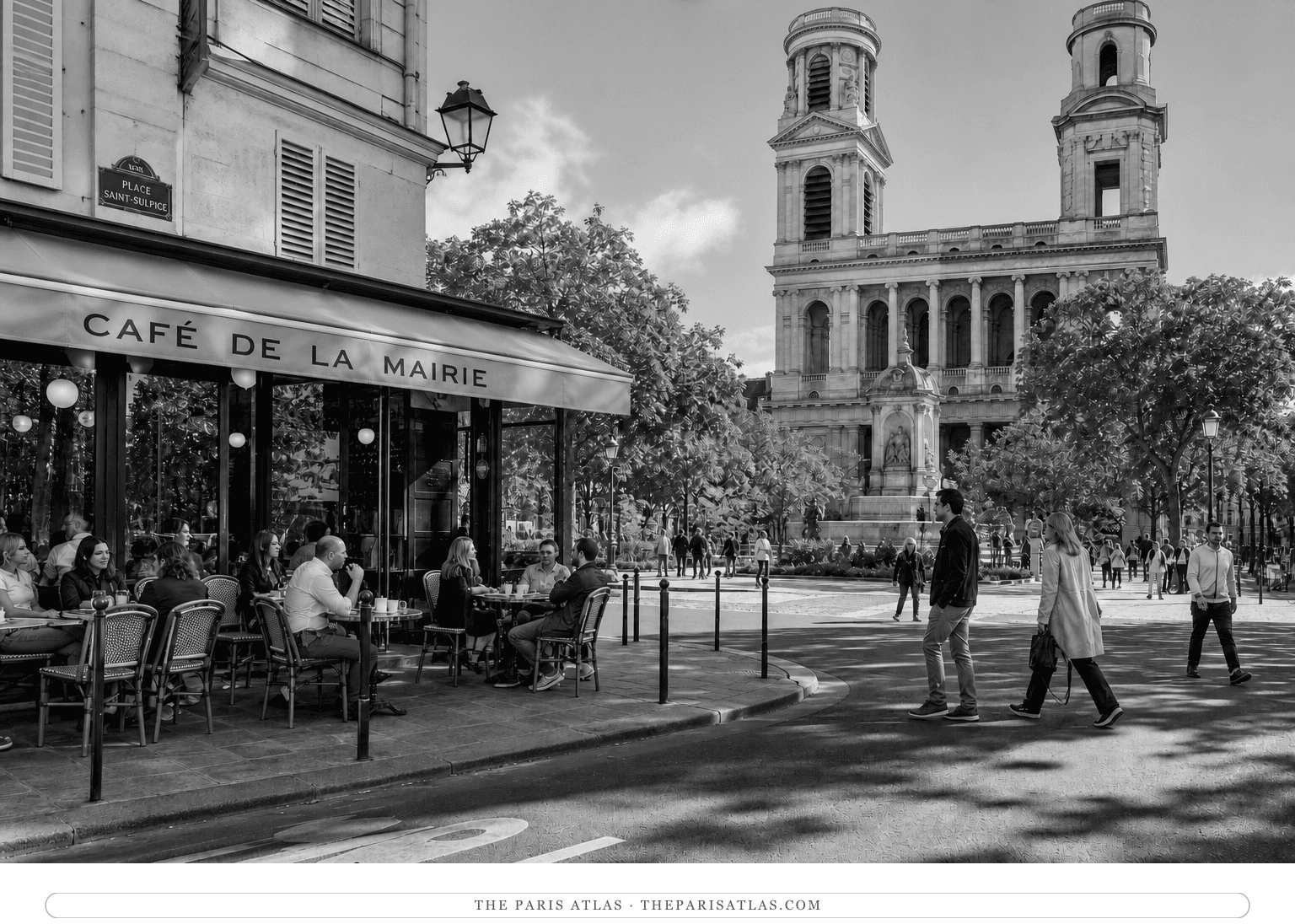
The cafe on the place Saint-Sulpice belongs to the Paris geography of Nightwood. The link is textual - a setting in the novel rather than a documented habit of Barnes's own.
The café on the place Saint-Sulpice that appears in the Paris geography of Djuna Barnes's Nightwood — and which is still, unremarkably, a café.
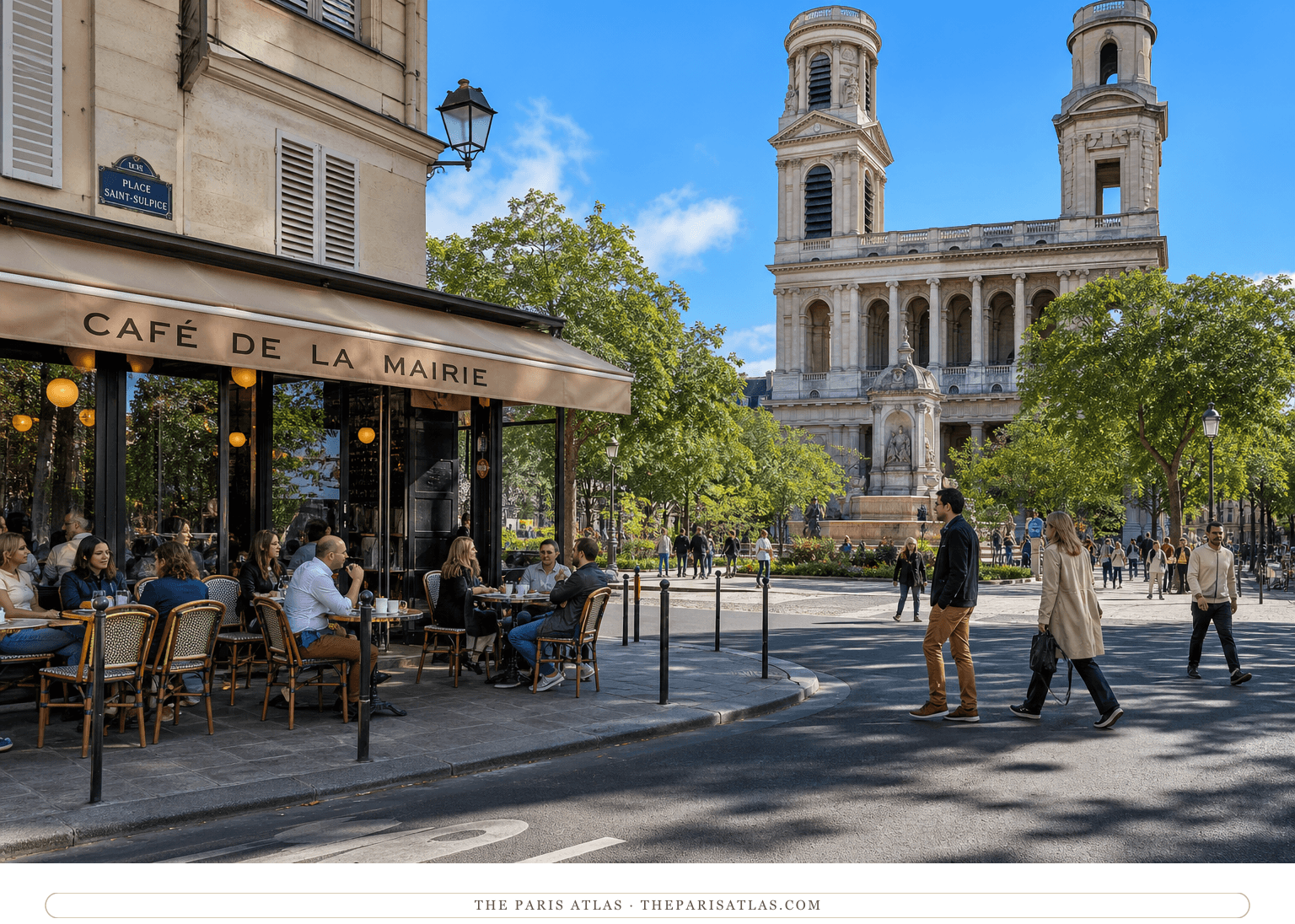
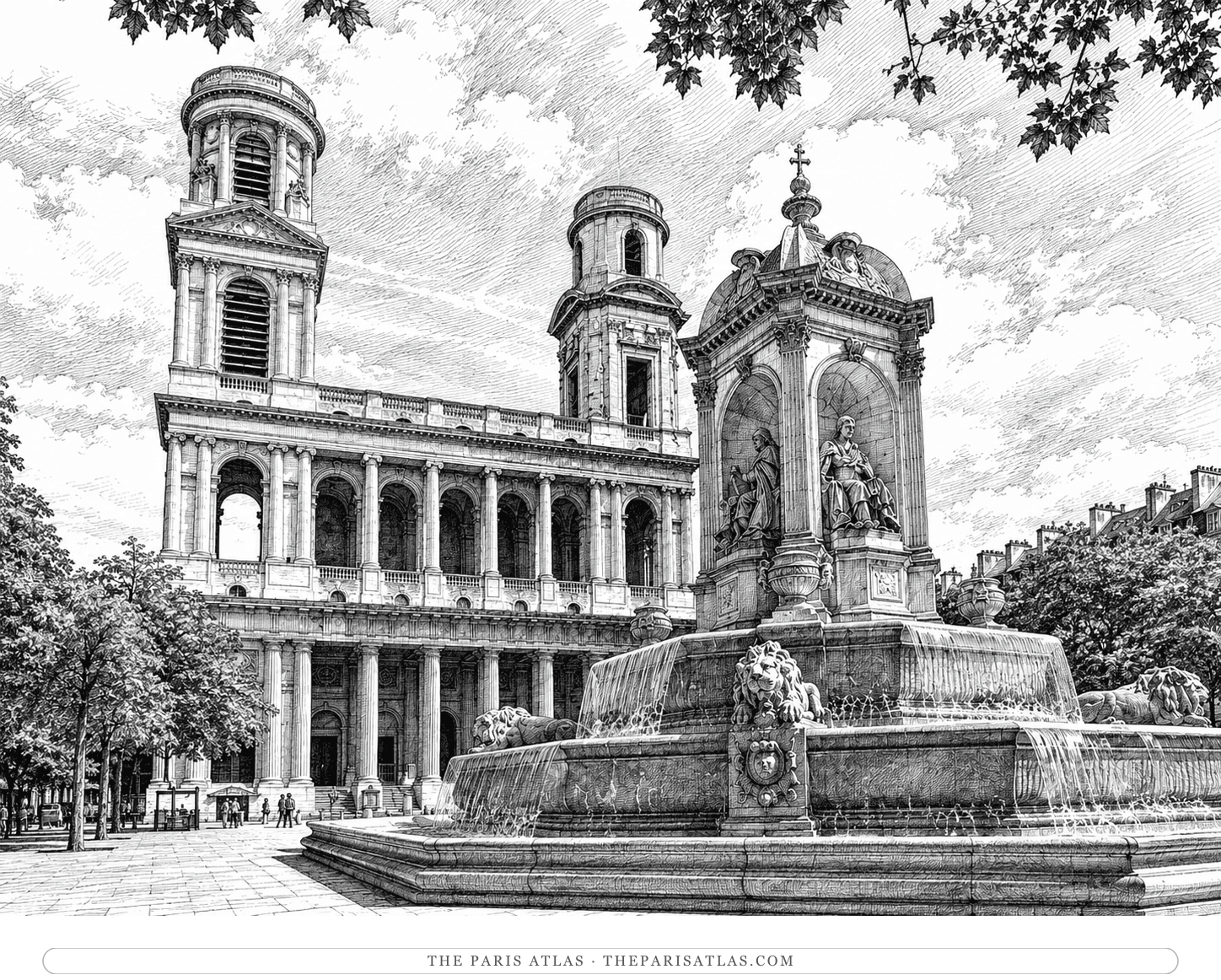
The Café de la Mairie sits on the east side of the place Saint-Sulpice, looking across at the church and the fountain. It is a plain café with a terrace, and its literary reputation is out of all proportion to its appearance.
It belongs to the Paris of Djuna Barnes's Nightwood, whose characters move through this square and its surroundings. The novel's Paris is deliberately nocturnal and disreputable — a city of late rooms, churches, circuses and hotels — and Saint-Sulpice with its heavy façade and its fountain is one of its fixed points.
It is worth being precise about the nature of the connection. This is a place that appears in the book, and the honest way to record it is as a setting rather than as a café Barnes is documented to have haunted. The evidence is textual.
The café is open and functioning, and the ordinary way to visit is to sit down and order something.
Nightwood is published; the place Saint-Sulpice is part of its Paris.
The café and the place Saint-Sulpice belong to the novel's Paris geography. The connection is to the book rather than to a documented habit of Barnes's own.
Yes. It is an ordinary working café on the square, with a terrace facing the church.
Setting of the story
The cafe on the place Saint-Sulpice belongs to the Paris geography of Nightwood. The link is textual - a setting in the novel rather than a documented habit of Barnes's own.

Frequented by · 1954
On the day before he left Paris in the summer of 1954, Ellison talked to the staff of The Paris Review at the Cafe de la Mairie about art and the novel. The conversation was published as The Art of Fiction No. 8 in spring 1955.
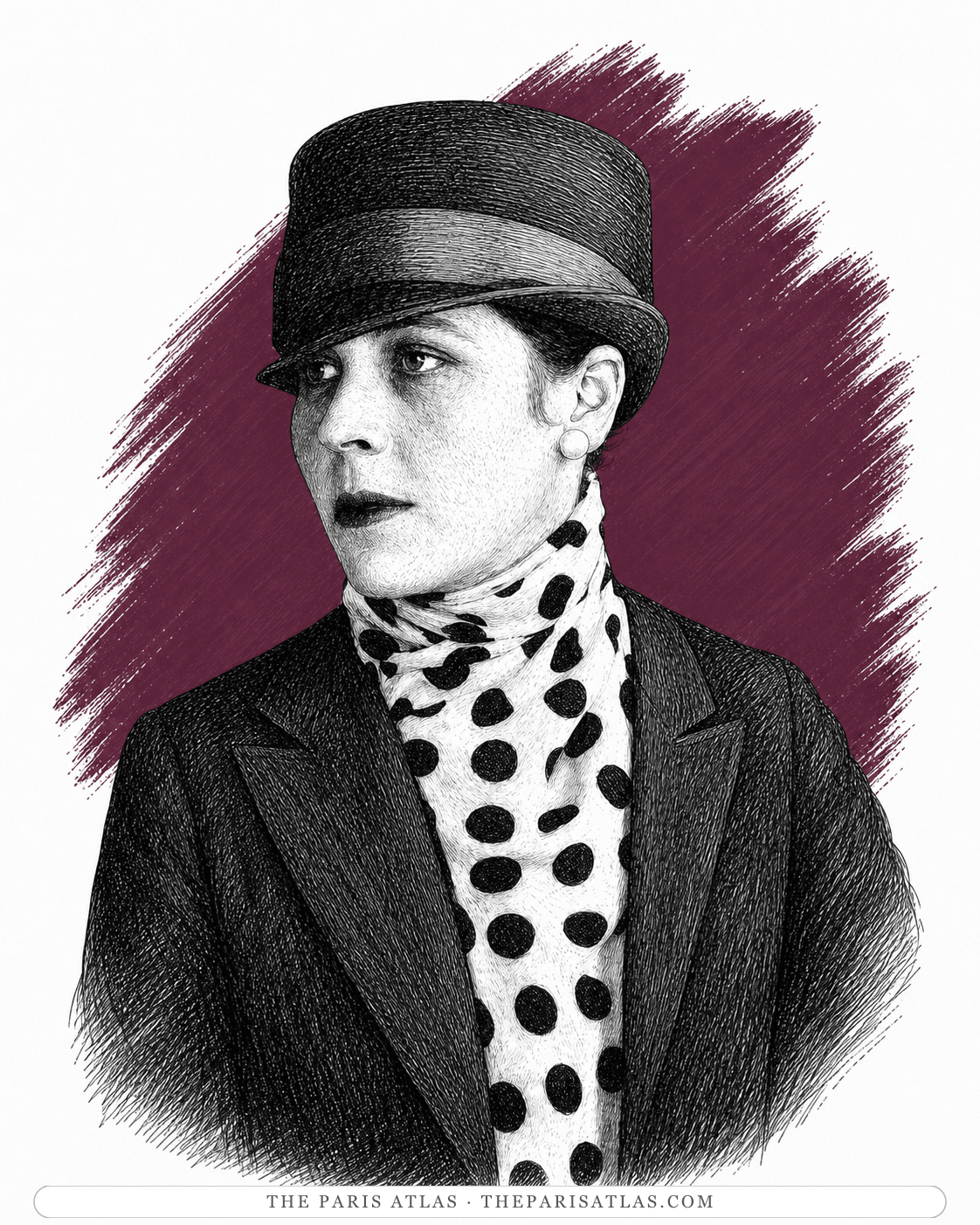
Djuna Barnes wrote about Café de la Mairie in Nightwood.

The quiet square between Saint-Germain and the Luxembourg — the fountain, the pigeons, the towered church, and a stillness three generations of writers noticed.
Visit the place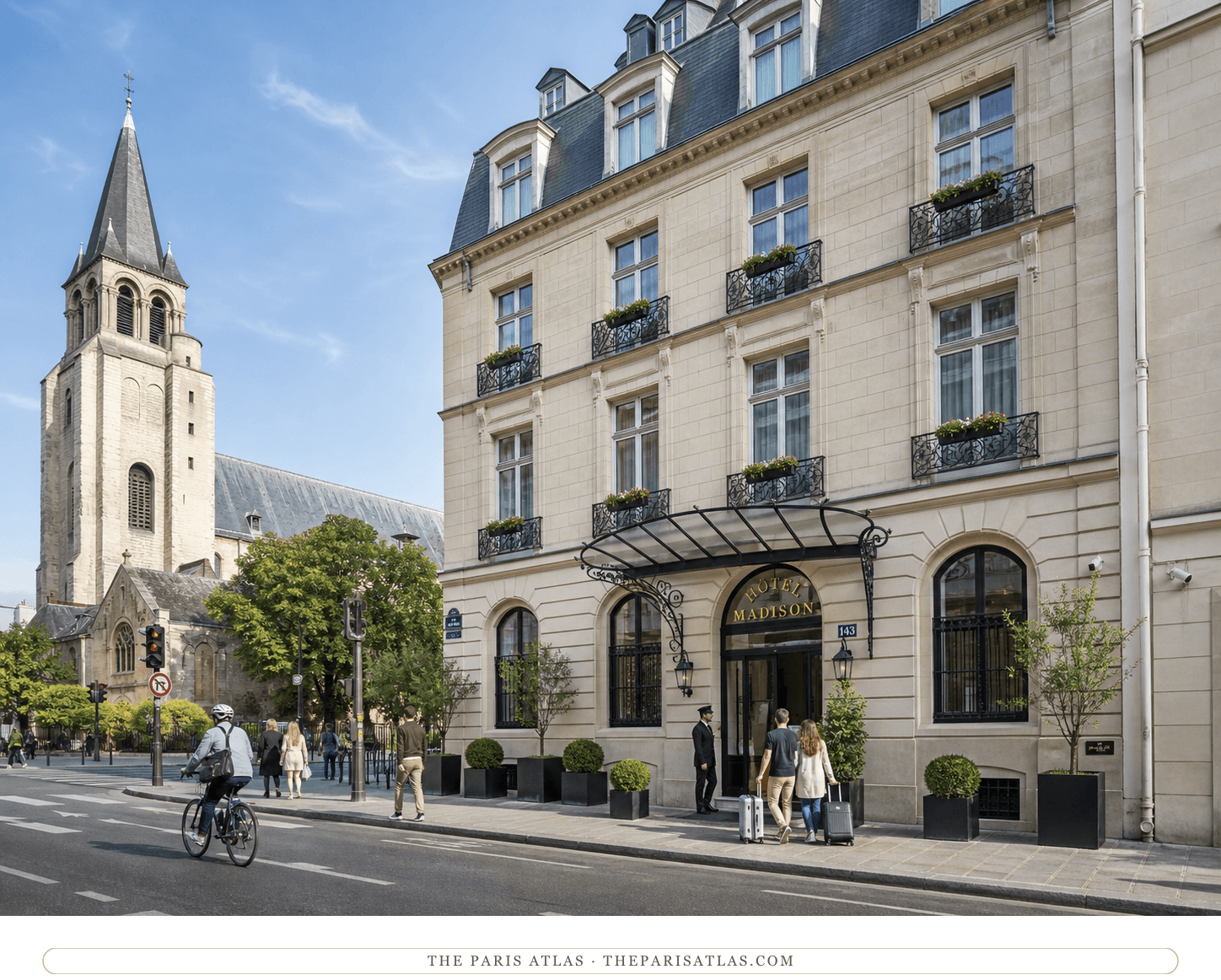
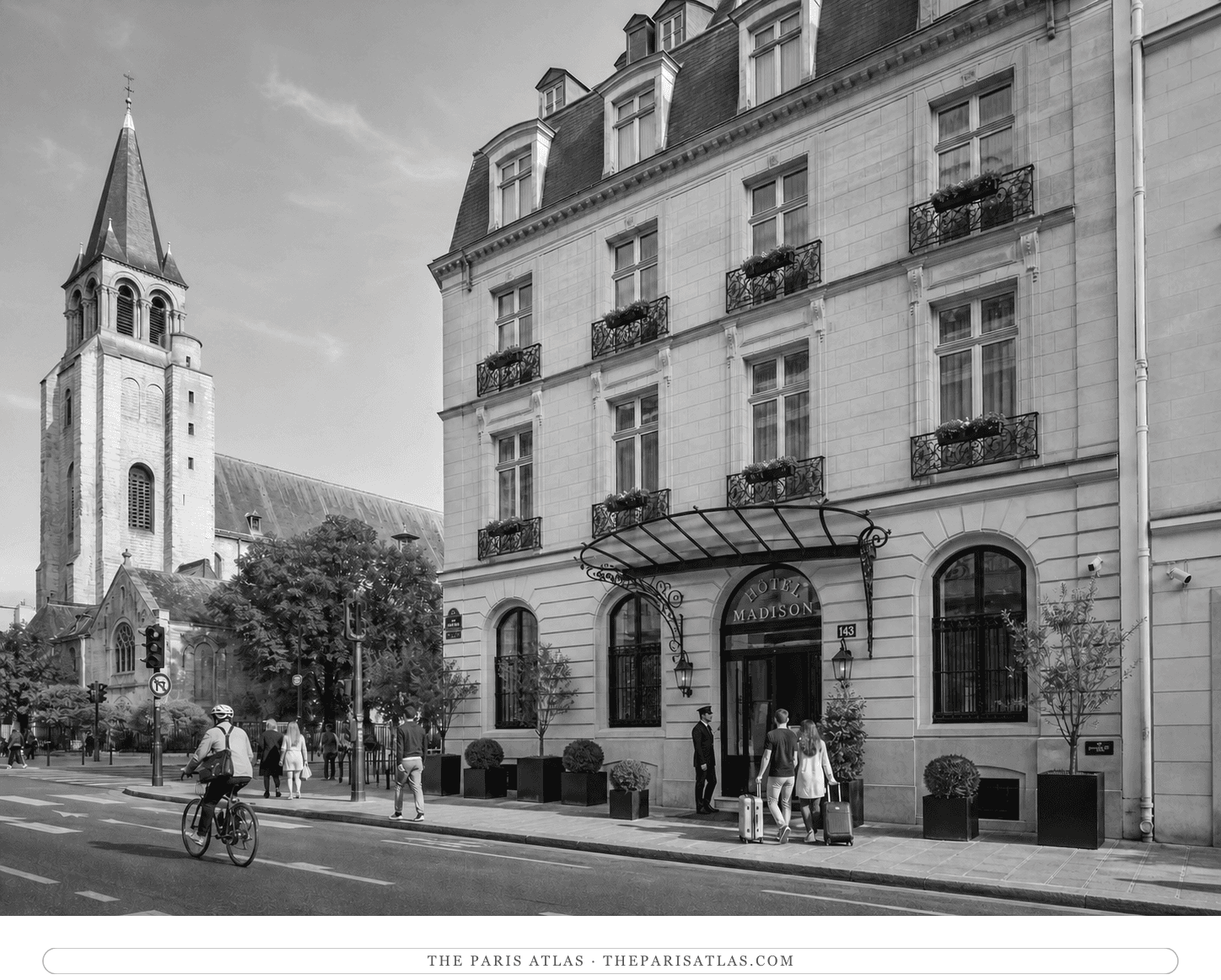
The hotel facing the church of Saint-Germain-des-Prés where Albert Camus lived from June 1940 — putting him, from the month Paris fell, at the centre of the quarter that would define postwar French intellectual life.
Visit the place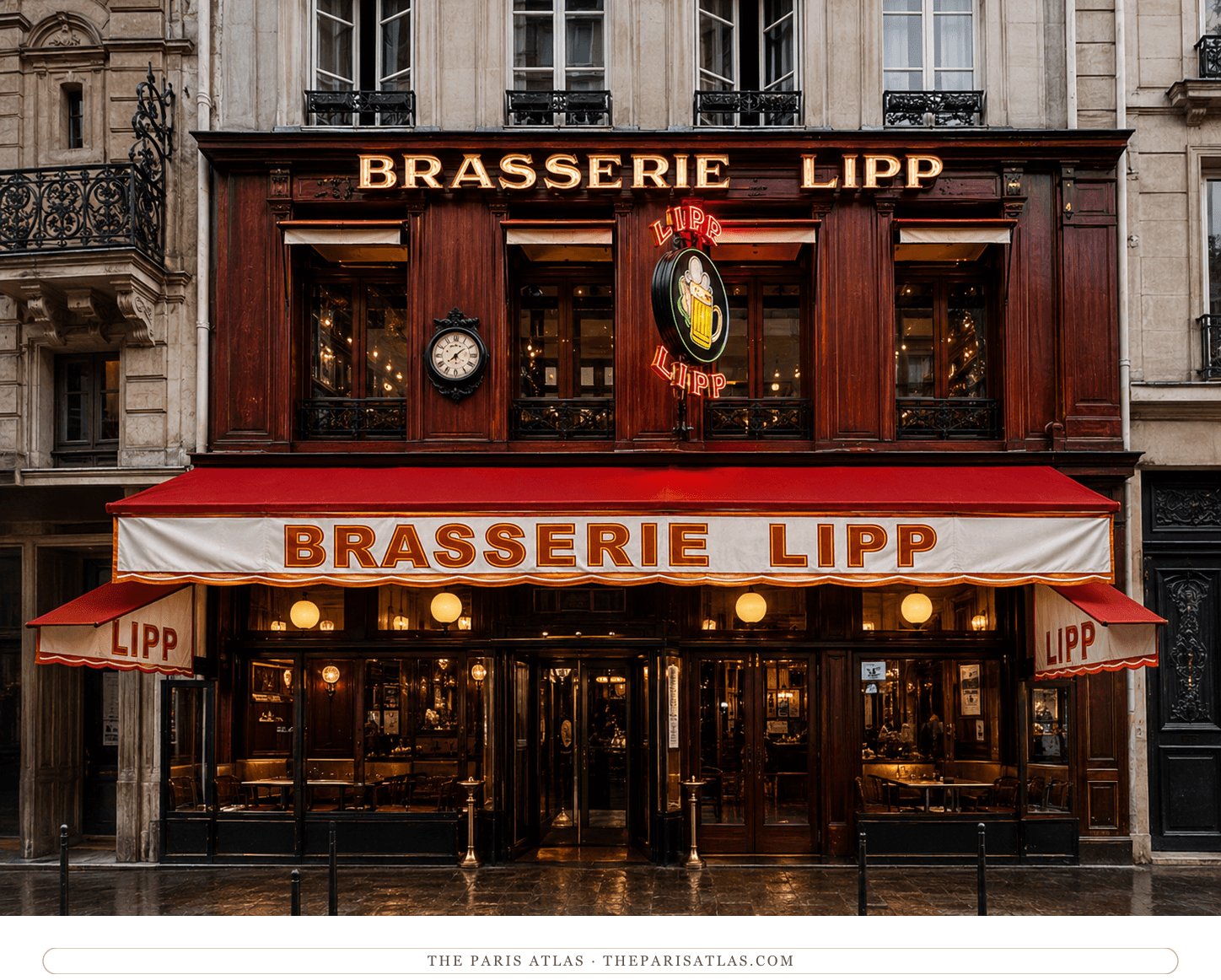
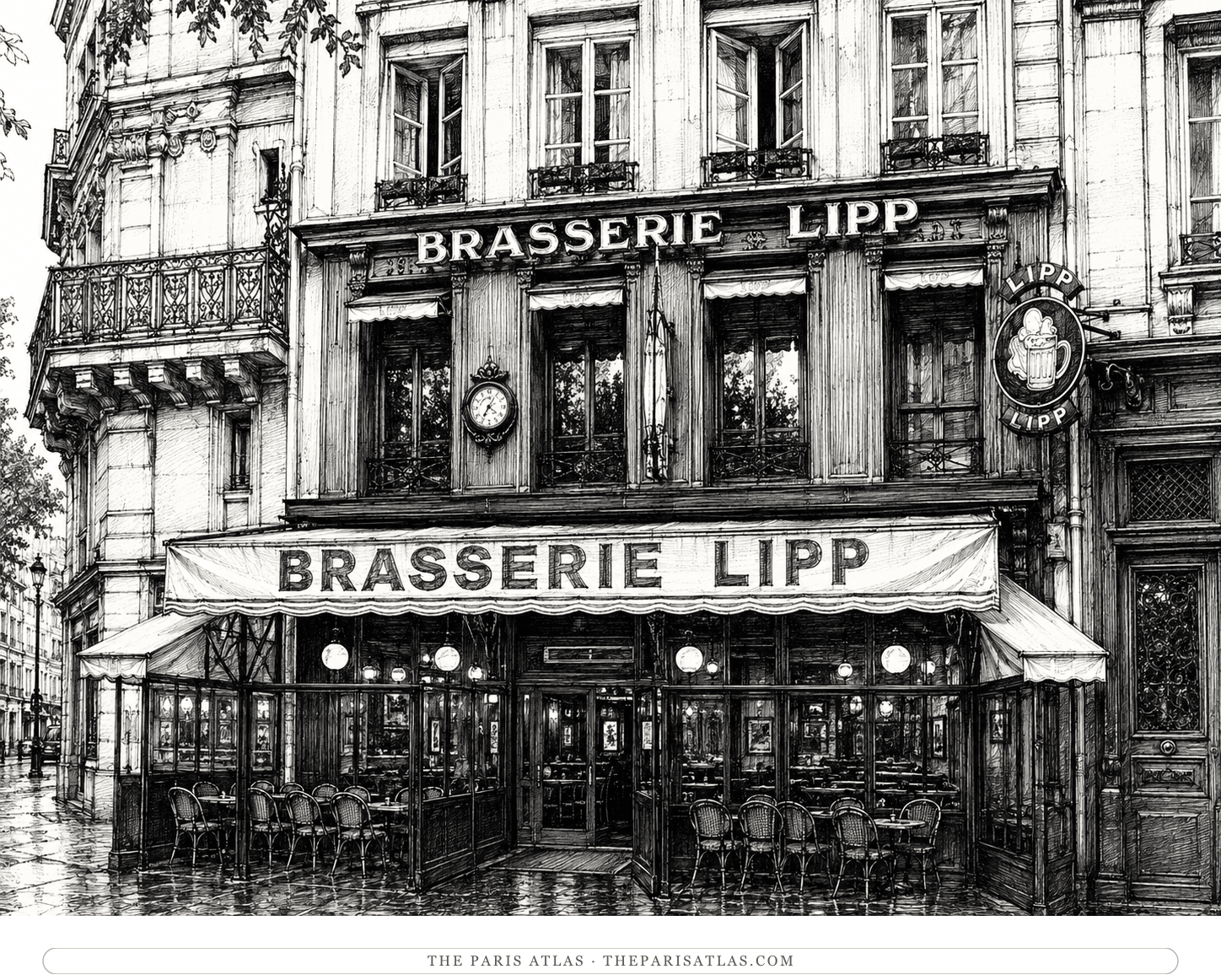
Beer, potato salad, and choucroute after a day's work. Ernest Hemingway considered it one of the best places in Paris.
Visit the place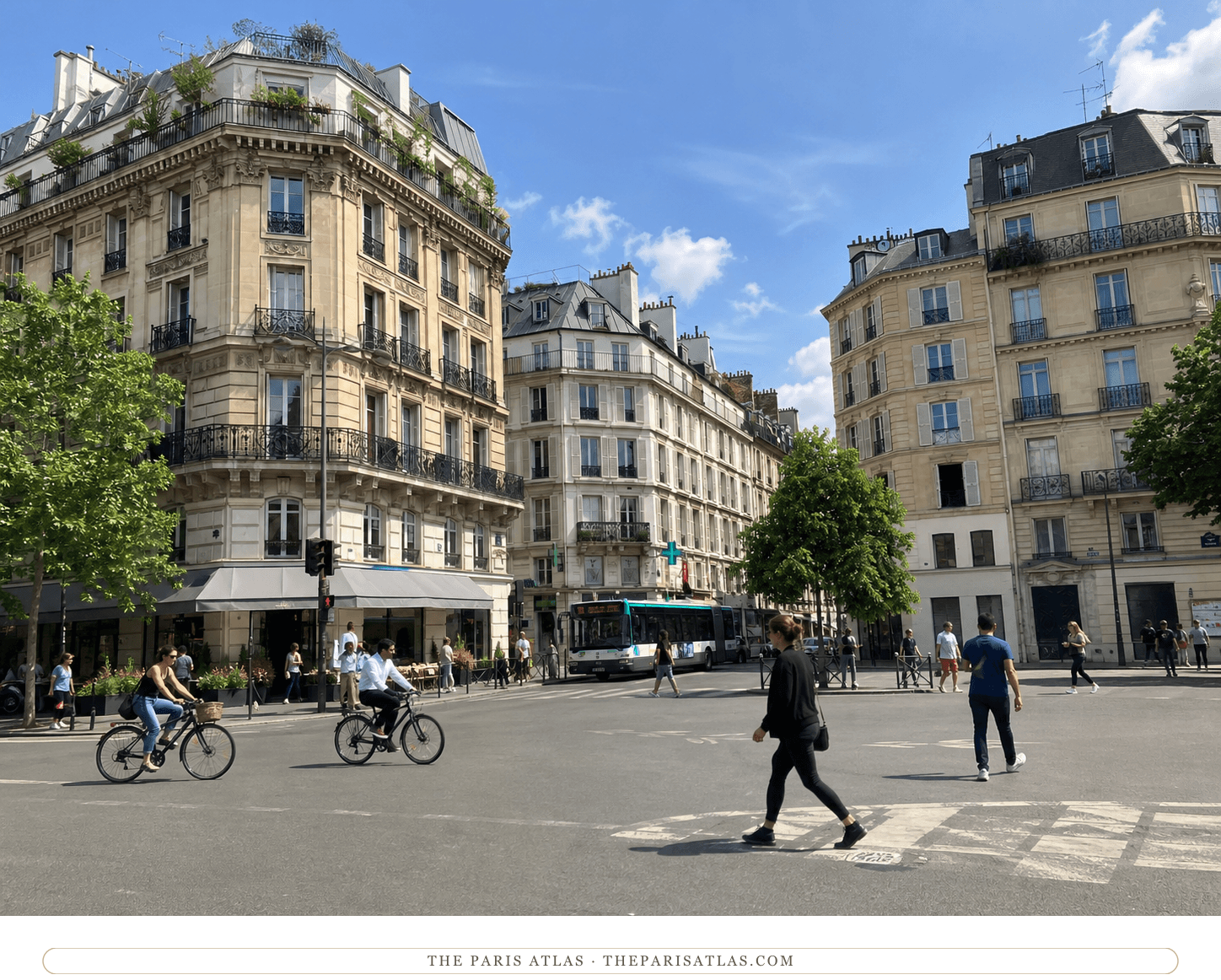
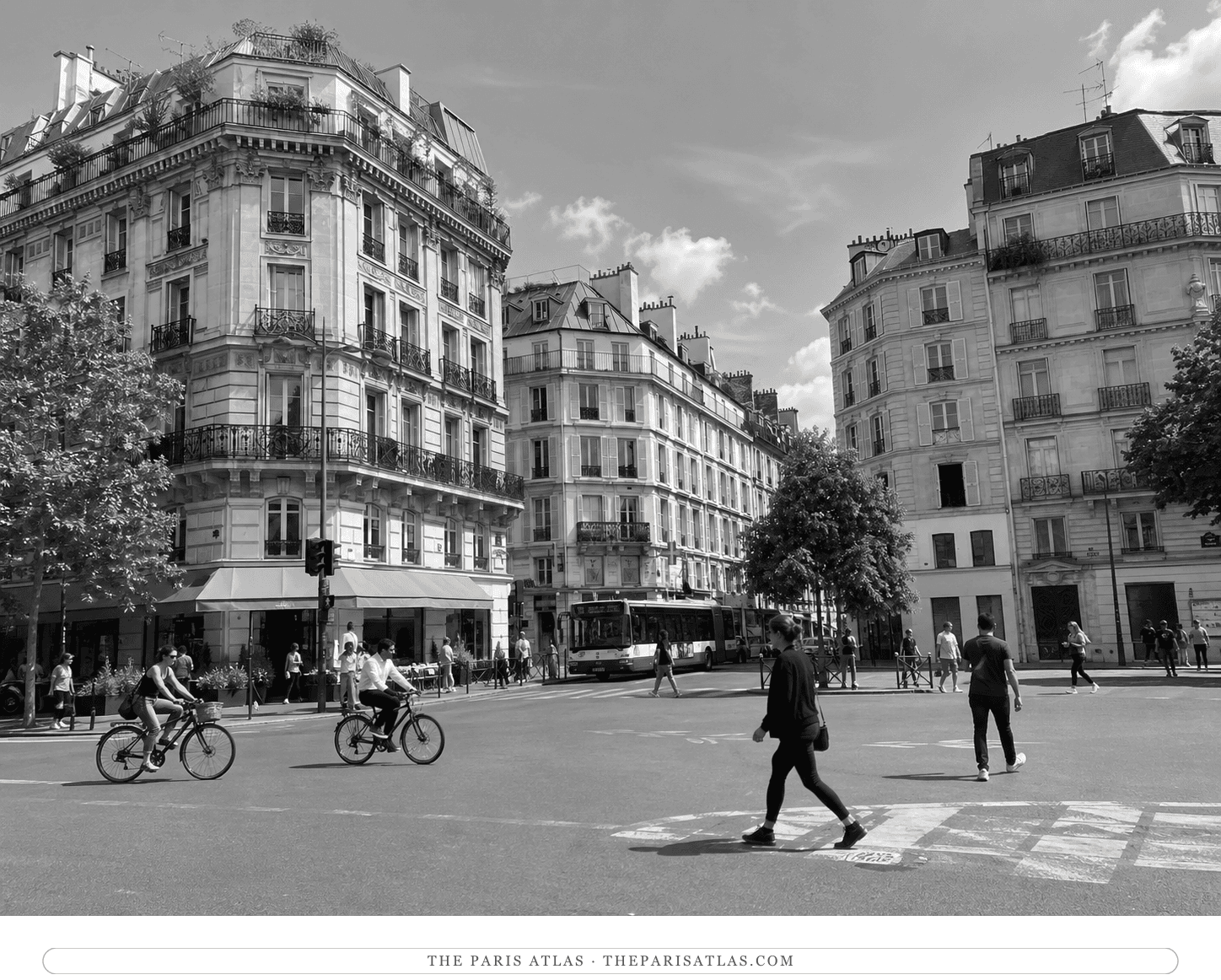
A small square in Saint-Germain-des-Prés, renamed in 2000 for Jean-Paul Sartre and Simone de Beauvoir together — a few steps from the Café de Flore and Les Deux Magots, where they worked.
Visit the placeThe sources below include histories, archival materials, scholarly research, and official records that informed this page. They document Café de la Mairie, the people connected to it, and its place in Paris.


Contemporary reporting or criticism used to document the historical reception and context of Café de la Mairie.

Web source consulted for documented facts and historical context presented on the Café de la Mairie page.
Archival evidence used to document the historical record connected to Café de la Mairie.
Web source consulted for documented facts and historical context presented on the Café de la Mairie page.
These references provide the documented foundation for this page's history and context. Claim-level citations remain attached to the specific claims they support.
 Explore more resources
Newsletter
The cafés, studios, and walk-up flats where the work was made — one story from the map in every letter.