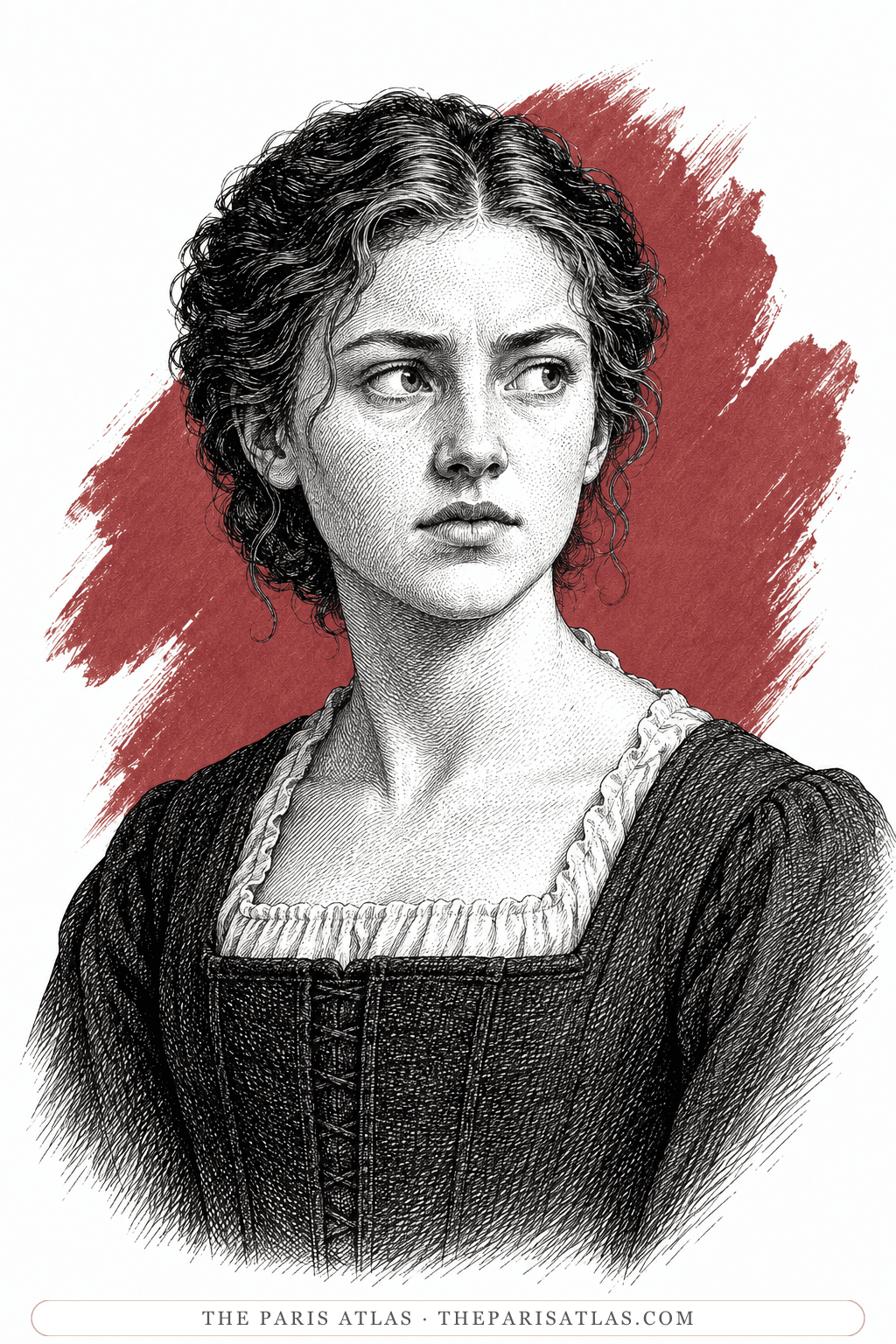
Judith Shakespeare
William Shakespeare’s imagined sister, given his talent but denied his opportunities.
The book

At a glance
- Invented sister of William Shakespeare
- Late sixteenth century
- Chapter Three
Who they are in the book
Spoiler-freeJudith Shakespeare is the gifted sister that Virginia Woolf invents for William Shakespeare in Chapter Three of A Room of One's Own. Her story asks what literary talent could achieve without education, freedom to travel, or access to theater work.
Judith is a fictional thought experiment. Woolf does not present her as a recovered historical writer. The conclusion returns to the imagined sister when asking readers to create opportunities for future women writers.
How the book draws them
- Equal gifts, unequal schoolingWoolf imagines Judith as adventurous and eager to see the world. While her brother attends school, Judith receives no comparable training in grammar, logic, or classical literature.
- Reading interrupted by houseworkJudith sometimes picks up one of her brother’s books. Her parents send her back to mending stockings or watching the stew, leaving little room for sustained study.
- Writing kept secretThe narrator imagines Judith writing in an apple loft and hiding or burning the pages. The tentative account shows how writing might leave no surviving record.
- Resistance to an arranged marriageJudith refuses a match with a neighboring wool merchant’s son. Her father first beats her, then appeals to her affection and offers gifts.
- A young traveler with a theatrical ambitionBefore she is seventeen, Judith escapes to London and asks to act. Her wish to work in the theater meets ridicule and a refusal to train her.
- A family resemblance supplied by the narratorWoolf gives Judith rounded brows and gray eyes, imagining a resemblance to Shakespeare. These physical details belong to the invented sister’s story.
If you like A Room of One's Own


If you like Virginia Woolf
Explore authors with a similar voice, perspective, and influence.
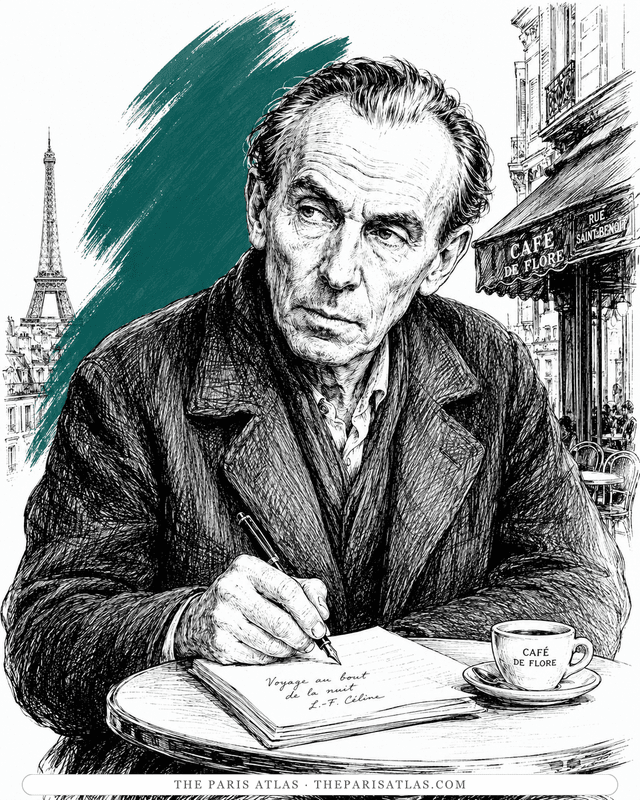
Louis-Ferdinand Céline
The doctor of the Paris slums who wrote the century's blackest, funniest novel — and changed the sound of French prose.
View author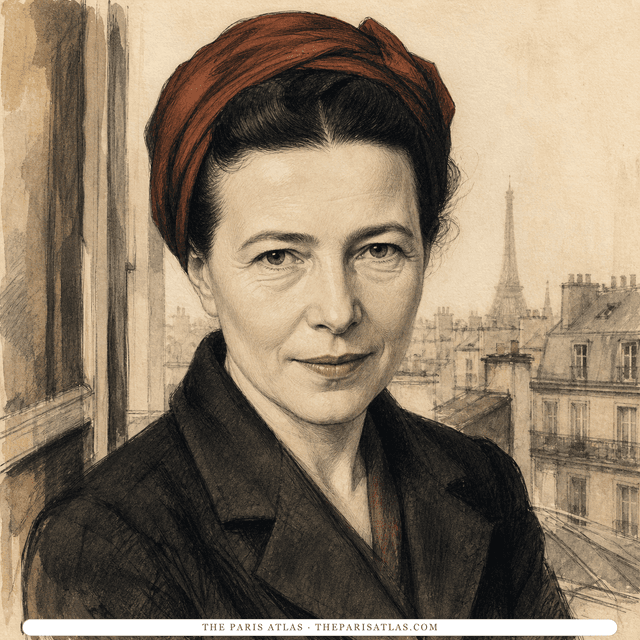
Simone de Beauvoir
French writer and philosopher whose novels, memoirs, and social analysis examined freedom, gender, responsibility, aging, and the material conditions that shape a life.
View author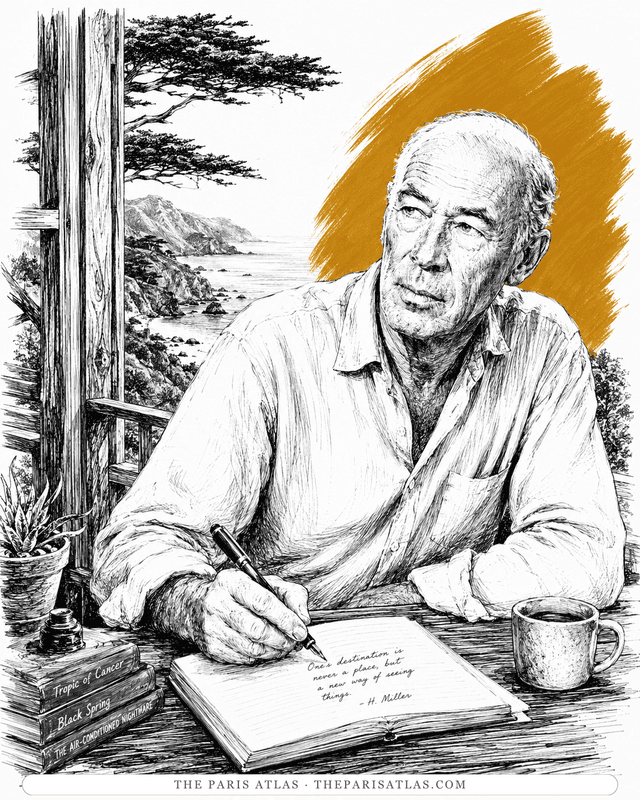
Henry Miller
The Brooklyn dropout who arrived in Paris broke at thirty-eight and wrote the exuberant, banned books that ended American censorship.
View author