
The Mathematics of the Breath and the Way
The other book on the same subject, built from stories and interviews instead of letters.
Read our take
Bukowski on how to write, assembled from two thousand pages of unpublished letters.
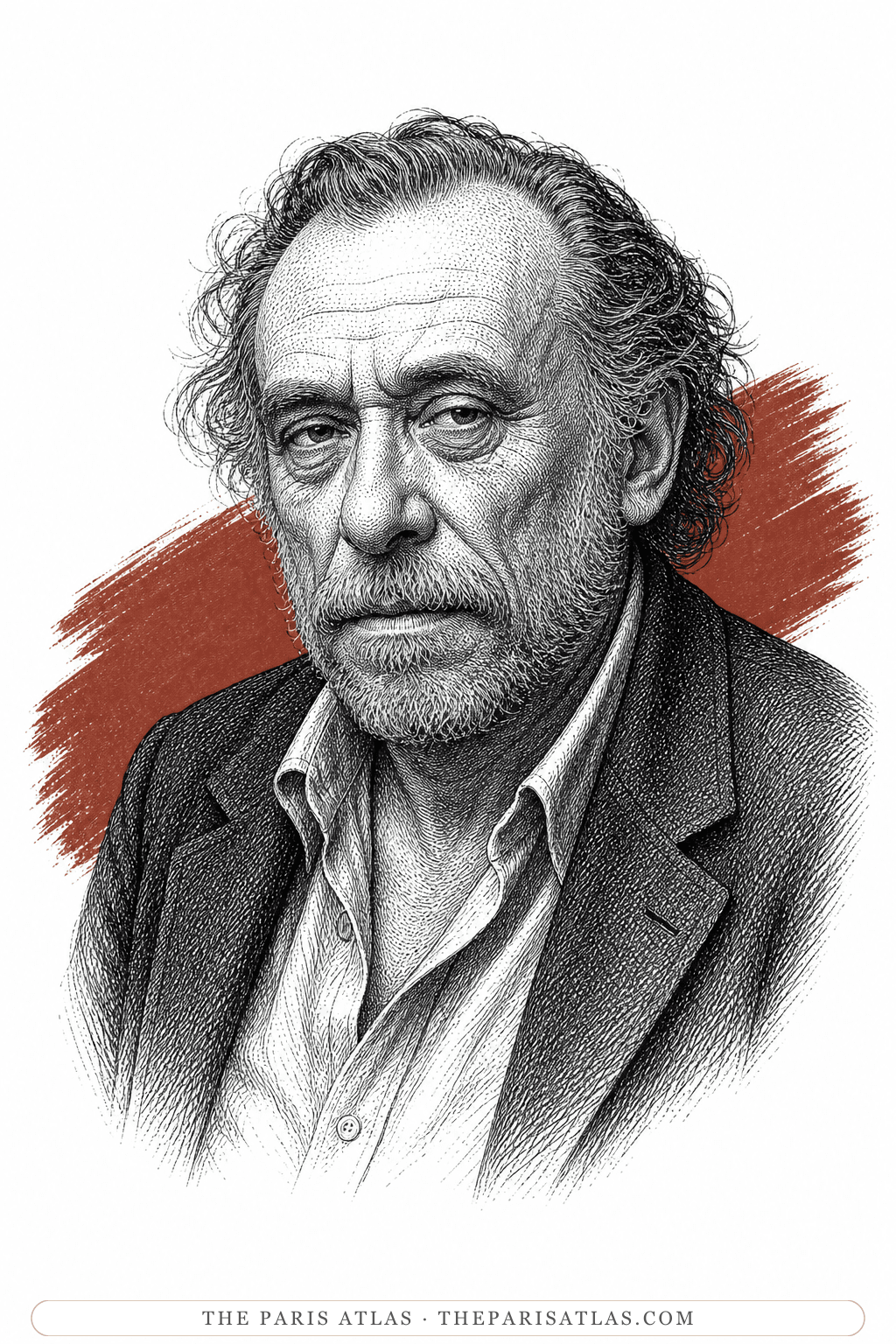
On Writing, published by Ecco in 2015 and edited by the scholar Abel Debritto, collects Charles Bukowski's letters about writing. Debritto worked through roughly two thousand pages of unpublished correspondence to find them. Bukowski wrote to editors, friends and other writers for fifty years, and when the subject was the work he was more direct than anywhere else — about how often he wrote, what he thought of literary reputation, what he did when it would not come, and why he kept sending poems to magazines that rejected him for two decades. The book is not a manual. It is a writer arguing with people by post about what writing is for.
Bukowski's own account of the craft is scattered through his correspondence rather than set down in one place, which is why the letters had to be searched rather than simply reprinted. The advice, where it appears, is unsentimental and repeatable: write because you cannot not write, do not decorate, and do not wait for a mood. Because these are letters and not essays, the tone shifts with the recipient — patient with young writers, blunt with editors, funny with friends.
In the letter excerpt reproduced by Literary Hub, drawings sometimes outlive the handwritten stories they accompany: Bukowski discards the prose and displays the pictures in his bathroom. The joke reverses the expected hierarchy between a literary work and its decoration. His makeshift gallery also brings art into a room with little cultural prestige. Creativity can change medium and destination instead of making publication its only possible outcome. The anecdote is nevertheless a comic self-portrait offered to a correspondent, not transparent evidence that the writer has abandoned all performance.
The rejection passage begins practically: an editor may keep usable poems and return the rest, even the whole submission. Bukowski then turns a consoling maxim about rejection into the image of a mule. The comparison suggests endurance but also accumulated burden, leaving stubbornness close to exhaustion. It does not establish that rejected writing must be good. Read as a brief exchange with an editor, the joke makes persistence sound less like serene self-belief than a means of sustaining contact while another refusal remains possible.
Fifty years of letters searched for the passages where Bukowski says what he actually thought writing was.
With the subject he cared most about and no audience to perform for, the pose drops.
Because the material comes from letters, arguments about craft remain connected to recipients and immediate circumstances.
1940s–1993
The span of the correspondence the volume draws on.
2015
Ecco publishes the letters as On Writing, edited by Abel Debritto.
2018
City Lights follows with The Mathematics of the Breath and the Way, on the same subject from other material.

The other book on the same subject, built from stories and interviews instead of letters.
Read our take
The selected letters of the 1960s, where much of this material originally sat.
Read our take
The novel about the years of writing without readers that these letters describe from inside.
Read our takeA collection of Charles Bukowski's letters about writing, published by Ecco in 2015 and edited by Abel Debritto, who searched roughly two thousand pages of unpublished correspondence to assemble it.
Not in the how-to sense. It is a writer arguing by post about what writing is for, and the advice appears where it happens to appear.
That 2018 volume, edited by David Stephen Calonne for City Lights, covers writing through stories, essays and interviews. This one is letters only.
Because Anaïs Nin published her own On Writing in 1947, and that book holds the bare address. A generic title goes to whichever work is unambiguous, and the newcomer takes the author suffix.
Most of them. Debritto drew on correspondence that had not appeared in the earlier selected-letters volumes.
Explore authors with a similar voice, perspective, and influence.
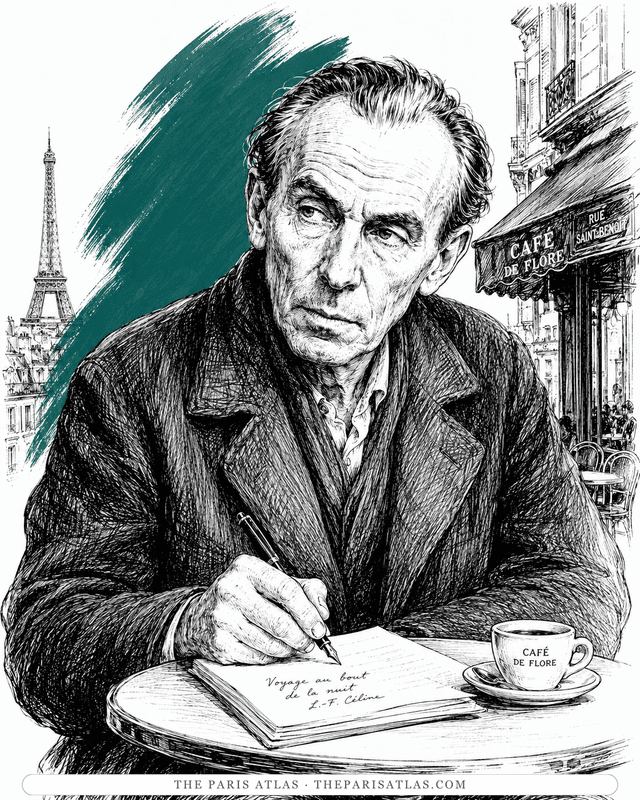
The doctor of the Paris slums who wrote the century's blackest, funniest novel — and changed the sound of French prose.
View author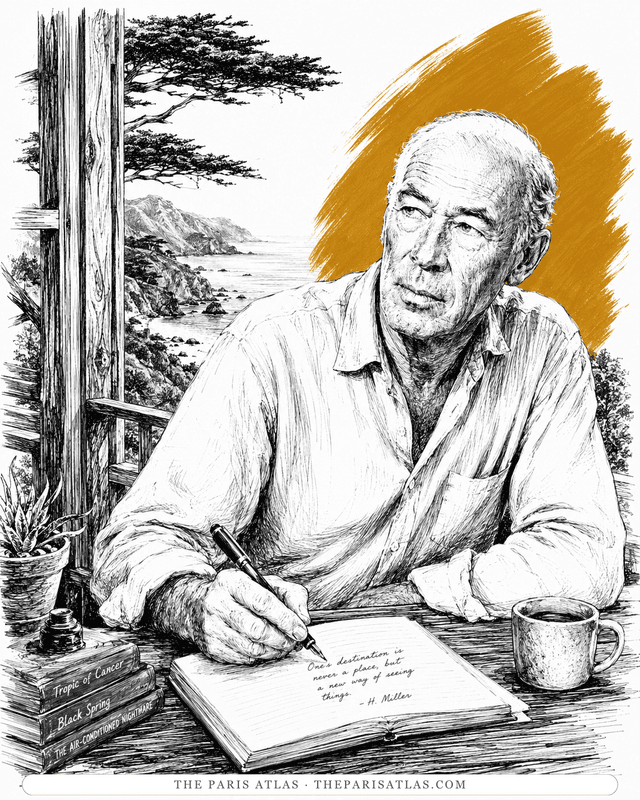
The Brooklyn dropout who arrived in Paris broke at thirty-eight and wrote the exuberant, banned books that ended American censorship.
View author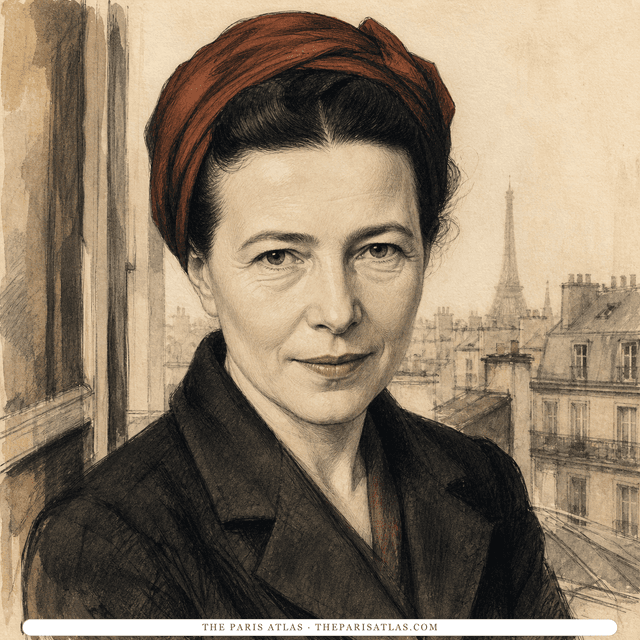
French writer and philosopher whose novels, memoirs, and social analysis examined freedom, gender, responsibility, aging, and the material conditions that shape a life.
View authorThe sources below include the primary text, editions, scholarship, archival materials, and other records that informed this page. They document On Writing, its publication, and its place in literary history.

The primary text represented by this page, used for descriptions of the work’s contents and for any quoted passages shown here.
The correspondence habit and the writing life the letters describe.
Career context for the years the letters cover.
Bibliographic details checked against the checklist.
Selected letter passages reproduced by Literary Hub in 2015, including the bathroom drawings and rejection/mule comparison. These are excerpts, not complete letters; no recipient, date or page number is inferred. The article's numbered advice headings are editorial framing.
The primary text is the baseline reference for every book page. Additional references document publication history, interpretation, and historical context where that evidence is available.
 Explore more resources