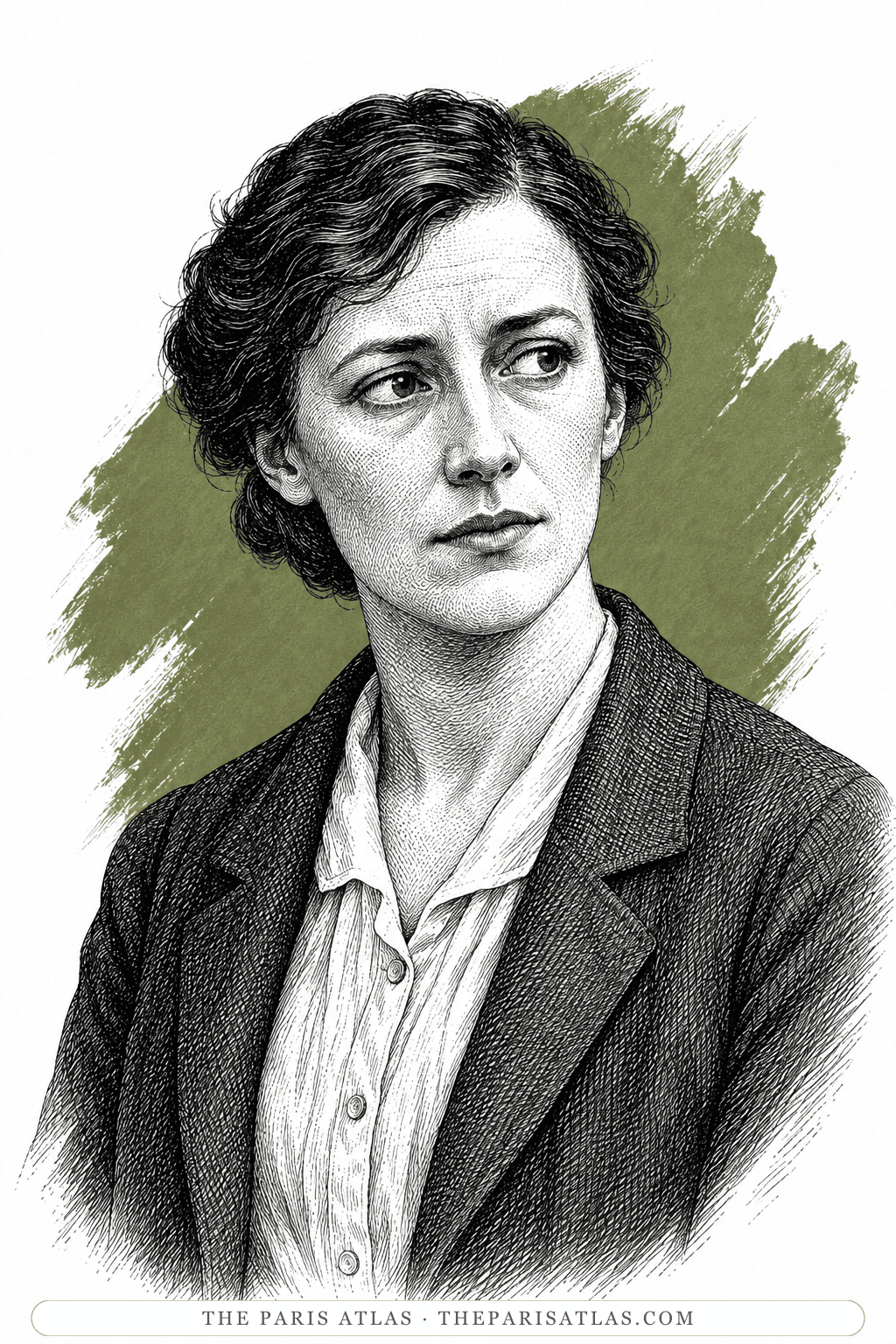
Mary Beton
The invented narrator who investigates the conditions women need in order to write.
The book

At a glance
- Invented narrator
- Chapters One–Six
Who they are in the book
Spoiler-freeMary Beton is the invented narrator through whom Virginia Woolf investigates the conditions women need in order to write. She walks, eats, reads, remembers, and changes her mind. These apparently ordinary activities make the essay's argument concrete: an intellectual life depends on money, access, and time that other people may control.
Why Woolf gives the narrator several names
At the beginning, the narrator offers Mary Beton, Mary Seton, and Mary Carmichael as possible names. The choice signals that the account is an invention. It also prevents the argument from depending entirely on the exceptional life of Virginia Woolf. A reader is asked to follow a thinking person through circumstances that might affect many women.
Those names subsequently acquire different uses. Mary Seton becomes a college friend, and Mary Carmichael becomes an imagined novelist. Mary Beton is also the name of the aunt whose legacy supports the narrator. The repetitions are part of the essay's play with identity; they do not establish that the aunt, friend, novelist, and narrator are one historical person.
An interrupted thought becomes evidence
In Chapter One, the narrator begins to develop an idea while walking near the river. A college official directs her away from a lawn reserved for Fellows and Scholars. The interruption matters because it prevents the reader from separating thought from the rules governing where a thinker may go. The lost idea is a consequence of exclusion.
The library repeats the lesson in another form: a woman needs a Fellow's company or a letter of introduction to enter. Mary can imagine the books she wants, but wanting knowledge does not produce access. Her movement through the college turns an argument about education into a sequence of encounters with people who enforce its boundaries.
What the inheritance changes
In Chapter Two, Mary recalls receiving five hundred pounds a year from her aunt. The income frees her from precarious paid work and from the need to please someone who can withdraw her livelihood. Woolf gives the money a psychological consequence: Mary can consider other people's arguments with less fear and resentment.
The inheritance also exposes a limit in Mary's position. Her new independence arrives through private wealth, not through a solution available to every woman. The essay makes that advantage visible. A reader can accept the argument that thought needs material support while questioning how broadly Mary's particular remedy could be shared.
A narrator who examines her own anger
Mary's visit to the British Museum produces irritation at men's contradictory claims about women. While sketching an angry professor, she notices anger in herself. The scene gives her judgments a history rather than presenting them as neutral truths. She has to recognize the feeling before deciding what it does to her reading.
This habit of reconsideration shapes the essay. Mary does not merely announce Woolf's conclusion and then collect illustrations. Her wrong turns, interruptions, and revisions show how an argument is made under unequal conditions. The reader learns to examine the circumstances behind a confident judgment, including Mary's own.
Sources and passages
- Virginia Woolf, A Room of One's Own
Primary text: Chapter One for the narrator's names, lawn, and library; Chapter Two for the Museum, anger, and inheritance; Chapter Six for the explicit end of Mary Beton's narration.
How Mary Beton Is Portrayed
- An interrupted thoughtIn Chapter One, Mary Beton develops an idea while walking beside the river. A college official sends her off the lawn, and the interruption makes her lose the thought.
- Refused access to booksMary Beton wants to examine literary manuscripts in the college library. She is turned away because she lacks a Fellow’s company or a letter of introduction, and leaves angry.
- Attentive to ordinary comfortsMary Beton compares a rich college lunch with the plain dinner at Fernham. She connects food and conversation with the money available to each institution.
- Able to question herselfIn Chapter Two, Mary Beton draws an angry professor while reading claims about women. Noticing her own anger makes her examine how emotion affects an argument.
- An income that permits disagreementMary Beton describes how an inheritance of five hundred pounds a year ended her dependence on insecure work. Financial safety allows her to judge without seeking approval.
- A reader who changes her expectationsIn Chapter Five, Mary Beton initially dislikes Mary Carmichael’s unfamiliar sentences and order of events. Further reading makes her question the habits behind her first response.
If you like A Room of One's Own


If you like Virginia Woolf
Explore authors with a similar voice, perspective, and influence.
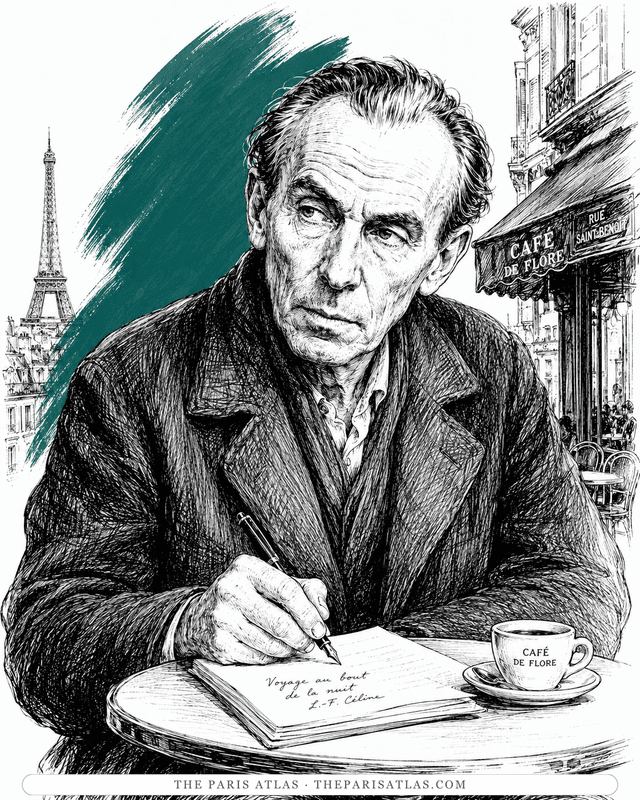
Louis-Ferdinand Céline
The doctor of the Paris slums who wrote the century's blackest, funniest novel — and changed the sound of French prose.
View author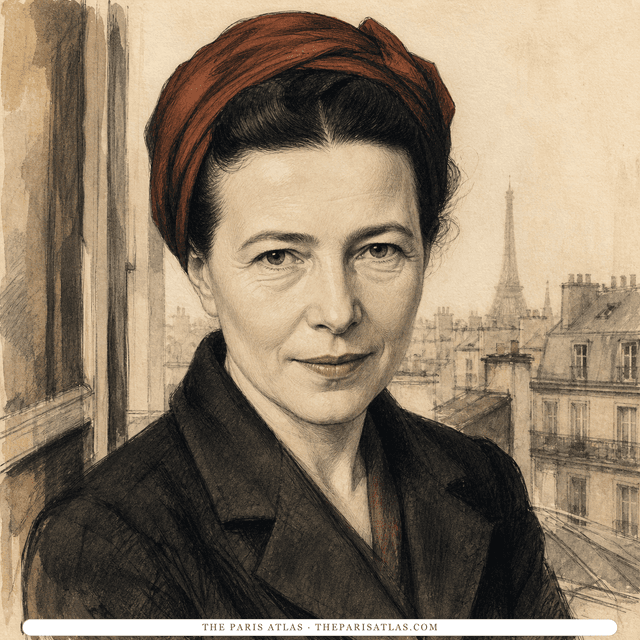
Simone de Beauvoir
French writer and philosopher whose novels, memoirs, and social analysis examined freedom, gender, responsibility, aging, and the material conditions that shape a life.
View author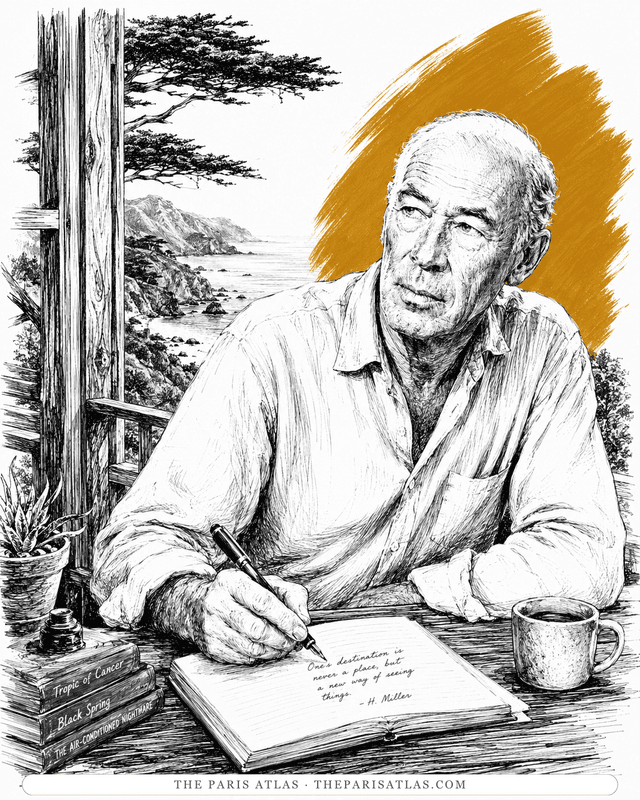
Henry Miller
The Brooklyn dropout who arrived in Paris broke at thirty-eight and wrote the exuberant, banned books that ended American censorship.
View author