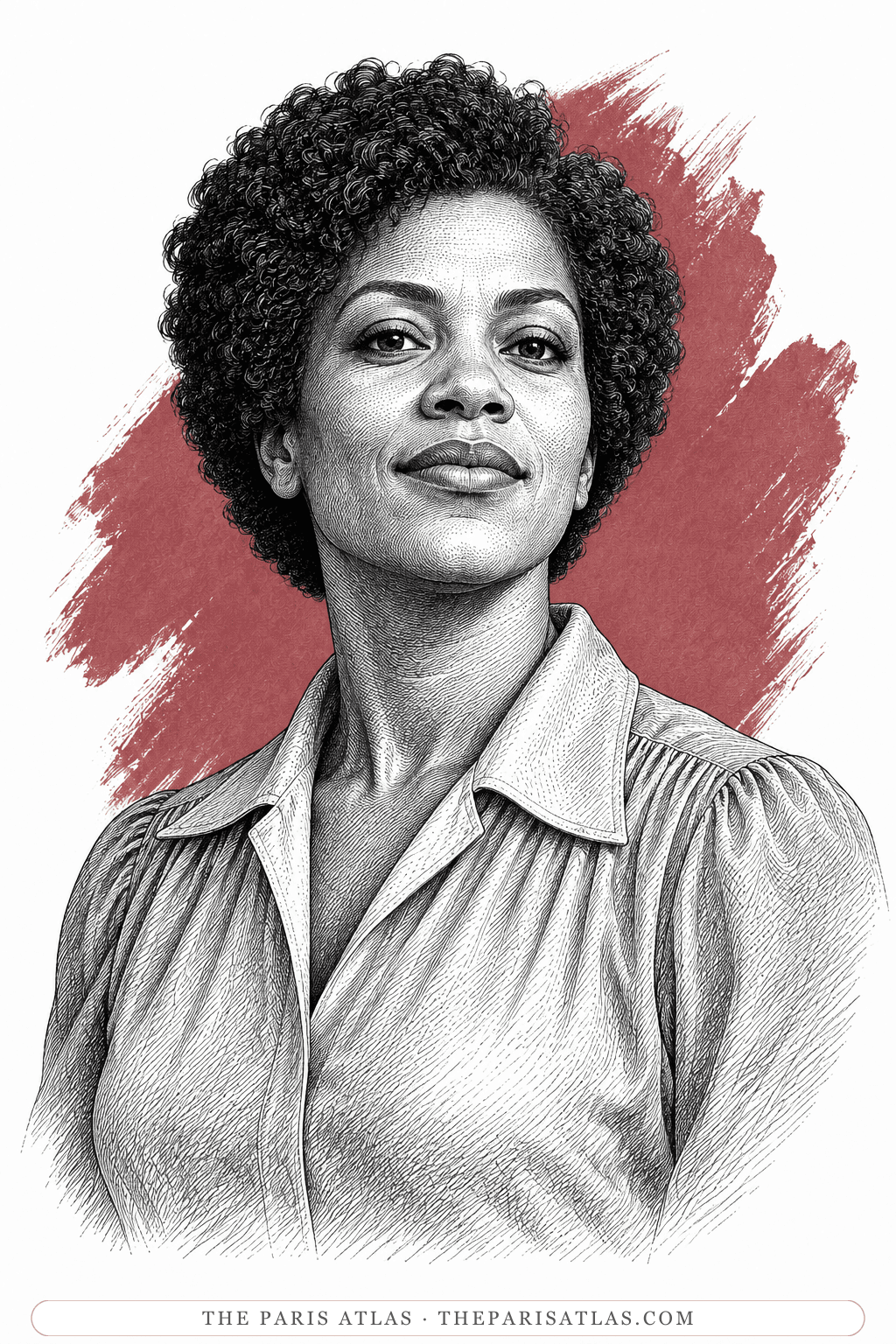
The speaker of Still I Rise
An unnamed Black woman answers attempts to silence or diminish her.
The book

The figure in the poem
Close readingThe speaker of Maya Angelou's Still I Rise is a Black woman who answers attempts to humiliate and diminish her. She speaks to an unnamed opponent, then places her own survival within a history of enslaved ancestors and their hopes. Her confidence is an act of resistance addressed to someone who would prefer her submission.
The unnamed you is larger than one antagonist
SparkNotes reads the addressee as a way to confront a racist and patriarchal society, rather than only a private enemy. That interpretation accounts for the range of pressures the speaker answers. A distorted account of history, hostile looks, and resentment of a woman's confidence can come from many people and institutions.
The questions are not requests for permission. They expose what the opponent finds unacceptable about her pleasure and self-possession. The speaker takes traits that might be used against her and refuses the shame those judgments are meant to produce.
The imagined wealth belongs to her manner
Oil, gold, and diamonds supply extravagant images of abundance. The poem does not need the speaker to own those resources literally. Walking, laughing, and dancing as though she possesses them makes her sense of value visible.
The boasting also gives the voice humor. She can provoke an opponent by appearing to enjoy herself. Her resistance includes pleasure and bodily confidence, so survival is not represented only through endurance of pain.
Repetition becomes an action
The SparkNotes account of the poem's structure notices a change near the end: the earlier stanza pattern opens out, and repeated declarations of rising interrupt it. The form participates in the movement from answering an opponent to affirming a presence that exceeds the opponent's terms.
Reading the refrain aloud helps make this effect audible. Each return can answer a different pressure, while the repeated first person prevents the speaker from disappearing beneath other people's accounts of her. The accumulating declarations give the ending a force that a single statement could not produce.
An individual voice carrying collective history
The final ancestral reference makes the poem more specific than a general message about confidence. The speaker's present freedom and hope are connected to people who endured slavery. Her rising answers a historical effort to restrict what Black lives could become.
The PBS documentary places Angelou's poetry alongside her work in performance and the struggle for civil rights. That context helps explain why a first-person declaration can reach a public audience. It does not make the poem a literal transcript of one incident. The voice is shaped so that personal assertion can also acknowledge a collective inheritance.
Sources and passages
- Maya Angelou, Still I Rise
Primary text in the publisher's excerpt from And Still I Rise.
- Still I Rise: Analysis of the Speaker
Secondary discussion of the speaker's racial and gender identity and the unnamed addressee.
- Still I Rise: Summary and Analysis
Secondary account of the shift in stanza pattern and the repeated declarations near the ending.
- Maya Angelou: And Still I Rise, documentary transcript
PBS American Masters: Angelou's performance practice and civil-rights work. The transcript is available even when video playback is unavailable.
Voice, imagery, and form
- An accusation answeredThe opening confronts the power to misrepresent a life in history.
- Questions with confidenceShe asks what offends the opponent without asking to be approved.
- Imagined abundanceWealth appears as a comparison for how she moves and laughs.
- A body in motionWalking and dancing turn confidence into visible action.
- The returning declarationRepetition gives successive pressures a recurring answer.
- Ancestry at the closeThe ending locates the speaker's hope within a history of enslavement and survival.
If you like And Still I Rise


If you like Maya Angelou
Explore authors with a similar voice, perspective, and influence.
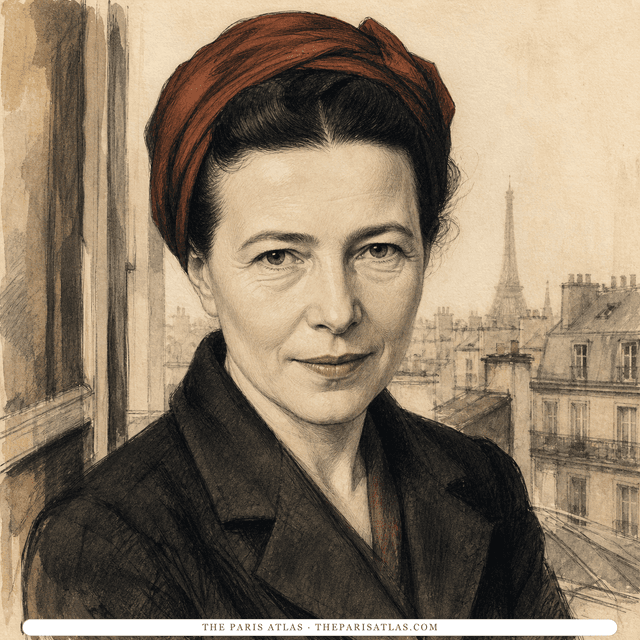
Simone de Beauvoir
French writer and philosopher whose novels, memoirs, and social analysis examined freedom, gender, responsibility, aging, and the material conditions that shape a life.
View author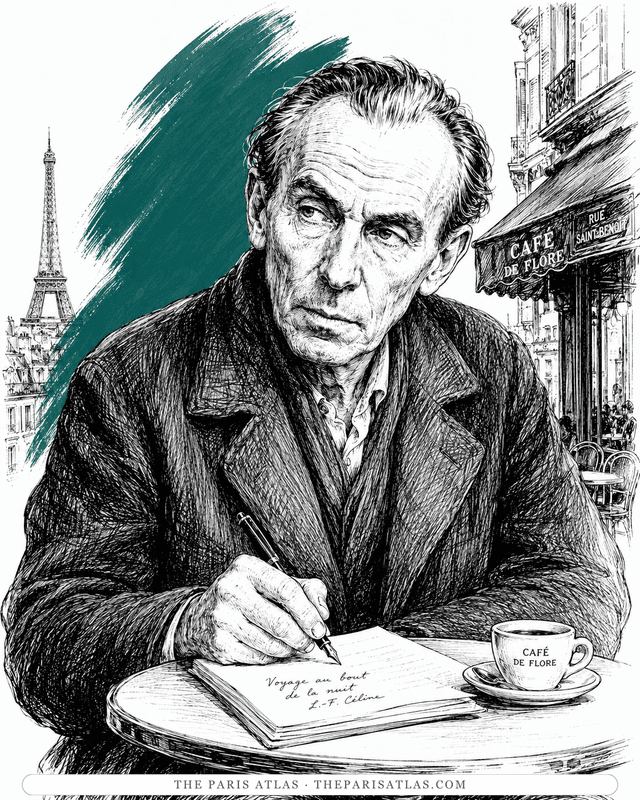
Louis-Ferdinand Céline
The doctor of the Paris slums who wrote the century's blackest, funniest novel — and changed the sound of French prose.
View author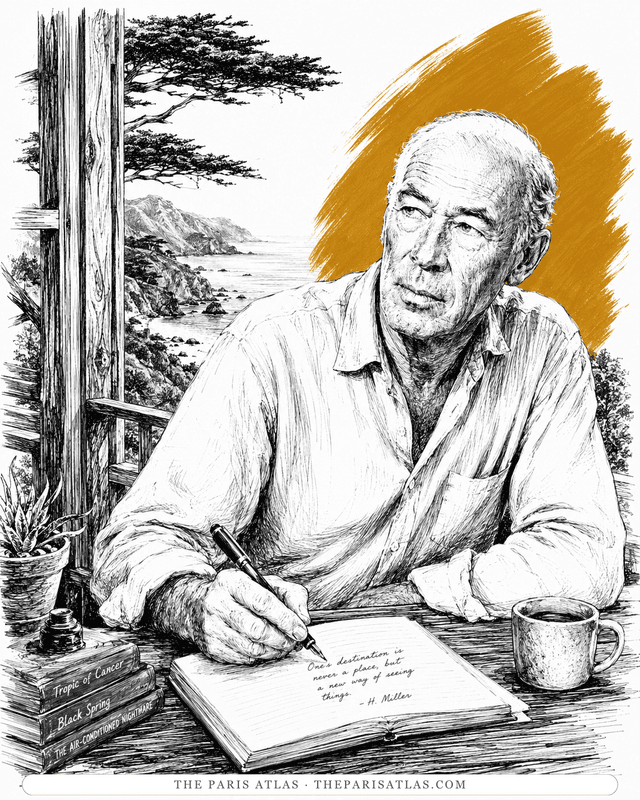
Henry Miller
The Brooklyn dropout who arrived in Paris broke at thirty-eight and wrote the exuberant, banned books that ended American censorship.
View author