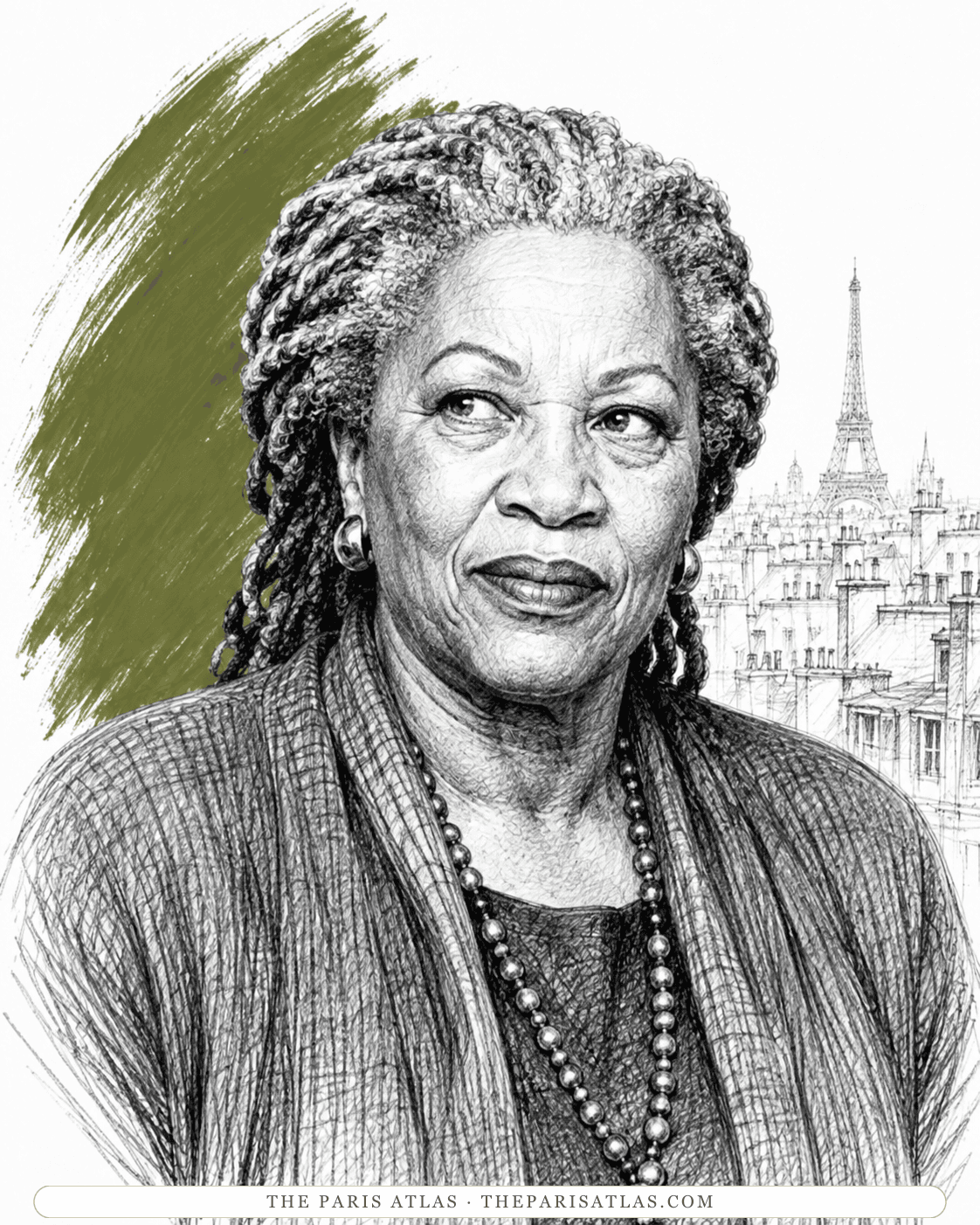

The Bluest Eye
Morrison's first novel approaches childhood and self-image through a different Ohio family and a girl's desire for acceptance.
Read our take
Milkman Dead's search for his family's origins turns a coming-of-age story into an inquiry about inheritance and belonging.
Song of Solomon is Toni Morrison's third novel, first published by Alfred A. Knopf in 1977. It follows Macon Dead, known as Milkman, from a prosperous Black household in the Midwest toward the places and stories of his family's past. His father, aunt Pilate, friend Guitar, and cousin Hagar offer conflicting attachments and expectations. The book won the National Book Critics Circle's 1977 fiction award.
The opening places Milkman's birth beside an insurance agent's attempt to fly from a hospital roof. A private beginning arrives within a public event, surrounded by spectators, spilled rose petals, singing, and a segregated institution.
Street names immediately become part of the story's argument. Residents preserve the memory of a Black doctor in a name that officials reject. Their response turns the official correction into another way of remembering him.
The family journey widens the question of inheritance beyond money. Morrison's publisher describes four generations of Black life, with Milkman's outward movement also becoming a search for the past he has not understood.
The narrative's mixture of comedy, spoken language, and extraordinary events invites patient reading. An apparently incidental name or song can deserve as much attention as a formal announcement of family history.
The opening dispute over Doctor Street makes naming an action with consequences. Residents' usage preserves the memory of a Black physician; official correction denies that name a place on the map. Calling it Not Doctor Street then keeps the forbidden memory inside the very language meant to displace it.
This small civic history prepares a reader to listen carefully to names elsewhere in the novel. A label may carry an error, an attachment or a struggle over who gets remembered. Official recognition and meaningful knowledge are not always located in the same record.
Milkman's journey begins around the possibility of gold, but stories and encounters lead him toward a family past he has not understood. The children's song in Shalimar carries names and connections that become intelligible only when he learns how to listen to it.
Craig A. Milliman's account traces that movement from material pursuit to recovered kinship. Read this way, the journey changes the activity required of the protagonist. He cannot simply take possession of an inheritance; he depends on people whose knowledge has survived outside the assumptions with which he began.
Marlon James's discussion of the novel refuses to make flight an uncomplicated emblem of freedom. Escape can release one person while leaving others to endure the conditions from which he departs. The question gives the inherited story of a flying ancestor a cost that celebration alone could conceal.
It also complicates Milkman's own movement away from home. Attention to his development should not make the lives of women around him disappear into supporting roles. An account of freedom needs to ask who bears the consequences of someone else's departure.
James describes the opening sentence's confident presentation of an extraordinary promise and the musical force of Morrison's prose. The narrative does not begin by apologizing for the world it asks the reader to enter. Voice establishes authority before every event has been explained.
That authority also requires active listening. Repeated names, songs and exchanges can contain information that an apparently more direct explanation would flatten. The book's language asks a reader to participate in recognizing connections, rather than expecting a complete family history to arrive already sorted and certified.
The authorized opening excerpt, including the street-name dispute and the hospital scene.
Secondary account of the search for gold, Shalimar and the children’s song.
Critical discussion of narrative voice and the conflict between flight as liberation and abandonment. This is an excerpt from James's introduction, not the selected edition's Tayari Jones introduction.
Please forgive me. I loved you all.
They called it Not Doctor Street
The novel makes a family's past worth investigating even when it cannot be reduced to an asset. That question gives Milkman's journey a meaning beyond movement through places.
The opening moves among formal notices, neighborhood names, conversation, and song. These different uses of language reveal competing kinds of authority.
Birth, public spectacle, exclusion, and a longing for flight meet in the opening. The unusual arrangement invites readers to ask what a person's life has inherited before it begins.
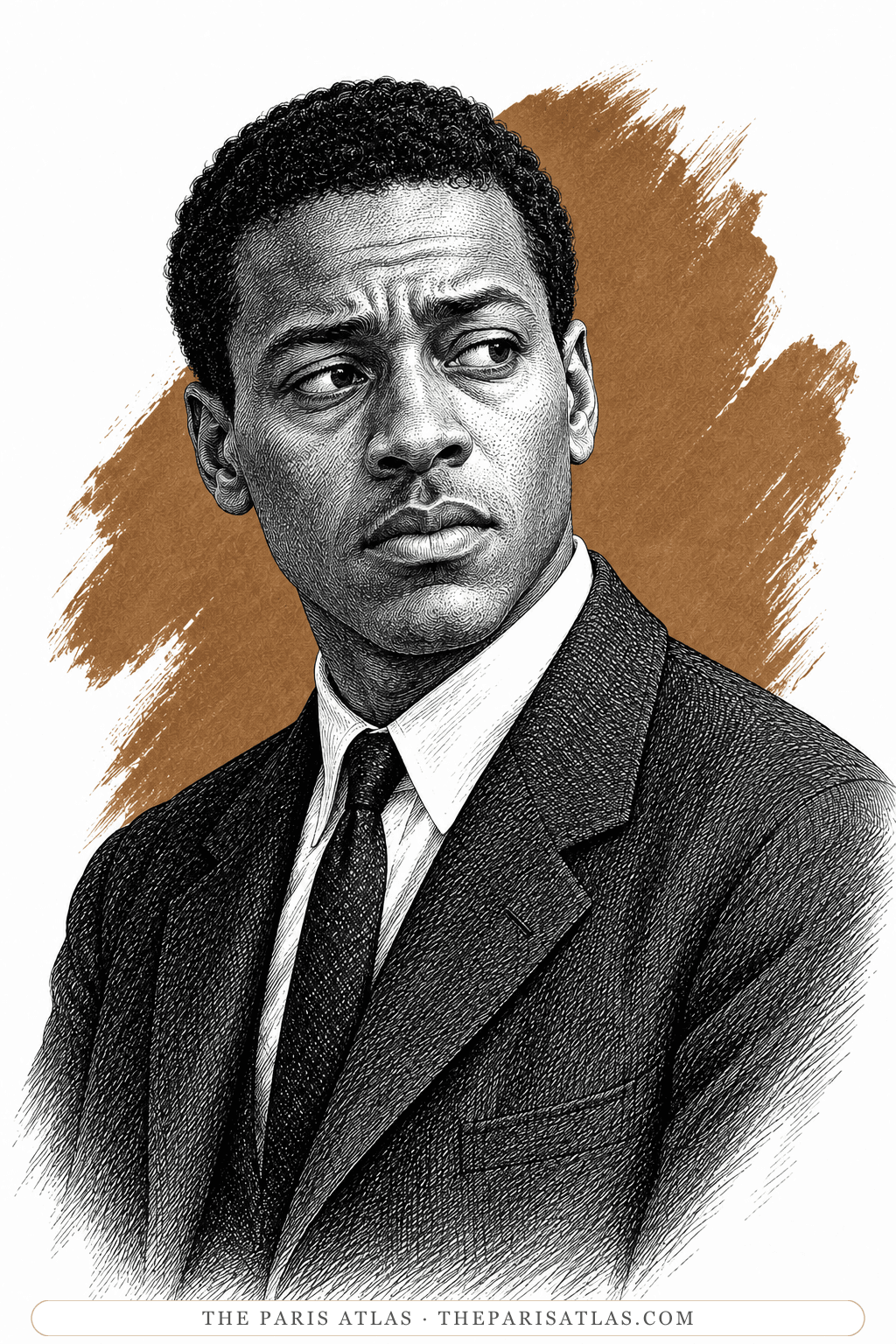
Macon Dead, known as Milkman, whose journey organizes the novel.
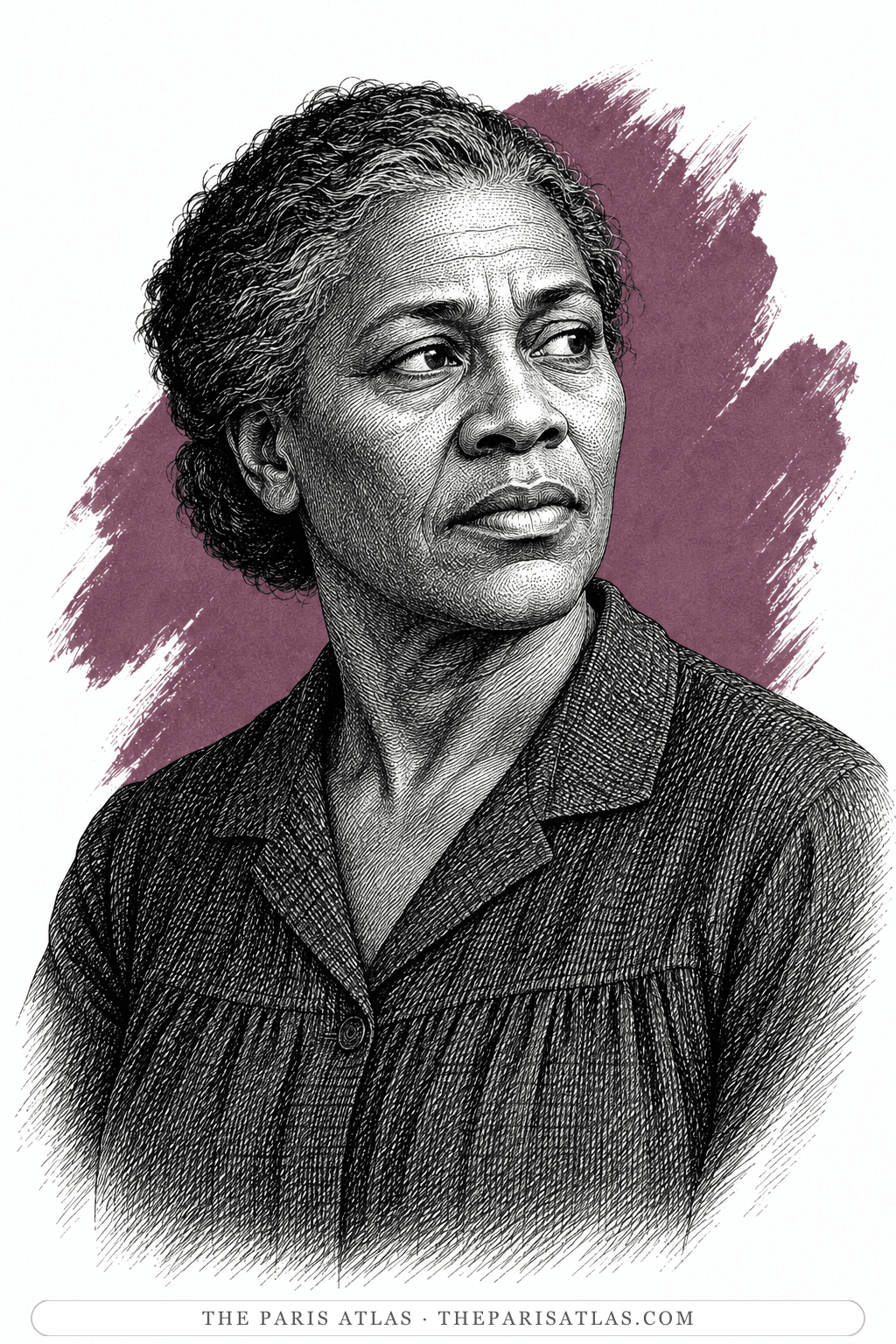
Milkman's aunt, an important figure in the family history he gradually comes to understand.
1977
Alfred A. Knopf publishes Song of Solomon, Morrison's third novel.
1977 award year
The National Book Critics Circle selects Song of Solomon as its fiction winner.
2004
Vintage issues paperback ISBN 9781400033423 on June 8.

Morrison's first novel approaches childhood and self-image through a different Ohio family and a girl's desire for acceptance.
Read our take
Morrison's later novel gives family memory a haunting presence and makes the past a force within daily life.
Read our take
Hughes's earlier coming-of-age novel also lets a young person's family offer competing examples of how to live.
Read our takeIt follows Milkman Dead from his Midwestern family toward the places and stories of his ancestors. His journey brings questions about property, family ties, memory, and belonging into focus.
Milkman is the nickname of Macon Dead, the novel's central character. The narrative begins around his birth and follows his development toward an adult search for family history.
Pilate Dead is Milkman's aunt. She becomes an important connection to the family history and ways of living that his father's emphasis on property does not explain.
No. This is Toni Morrison's 1977 novel. The biblical book is a separate work, also called the Song of Songs.
It won the National Book Critics Circle's fiction award for 1977. Morrison's Nobel Prize in Literature came in 1993 and recognized her writing as an author.
The current Vintage listing for ISBN 9781400033423 credits a new introduction by Tayari Jones, alongside Morrison's foreword, and lists 368 pages. The ISBN was first issued in June 2004; later printings have updated front matter.
Explore authors with a similar voice, perspective, and influence.
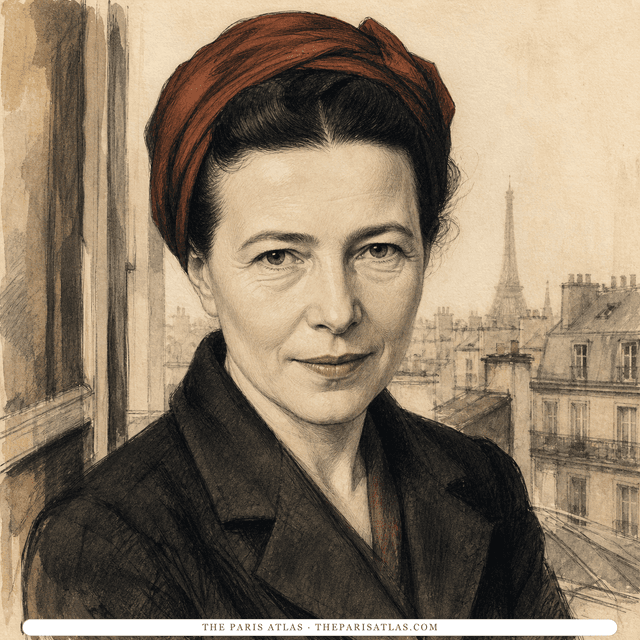
French writer and philosopher whose novels, memoirs, and social analysis examined freedom, gender, responsibility, aging, and the material conditions that shape a life.
View author
The Brooklyn dropout who arrived in Paris broke at thirty-eight and wrote the exuberant, banned books that ended American censorship.
View author
The American novelist who invented Yoknapatawpha County, the imaginary Mississippi county he called himself sole owner and proprietor of, and who spent the autumn of 1925 in a room at 26 rue Servandoni beside the Luxembourg Gardens — all but unpublished, calling himself a tramp, and walking to the café used by the Irish novelist James Joyce simply to look at him.
View authorThe sources below include the primary text, editions, scholarship, archival materials, and other records that informed this page. They document Song of Solomon, its publication, and its place in literary history.


The primary text represented by this page, used for descriptions of the work’s contents and for any quoted passages shown here.

The novel's original Knopf publication and its position after The Bluest Eye and Sula.
Selected edition, ISBN, current extent, introductory material, and broad account of Milkman's journey.
Family roles and the primary opening, including the hospital, street names, and Milkman's childhood. This excerpt does not supply the complete novel.
Official 1977 fiction award record.
Secondary account of the search for gold, Shalimar and the children’s song.
Critical discussion of narrative voice and the conflict between flight as liberation and abandonment. This is an excerpt from James's introduction, not the selected edition's Tayari Jones introduction.
The primary text is the baseline reference for every book page. Additional references document publication history, interpretation, and historical context where that evidence is available.
 Explore more resources