Anna Karenina
Anna Arkadyevna Karenina, a beautiful, warm St Petersburg wife and mother who falls in love with Count Vronsky.
She wants to live openly with Vronsky and keep her son, and the world she lives in will not allow both.
The book
Anna Karenina
Leo Tolstoy
Who they are in the book
Spoiler-freeAnna is Stiva Oblonsky's sister, married to Alexey Karenin, a senior official who, Stiva reminds her, is twenty years older than she is. She loves her son, Seryozha, and she is admired everywhere in St Petersburg society.
Her love for Vronsky takes over her life. She will not lie about it, and that honesty is what society cannot forgive.
How Anna Karenina Is Portrayed
- The Moscow stationIn Part One, Chapter 18, she arrives from St Petersburg in the same carriage as Vronsky's mother. A guard is run over on the line, and she calls it an omen of evil.
- PeacemakerIn Part One, Chapter 19, she talks her sister-in-law Dolly into forgiving Stiva.
- Black velvet at the ballIn Part One, Chapters 22 and 23, she appears in black velvet instead of the lilac Kitty expected, and dances the mazurka with Vronsky.
- Her husband's earsIn Part One, Chapter 30, as her husband meets her train in St Petersburg, she wonders why his ears look like that.
- The confessionIn Part Two, Chapter 29, after the steeplechase, she tells Karenin in the carriage that she loves Vronsky and is his mistress.
- Seryozha's birthdayIn Part Five, Chapters 29 and 30, she gets into her old house early in the morning to see her son on his birthday, and has to leave when his father comes.
Anna Karenina quotes
I love him, I am his mistress; I can't bear you; I'm afraid of you, and I hate you.... You can do what you like to me.
And the light by which she had read the book filled with troubles, falsehoods, sorrow, and evil, flared up more brightly than ever before, lighted up for her all that had been in darkness, flickered, began to grow dim, and was quenched forever.
In Part Seven, Chapters 30 and 31, after a quarrel with Vronsky, Anna takes the train to Obiralovka and throws herself under a goods train. Her daughter by Vronsky is taken in by Karenin.
If you like Anna Karenina


If you like Leo Tolstoy
Explore authors with a similar voice, perspective, and influence.
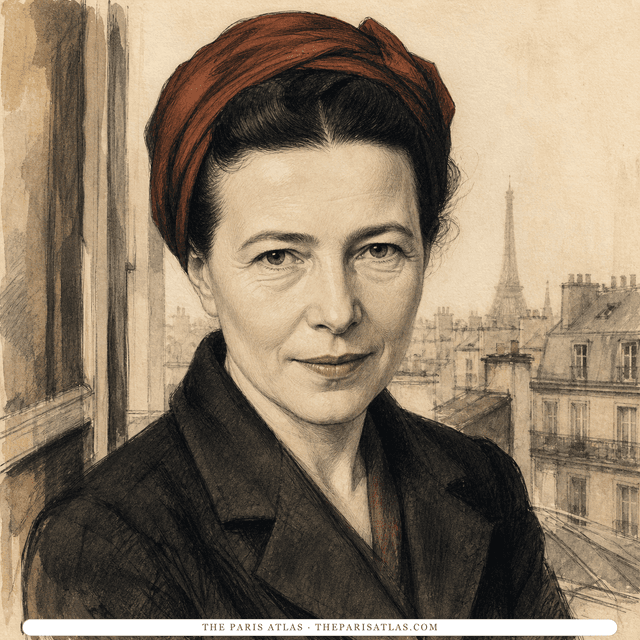
Simone de Beauvoir
French writer and philosopher whose novels, memoirs, and social analysis examined freedom, gender, responsibility, aging, and the material conditions that shape a life.
View author
Paul Bowles
American novelist and composer whose expatriate fiction explores dislocation, unstable intimacy, fatalism, and North Africa.
View author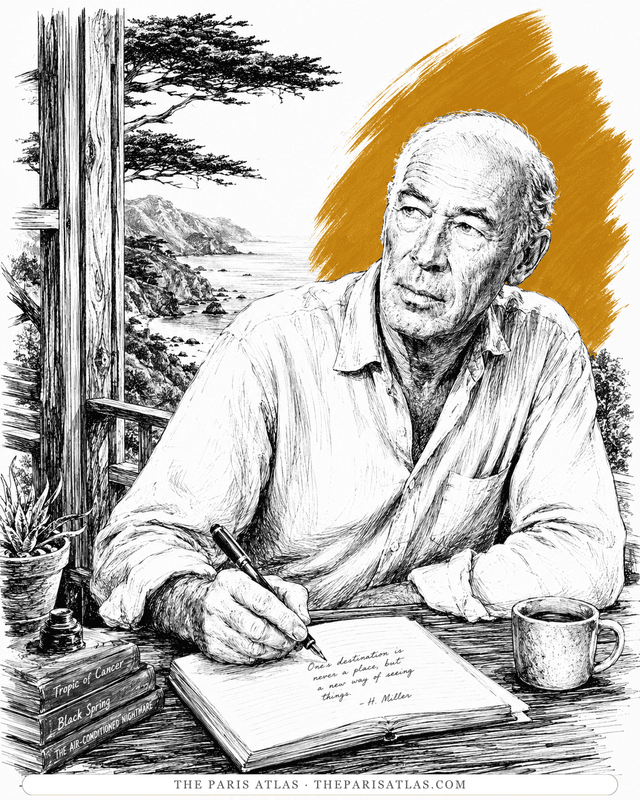
Henry Miller
The Brooklyn dropout who arrived in Paris broke at thirty-eight and wrote the exuberant, banned books that ended American censorship.
View author