Konstantin Levin
A shy, stubborn landowner who loves Kitty, works beside his peasants, and spends the book asking what life is for.
He wants a family, work that makes sense, and a reason to live that does not depend on reason alone.
The book
Anna Karenina
Leo Tolstoy
Who they are in the book
Spoiler-freeLevin lives on his country estate and hates the city. He is honest, awkward and quick to anger, and he thinks hard about farming, God and death.
His half of the book is the story of a happy marriage, which Tolstoy tells as a series of real difficulties.
How Konstantin Levin Is Portrayed
- SkatingIn Part One, Chapter 9, he goes to the Zoological Gardens in Moscow to find Kitty on the skating pond, hardly able to look at her.
- RefusedIn Part One, Chapter 13, he proposes and Kitty answers that it cannot be.
- MowingIn Part Three, Chapters 4 and 5, he takes a scythe and mows the Kalinov meadow all day with his peasants, and loses himself in the work.
- Proposal in chalkIn Part Four, Chapter 13, he writes the first letters of each word of a question in chalk on a card table, and Kitty reads it.
- His diaryIn Part Four, Chapter 16, before the wedding, he gives Kitty the diary in which he has written about his past.
- Hiding the cordIn Part Eight, Chapter 9, a happy husband and father, he is so near suicide that he hides a cord and stops carrying a gun.
Konstantin Levin quotes
but my life now, my whole life apart from anything that can happen to me, every minute of it is no more meaningless, as it was before, but it has the positive meaning of goodness, which I have the power to put into it.
Levin finds his answer in a peasant's words about a neighbour who lives for his soul. He decides he will go on losing his temper and arguing as before, but that his life now has the meaning of goodness, which he has the power to put into it.
If you like Anna Karenina


If you like Leo Tolstoy
Explore authors with a similar voice, perspective, and influence.
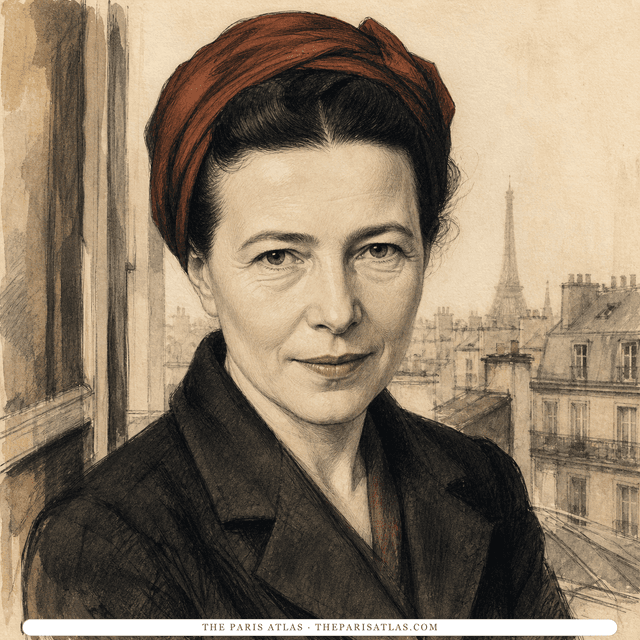
Simone de Beauvoir
French writer and philosopher whose novels, memoirs, and social analysis examined freedom, gender, responsibility, aging, and the material conditions that shape a life.
View author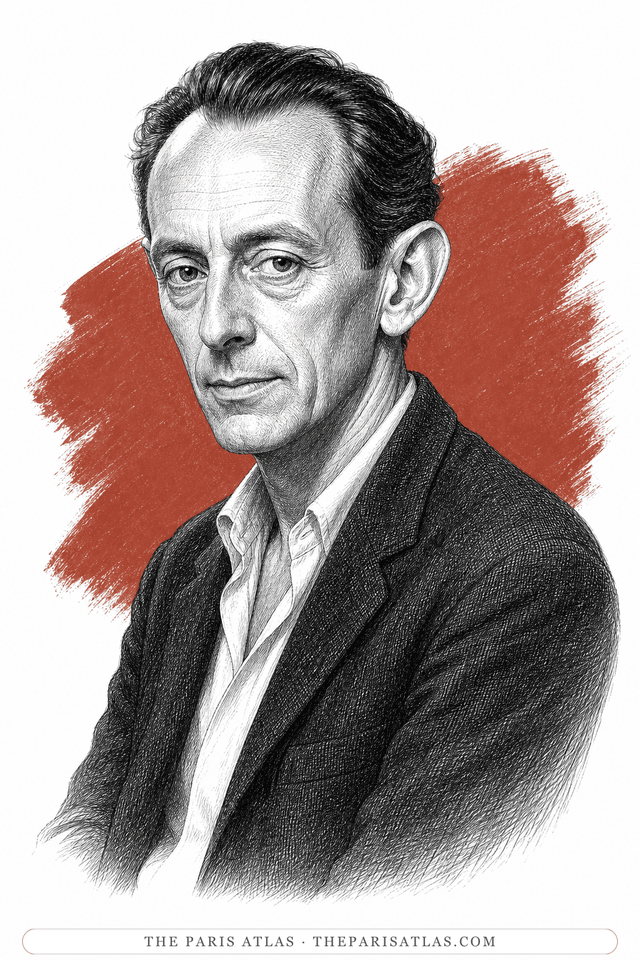
Paul Bowles
American novelist and composer whose expatriate fiction explores dislocation, unstable intimacy, fatalism, and North Africa.
View author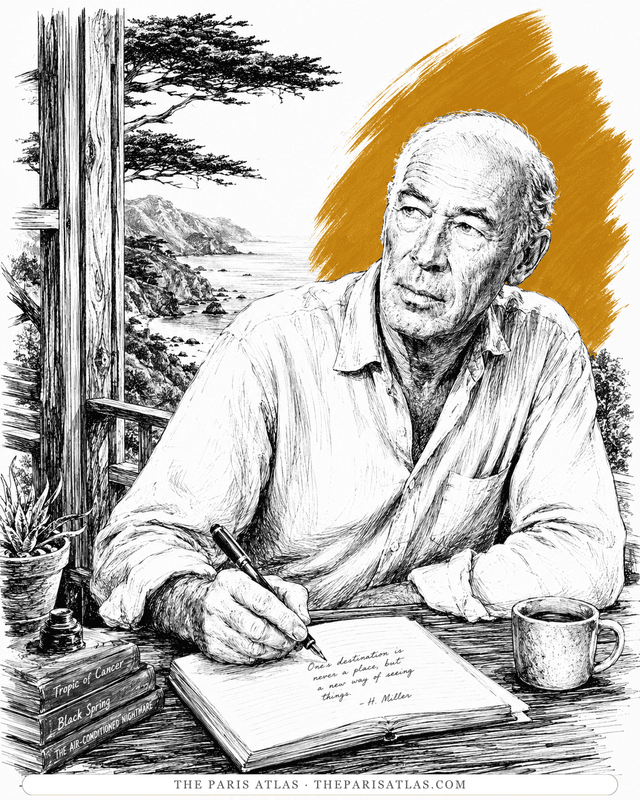
Henry Miller
The Brooklyn dropout who arrived in Paris broke at thirty-eight and wrote the exuberant, banned books that ended American censorship.
View author