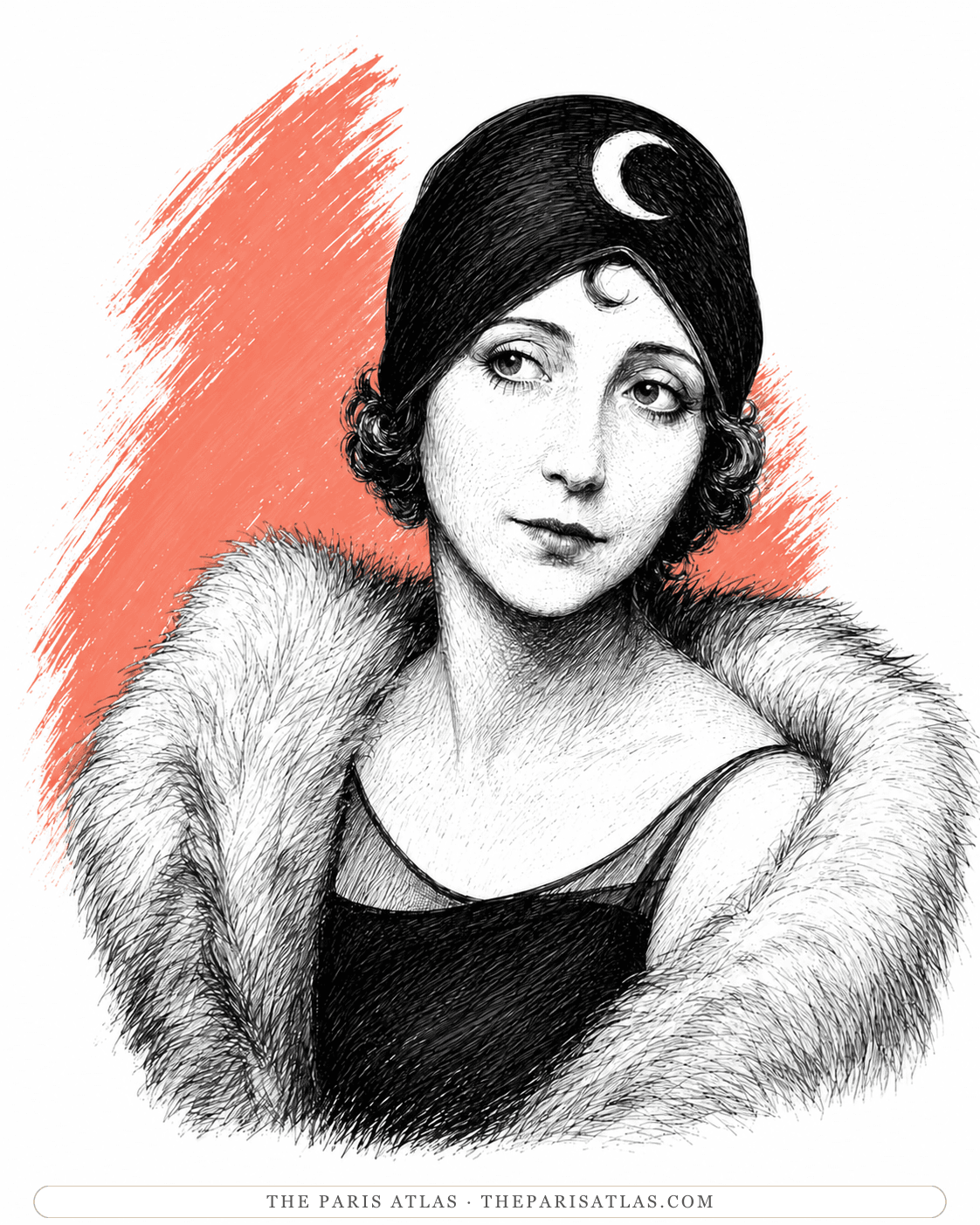

The Diary of Anaïs Nin, 1947–1955
The lean years these letters witness from the correspondent's side.
Read our take
by Anaïs Nin
Twenty-four years of letters with the poet-librarian who took her seriously before the world did.
The correspondence between Nin and Felix Pollak — Viennese-born poet, translator, and rare-books librarian — began in 1952 with a curator's inquiry and ran to the last months of her life. Pollak was the professional believer of the lean years: acquiring her manuscripts for his library, arguing for her work in print, and giving her a correspondent equal to her seriousness about the diary as literature. Edited by Gregory H. Mason and published in 1998, the letters span the whole second act of her career, from obscurity to icon. (Letters — nothing to spoil.)
Pollak enters the story from an unexpected door: the rare-books room. As a librarian building a modern-literature collection, he wrote to the out-of-print novelist in 1952 about her manuscripts, and the professional inquiry became one of the durable friendships of her life — twenty-four years of letters about writing, exile (Pollak had fled Vienna in 1938), the diary's long road to publication, and the American literary weather they both watched from its margins.
The correspondence's arc is the career's: it begins with Nin unknown and Pollak one of the few institutional voices insisting she mattered, and ends with the fame accomplished and the friendship intact. Gregory H. Mason's 1998 edition presents both sides, and readers of the diaries will find here one of the few sustained exchanges where Nin is answered at her own level of seriousness about her life's central project.
Twenty-four years of two-sided correspondence, 1952–1976, edited with introduction and notes by Gregory H. Mason: the manuscript acquisitions that began it; the lean-years letters on rejection, self-publishing, and the diary question; two exiles' running conversation about Europe, America, and belonging; and the late letters from inside the fame the early ones could only argue was deserved.
Agreement about a writer's importance need not mean agreement about her revisions. In passages quoted by Benjamin Franklin V, Nin tells Pollak in 1955 that The Winter of Artifice exaggerated material taken from her diary; in 1960, he still calls the earlier, unexpurgated version her best book. Read together, the judgments expose two standards of value: the author's dissatisfaction with transformation and the reader's attachment to the result. The correspondence preserves that difference, making literary support something more demanding than an echo of the writer's own verdict.
The brief letter excerpt reproduced by the publisher reverses the familiar picture of Pollak as Nin's supporter. She becomes his attentive reader, praising the poems he has made from sadness and promising to share them with her students. Her own illness enters between those gestures without ending her concern for his work. Literary encouragement is given a practical form: a poem can travel beyond the private exchange to another audience. The passage presents belief in a writer as something enacted through reading and circulation, not simply declared as admiration.
Pollak answers Nin at her own seriousness — rare in her published mail, and the exchange is better for it.
From out-of-print to icon inside one friendship's letters.
Two Europeans in midcentury America, comparing notes on belonging — a theme the diaries only glance at.
1952
Pollak's manuscript inquiry opens the correspondence during Nin's out-of-print years.
1952–1976
Twenty-four years of letters, from obscurity through the Diary's fame to the last months of her life.
1998
Gregory H. Mason's edition publishes the exchange.
The lean years these letters witness from the correspondent's side.
Read our take
The long approach to publication, argued out in this friendship too.
Read our take
The other great two-sided correspondence on the shelf — passion there, alliance here.
Read our takeThe published correspondence between Anaïs Nin and the poet-librarian Felix Pollak, spanning 1952 to 1976 — edited by Gregory H. Mason and published in 1998.
A Viennese-born poet, translator, and rare-books librarian in America, who began acquiring Nin's manuscripts in the 1950s and became one of her most sustained correspondents.
With a professional letter in 1952 — Pollak, building a library collection, inquired about her manuscripts during the years her novels were out of print.
Writing and the diary's long road to publication, the business of literary reputation, and the experience of European exile in midcentury America.
Yes — the edition prints both sides of the exchange, one of the few Nin correspondences published whole.
Explore authors with a similar voice, perspective, and influence.
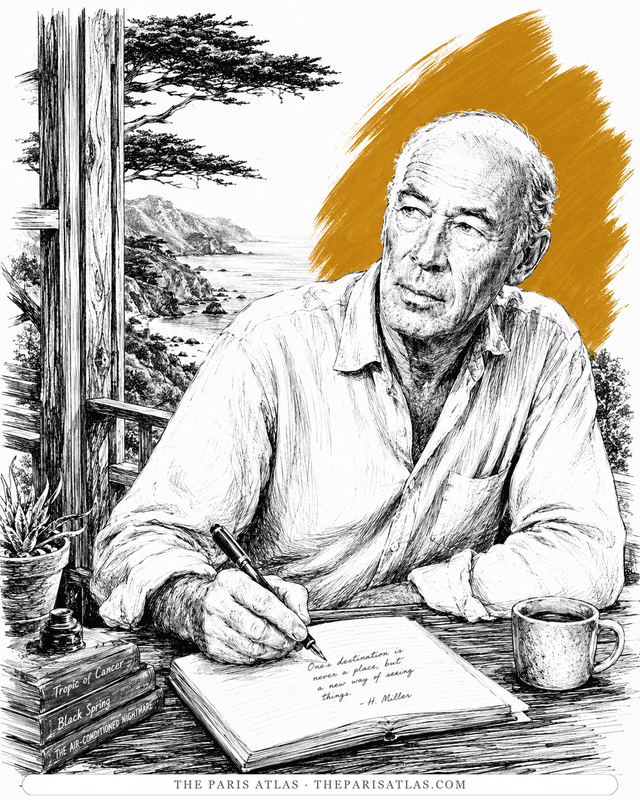
The entangled careers of the Villa Seurat: she financed and prefaced his scandal, he detonated her prose — and each wrote the other into the century's record.
View author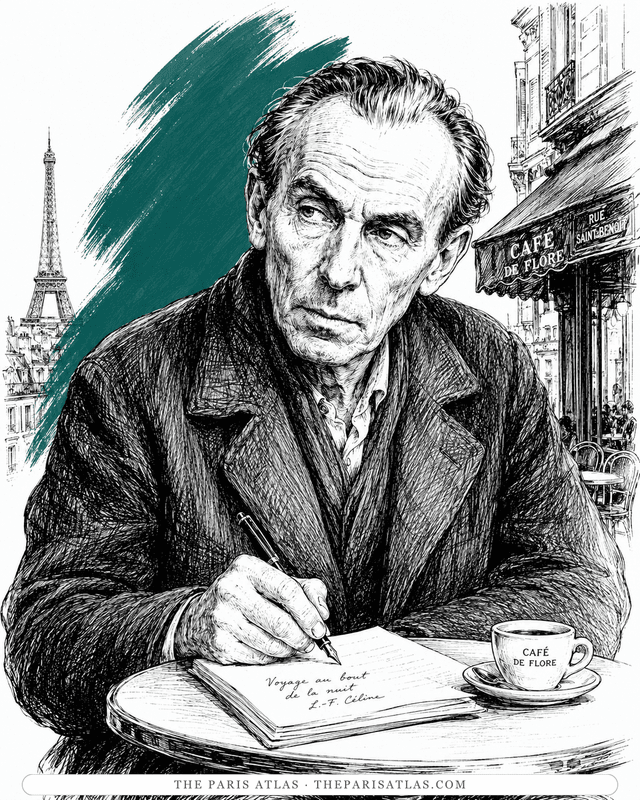
The doctor of the Paris slums who wrote the century's blackest, funniest novel — and changed the sound of French prose.
View author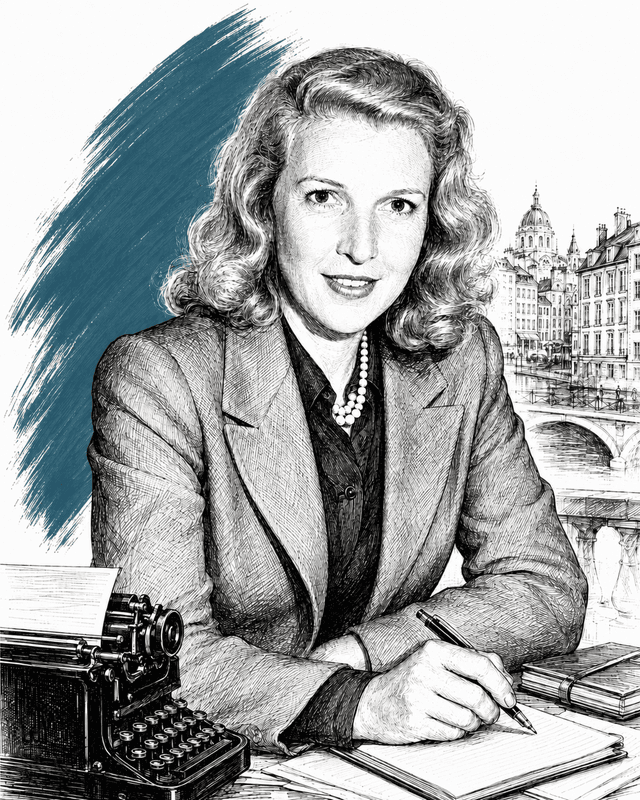
War correspondent who covered the Spanish Civil War, D-Day, and conflicts across five more decades; Hemingway's third wife, 1940–1945.
View authorThe sources below include the primary text, editions, scholarship, archival materials, and other records that informed this page. They document Arrows of Longing, its publication, and its place in literary history.
The primary text represented by this page, used for descriptions of the work’s contents and for any quoted passages shown here.
Introduction: Nin's 1955 assessment and Pollak's 1960 judgment, citing Arrows of Longing, pp. 25 and 152. Read as a reproduced excerpt, not a complete-letter or manuscript collation.
Publisher's undated letter excerpt: praise for Pollak's poems and promise to read them to students. Read as a reproduced excerpt, not a complete-letter or manuscript collation.
Used to verify Arrows of Longing's bibliographic context and its place within Anaïs Nin's published work.
Used for independent archival, institutional, or historical context surrounding Anaïs Nin and Arrows of Longing.
Used to cross-check chronology, publication history, and the circumstances in which Arrows of Longing appeared.
Used for an additional scholarly or biographical perspective on Arrows of Longing and Anaïs Nin's wider career.
The primary text is the baseline reference for every book page. Additional references document publication history, interpretation, and historical context where that evidence is available.
 Explore more resources