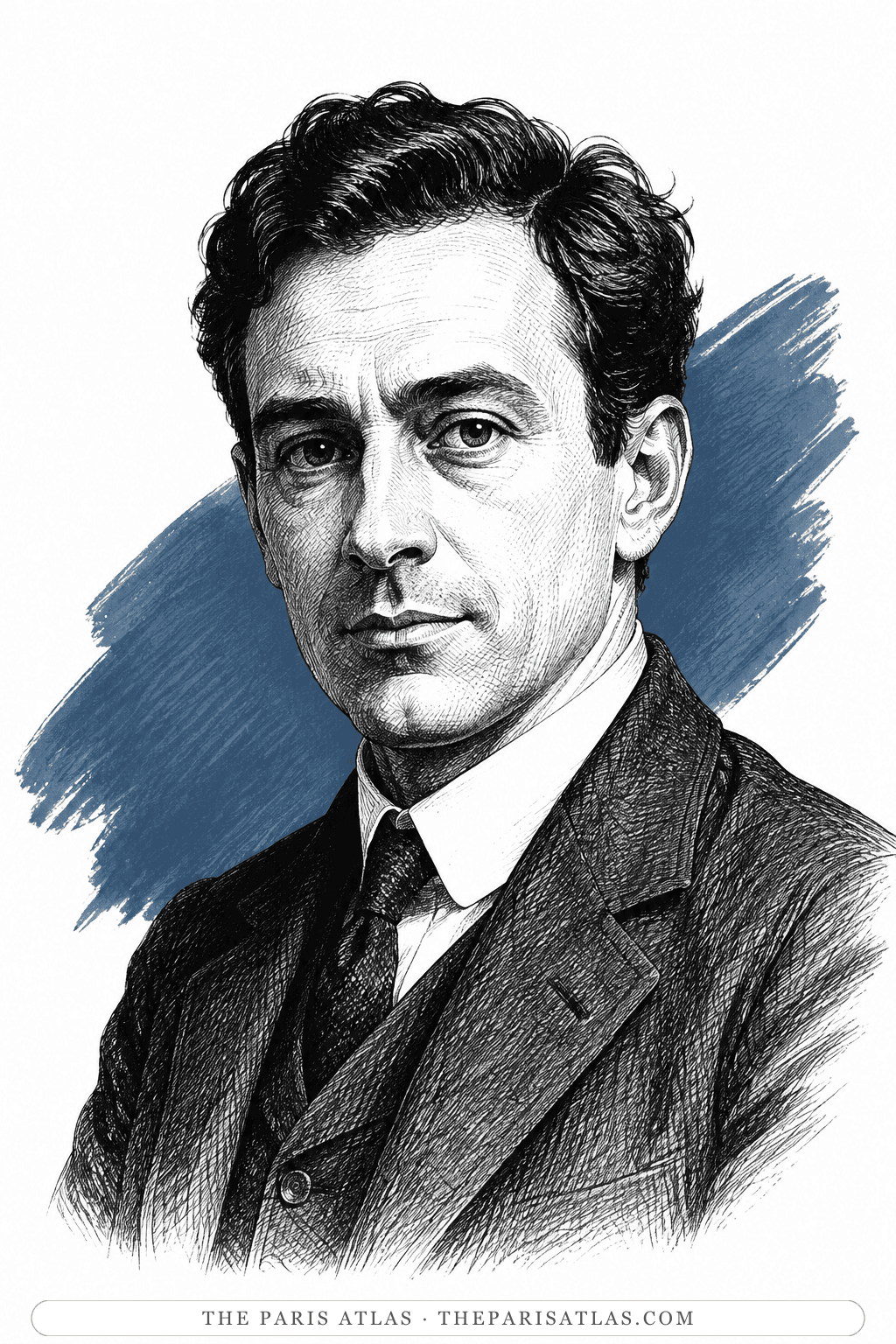
Journalists, artists, and social figures
The supporting social world of newspapers, nightlife, money, art, drugs, and scandal.
To gain access, status, money, pleasure, or useful information within a competitive urban network.
The book

At a glance
- Newspapers, cafés, nightlife, art, and wealthy society
- Tito’s colleagues and social contacts
- Turn appetite and reputation into an urban system
Who they are in the book
Spoiler-freeColleagues, artists, patrons, and fashionable operators give Tito access to information and stimulation. They make the cities feel like networks of performance rather than neutral backgrounds.
Many are deliberately drawn as satirical types instead of deep psychological portraits. The grouped page explains their shared function without pretending that they are one person.
How Journalists, artists, and social figures Is Portrayed
- Newsroom alertnessThe representative figure looks prepared to notice and record a scandal.
- Social calculationConversation can become reporting, gossip, or leverage.
- Fashionable surfacesClothes and venues help create public identity.
- Satirical typesPitigrilli uses quick outlines to expose a whole class of behavior.
The supporting network persists beyond any one scandal. Individual fortunes change, but the culture of appetite and performance remains.
If you like Cocaine


If you like Pitigrilli
Explore authors with a similar voice, perspective, and influence.
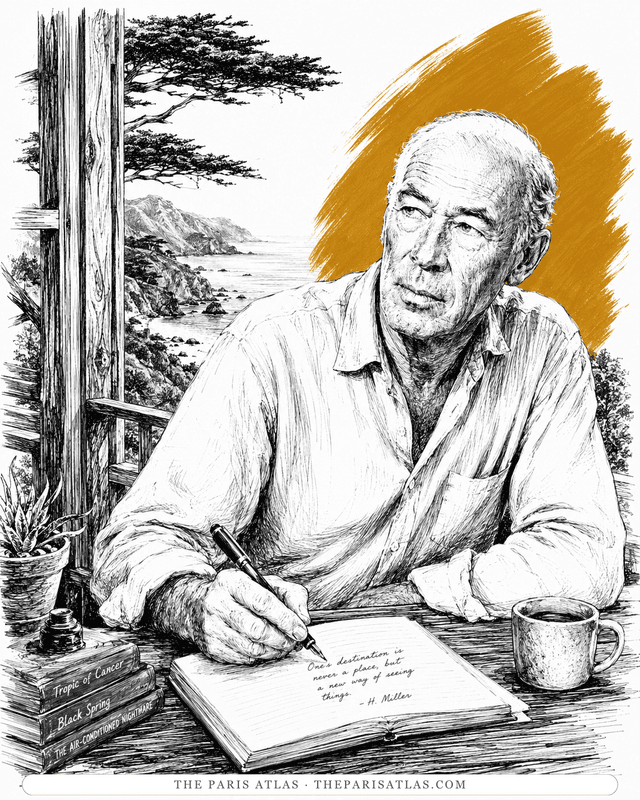
Henry Miller
The Brooklyn dropout who arrived in Paris broke at thirty-eight and wrote the exuberant, banned books that ended American censorship.
View author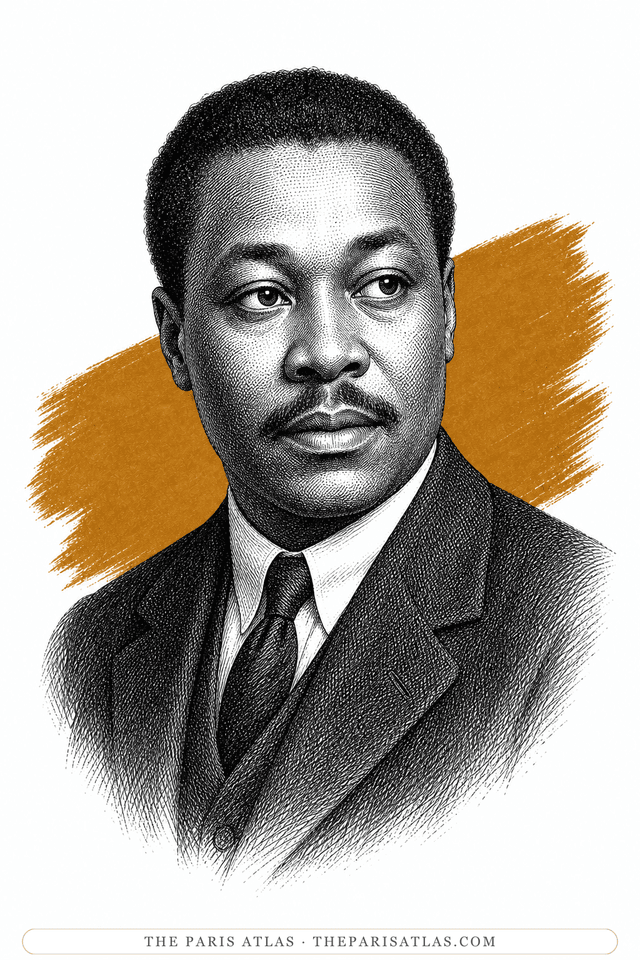
Claude McKay
Jamaican-born poet and novelist, and one of the essential writers of the Harlem Renaissance. He arrived in Paris from Moscow in 1923 and stayed in France until 1928, writing Home to Harlem there — and forming a low opinion of the rich, white expatriate scene that dominates most accounts of the period. His Paris is the same years as Hemingway's and almost nothing like it.
View author
Paul Bowles
American novelist and composer whose expatriate fiction explores dislocation, unstable intimacy, fatalism, and North Africa.
View author