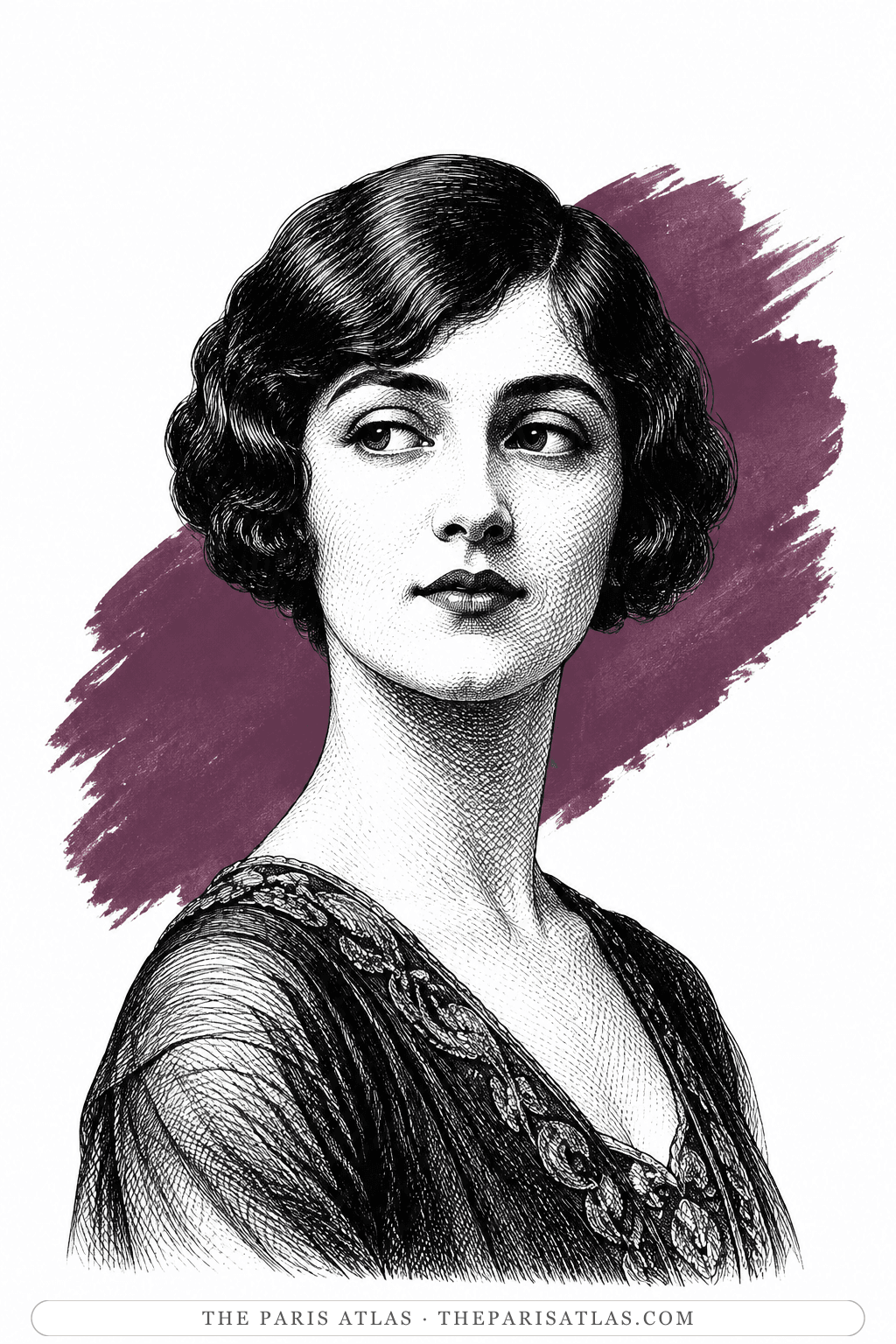
Tito’s lovers and female acquaintances
The women who meet Tito as partners, rivals, and mirrors of the sophisticated world he wants to master.
To pursue their own security, pleasure, status, or freedom without being reduced to parts of Tito’s self-invention.
The book

At a glance
- Tito’s lovers, acquaintances, and rivals
- Italian cities and Paris
- Expose the limits of Tito’s emotional detachment
Who they are in the book
Spoiler-freeSeveral women enter Tito’s life through romance, sex, money, work, and social competition. Their exact weight varies across the novel’s episodes and translations.
Together they expose the limit of Tito’s detached worldview. They are not one generic decadent woman, and the representative portrait signals the group without claiming to depict every member.
How Tito’s lovers and female acquaintances Is Portrayed
- Distinct social rolesDress and behavior vary with profession, money, and circumstance.
- Partners and rivalsThey can participate in Tito’s games rather than merely receive his attention.
- Social mirrorsTheir responses reveal how his charm and detachment affect other people.
- Grouped profileThe source discusses them collectively, so the page does not invent names or merge their lives.
No single fate applies to the group. Relationships begin and break as Tito keeps moving, while individual women experience different consequences.
If you like Cocaine


If you like Pitigrilli
Explore authors with a similar voice, perspective, and influence.
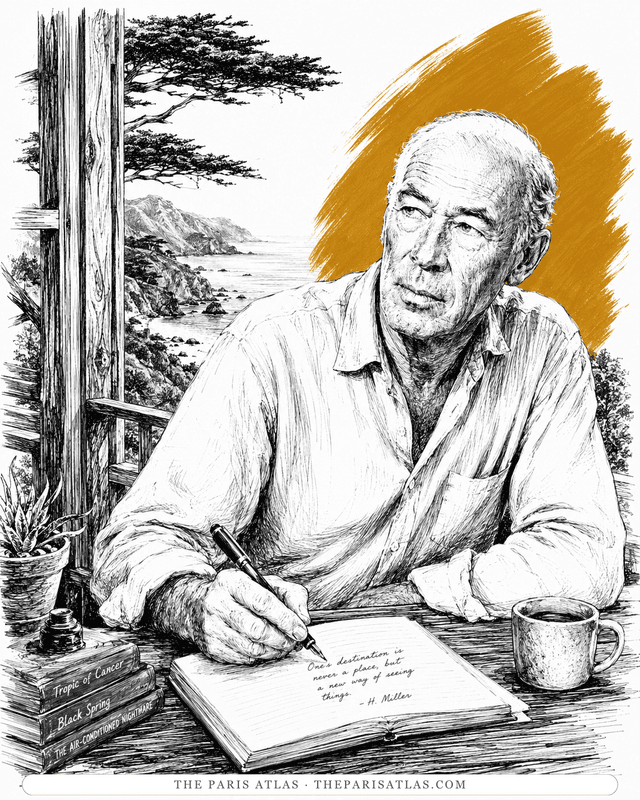
Henry Miller
The Brooklyn dropout who arrived in Paris broke at thirty-eight and wrote the exuberant, banned books that ended American censorship.
View author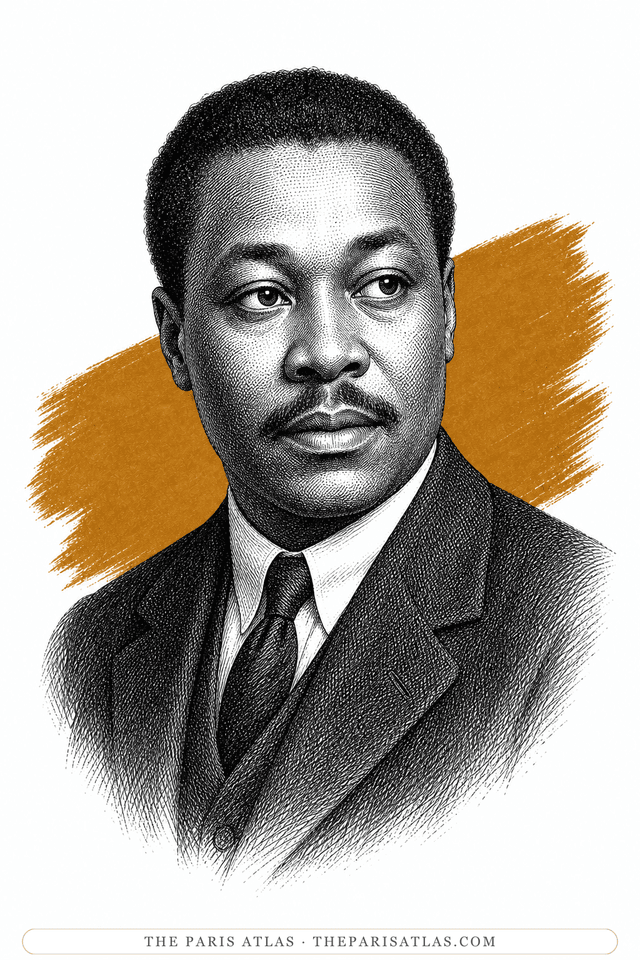
Claude McKay
Jamaican-born poet and novelist, and one of the essential writers of the Harlem Renaissance. He arrived in Paris from Moscow in 1923 and stayed in France until 1928, writing Home to Harlem there — and forming a low opinion of the rich, white expatriate scene that dominates most accounts of the period. His Paris is the same years as Hemingway's and almost nothing like it.
View author
Paul Bowles
American novelist and composer whose expatriate fiction explores dislocation, unstable intimacy, fatalism, and North Africa.
View author