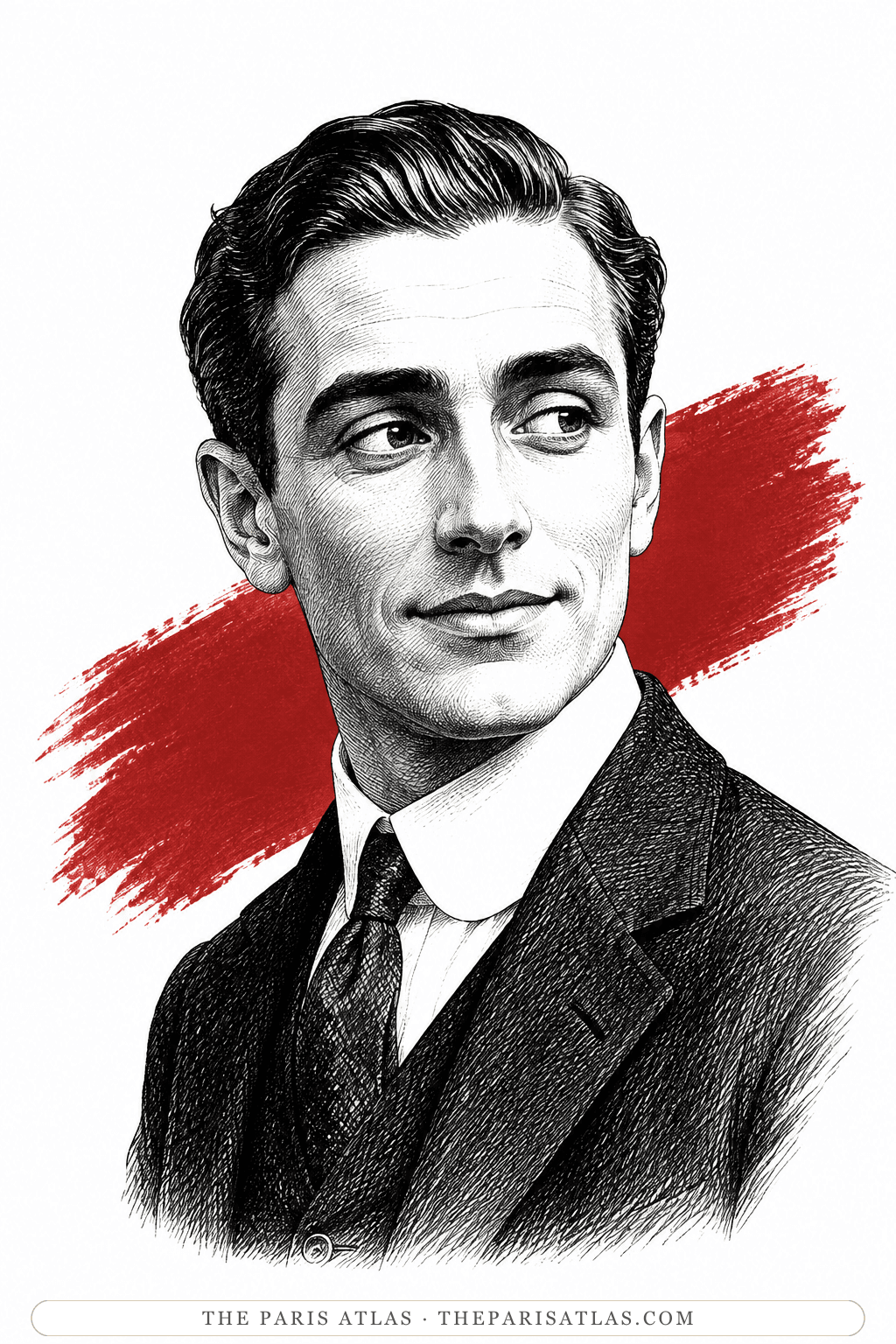
Tito Arnaudi
The ambitious journalist, observer, seducer, and social opportunist at the center of the novel.
To remain stimulated, successful, and emotionally mobile while avoiding ordinary commitments.
The book

At a glance
- Journalist
- Turin and Paris
- Stimulation, status, sex, and freedom
Who they are in the book
Spoiler-freeTito moves through Turin and Paris with an amused confidence that turns journalism, romance, scandal, and cocaine into parts of one social game.
He wants freedom, stimulation, and success more than stability. His quick judgments entertain, but his detachment increasingly looks like protection from any feeling that might make demands on him.
How Tito Arnaudi Is Portrayed
- Immaculate young journalistHis early-1920s suit projects discipline even when his life does not.
- Amused eyesHe studies other people as material for stories and jokes.
- Socially adaptableHe can move between cities, classes, professions, and scandals.
- Aphoristic mindHe turns experience into compact judgments before it can unsettle him.
- Cynical seducerDesire becomes another contest of nerve and self-presentation.
- Emotionally mobileHe survives by refusing to remain attached to one consequence for long.
Tito does not repent or become a moral example. He survives through adaptability while the glamour around him loses its power to conceal emotional and social damage.
If you like Cocaine


If you like Pitigrilli
Explore authors with a similar voice, perspective, and influence.
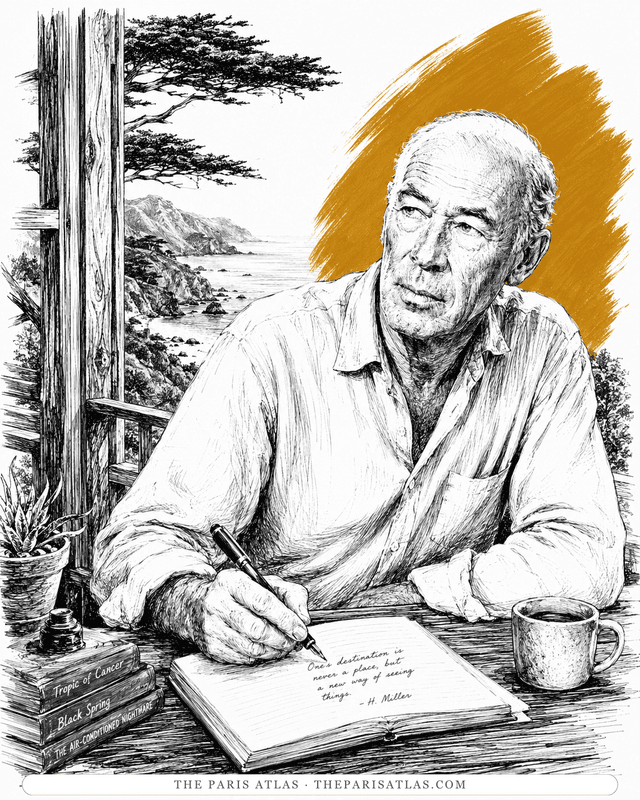
Henry Miller
The Brooklyn dropout who arrived in Paris broke at thirty-eight and wrote the exuberant, banned books that ended American censorship.
View author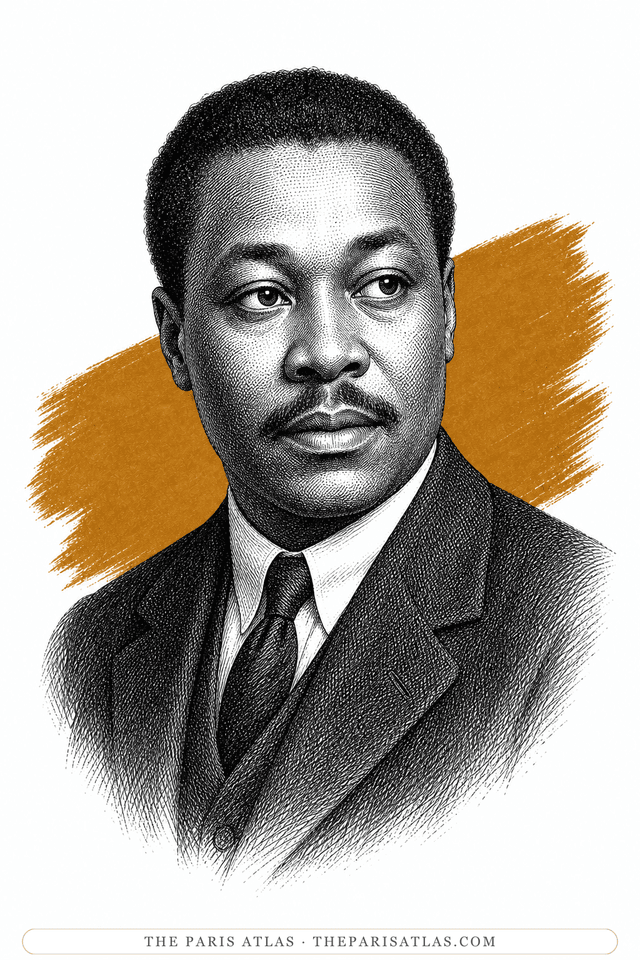
Claude McKay
Jamaican-born poet and novelist, and one of the essential writers of the Harlem Renaissance. He arrived in Paris from Moscow in 1923 and stayed in France until 1928, writing Home to Harlem there — and forming a low opinion of the rich, white expatriate scene that dominates most accounts of the period. His Paris is the same years as Hemingway's and almost nothing like it.
View author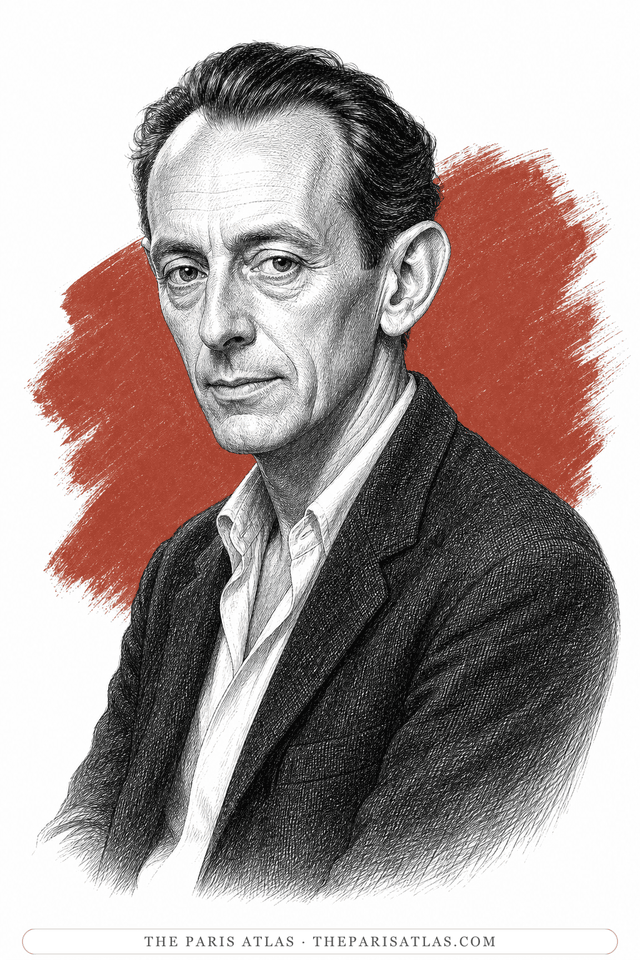
Paul Bowles
American novelist and composer whose expatriate fiction explores dislocation, unstable intimacy, fatalism, and North Africa.
View author